 listicle
5 Fun Gardening Activities for Toddlers at Home
Table of Contents
- 1. Plant Seeds in Egg Cartons and Watch Them Sprout
- 2. Create a Sensory Mud Kitchen for Hands-On Play
- Easy Vegetables to Grow with Kids
- 3. Build a Container Garden with Kids
- 4. Make Garden Crafts: Flower Crowns and Nature Art
- Kid-Friendly Gardening Tools and How to Use Them
- 5. Go on a Garden Scavenger Hunt and Harvest Together
- How Long Should a Gardening Activity Last for a Toddler
- Frequently Asked Questions
Last Updated: October 5, 2026
1. Plant Seeds in Egg Cartons and Watch Them Sprout
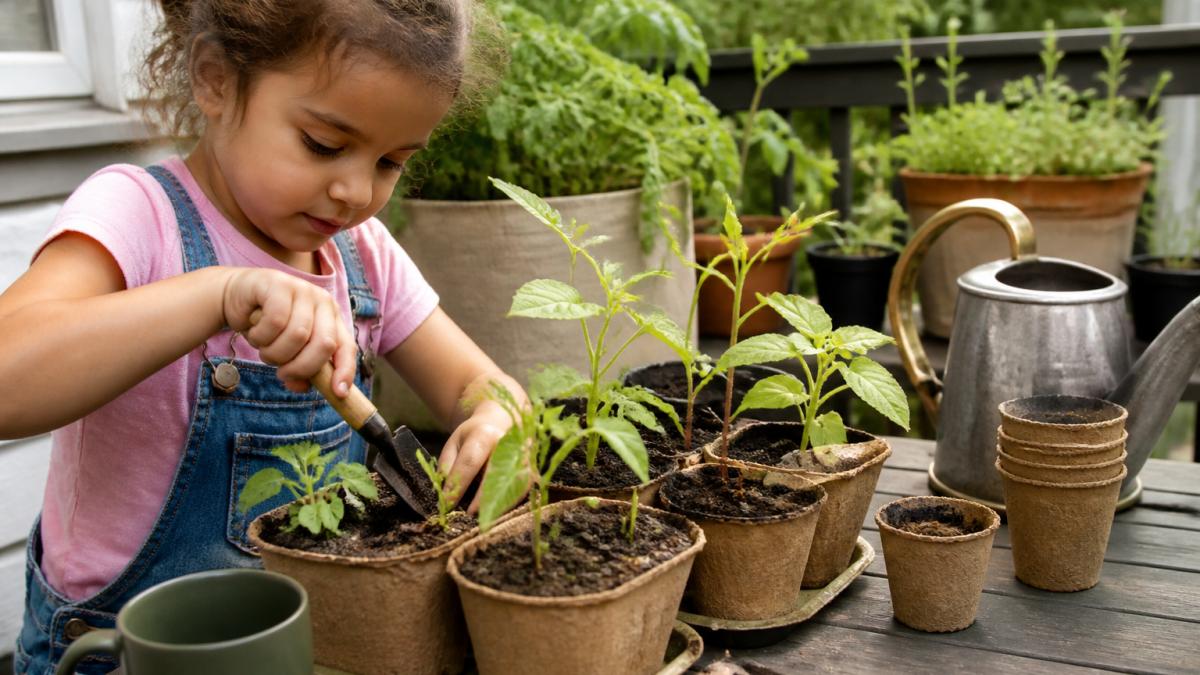
Planting seeds in egg cartons is one of the best gardening activities for toddlers, hands-on, fast results, minimal cleanup. Your toddler digs in soil, presses seeds into place, and watches green shoots emerge within days. It's the kind of magic that keeps them coming back every morning asking "Did it grow yet?" Nurturing this early curiosity provides a natural foundation for exploring other educational activities for kids that encourage a similar sense of discovery and wonder.
What You'll Need
- Cardboard egg cartons (the kind with individual cups)
- Potting soil or garden soil
- Seeds that sprout quickly (we recommend bean seeds, lettuce, or basil)
- Water in a small spray bottle or watering can
- A sunny windowsill or outdoor spot
Egg cartons are free, biodegradable, and the right size for small hands. When seedlings are ready, tear the carton apart and plant the whole thing directly into the ground.
Step-by-Step Instructions
Step 2: Make planting holes (Time: 2 minutes) Show your child how to poke a small hole in the center of each cup.
Step 4: Water gently (Time: 2 minutes) Use a spray bottle to keep soil moist without washing seeds away.
What to expect: Bean seeds sprout in 5-7 days. Lettuce takes 7-10 days. Basil takes 10-14 days.
2. Create a Sensory Mud Kitchen for Hands-On Play
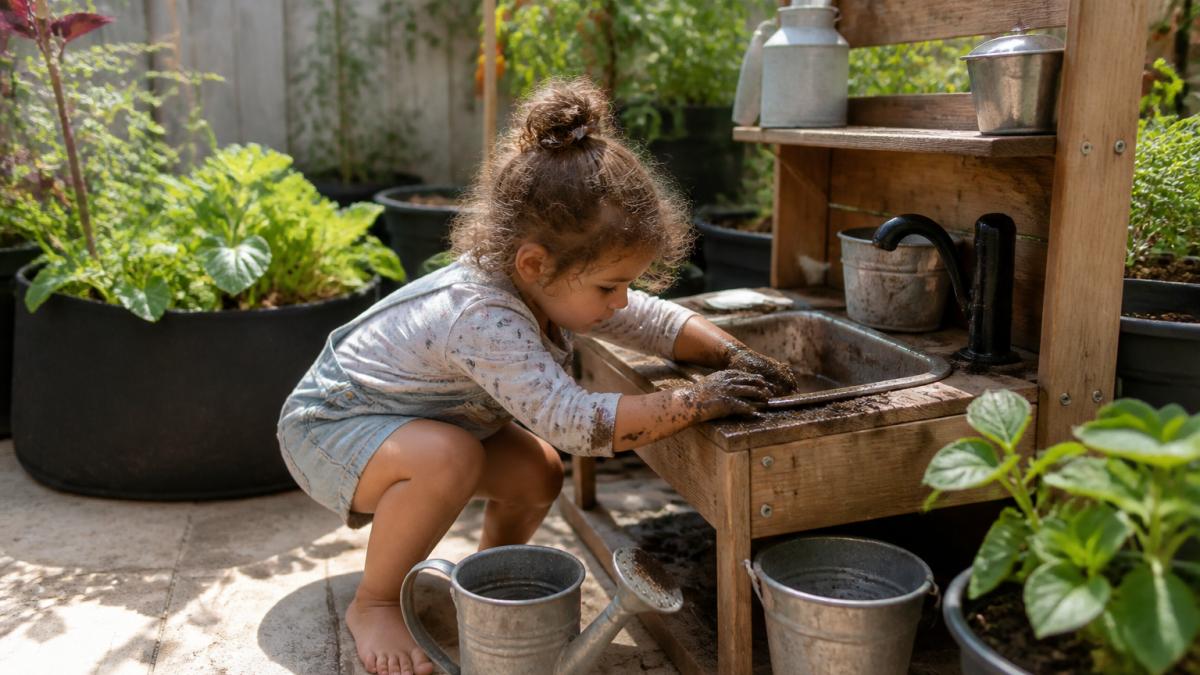
A mud kitchen is a dedicated spot where your toddler can dig, pour, mix, and explore without mess spreading everywhere. This is where gardening activities for toddlers blend into sensory play.
Setting Up Your Mud Kitchen
A low table, wooden crate, or large plastic storage bin works perfectly. The goal is giving your child a contained space to play with soil, water, and tools.
Basic setup:
- A low table or bin (18-24 inches tall, so toddlers can reach comfortably)
- Metal or plastic containers of different sizes
- A small watering can or spray bottle
- Wooden spoons, small shovels, or old kitchen utensils
- A bucket of water nearby for refilling
- Soil, sand, or mulch in the bottom
Safety and Supervision Tips
Never leave a toddler alone near standing water, even a few inches is a drowning risk. Keep the water container shallow and empty it when playtime ends. Check soil for debris and supervise closely, especially if your child still puts things in their mouth.
Wash hands thoroughly after play, particularly before eating. Keep toddlers with cuts or scrapes out of soil.
Easy Vegetables to Grow with Kids
Not every vegetable is worth growing with toddlers. Some take months. Others need constant fussing. You want varieties that show progress quickly and don't require a green thumb.
Quick-Growing Greens and Herbs
Tom Thumb lettuce from Heritage Cottage Seeds grows to tennis-ball size and matures in 45 to 55 days. Each head is perfect for one person's salad, and the leaves are tender and mild.

Mrs. Burns Lemon Basil reaches 24 to 30 inches tall and produces bright green leaves in weeks.
Both of these grow beautifully in containers, which matters if you're gardening on a balcony or patio. They don't need deep soil, 6 to 8 inches is enough.
Cherry Tomatoes and Micro Varieties
Cherry tomatoes excite toddlers because they're bite-sized and sweet. Tiny Tim and Orange Hat micro-dwarf tomatoes grow just 8 to 12 inches tall, perfect for containers, and taste like actual tomatoes.
Heritage Cottage Orange reaches 3 to 4 feet tall and produces 6 to 8 ounce fruits with rich, sweet-tangy flavor, perfect for the whole family to share.
The key with tomatoes: pick them when they're fully colored. Let your toddler do the picking.
3. Build a Container Garden with Kids
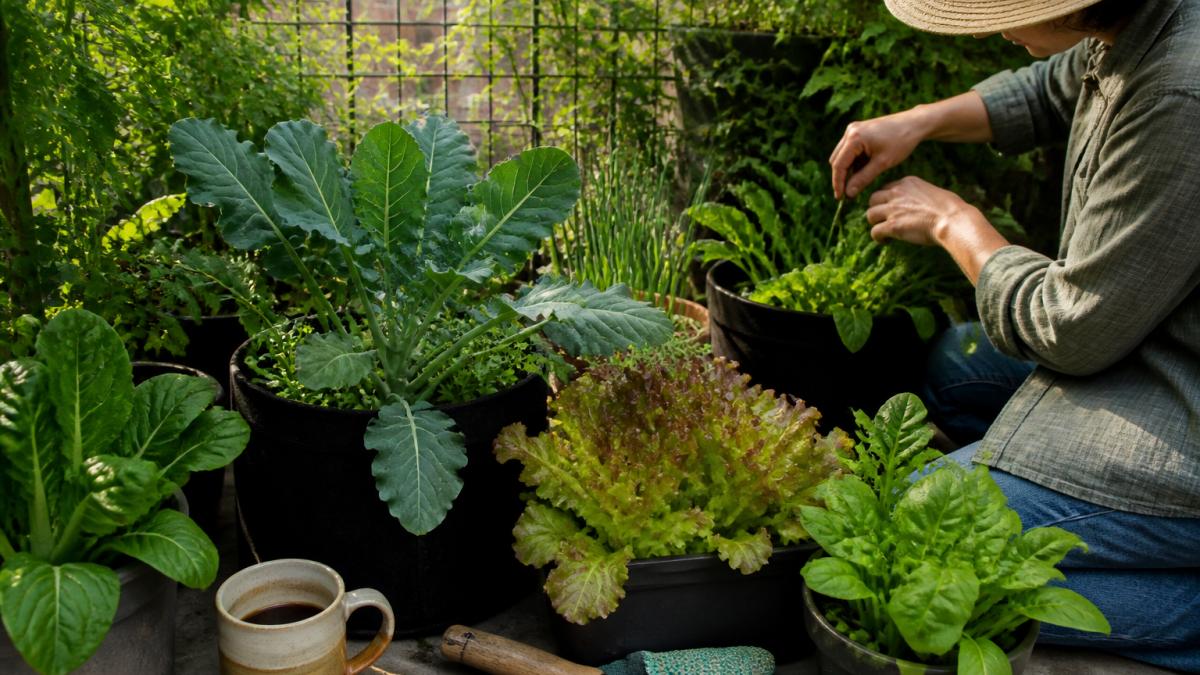
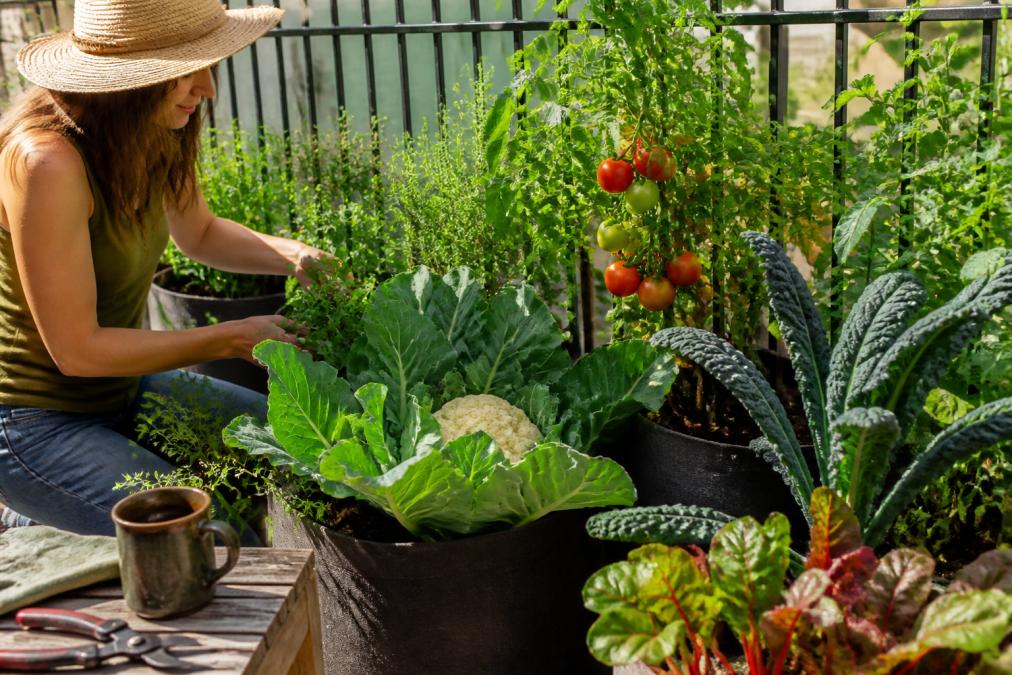
Container gardening works perfectly if you lack yard space or want to keep mess contained. You control the soil, water, and plants all in one place.
Choosing Containers and Location
Any container with drainage holes works, pots, buckets, bins, crates. Lettuce and basil need 6 to 8 inches of soil; tomatoes need 10 to 12 inches. Drainage is non-negotiable.
Most vegetables need at least 6 hours of direct sun. A sunny windowsill works for herbs; a patio works for tomatoes. In shadier spots, stick with lettuce and basil.
Planting and Daily Care Tasks
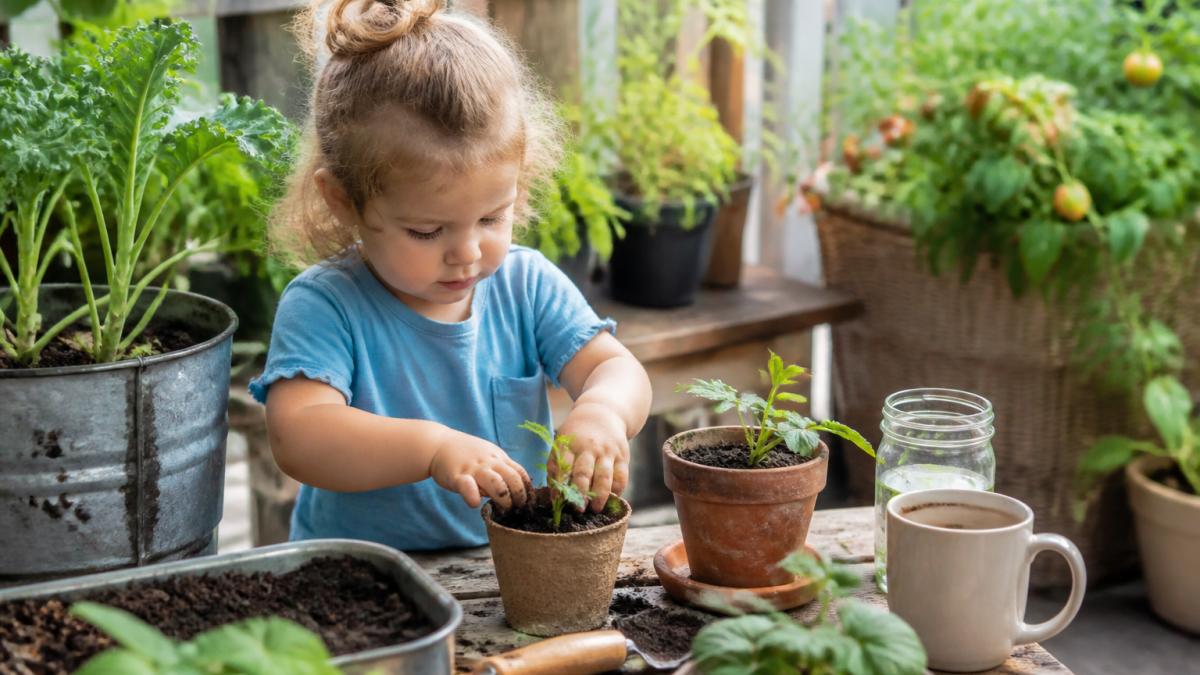
Fill containers with potting soil, leaving an inch at the top. Plant seeds or seedlings according to packet instructions. Water until moist but not waterlogged. Toddlers can water with a small watering can every other day.
The daily ritual builds responsibility. Your toddler learns that plants depend on them and sees cause and effect: water the plant, it grows; forget to water, it droops.
Pinch off dead leaves or flowers so the plant keeps producing. Toddlers can do this and feel like they're helping.
4. Make Garden Crafts: Flower Crowns and Nature Art
Not every gardening activity for toddlers involves actual plants. Sometimes it's about celebrating the garden through art and play.
Tomato - Heritage Cottage Orange →
Flower Crown Activity
Pick zinnias, they have sturdy stems and bright colors. Gary's Favorite Zinnia Mix produces 4 to 5 inch blooms and flowers all summer long.

Twist stems together to form a circle that fits your toddler's head. Let them add more flowers and leaves until they're happy with it. It takes five minutes and they feel like royalty. Take a photo. This is the kind of moment they'll remember.
Nature Painting and Leaf Rubbings
Collect leaves, flowers, and interesting textures from the garden. Place them under paper and rub over the top with a crayon to see the outline. Paint with flowers by dipping petals in washable paint and pressing them onto paper. These aren't masterpieces, they're explorations. That's the point.
Keep supplies simple: paper, crayons, washable paints, and whatever you find outside. No fancy art kit needed.
Kid-Friendly Gardening Tools and How to Use Them
Toddlers need tools sized for their hands, not plastic toy versions that break immediately. Real tools work better and last longer.
Essential Tools for Small Hands
A small hand shovel or spade (8 to 10 inches long) lets toddlers dig and scoop soil. A lightweight watering can with a spray nozzle gives them control without being too heavy. Small pruning shears with rounded tips let them harvest safely. A soft-bristled brush helps them clean off soil from vegetables.
Look for tools with comfortable grips. Wood handles are easier on small hands than metal. Avoid anything with sharp edges or points.
Safety First When Using Tools
Teach your toddler how to hold each tool before they use it. Show them how to pass a tool to you handle-first, never blade-first. Supervise constantly. A two-year-old with a shovel still needs your eyes on them every second.
Keep tools in one designated spot so your toddler learns where to find them and where to put them back. This builds responsibility and keeps tools from getting lost in the yard.
5. Go on a Garden Scavenger Hunt and Harvest Together
Scavenger hunts turn the garden into an adventure. Your toddler has a mission. They're searching for something specific. Suddenly, the whole space becomes more interesting.
Planning Your Scavenger Hunt
Make a simple list with pictures: find a red flower, find a leaf with bumpy edges, find something that smells good, find a bug. Toddlers can't read, but they can match pictures. Point to each item and let them search. When they find it, celebrate like they've discovered treasure.
Adjust the difficulty based on age. A two-year-old hunts for "something red." A four-year-old hunts for "a flower with five petals" or "something soft."
Making Harvesting Fun and Educational
Picking vegetables is the payoff moment. Let your toddler harvest lettuce by gently pulling leaves from the outside of the plant, leaving the center to grow.
Taste what you picked right there in the garden. A sun-warmed tomato eaten five minutes after picking tastes nothing like a supermarket tomato. That flavor memory sticks with them.
Involve them in cooking what you grew. Even if it's just adding lettuce to a salad or slicing a tomato, they see the full cycle from seed to table.
How Long Should a Gardening Activity Last for a Toddler
A gardening activity for toddlers should last 10 to 20 minutes for ages 2-3, and 20 to 30 minutes for ages 4-5. Quality matters more than duration.
Watch your child's cues. If they're losing interest, wrap up on a positive note. The goal is building a habit of spending time outside and getting their hands in soil.
The real magic happens when gardening becomes part of your routine. A few minutes outside each day, tending plants together, noticing what's changed since yesterday.
Growing things with toddlers isn't about producing perfect vegetables or Instagram-worthy gardens. At Heritage Cottage Seeds, we've built our whole business around helping home gardeners grow exceptional produce with seeds that actually perform.

| Activity | Duration | Best Age | Setup Difficulty |
|---|---|---|---|
| Egg carton planting | 10-15 minutes | 2+ | Very easy |
| Sensory mud play | 20-30 minutes | 2+ | Moderate |
| Watering routine | 5-10 minutes | 2+ | Very easy |
| Flower crown making | 10-15 minutes | 3+ | Easy |
| Harvesting | 10-20 minutes | 3+ | Very easy |
Frequently Asked Questions
What gardening activities are safe for toddlers?
Safe gardening activities for toddlers include planting seeds in containers, sensory play with soil and water, making flower crowns, and supervised harvesting. Always avoid pesticides and sharp tools. Keep activities short (10-15 minutes), provide constant supervision, and ensure toddlers wash their hands afterward. Choose activities that let them touch, dig, and explore safely, these are the best ways toddlers learn about gardening.
What easy vegetables to grow with kids produce fast results?
Lettuce, cherry tomatoes, and herbs like basil germinate and grow quickly, perfect for holding a toddler's interest. Tom Thumb lettuce matures in 45-55 days and grows to tennis-ball size, ideal for small hands. Micro tomato varieties like Tiny Tim reach just 8-12 inches tall and produce sweet cherry tomatoes in containers. Radishes and peas also sprout within 3-4 weeks. These varieties thrive in containers, making them excellent for apartment balconies or small yards.
How long should a gardening activity last for a toddler?
Most toddlers stay engaged for 10-20 minutes during a single gardening activity. Younger toddlers (18-24 months) do better with 10-minute sessions, while older toddlers (2-3 years) may enjoy 15-20 minutes. If attention wanes, switch to a different activity rather than extending the same task. Breaking gardening into short bursts, planting one day, watering the next, harvesting later, keeps the experience fresh and maintains enthusiasm.
Can toddlers garden in apartments or small spaces?
Absolutely. Container gardening with kids works beautifully in apartments, on balconies, and in small yards. Micro dwarf tomato varieties like Orange Hat and Tiny Tim grow 8-12 inches tall in pots on windowsills or patios. Lettuce, herbs, and flowers thrive in containers too. Set up a small mud kitchen on a balcony, use egg cartons for seed starting indoors, and create a sensory bin on a table. Small-space gardening teaches toddlers that you don't need a backyard to grow food and flowers.
What should I plant with toddlers if I'm a beginner gardener?
Start with forgiving, fast-growing varieties: cherry tomatoes, lettuce, basil, and zinnias. These tolerate beginner mistakes and reward effort quickly, keeping toddlers excited. Micro tomato varieties are nearly impossible to fail and produce in just 60-70 days. Herbs like Mrs. Burns' Lemon Basil grow vigorously and smell amazing when touched. Avoid fussy varieties that need precise conditions, your goal is success and fun, not perfection. Mississippi State University Extension recommends starting with high-germination seeds in containers where you control the soil and water.