 Listicle
Heirloom Tomato Varieties Australia: A Picker's Guide
Last Updated: November 16, 2026
Quick Summary
Heirloom tomato varieties in Australia earn their keep because you can save the seed and get the same tomato next year, while hybrids do not come back true. Flavour is the other reason gardeners choose them: a tomato bred for the kitchen gets picked ripe, not hard and green. Start with reliable names like Heritage Cottage Orange, Siberian Red, Angora Super Sweet and Everglades.
- Heirlooms are not disease-proof, so plant spacing and airflow do more for you than any spray.
- Heritage Cottage Orange is a compact determinate slicer reaching 3-4 feet with 6-8 ounce fruit.
- Siberian Red suits cool climates and short growing seasons with medium red, juicy, meaty fruit.
- Micro-dwarfs like Hahm's Gelbe, Rosy Fitch, Hardin's Miniature and Aztec are compact enough for containers.
- Separate varieties by at least 10 to 25 feet, or bag a truss, when saving seed.
Table of Contents
- Why Heirloom Tomato Varieties Australia Gardeners Choose Still Outperform Hybrids
- The Best Heirloom Tomato Varieties Australia Growers Reach For First
- Rare Heirloom Tomato Varieties Australia Collectors Hunt Down
- Heirloom Tomatoes for Containers: Small Plants, Real Harvests
- Heirloom Tomato Varieties Australia Pictures: What Each One Actually Looks Like
- Side-by-Side Comparison: Flavor, Size, Days to Maturity and Yield
- Seed Saving and True-to-Type Results From Open-Pollinated Stock
- Picking Your Seed Packet From Heritage Cottage Seeds
- Frequently Asked Questions
Why Heirloom Tomato Varieties Australia Gardeners Choose Still Outperform Hybrids
Heirloom tomato varieties in Australia earn their keep because you can save the seed and get the same tomato next year, and that is exactly why gardeners seek out heirloom tomato varieties in Australia. That is the whole promise, and it is a good one. Hybrids grow fine, but their seed does not come back true.
Flavor is the other reason. A tomato bred for shipping gets picked hard and green; a tomato bred for the kitchen gets picked ripe.
Watch out: heirlooms are not disease-proof. Older varieties vary in vigor, and in humid country you will meet foliage problems. Plant spacing and airflow do more for you than any spray.
Mississippi State University Extension vegetable gardening guidance
The Best Heirloom Tomato Varieties Australia Growers Reach For First
Start with flavor and reliability, not novelty. These are the ones we hand people who want a tomato they will actually eat all summer.
- Heritage Cottage Orange ($4.00, 20-25 seeds): a compact determinate slicer reaching 3-4 feet, with 6-8 ounce fruit and a sweet-tangy finish. Best for containers and raised beds.
- Siberian Red ($4.00): cold-tolerant and early, with medium red fruit and a juicy, meaty texture. Best for cool climates and short growing seasons.
- Angora Super Sweet ($4.00): an indeterminate cherry with candy-sweet, inch-wide fruit on long vines. Best for garden beds and large containers when supported with stakes or cages.
- Everglades ($4.00): a wild-type cherry with half-inch fruit and a sweet-tart, old-fashioned tomato flavor. Suited to Southern gardens, containers with support, or naturalized garden edges.
Mississippi State University Extension on growing tomatoes
Rare Heirloom Tomato Varieties Australia Collectors Hunt Down
Rare means small supply, not necessarily better eating. Collectors chase the micro-dwarfs, and we understand why: they are compact, ornamental, and genuinely productive.
Hahm's Gelbe stays short and sturdy with sweet yellow fruit. Rosy Fitch produces clusters of rosy-pink cherries on a plant 10-14 inches tall. Hardin's Miniature grows 6-10 inches tall and sets bright red cherries. Aztec gives golden-yellow fruit on a bushy 8-12 inch plant.
The Mixed Micro pack is the fun one. You get red, yellow, orange, and striped fruit across plants from 8 to 24 inches, and you find out what you love without committing to a single packet.
Heirloom Tomatoes for Containers: Small Plants, Real Harvests
Container growing is where micro-dwarfs earn their place. A pot on a sunny balcony will outproduce a neglected garden bed every time, but only if you match the variety to the pot and stay on top of water and feed. Here is how we approach it.
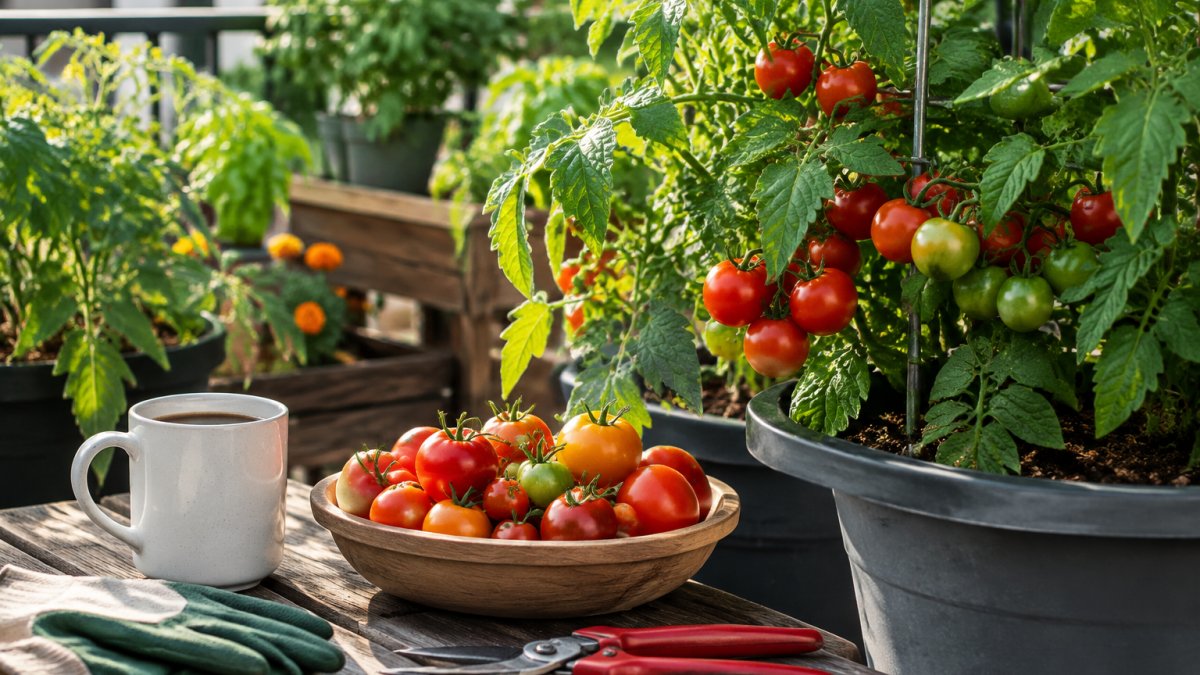
Match the variety to the pot size. Micro-dwarfs like Hahm's Gelbe, Rosy Fitch, Hardin's Miniature, or Aztec are compact enough for containers. Heritage Cottage Orange, being a compact determinate, wants a bit more root room, and will reward you with 6- to 8-ounce slicers. Angora Super Sweet is indeterminate and will keep growing, so plan on stakes or a cage from planting.
Use fresh potting mix, not garden soil. Garden soil compacts in pots, drains poorly, and can carry weed seeds and soil-borne problems. A quality potting mix with perlite or bark fines keeps roots cool and aerated through a hot afternoon. Top-dress with an inch of compost once the plant is established.
Water deeply and less often. Check the top inch of mix, when it is dry, water until it runs out the drainage holes. In the heat of summer that might mean daily for a small pot and every other day for a larger one. A saucer under the pot helps in dry spells but empty it after an hour so roots do not sit in water.
Feed lightly and regularly once fruit sets. Container plants run out of nutrients faster than garden beds. A balanced liquid feed at half strength every week or two keeps them producing without pushing too much leaf.
Stake even the dwarfs. A loaded micro-dwarf in wind will tip a light pot. A bamboo stake or a small tomato cage keeps the plant upright and the fruit off the soil. For taller indeterminates like Angora Super Sweet, set the cage at planting time, trying to add support later risks root damage.
Watch out: containers dry out fast in a Mississippi summer, and a plant that wilts hard at midday may drop its blossoms. A layer of mulch on the pot surface and a little afternoon shade can make the difference between a good set and a gap in harvest.
For a deeper variety shortlist, see our guide to the best heirloom tomatoes for containers.
Heirloom Tomato Varieties Australia Pictures: What Each One Actually Looks Like
Color and shape tell you how to use a tomato before you taste it. Here is what to expect.
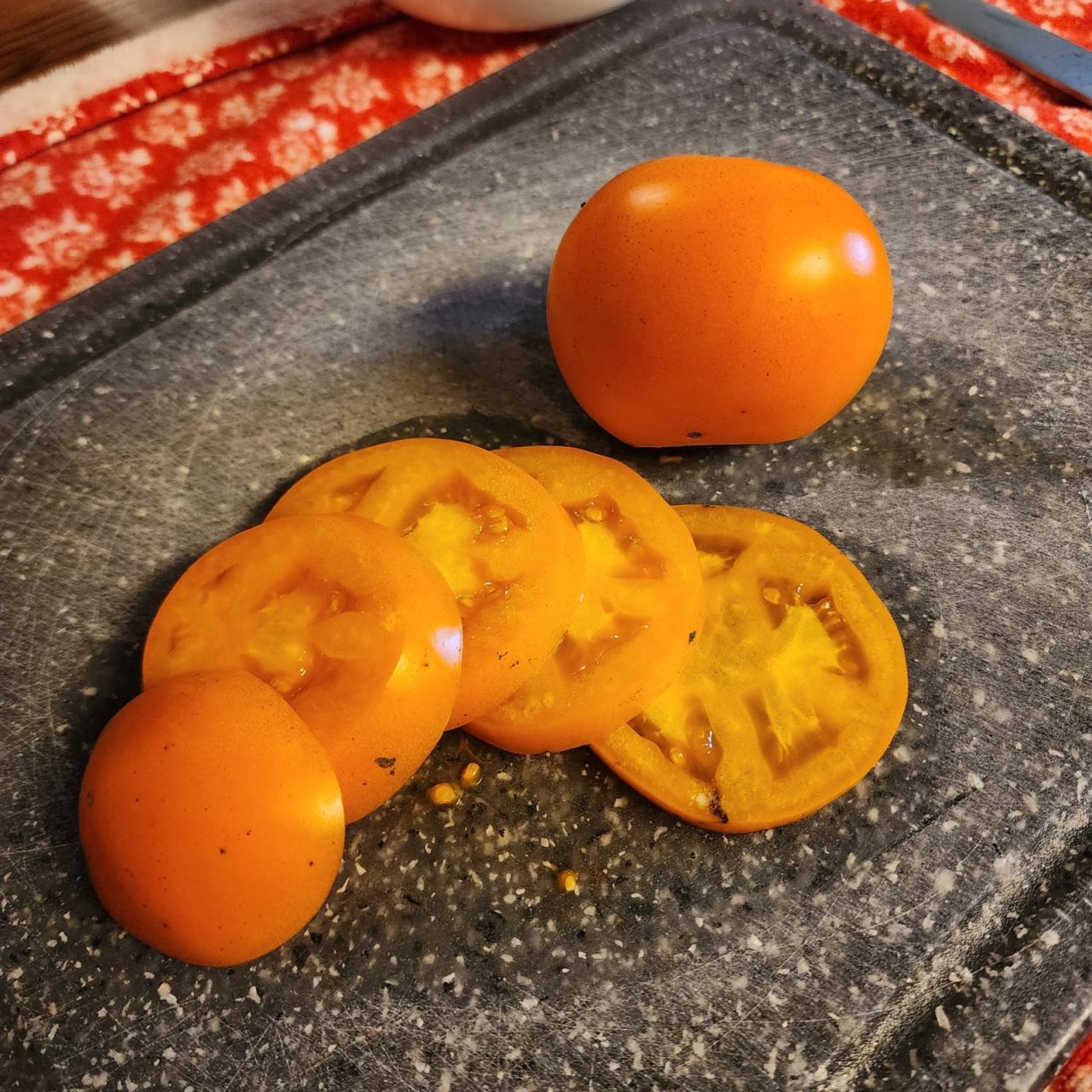
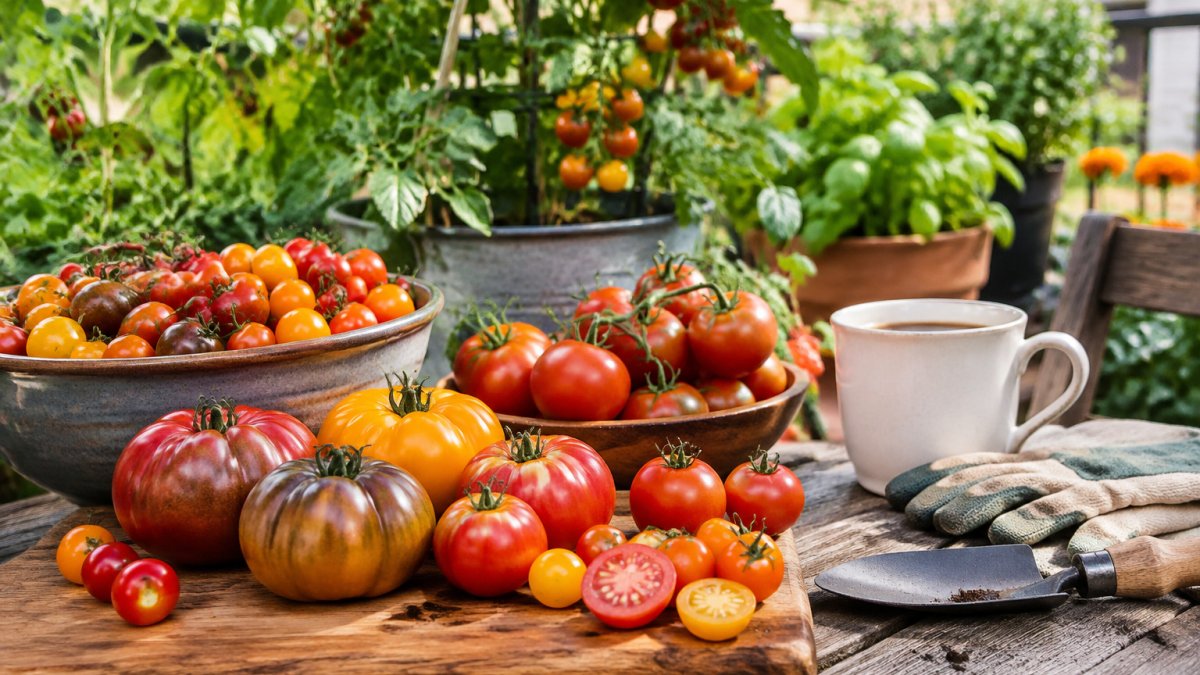
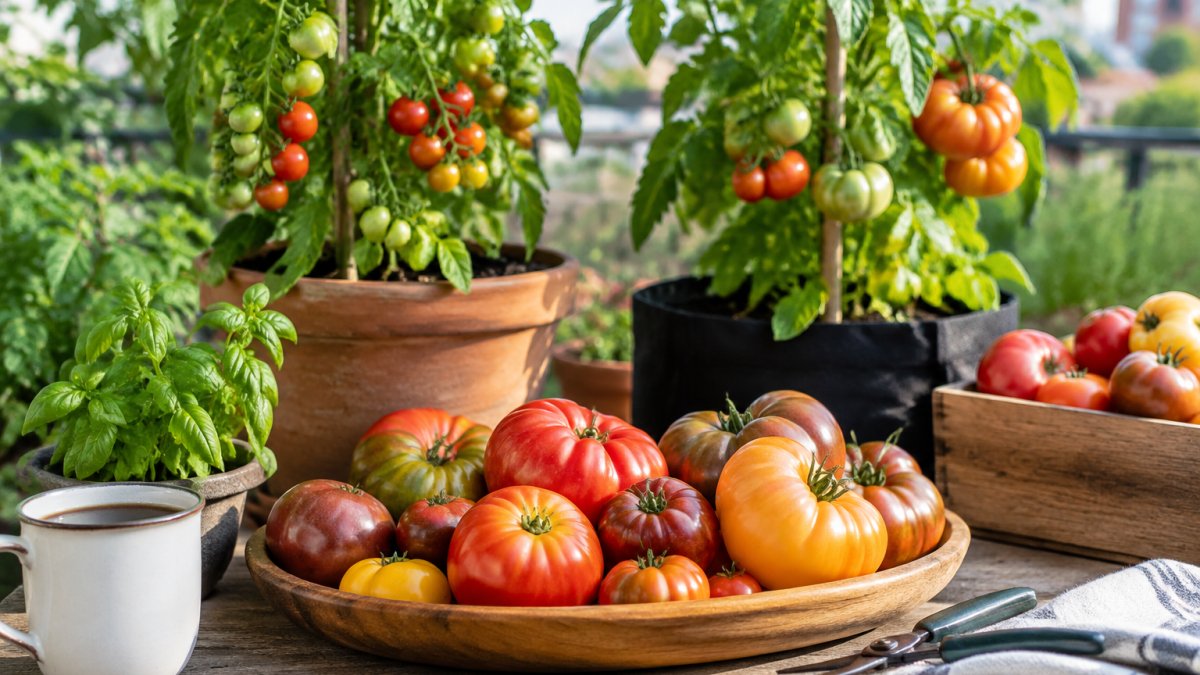
Heritage Cottage Orange is a smooth orange slicer. Siberian Red is a bright red medium fruit with a meaty texture. Angora Super Sweet and Everglades both run small and red, but Everglades is tiny, around half an inch. Hahm's Gelbe and Aztec are round yellow cherries. Rosy Fitch is pink and smooth. Hardin's Miniature is a small red cherry. The Mixed pack gives you the full spread in one go.
Side-by-Side Comparison: Flavor, Size, Days to Maturity and Yield
Flavor and habit matter more than a calendar date, but the comparison helps you plan.
| Variety | Flavor | Plant Habit | Yield Style |
|---|---|---|---|
| Heritage Cottage Orange | Sweet-tangy | Determinate, 3-4 ft | Concentrated |
| Siberian Red | Classic, rich | Determinate | Dependable, early |
| Angora Super Sweet | Candy-sweet | Indeterminate | Continuous |
| Everglades | Sweet-tart | Indeterminate | Nonstop |
| Hahm's Gelbe | Mild, fruity | Micro-dwarf | Heavy, early |
| Rosy Fitch | Sweet, mild | Micro-dwarf | Reliable |
| Hardin's Miniature | Sweet-tart | Micro-dwarf | Abundant |
| Aztec | Sweet, tangy | Micro-dwarf | Abundant |
If you garden where summers run long and hot, our companion list of heirloom varieties for hot climates is worth a read before you order.
Seed Saving and True-to-Type Results From Open-Pollinated Stock
Open-pollinated seed can come back true to type when varieties are kept apart.
Pick fruit from your best plant, at full ripeness. Not the first fruit and not the biggest, the plant that showed the traits you want: flavor, fruit size, disease tolerance, and habit. Scoop the seed and gel into a jar, add a splash of water, and let it ferment a few days until the pulp separates and the good seed sinks. Rinse, dry on a plate or screen, and store cool and dry. Label everything, because a saved seed with no name is just a mystery.
Watch out: tomatoes cross-pollinate when bees work two varieties close together. A bee can carry pollen from a neighbor's garden or a wild tomato patch, and the result is a seed that grows into something neither parent promised. If you are saving seed from more than one variety, separate them by at least 10 to 25 feet, or bag a truss before the flowers open and hand-pollinate with a soft brush. For a home garden, bagging one or two trusses is often the most reliable route.
True-to-type means the seed grows into the same tomato you saved from. With open-pollinated heirlooms, that is the promise, but only if the flower was pollinated by the same variety. A crossed seed can still be a fine tomato, just not the one on the packet. If a plant from your saved seed looks off, different leaf shape, fruit color, or habit, rogue it out and save from a better plant next time.
Keep records. Note the variety, the date, and which plant you saved from. For questions about isolation and storage, Mississippi State University Extension offers guidance for Southeastern gardeners.
Mississippi State University Extension on saving seed from open-pollinated vegetables
Picking Your Seed Packet From Heritage Cottage Seeds
Choosing a packet comes down to three questions: how much space you have, how long your season runs, and what you want on the plate. Answer those and the shortlist writes itself.
Each packet listed here is $4.00 for 20-25 seeds. If you are buying your first one, start with Heritage Cottage Orange for containers and slicing, or grab the Mixed Micro pack to sample several at once. Taller varieties like Angora Super Sweet want support, and our guide on staking heirloom tomato plants shows how we do it.
Space is usually the thing that stops people, not skill. A pot, a sunny corner, and one good open-pollinated packet will get you further than you think. Heritage Cottage Seeds grows, saves, and ships rare tomato and pepper varieties from our own urban farm, with 20-25 seeds per packet, open-pollinated stock you can save from, and micro-dwarf options built for balconies and windowsills. Get started with Heritage Cottage Seeds and grow a tomato worth saving seed from.
Frequently Asked Questions
What are the best tasting heirloom tomato varieties for a home garden?
Flavor is personal, but a few heirloom tomato varieties consistently earn repeat plantings. Heritage Cottage Orange brings a rich sweet-tangy balance on 6-8 ounce slicers, while Angora Super Sweet delivers candy-sweet one-inch cherries for snacking. Everglades packs an intense old-fashioned sweet-tart punch into half-inch fruits. If you want a classic rich tomato taste for slicing and sauces, Siberian Red is a dependable choice. Grow two or three side by side and taste them at full ripeness before deciding which earns permanent garden space.
Which heirloom tomatoes grow well in containers?
Micro-dwarf and determinate types are the safest bet for pots. Orange Hat stays 8-12 inches tall, Hardin's Miniature tops out at 6-10 inches, and Rosy Finch reaches 10-14 inches, all producing full-size flavor on tiny plants. Heritage Cottage Orange grows 3-4 feet tall and yields 6-8 ounce slicers in a large container. Keep soil consistently moist and place pots where they get plenty of sun.
What are the rarest heirloom tomato varieties worth tracking down?
Rarity usually means small seed stocks and limited distribution rather than poor performance. Heritage Cottage Orange is a family-saved orange slicer that has been grown and saved since 2005. Micro-dwarfs like Hahm's Gelbe, Aztec, and Hardin's Miniature are specialty lines bred for tight spaces and rarely found in general catalogues. Everglades, a wild-type heat-tolerant cherry, is another collector favorite. Buy from a grower who saves seed each season and can tell you the variety's history.
Are heirloom tomato seeds open-pollinated and suitable for saving year after year?
Heirlooms are open-pollinated by definition, so saved seed comes back true to type as long as you prevent cross-pollination. Tomatoes self-pollinate within each flower, but insects can still move pollen between varieties grown close together. Keep varieties you plan to save from well apart, or bag a few blossoms. Pick fruit from your healthiest, best-flavored plants, ferment the seed for a few days to clean it, dry it fully, and store it cool and dark. Avoid saving from hybrids, which will not repeat.
How long do heirloom tomatoes take to ripen, and when should I plant?
Days to maturity vary by variety and by how much heat you get. Micro-dwarfs tend to be quicker to fruit than larger slicers. Transplant once nights stay reliably warm, and in hot southern gardens aim to set fruit before the worst heat.