 listicle
Are Kids Gardening Kits Worth the Money?
Table of Contents
- What Makes Kids Gardening Kits Worth Considering
- Real Benefits: Fine Motor Skills and Child Development
- Easy Vegetables to Grow With Kids
- Container Gardening for Beginners: The Smart Starting Point
- Best Gardening Tools for Children and What to Look For
- Price vs. Long-Term Value: Durability and Safety Matter
- When Kids Gardening Kits Are Worth It, And When They're Not
- Frequently Asked Questions
Last Updated: September 30, 2026
What Makes Kids Gardening Kits Worth Considering
When you're thinking about whether kids gardening kits are worth the money, the real question isn't whether your child will enjoy digging in soil. It's whether you'll actually use the kit, whether it'll hold up after a few seasons, and whether it genuinely teaches something valuable.
Here's what matters: kids gardening kits worth the investment combine durable tools, age-appropriate sizing, and seeds that actually germinate. A flimsy plastic shovel that breaks after three uses teaches disappointment, not gardening. A kit with quality hand tools, rust-resistant materials, and proven vegetable varieties teaches responsibility, fine motor skills, and the patience that comes from watching something grow.
The best kits focus on what kids can realistically grow in containers or small spaces. Tomatoes, lettuce, basil, and okra work beautifully for beginners. They germinate reliably, grow quickly enough to hold a child's attention, and produce a harvest you can actually eat. That's the real win, not just the kit itself, but the entire experience of planting, tending, and harvesting something real.
Real Benefits: Fine Motor Skills and Child Development
Growing vegetables with kids does more than create a fun afternoon. It builds hand-eye coordination, strengthens small muscles, and develops cognitive skills as children observe cause and effect over weeks and months.

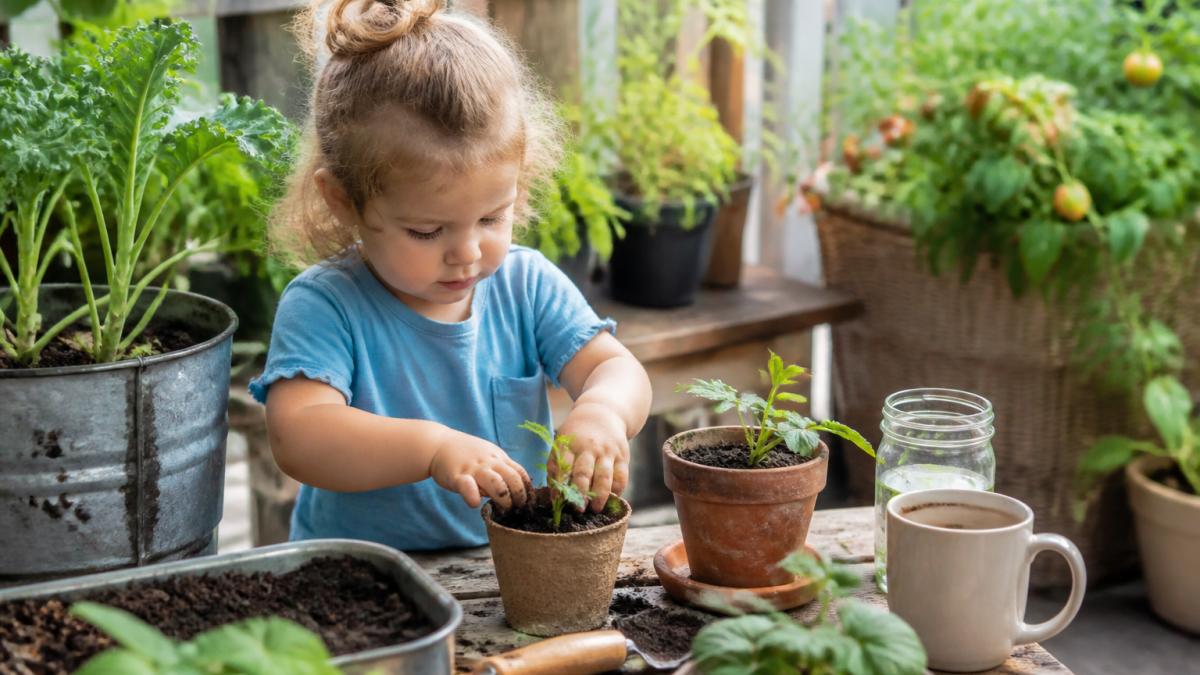
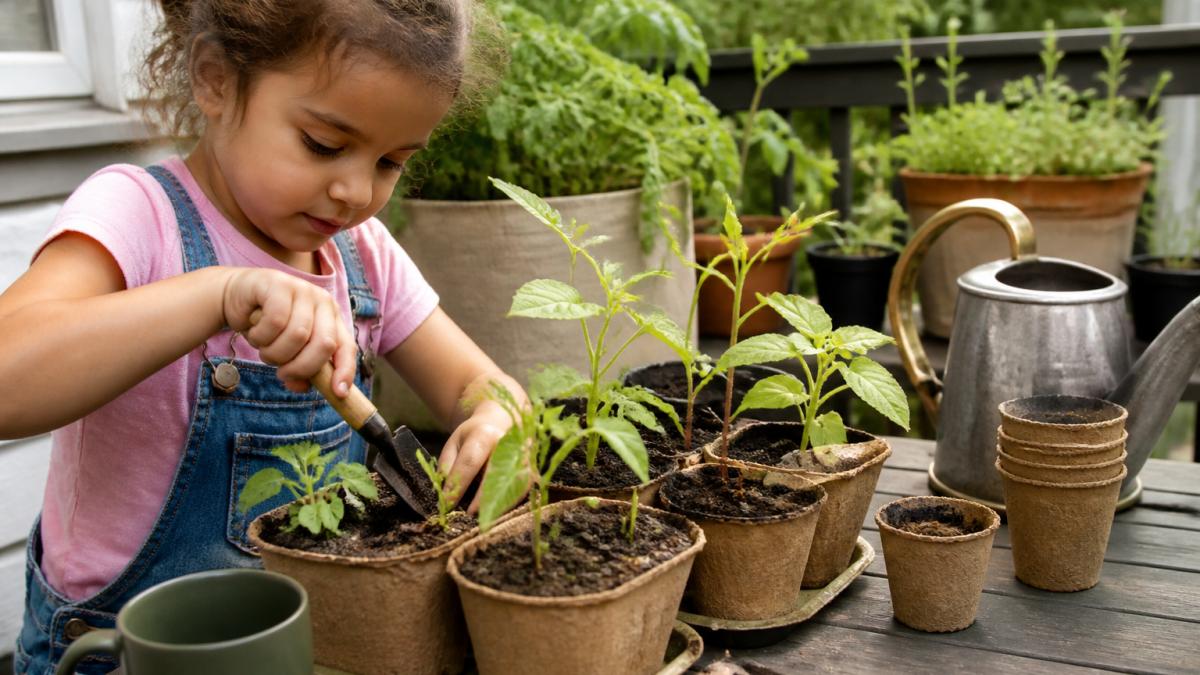
Fine motor skills improve naturally when kids grip small shovels, pinch seeds, and pack soil around seedlings. These aren't abstract exercises, they're purposeful movements toward a goal. A child learns that pressing seeds gently into soil matters. Watering at the right level matters. Removing weeds so seedlings have room matters. Each action connects directly to a visible outcome.
Sensory play matters too. Touching soil, feeling the texture of leaves, smelling basil, and tasting a warm tomato straight from the plant engages all the senses. This multisensory experience strengthens memory and learning in ways worksheets simply can't match. Children remember what they experienced, not just what they were told.
The responsibility piece is equally important. A plant depends on your child to water it, check for pests, and provide sunlight. That's real responsibility with real consequences, if they forget to water for a week, the plant suffers. They learn that their actions matter. They learn patience when growth takes weeks, not hours. They learn problem-solving when something goes wrong.
Easy Vegetables to Grow With Kids
Not every vegetable works for beginners. Some take forever to germinate. Others need constant attention or specific growing conditions. The winners are the varieties that germinate quickly, grow visibly, and produce something harvestable within a reasonable timeframe.
Tomatoes are the obvious choice, and for good reason. Kids love watching tiny yellow flowers turn into actual fruit they can eat. Compact determinate varieties work best for containers and small spaces. Heritage Cottage Orange tomato, a determinate variety reaching 3-4 feet tall, produces medium-sized slicers with sweet-tangy flavor and grows beautifully in containers or raised beds. For cooler climates or shorter growing seasons, Siberian Red Heirloom offers cold tolerance and early maturity, both valuable when you're working with a young gardener's timeline.

If space is tight, micro-dwarf tomatoes like Orange Hat (8-12 inches tall) or Hardin's Miniature (6-10 inches tall) produce abundant small tomatoes in windowsills, patios, or balcony gardens. These varieties mature quickly and require minimal staking, making them perfect for beginners.
Lettuce grows fast and produces visible results within weeks. Tom Thumb lettuce matures in 45-55 days and grows to about the size of a tennis ball, ideal for individual servings or small spaces. Kids can harvest entire heads or pick outer leaves as they grow, which extends the harvest window.
Basil is a sensory winner. Mrs. Burns Lemon Basil reaches 24-30 inches tall with bright-green leaves that smell incredible. Kids love pinching leaves for tea or to add to dishes they cook. It thrives in warm weather and grows beautifully in containers.
Okra might surprise you, but Baby Bubba okra reaches only 3-4 feet tall while producing deep green, tender pods. It's heat-tolerant, fast-growing, and highly productive, perfect for demonstrating that vegetables don't have to be familiar to be fun.
Southern Gardening All Year Long →
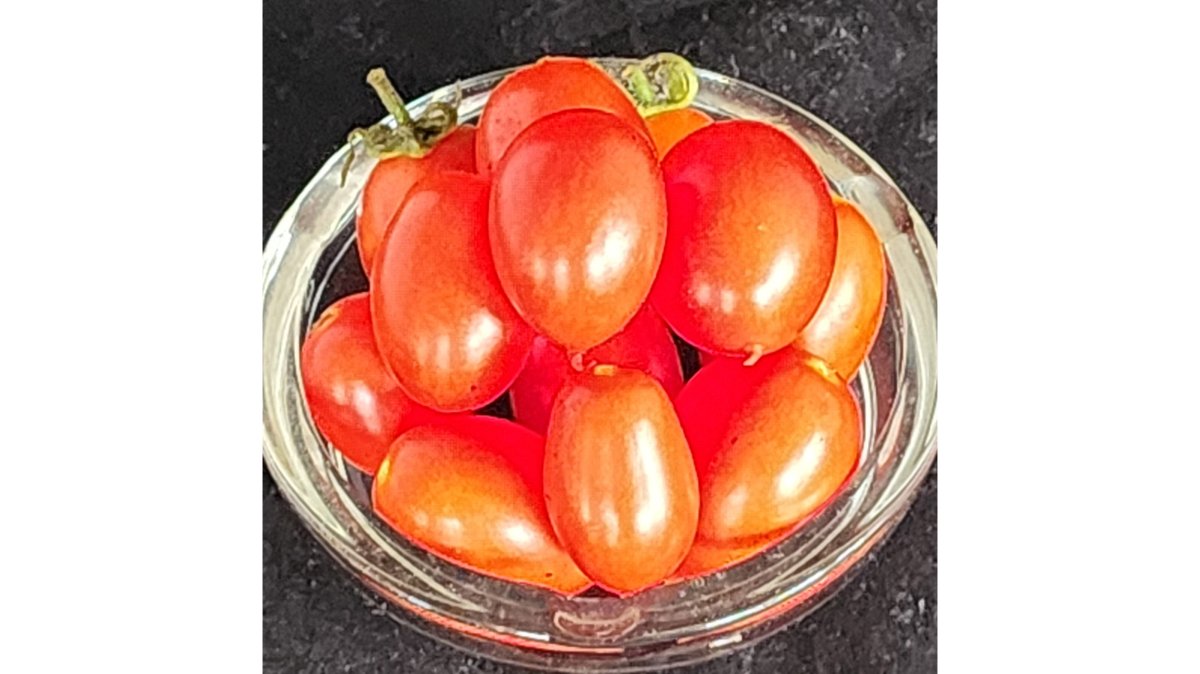
The common thread: all these vegetables germinate reliably, show visible growth within weeks, and produce something edible that a child can actually harvest and eat. That tangible result is what separates a worthwhile kit from an expensive toy.

Container Gardening for Beginners: The Smart Starting Point
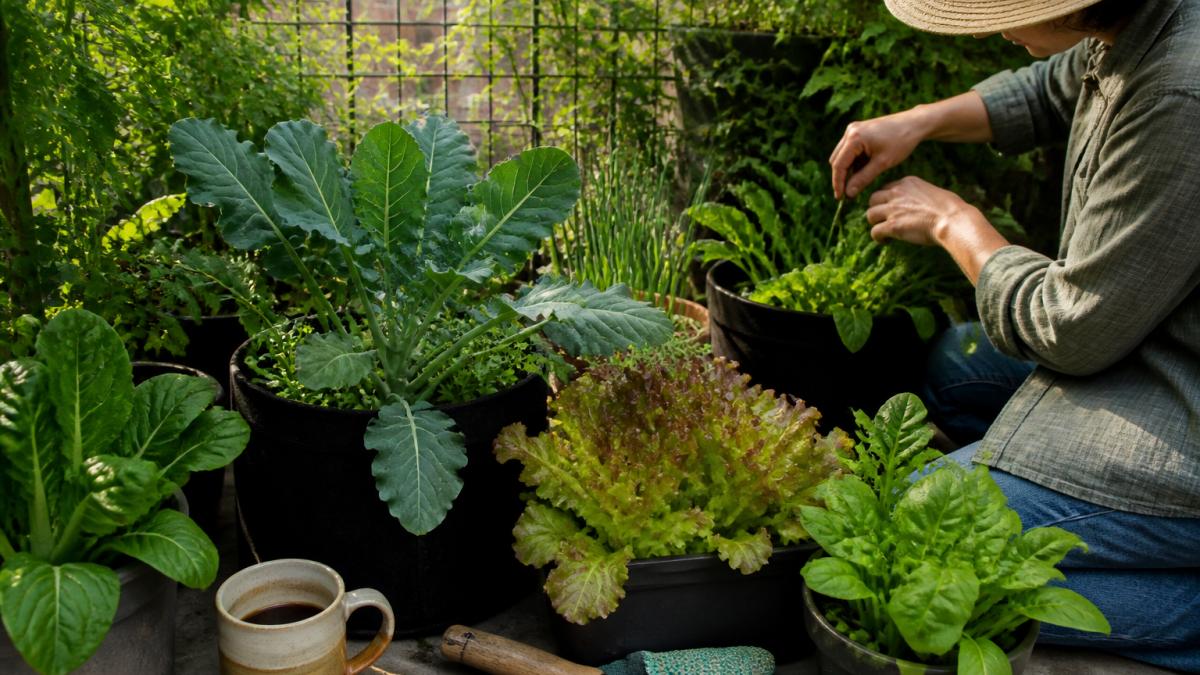
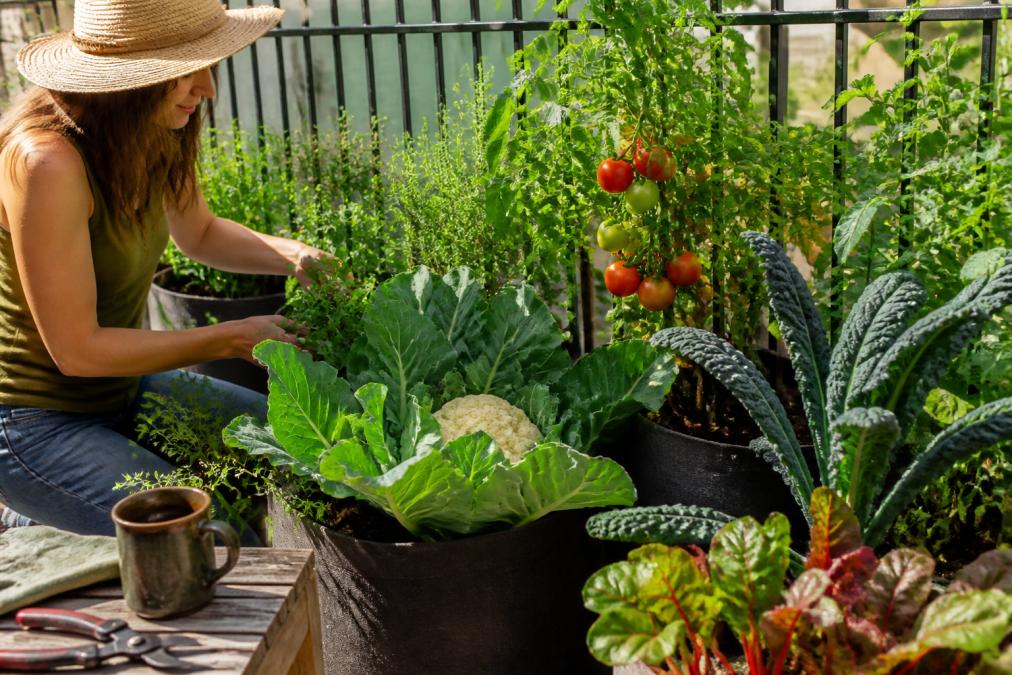
Container gardening for beginners removes half the complications of traditional gardening. You control the soil quality, drainage, and sunlight exposure. You can move pots to follow the sun or protect plants from unexpected weather. You don't need a backyard or raised beds, just a sunny windowsill, patio, or balcony. Maximizing these small spaces allows you to preserve larger areas of your property for backyard wooden playsets that encourage active outdoor play.
Start with containers at least 5-10 gallons for tomatoes and okra. Smaller containers work for lettuce and basil.
Best Gardening Tools for Children and What to Look For
The tools your child uses matter more than you might think. Flimsy plastic tools frustrate kids and teach them that gardening is annoying. Quality hand tools make the work feel real and manageable.
| Tool | Purpose | What to Look For | Why It Matters |
|---|---|---|---|
| Hand Shovel | Digging, planting | Child-sized, lightweight, metal blade | Comfortable grip prevents hand fatigue |
| Hand Rake | Breaking up soil, removing debris | Small head, ergonomic handle | Teaches gentle soil preparation |
| Weeding Fork | Removing weeds, loosening soil | Short handle, sturdy tines | Develops fine motor control |
| Watering Can | Hydrating plants | Gentle rose attachment, lightweight | Teaches proper watering technique |
| Gloves | Hand protection | Child-sized, durable fabric | Prevents blisters, builds confidence |
Price vs. Long-Term Value: Durability and Safety Matter
Here's where kids gardening kits worth the money actually prove themselves. A cheap kit costs less upfront but falls apart after one season. A quality kit costs more initially but lasts years and gets used repeatedly.
When Kids Gardening Kits Are Worth It, And When They're Not
Kids gardening kits make sense when three conditions align: your child shows genuine interest in growing things, you have a sunny space where plants can thrive, and you're willing to provide occasional guidance and maintenance.
Frequently Asked Questions
Are kids gardening kits worth buying, or are they just toys?
Kids gardening kits are worth the investment when they're built to last and actually work. Look for child-sized tools with genuine functionality, not plastic toys. A quality kit teaches responsibility, builds fine motor skills, and creates hands-on learning that screens can't match. The real value comes from what your child learns and grows, not the kit itself. Start with easy vegetables like Tom Thumb lettuce or micro tomato varieties, which give quick wins and keep kids engaged.
What easy vegetables to grow with kids actually succeed?
The best starter vegetables are those that grow fast and show visible results. Tom Thumb lettuce matures in 45-55 days with minimal care, making it perfect for small hands and impatient gardeners. Micro dwarf tomato varieties like Hardin's Miniature (6-10 inches tall) produce fruit in containers and thrive indoors or outdoors. Mrs. Burns' Lemon Basil grows quickly, smells amazing, and teaches kids about herbs. Baby Bubba okra is heat-tolerant and compact, ideal for raised beds. These varieties prove success early, which builds confidence and keeps kids coming back.
Is container gardening for beginners cheaper than traditional garden beds?
Container gardening for beginners often costs less upfront because you need no tilling or soil prep. You can start with pots you already own or inexpensive containers. The real savings come from water efficiency and the ability to move plants to sunlight without redesigning your yard. Micro dwarf tomatoes and compact varieties like Baby Bubba okra are bred for containers, so you get full harvests from small spaces. A few quality seed packets (around $4 each) plus basic containers and potting soil will outperform a larger, more expensive garden kit that sits unused.
How do I choose durable gardening tools for my child?
Look for child-sized tools made from rust-resistant metal or quality plastic with reinforced handles. Avoid tools that bend or snap easily, they frustrate kids and teach poor habits. Ergonomic design matters; handles should fit small hands without requiring adult strength. Check that tools actually dig, rake, and plant rather than just pretend. Consider whether replacement parts are available, since handles and heads wear out. A few quality tools beat a large set of flimsy ones. Pair them with a guide like Southern Gardening All Year Long to teach proper technique and care.
What's the biggest mistake parents make with kids gardening kits?
The biggest mistake is buying a large kit and expecting kids to maintain it alone. Kids need supervision, guidance, and realistic expectations about watering schedules and harvest timing. Another common error is choosing plants that are too difficult or take too long to mature, kids lose interest if nothing happens for months. Start small with one or two easy vegetables in a container, set a regular watering routine together, and celebrate small wins. A $20 book like Southern Gardening All Year Long teaches you how to guide your child through the seasons, turning gardening into a shared activity rather than a chore.