 blog
blog
Best Gardening Books for Children: A Guide
Table of Contents
- Why Gardening Books Matter for Kids
- Gardening Books for Toddlers: First Steps Outdoors
- Vegetable Gardening Books for Children: Growing Food Together
- Children's Books About Plants: Seeds to Sprouts
- Easy Vegetables to Grow With Kids: Container Gardening Success
- Hands-On Activities: Pairing Books With Real Gardening
- How to Choose the Right Gardening Book for Your Child
- Frequently Asked Questions
Last Updated: October 9, 2026
Why Gardening Books Matter for Kids
Getting kids outside with a shovel in hand beats screen time every time. Gardening books for children bridge the gap between curiosity and confidence, showing them what happens when they plant a seed, what a healthy leaf looks like, and why a tomato plant suddenly has yellow spots.
The best gardening books for children don't just explain; they invite exploration and answer the questions kids actually ask: "Will this really grow?" "How long does it take?" "Can I eat what I grow?"
Whether your child is three years old pointing at pictures or ten years old ready for real responsibility, the right book makes all the difference.
Gardening Books for Toddlers: First Steps Outdoors
Toddlers learn through sensory experience and bright pictures, so gardening books for this age group work best when they keep things simple: seeds are small, plants grow big, and watching something change is magic.
A few titles that consistently pass that test:
- The Tiny Seed by Eric Carle follows one seed through wind, water, and birds until it becomes a flower. The collage art is bold enough for a one-year-old and the story arc is simple enough to finish before attention runs out.
- Planting a Rainbow by Lois Ehlert groups flowers by color, which lets a toddler point and name while you read. The bold shapes hold up to repeated readings.
- Up in the Garden and Down in the Dirt by Kate Messner shows what happens above and below the soil at the same time. The underground scenes are the ones toddlers ask about again and again.
- How a Seed Grows by Helene J. Jordan is an older title but still one of the clearest explanations of seed-to-plant for the youngest readers.
Look for board book editions when they exist, because toddlers are hard on paper pages. Repetitive text works best because toddlers love patterns and will start "reading" along with you. The goal isn't botanical accuracy, it's wonder. When a two-year-old sees a sunflower seed next to a picture of a sunflower, something clicks.
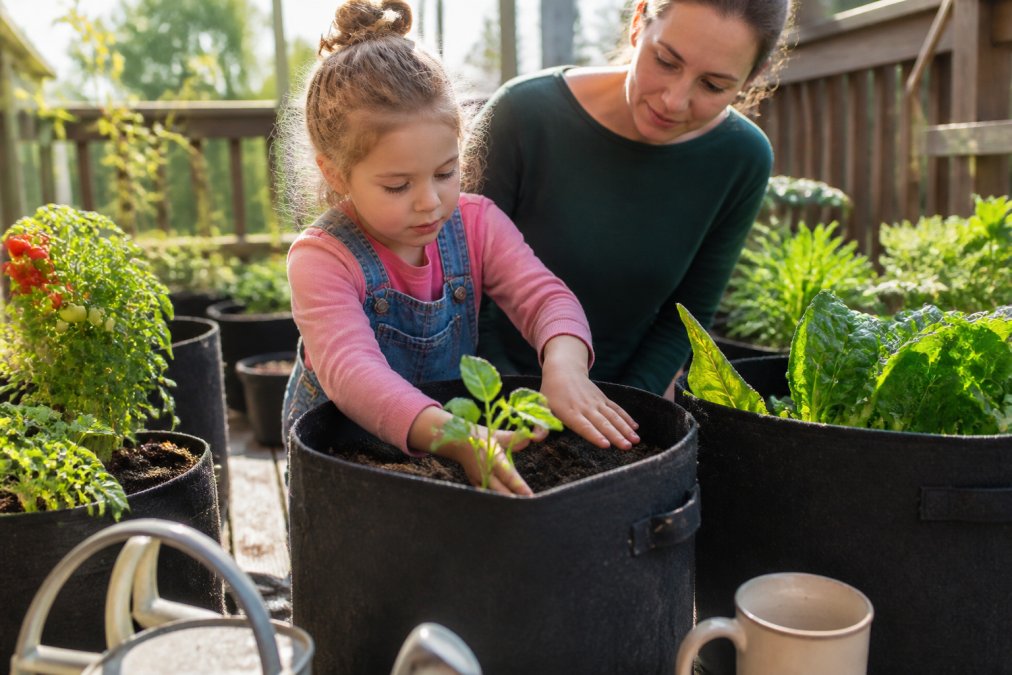
Pair these books with actual planting in a container, the easiest way to give a toddler a real garden without a yard. A five-gallon pot, potting soil, and a handful of bean seeds is enough. Let them drop the seeds in, water with a small can, and check for sprouts daily. The book becomes a script for what happens next.
Mississippi State University Extension recommends matching the plant to the child's patience level, and for toddlers that means fast sprouters like beans, radishes, and lettuce. A bean seed pushes through the soil in about a week, roughly the outer limit of a toddler's memory for "what we planted." Radishes are ready in under a month (Radishes).
Vegetable Gardening Books for Children: Growing Food Together
Vegetable gardening books for children shift from pure wonder to practical knowledge. Kids learn which vegetables grow in their season, how deep to plant seeds, and what "ready to harvest" looks like.
The best vegetable gardening books for children show the entire plant: roots, stems, leaves, flowers, and fruit. Kids need to understand that the carrot they eat is the root, the lettuce is the leaves, and the tomato is the fruit. That connection turns vegetables from mysterious grocery store items into something they grew themselves. Cultivating this botanical curiosity often leads parents to seek out further children's book recommendations to help their young gardeners explore the wider natural world.
Look for books that mention specific vegetables like tomatoes, peppers, beans, squash, and herbs, the easiest for kids to grow, especially in containers. Books that show the plant at different stages, seed, sprout, flowering, mature, help kids understand that gardening takes patience. There's no magic, just consistent care.
Children's Books About Plants: Seeds to Sprouts
Understanding how plants work transforms a child's relationship with gardening. Books on germination, growth, and life cycles give kids the science behind what they're doing in the pot or garden bed.
Seeds contain everything they need to start growing, and that's wild to a child. The root grows down, the shoot grows up, and leaves unfold to catch sunlight.
A few titles that explain this well at different ages:
- A Seed Is Sleepy by Dianna Hutts Aston uses poetic language and detailed illustrations to show seeds waiting, waking, and growing. Best for ages four to eight.
- From Seed to Plant by Gail Gibbons walks through the full life cycle with clear labeled diagrams. Best for ages five to nine.
- The Reason for a Flower by Ruth Heller covers pollination and seed formation with rhymes that stick in a child's head. Best for ages six to ten.
- Plant Secrets by Emily Goodman uses close-up photography to show seeds, flowers, leaves, and fruit side by side. Best for ages four to eight.
Books that explain pollination help kids understand why bees matter and why some flowers turn into vegetables.
The best books in this category include diagrams showing what's happening underground. Kids can't see roots growing, but a picture shows them what's happening in the soil while they wait for sprouts above ground.
Here's where the book turns into a real experiment. After reading about germination, run a seed sprout test in a clear plastic cup.
For pollination, a small paintbrush works as a stand-in for a bee. Have your child brush the inside of a tomato flower, then the next one.
Keep a simple observation chart next to the container. Three columns: date, what I see, what I think will happen next. That single page turns a stack of plant books into a running science journal.
Easy Vegetables to Grow With Kids: Container Gardening Success
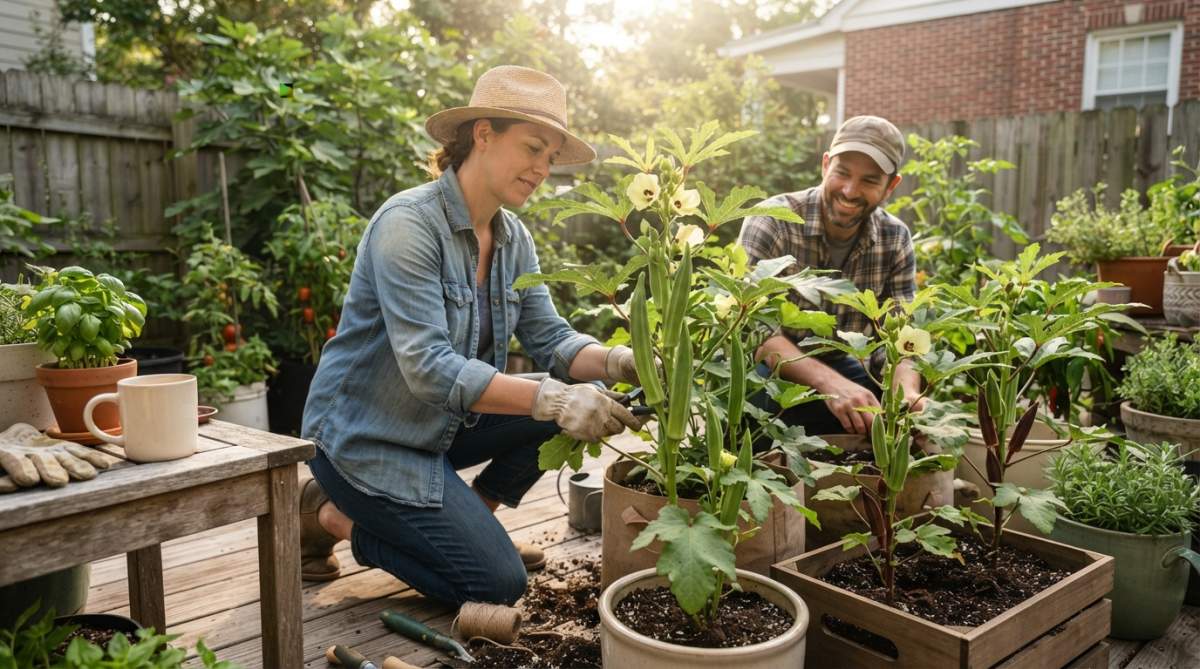
Container gardening is the secret weapon for families without space or with challenging soil. Kids can grow real vegetables in pots on a patio, balcony, or sunny windowsill, removing the biggest barrier to success: poor garden soil.
Southern Gardening All Year Long →
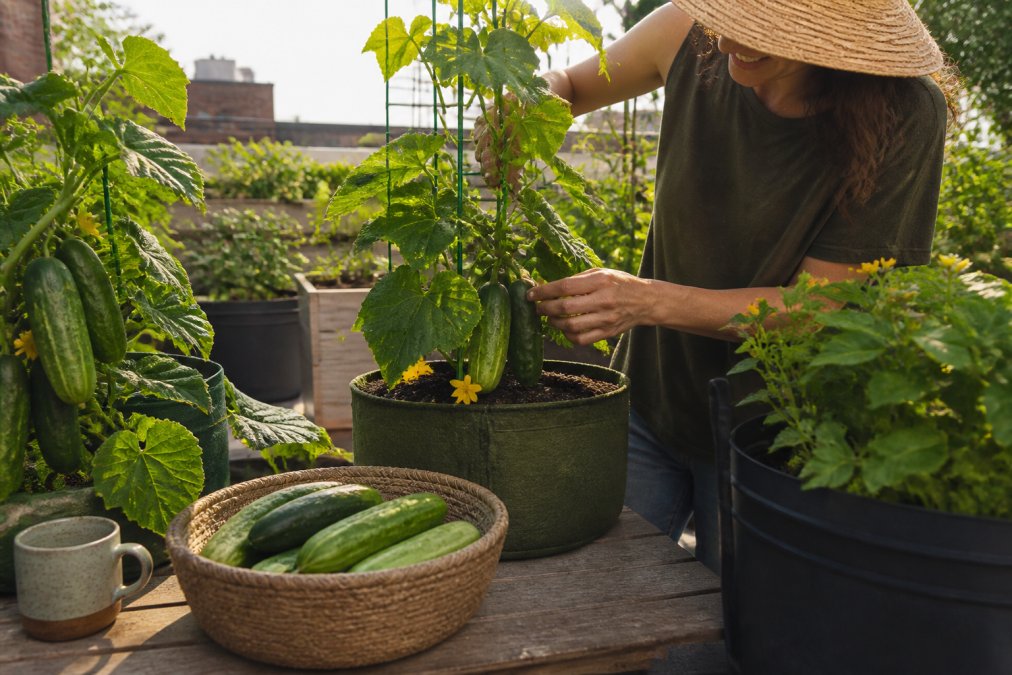
Tomatoes, peppers, beans, lettuce, herbs, and squash all thrive in containers. They grow fast enough to keep a child's attention, usually producing results within weeks, not months.
Container gardening teaches responsibility in a manageable way. A pot needs water more often than in-ground gardens, so kids learn to check soil moisture daily.
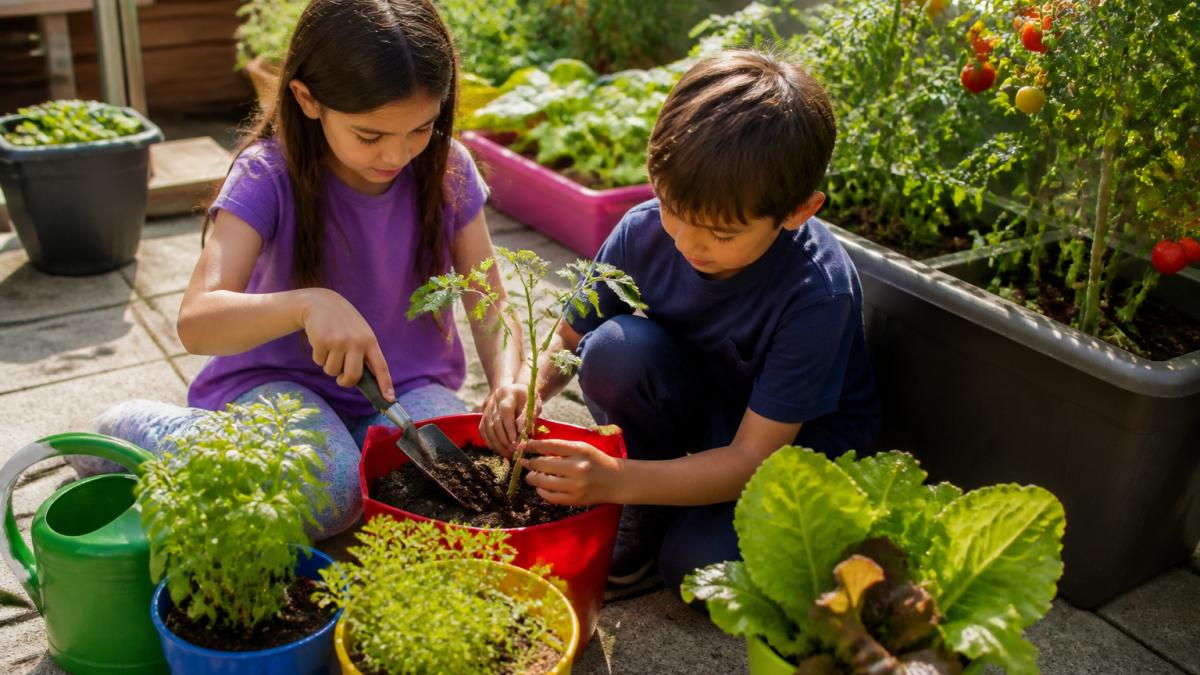
Start with large containers, at least five gallons for tomatoes and peppers, three gallons for lettuce and herbs. Use quality potting soil, not garden soil, and make sure containers have drainage holes.
Mississippi State University Extension recommends choosing vegetables that match your child's patience level. A five-year-old might prefer fast-growing lettuce. A ten-year-old can handle the longer timeline for peppers. Match the vegetable to the child, not the other way around.
Hands-On Activities: Pairing Books With Real Gardening
Reading about gardening and actually gardening are two different things. The magic happens when you do both.
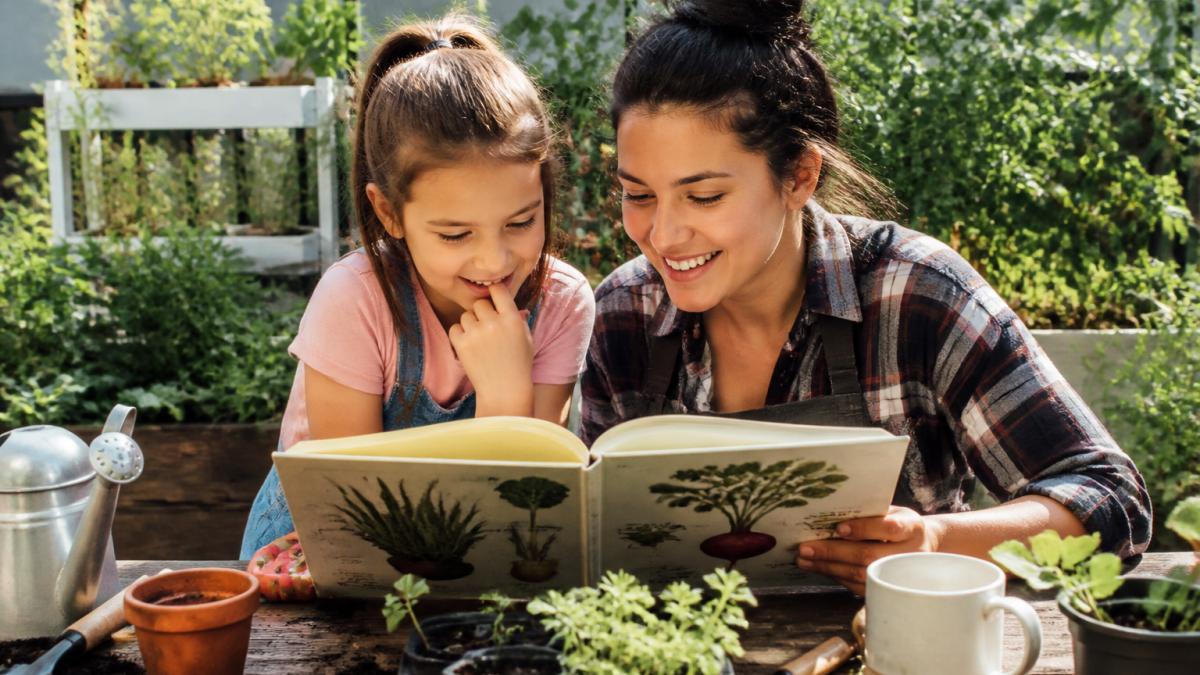
After reading a book about seeds, plant seeds. Let your child handle the packet, read the planting depth, and place seeds in soil. After reading about germination, check for sprouts together every morning. After learning about pollination, go outside with a small paintbrush and pollinate flowers by hand. These activities turn abstract concepts into concrete memories.
Keep a garden journal alongside the books. Your child can draw plants at different stages, write observations, and track growth, combining literacy with science.
Create a simple chart showing what each vegetable needs: sunlight, water, and time to harvest. Post it near the garden so your child can reference it. This teaches planning and responsibility, following a plan based on what they read.
Invite your child to taste what they grow. The connection between seed, plant, and food is complete when they eat a tomato they grew themselves. That experience is worth more than any book.
How to Choose the Right Gardening Book for Your Child
Age matters, but so does personality. An anxious child benefits from books that show plants at different stages and normalize imperfection. A confident child might want more challenging information about pests, diseases, or plant biology.
Consider whether your child prefers stories or facts. Some love narrative books about a character planting a garden; others want information presented clearly with illustrations and labels. There's no wrong preference, just different learning styles.
Look for sturdy binding if your child is young. Board books and hardcovers survive repeated readings and dirt-covered hands.
Check whether the book matches your growing season and climate. Since Heritage Cottage Seeds specializes in varieties that perform well in the Southeast, look for books that mention warm-season vegetables and heat tolerance.
Read reviews from other parents, but remember what works for one child might not work for another. Borrow books from your library before buying and let your child flip through to see what captures their attention.
| Selection Factor | What to Look For | Why It Matters |
|---|---|---|
| Age Appropriateness | Board books for toddlers, picture books for preschool, chapter books for elementary | Matches reading level and attention span |
| Content Focus | Seeds, vegetables, flowers, or life cycles | Aligns with your child's interests |
| Illustrations | Clear, detailed drawings showing plants at different stages | Helps visual learners understand concepts |
| Book Format | Sturdy binding, washable pages, appropriate size | Survives outdoor use and repeated handling |
| Growing Information | Includes planting depth, watering needs, harvest time | Practical details your child can actually use |
| Climate Relevance | Mentions warm-season crops and heat tolerance | Applies to your actual growing conditions |
Gardening with kids isn't about growing perfect vegetables. It's about growing curiosity, patience, and the confidence that comes from nurturing something from seed to harvest.
Start with one book that matches your child's age and interests. You'll be amazed at what happens when reading and real gardening combine. Heritage Cottage Seeds offers Southern Gardening All Year Long, a practical guide written in a conversational style that covers gardening across seasons.

Frequently Asked Questions
What are the best gardening books for kids who want to grow vegetables?
Look for books that pair simple vegetable gardening projects with clear illustrations and age-appropriate explanations of plant growth. Books focusing on seeds, germination, and harvesting work well for children aged 5 and up. Container gardening books are especially helpful since many kids find it easier to manage plants in pots rather than traditional garden beds. Mississippi State University Extension recommends pairing books with hands-on activities so children can immediately apply what they read.
Are there good gardening books for toddlers and preschoolers?
Yes. Picture books with bright illustrations and simple text work best for toddlers and preschoolers. Look for board books or board-book formats that feature flowers, seeds, and garden creatures. These books typically focus on observation and sensory experiences rather than complex gardening techniques. Preschoolers benefit from stories that show how seeds grow into plants and flowers attract butterflies, laying the foundation for later hands-on gardening.
How can I use gardening books to teach my children about plant life cycles?
Choose books that show the complete journey from seed to plant, including germination, root growth, leaf development, flowering, and harvesting. After reading, plant seeds together and track growth using the book as a reference. Many children's gardening books include diagrams of roots, stems, and leaves that you can point to as plants develop. This combination of reading and observation helps children understand that books explain real processes happening in their own garden.
What makes a gardening book good for beginners and inexperienced gardeners?
The best beginner books avoid overwhelming detail and focus on success. They include clear step-by-step instructions, realistic timelines, and honest information about what can go wrong. Books emphasizing container gardening or small-space growing work well for families starting out. Look for titles that celebrate small victories, even a single tomato plant or handful of herbs counts as success. Books with lots of photographs and illustrations also help visual learners understand concepts better than text alone.