 blog
blog
Is Organic Soil Worth It for Kids' Gardens?
Table of Contents
- Why Organic Soil Matters for Kids' Gardens
- Safety First: What Makes Organic Soil Safe for Children
- Organic vs. Conventional Soil: What's the Real Difference?
- Best Soil for Container Vegetable Gardening with Kids
- How to Improve Garden Soil Naturally Without Breaking the Bank
- The Real Cost: Is Organic Soil Worth Your Investment?
- Getting Started: Your First Kids' Garden with Organic Soil
- Frequently Asked Questions
Last Updated: September 25, 2026
Why Organic Soil Matters for Kids' Gardens
Is organic soil worth it for kids gardens? The short answer is yes, but not for the reasons you might think. It's not just about growing bigger tomatoes or prettier flowers. It's about creating a safe, living space where children can dig their hands into something real and watch plants actually grow.
Organic soil does one thing conventional soil doesn't: it builds soil health over time instead of depleting it. That matters when you're teaching a child that gardening is about growth, both for plants and for the person doing the planting.
Safety First: What Makes Organic Soil Safe for Children
Kids touch soil. They get it under their fingernails. Sometimes they taste it (we've all been there). So safety has to come first.
Organic soil is free from synthetic pesticides and chemical residues that conventional soils often contain. When you're buying soil labeled as organic, you're buying something that hasn't been treated with synthetic chemicals designed to kill insects or weeds. That's a real difference when your child's hands are going into it every day.
What to look for on the bag:
Search for an OMRI (Organic Materials Review Institute) certification seal. OMRI is an independent nonprofit that reviews products against organic standards. If you see that seal, the soil has been vetted against a rigorous standard. It's not a guarantee of perfection, but it's a meaningful checkpoint.
Read the ingredient list. Good organic potting mixes list their components: compost, coconut coir, perlite, bark, peat moss (or peat-free alternatives). If the label is vague or lists "proprietary blend," ask for specifics before buying.
The practical safety checklist:
- OMRI certification or equivalent third-party verification
- Supplier can provide a certificate of analysis (testing for heavy metals and pathogens)
- Ingredient list is transparent and specific
- No synthetic fertilizers or chemical additives listed
- Sourced from a reputable supplier with a track record
Mississippi State University Extension recommends starting with certified organic potting mixes from established suppliers. These meet standards that ensure they're screened for harmful contaminants. Your child's garden should be a place where you're not worried about what they're touching, and now you have the tools to verify that before you buy.
Organic vs. Conventional Soil: What's the Real Difference?
Here's where most people get confused. Conventional soil isn't necessarily "bad", it's just different. Conventional soil often contains synthetic fertilizers designed to give plants quick nutrition. It works. Plants grow. But the soil itself doesn't improve over time.
Organic soil is alive. It contains beneficial microbes, fungi, and organisms that break down organic matter and feed plants naturally. This microbial activity is what makes organic soil special. Over seasons, organic soil actually gets better. It holds more moisture, drains better, and becomes richer in nutrients.
When considering is organic soil worth it for kids gardens, this matters because:
- Organic soil supports root development better as it improves season after season
- It holds moisture longer, so you don't have to water as often (less work for kids)
- It builds soil structure, making it easier for small hands to dig and plant
- The living ecosystem in organic soil is something kids can actually observe and learn from
Conventional soil works fine for one season. Organic soil works better long-term, especially when you're building a garden space that will grow with your child.
Best Soil for Container Vegetable Gardening with Kids
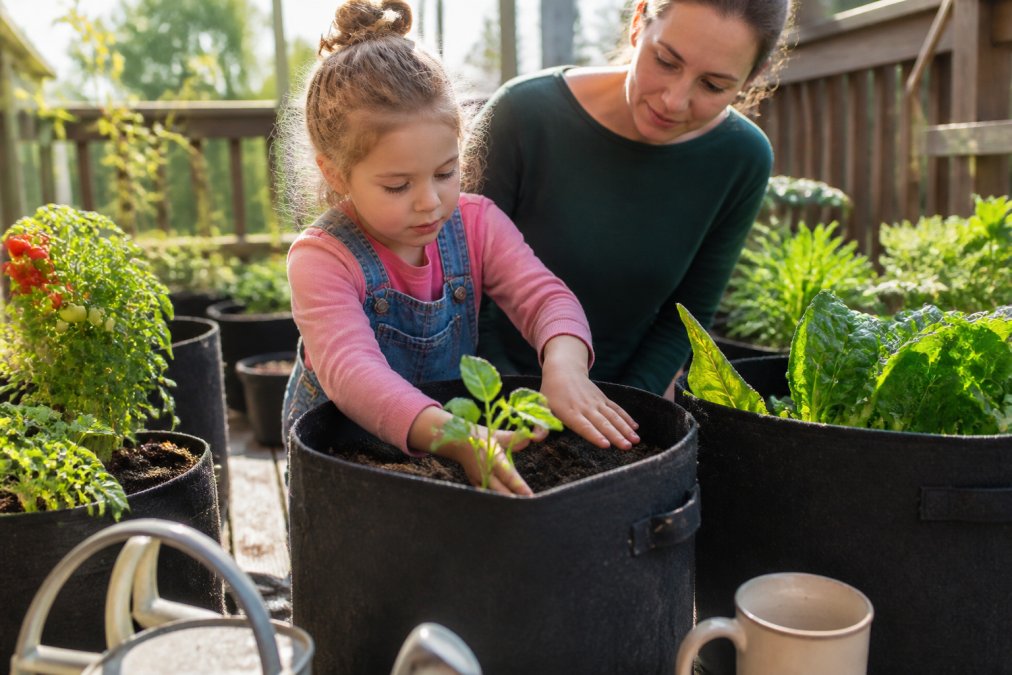
Container gardening is where organic soil really shines for kids. Containers are small, manageable, and perfect for teaching. You can fill a 5-gallon bucket with organic potting mix and grow peppers, tomatoes, or beans. Kids can handle it. They can water it. They can harvest from it.
The best approach: use a peat-free organic potting mix. These mixes typically use coconut coir, compost, and other organic materials. They drain well, hold moisture appropriately, and support healthy root growth.
For vegetable containers, look for mixes that include:
- Compost for nutrient content
- Aeration materials like perlite or bark (helps roots breathe)
- Organic matter for moisture retention
- No synthetic fertilizers or chemical additives
A simple container setup: fill a 12-inch pot with organic potting mix, add a seedling from Heritage Cottage Seeds (or start from seed), water regularly, and watch it grow. Kids see results in weeks, not months. That's the magic of container gardening.
Mississippi State University Extension recommends containers at least 5 gallons for most vegetables, filled with quality organic potting soil. Smaller containers dry out too fast for reliable growing.
How to Improve Garden Soil Naturally Without Breaking the Bank
You don't need to buy all new soil every season. You can build your own organic mix or improve what you have by adding organic matter. This is where budget-conscious gardeners, and parents, win.
The DIY organic container mix recipe:
Southern Gardening All Year Long →
If you're filling containers for vegetable gardening with kids, you can make a simple, effective organic potting mix at home. Here's what works:
- 40% finished compost (homemade or sourced locally)
- 40% coconut coir or aged bark fines (for aeration and moisture retention)
- 20% perlite or coarse sand (for drainage)
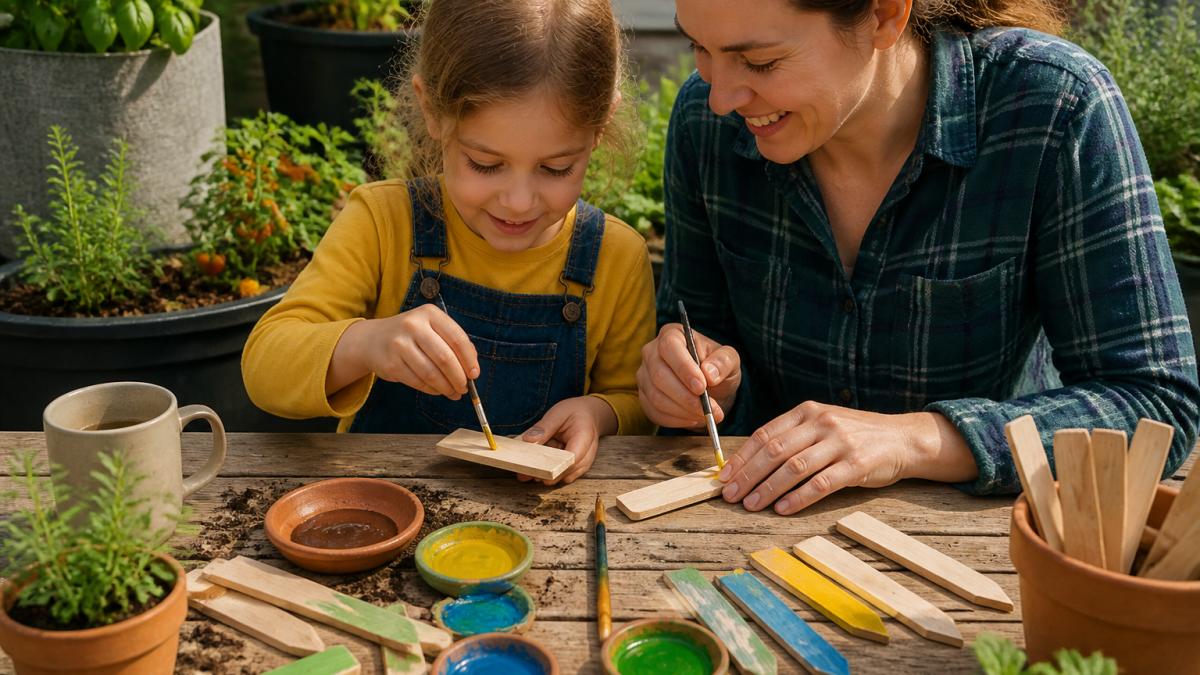
Mix these three components in a large bin or wheelbarrow. Fill your containers. Water it in. It's ready to plant. This mix drains well, holds moisture appropriately, and supports healthy root growth for tomatoes, peppers, beans, and leafy greens. Kids can help mix it, it's tactile and they see exactly what goes into their garden. Adding custom garden signage helps young gardeners identify their specific crops while they learn to manage the soil environment.
Why this works: The compost provides nutrients and beneficial microbes. The coir or bark gives structure and holds water without compacting. The perlite prevents waterlogging. You're not guessing; you're building a balanced growing medium.
If you don't have compost yet, start one now:
Kitchen scraps (vegetable peels, coffee grounds, eggshells), yard waste, and leaves break down into dark, rich compost in 3-6 months in a simple bin or pile. Kids can help add scraps and watch decomposition happen, it's a lesson in cycles and patience.
For existing garden beds (no containers):
Add a 2-3 inch layer of compost to the top of your garden bed each season. Work it in gently. Over time, your soil transforms. Earthworms move in. Microbes multiply. Your soil becomes alive. You're not replacing soil; you're improving it.
Other budget-friendly additions:
- Shredded leaves (free in fall, add organic matter and nitrogen as they break down)
- Grass clippings (from untreated lawns only, adds organic matter)
- Kitchen scraps buried directly in garden beds (they decompose and feed soil)
- Aged manure (if you can source it locally from farms or stables, it's excellent)
Mississippi State University Extension notes that building soil health gradually through compost and organic amendments. The key is patience. You're not trying to fix everything in one season. You're building soil health incrementally. Kids actually learn something valuable here: good things take time, and small, consistent improvements add up to real results.
The Real Cost: Is Organic Soil Worth Your Investment?
For garden beds, amending existing soil with compost is a great path forward. You're not replacing soil, you're improving it. This approach works beautifully for kids' gardens because it teaches them that small, consistent improvements add up.
The real value: knowing your child is gardening in safe, chemical-free soil. Peace of mind matters.
Getting Started: Your First Kids' Garden with Organic Soil
Start small. A single container, a small raised bed, or a corner of an existing garden. Don't overcomplicate it.
Here's the simplest approach:
- Pick a spot with at least 6 hours of sunlight
- Fill a container or bed with organic potting mix or garden soil
- Plant seeds or seedlings (Heritage Cottage Seeds offers varieties perfect for kids)
- Water regularly
- Watch it grow
The first season is about learning. Your child learns what plants need. They learn that soil is alive. They see cause and effect. That's the whole point.
For vegetable varieties that work great with kids, consider tomatoes, peppers, or beans. These grow quickly, produce visible results, and taste good fresh off the plant. Heritage Cottage Seeds specializes in unique varieties that aren't available at big-box stores, heirloom tomatoes and specialty peppers that kids find exciting to grow.
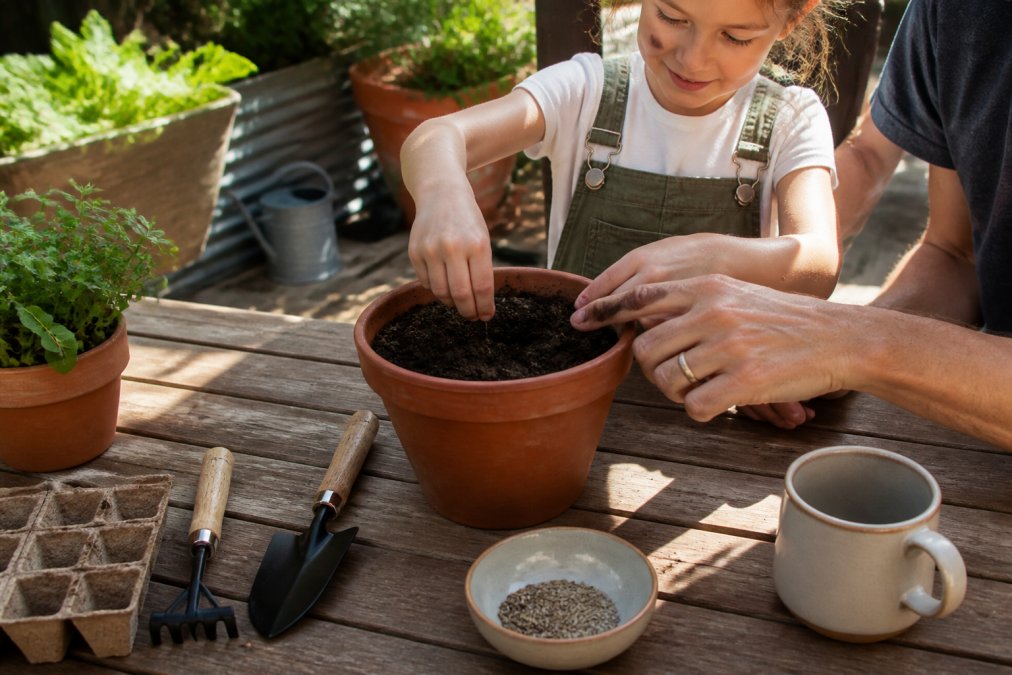
Mississippi State University Extension recommends starting with one or two vegetables per child, using containers filled with quality organic soil. This keeps the project manageable and success likely.
Is organic soil worth it for kids' gardens? Yes. It's safer, it builds over time, and it teaches children something real about how plants grow. Start with a single container of organic potting mix, add a seed or seedling from Heritage Cottage Seeds, and watch your child discover that gardening isn't complicated, it's just soil, water, sunlight, and patience.
Frequently Asked Questions
Is organic soil really safer for children than regular potting mix?
Yes. Organic soil avoids synthetic chemicals and pesticides that can harm children who touch, dig, and sometimes taste the soil while gardening. Non-organic mixes may contain residual synthetic fertilizers or fungicides that pose unnecessary risks in spaces where children play and learn.
Can I make my own organic soil mix to save money for container gardening?
Absolutely. A simple DIY organic mix combines compost, peat-free coconut coir, and perlite in equal parts. This approach builds soil structure and aeration for vegetables grown in containers. Mississippi State University Extension recommends adding well-aged compost from your own yard or a trusted local source to boost soil fertility and microbial activity naturally.
How does organic soil help vegetables grow better in kids' gardens?
Organic matter improves soil texture, drainage, and nutrient-holding capacity, all critical for healthy root development. It also supports beneficial microbial activity that makes nutrients available to plants. Children see faster, more visible growth in organic soil, which keeps them engaged and excited about gardening. This hands-on success builds confidence and teaches them about sustainable gardening practices.
What's the easiest way to improve existing garden soil naturally for kids?
Add 2-3 inches of compost to the top of your soil each spring and work it in gently. Compost enriches soil structure, increases moisture retention, and feeds plants without synthetic chemicals. This method is kid-friendly, children can help spread and mix the compost, and it's a great way to build a healthy garden foundation year after year.