 listicle
Best Gear for Urban Vegetable Gardening: 2026 Guide
Table of Contents
- Best Containers for Balcony Vegetable Gardening
- How to Start Seeds Indoors in 2026
- Essential Gear for Urban Vegetable Gardening
- Frequently Asked Questions
Last Updated: September 16, 2026
Best Containers for Balcony Vegetable Gardening
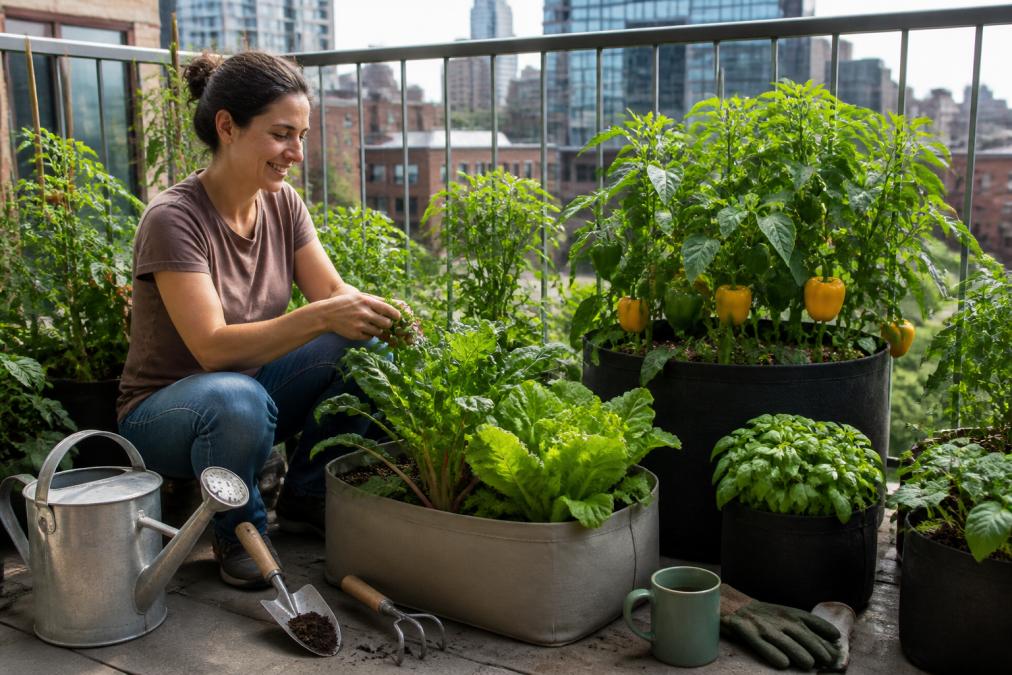
The best containers for balcony vegetable gardening are food-safe pots at least 10 to 12 inches deep with drainage holes, matched to the crop's root depth, herbs and leafy greens handle 8-inch pots, while tomatoes and peppers need 12 inches or more. Dark plastic pots bake roots on a south-facing balcony, so shade the pot or pick a lighter color, and never skip drainage.
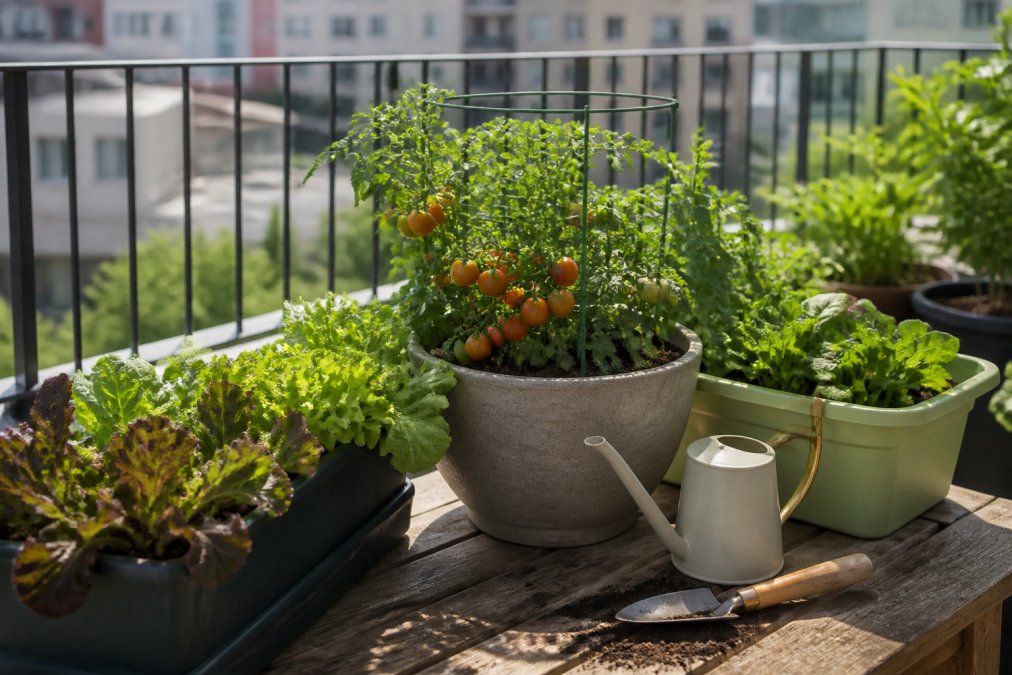
Pair the right container with the right variety and you're most of the way there. Heritage Cottage Seeds carries micro-dwarf tomatoes built for this setup, including Hahm's Gelbe and Tiny Tim, both under about a foot tall and still producing real harvests.

How to Start Seeds Indoors in 2026
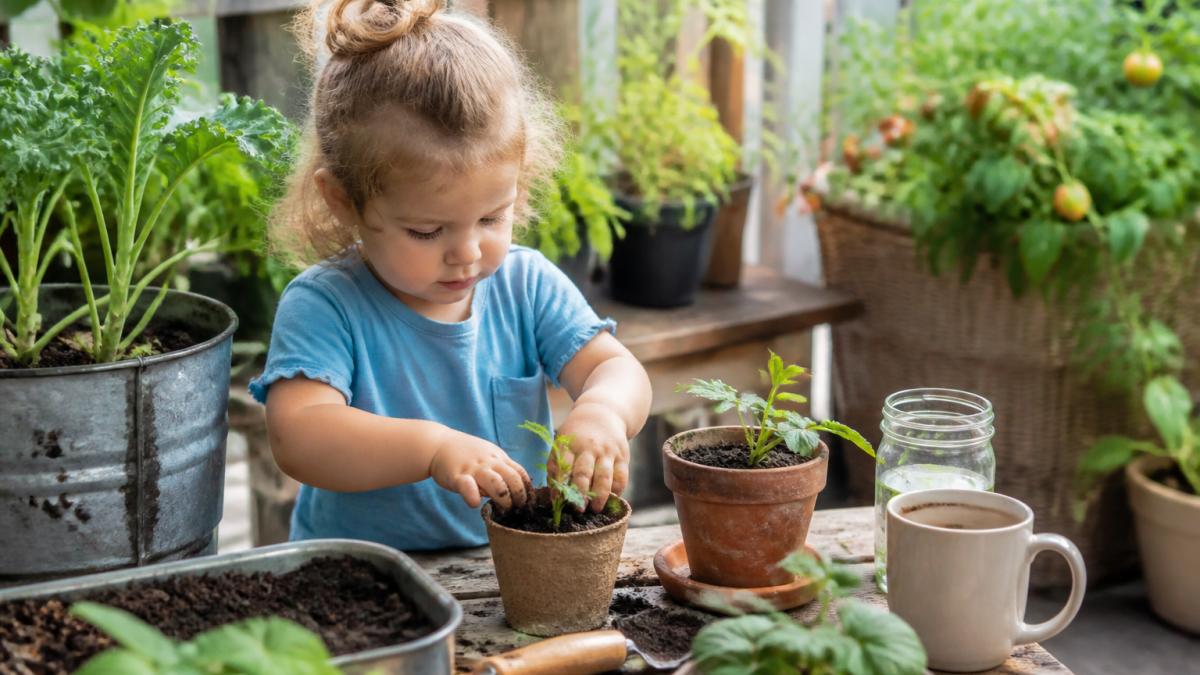
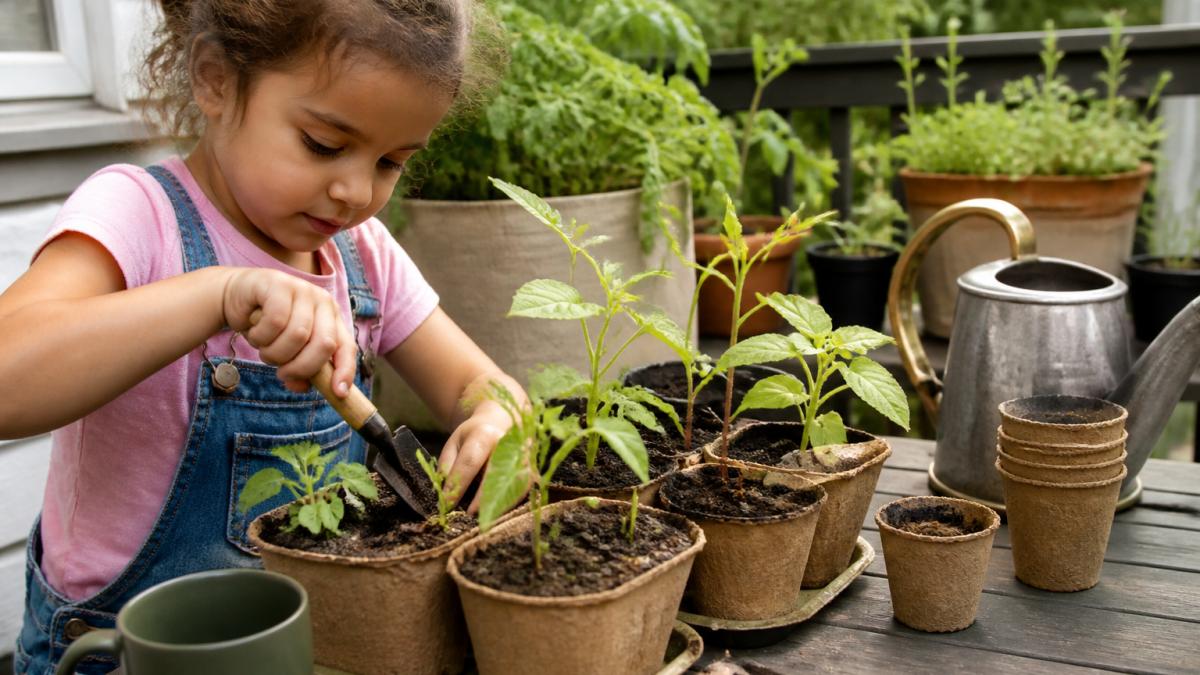
Start seeds indoors 6 to 8 weeks before your last expected frost, using a sterile seed-starting mix in shallow trays with drainage, keeping soil around 70°F and giving seedlings 12 to 16 hours of light daily. Fill trays with moistened mix, sow seeds two to three times their diameter deep, water from the bottom to avoid damping off, and harden off over 7 to 10 days before transplanting.
Mississippi State University Extension publishes detailed guidance on starting vegetable transplants indoors, and their timing charts are worth bookmarking for Southern growers.
Essential Gear for Urban Vegetable Gardening
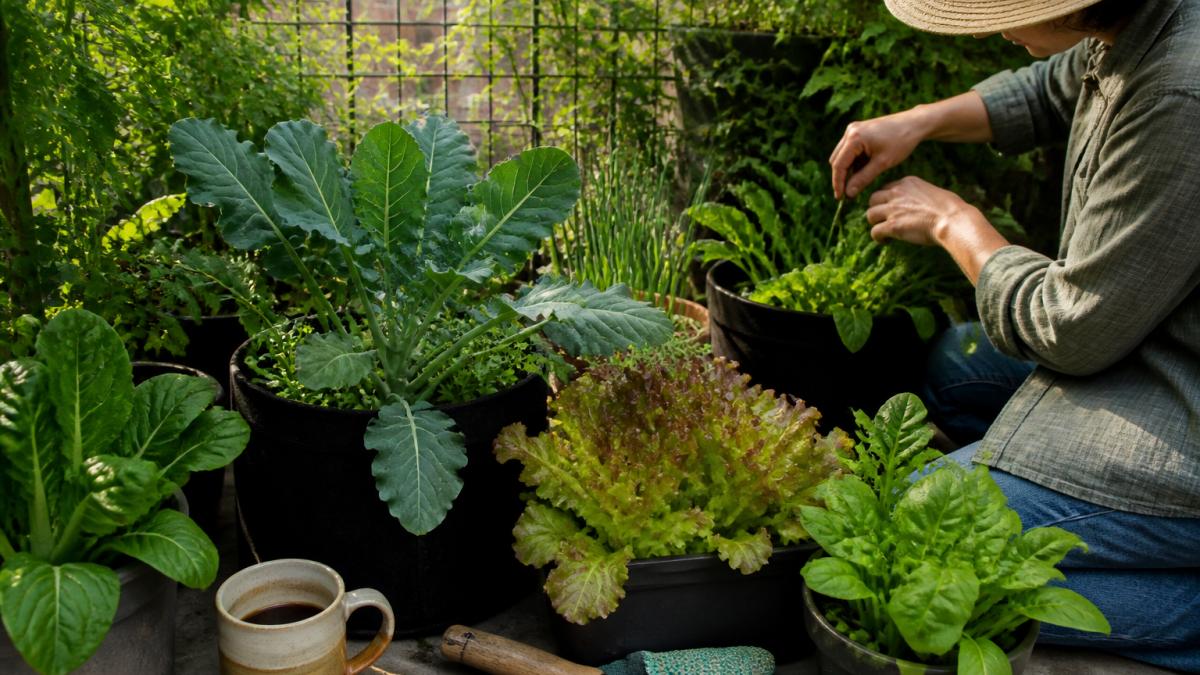
The essential gear for urban vegetable gardening comes down to a short list: containers with drainage, quality potting mix, a hand trowel, pruning shears, a watering can or drip setup, organic fertilizer, and trellis netting for vertical crops. Buy these well and skip the rest.
| Container Type | Best For | Drainage | Watering Frequency |
|---|---|---|---|
| Fabric grow bags | Tomatoes, peppers | Excellent | Daily in summer |
| Self-watering planters | Leafy greens, herbs | Built-in reservoir | Every 3-5 days |
| Standard plastic pots | Micro-dwarf tomatoes | Depends on holes | Daily in heat |
For Southern growers juggling heat and humidity, Southern Gardening All Year Long by Gary R. Bachman walks through month-by-month planting for the region. The Mississippi State University Extension service also offers free regional planting calendars and container-gardening fact sheets.

Frequently Asked Questions
What are the essential tools for a beginner container vegetable garden?
A hand trowel, pruning shears, a watering can with a narrow spout, and quality potting mix get you started. Add fabric grow bags or self-watering planters for better moisture control. For seeds, micro-dwarf tomato varieties like Orange Hat or Tiny Tim stay under 12 inches tall and need minimal staking, making them ideal for beginners with limited space. Start with fewer tools and add as your garden grows.
How do I choose the right size containers for urban vegetable gardening?
Match container size to the plant's root system. Leafy greens and herbs grow well in 6-8 inch deep pots. Micro-dwarf tomatoes need at least 8-10 inches of depth and width. Larger varieties like Heritage Cottage Orange, which reaches 3-4 feet tall, need 5-gallon containers or bigger. Always check for drainage holes. Fabric grow bags and self-watering planters both work well on balconies where space is tight.
What is the best soil mix for container-grown vegetables?
Use a potting mix designed for containers, not garden soil. Look for a blend of peat moss or coco coir, perlite, and compost. This combination holds moisture while letting excess water drain, which prevents root rot in containers. Add a slow-release organic fertilizer at planting time. Mississippi State University Extension recommends amending potting mix with compost for nutrient density, especially for heavy feeders like tomatoes and peppers.
Balcony gardening rewards a little planning and punishes guesswork. Start with the right containers, get your seedlings off to a strong start indoors, and keep the gear list short and good. Heritage Cottage Seeds offers rare and unusual vegetable varieties, including micro-dwarf tomatoes bred for containers, along with ground pepper selections and urban farm gear. Search Heritage Cottage Seeds to find varieties suited to your space and climate.