 listicle
Best Heirloom Pepper Seeds for Hot Sauce
Table of Contents
- Top Heirloom Pepper Varieties for Hot Sauce
- Understanding Heat Levels and Scoville Units
- How to Start Pepper Seeds Indoors
- Growing Peppers in Containers for Maximum Yield
- When to Harvest Peppers for Hot Sauce
- Processing Your Peppers: Fermentation and Fresh Sauce
- Flavor Profiles and Pairing Guide for Hot Sauce
- Seed Saving and Preserving Heirloom Genetics
- Frequently Asked Questions
Last Updated: September 19, 2026
Best Heirloom Pepper Seeds for Making Hot Sauce
Growing your own hot sauce peppers is one of the most rewarding projects you can tackle in a home garden. Choosing the right heirloom pepper seeds hot sauce varieties is where everything starts, seeds that deliver real flavor, reliable germination, and heat levels that actually matter for sauce-making.
The difference between random pepper seeds and heirloom pepper seeds hot sauce varieties bred specifically for sauce-making is night and day. Some deliver pure heat; others offer complexity and fruitiness that makes people ask what's in your sauce. This guide covers the best heirloom pepper seeds for hot sauce, how to grow them, and how to process your harvest into something exceptional.
Top Heirloom Pepper Varieties for Hot Sauce
When choosing peppers for sauce, you're deciding how much heat you want and what flavor profile you're building. The varieties below represent the sweet spot for home sauce makers.
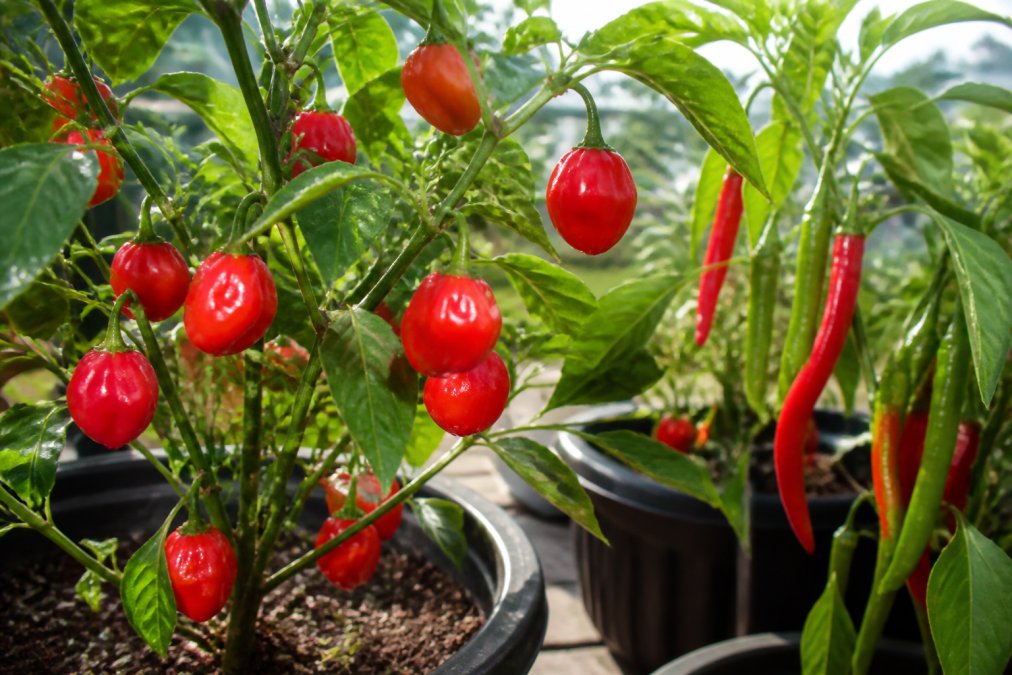
Red Habanero: Maximum Heat and Fruity Depth
Red Habanero delivers serious heat (100,000 to 350,000 SHU) with fruity, tropical notes underneath. That citrusy undertone makes habanero-based sauces memorable instead of just painful.
The plants thrive in containers or garden beds with heavy yields. Use them fresh for bright heat, fermented for depth, or dried for powder in Caribbean and Mexican-style sauces.
Handle with gloves and work in a well-ventilated space, the capsaicin lingers. But if you want a sauce that commands respect, this is your starting point.
Mississippi State University Extension guide on growing hot peppers recommends starting Red Habaneros indoors 8-10 weeks before your last frost date for best results in warmer climates.
Tabasco: The Classic Sauce Pepper
Tabasco peppers are the gold standard. These small chilies (30,000 to 50,000 SHU) deliver tangy, complex flavor with heat that builds rather than hits all at once.
What makes Tabasco special is the balance: real spice without overwhelming intensity, and a flavor profile that works across cuisines. Fresh sauce is bright; fermented develops deeper notes.
The plants are compact and productive in containers, ideal for limited space. If you're building your first hot sauce, Tabasco removes the guesswork.
Calabrian: Italian Heat with Smoky Sweetness
Calabrian peppers, native to Southern Italy, deliver medium-hot intensity (25,000 to 40,000 SHU) with smoky, rich flavor distinctly different from Caribbean or Asian varieties.
Calabrians excel at drying into flakes, fermenting for depth, or making chili paste. The flavor works beautifully in pasta sauces and infused oils. For sophistication rather than just burn, these are your foundation.
Plants are productive and vigorous, handling both containers and garden beds well. Heritage Cottage Seeds' Calabrian Pepper Seeds are sourced specifically for their flavor consistency and germination reliability.
McDonald's Thai: Bright, Clean Heat for Asian Sauces
McDonald's Thai peppers deliver sharp heat (50,000 to 90,000 SHU) and bright, slightly fruity flavor. These are ideal for authentic Thai-style sauces and Southeast Asian dishes where heat shouldn't muddy other flavors.

The plants are compact and heavily productive, ideal for fresh use, drying into flakes, or sauces where other ingredients shine through.
Aleppo: Mild Fruitiness for Layered Flavor
Aleppo peppers deliver gentle warmth (5,000 to 10,000 SHU) with rich fruitiness and smoky undertones. They're traditionally sun-dried and crushed into flakes for Mediterranean and Turkish cuisine.
Aleppo's real value is building complexity in layered sauces. Blend with hotter varieties for depth without overwhelming heat. Plants are productive and adaptable in containers or garden beds.
| Variety | Heat Level (SHU) | Best Use | Flavor Profile |
|---|---|---|---|
| Red Habanero | 100,000-350,000 | Pure heat sauces, Caribbean dishes | Fruity, citrusy, intense |
| Tabasco | 30,000-50,000 | Classic hot sauce, fermented | Tangy, balanced, complex |
| Calabrian | 25,000-40,000 | Italian sauces, chili paste | Smoky, rich, sweet |
| McDonald's Thai | 50,000-90,000 | Asian sauces, stir-fries | Clean, bright, fruity |
| Aleppo | 5,000-10,000 | Layered sauces, blending | Fruity, smoky, mild |
Understanding Heat Levels and Scoville Units
The Scoville Heat Unit (SHU) scale measures pepper pungency based on capsaicin concentration, helping you plan your sauce before planting.
Jalapeños (2,500-8,000 SHU) feel like warm spice. Habaneros (100,000+ SHU) deliver serious lingering heat. Superhots (500,000+ SHU) aren't practical for traditional sauce-making.
The Scoville scale matters, but it's not the whole story. A 50,000 SHU Tabasco tastes completely different from a 50,000 SHU Thai pepper. Flavor, acidity, and fruitiness matter equally.
How to Start Pepper Seeds Indoors
Getting pepper seeds to germinate reliably is the foundation of everything that follows. Unlike some seeds that are forgiving, pepper seeds need consistent warmth and moisture to wake up.
Start seeds indoors 8-10 weeks before your last spring frost in light, well-draining seed-starting mix. Plant seeds a quarter-inch deep and keep at 70-85°F. A seedling heat mat makes a real difference.
Germination takes 7-14 days. Keep soil moist but not soggy. Once seedlings emerge, move to bright light immediately, a south-facing window or grow lights just inches above. Without sufficient light, seedlings get leggy.
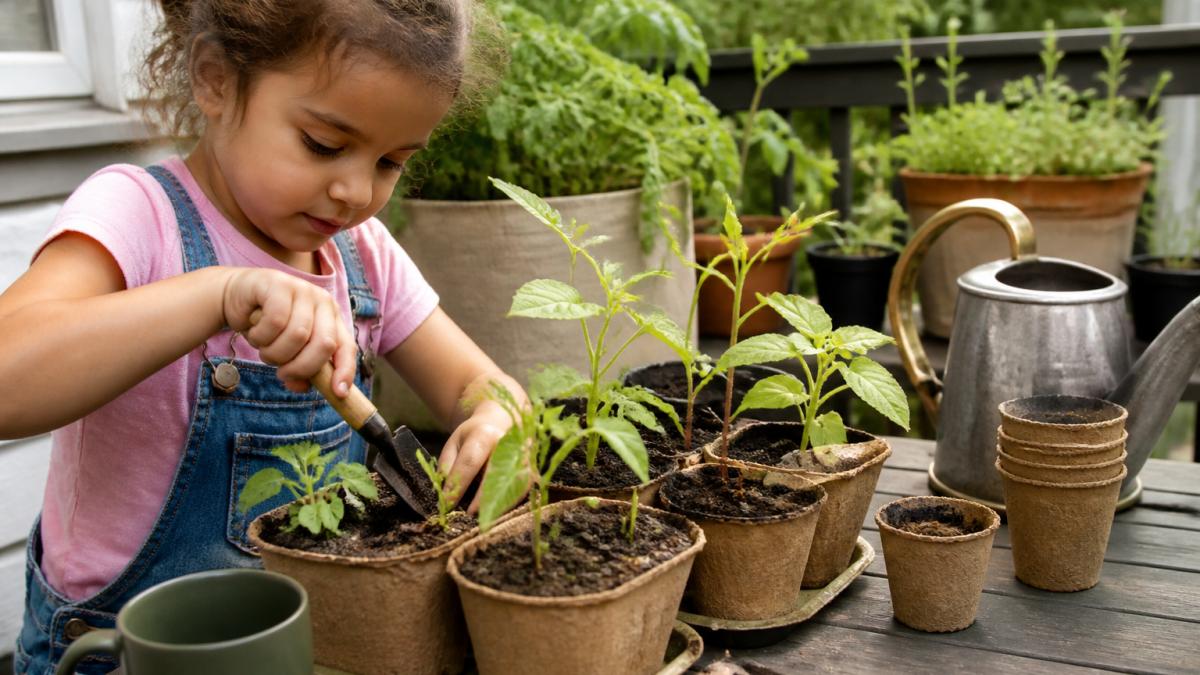
When seedlings develop their first true leaves, transplant into individual containers. Two weeks before moving outside, begin hardening off by gradually exposing plants to wind, sun, and temperature fluctuations.
Mississippi State University Extension recommends a diluted balanced fertilizer every two weeks once seedlings are established, supporting healthy growth without excessive leafiness.
Growing Peppers in Containers for Maximum Yield
Containers often outperform in-ground gardens for heirloom peppers. You control soil quality, drainage, and warmth more easily than in garden beds.
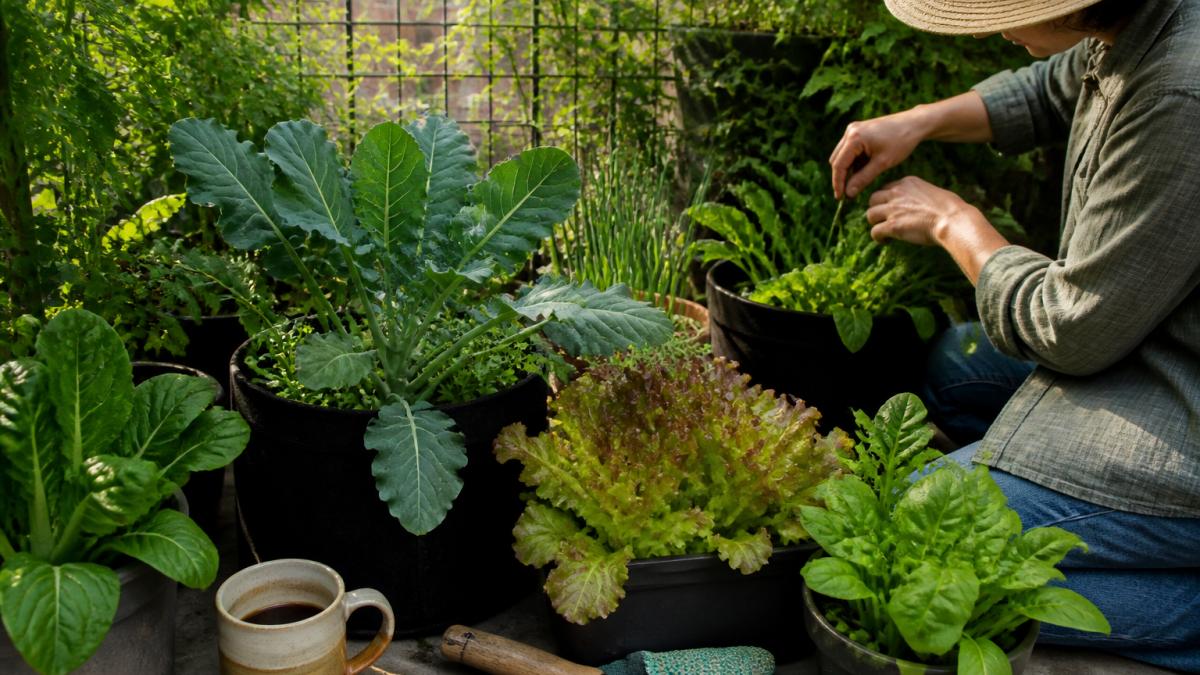
Use 5-gallon containers (larger is better) filled with quality potting soil mixed with compost. Peppers need full sun (6-8 hours daily) and consistent warmth. Containers warm faster than ground soil, extending your season.
Water consistently for steady, even moisture, not drought stress or waterlogging. In hot weather, check soil an inch down daily; water if dry.
Feed every two to three weeks once flowering starts. Peppers respond well to slightly higher phosphorus ratios. Container plants need more feeding than in-ground plants due to nutrient leaching.
Containers offer flexibility: move plants to shelter during cold snaps or to sunnier ground if needed. This adaptability is especially valuable in the Southeast, where temperatures fluctuate.
When to Harvest Peppers for Hot Sauce
Timing your harvest changes everything about the final sauce. This is where most home gardeners miss an opportunity.
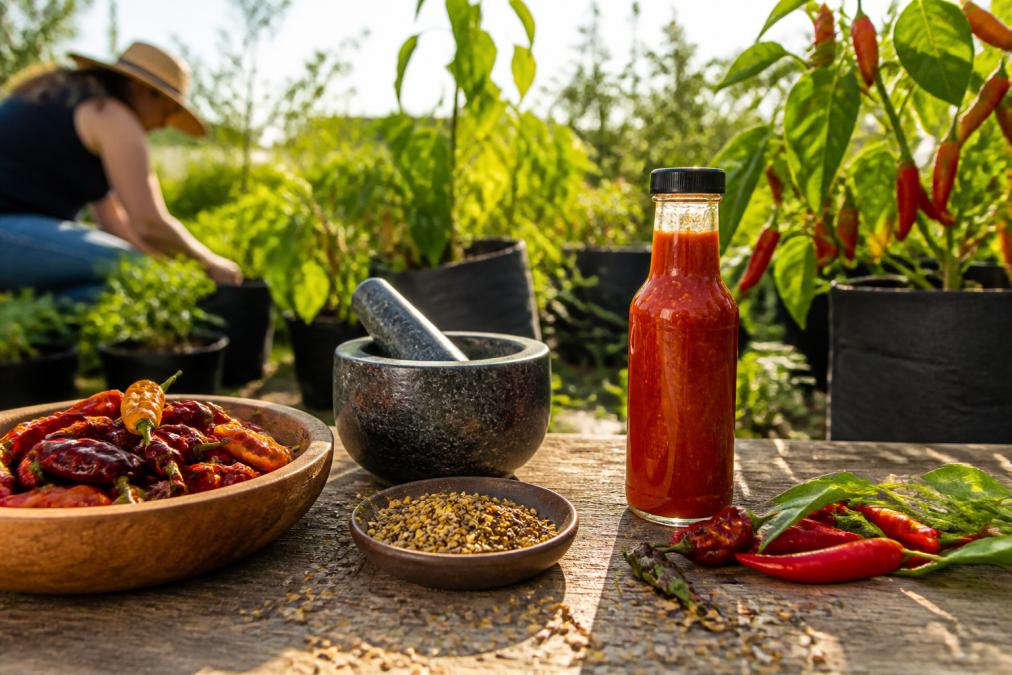
Harvest peppers green or fully ripe red. Green peppers deliver fresh, bright heat; ripe red peppers are sweeter, more complex, and higher in capsaicin. For hot sauce, ripe red peppers ferment more predictably and develop deeper flavors.
Let peppers fully ripen on the plant when possible (30-60 days from flowering).
Processing Your Peppers: Fermentation and Fresh Sauce
How you process your peppers determines the final sauce more than anything else. Fermentation and fresh approaches produce completely different results.
Flavor Profiles and Pairing Guide for Hot Sauce
Understanding what each pepper brings to the table helps you build sauces that work, not just sauces that are hot.
Seed Saving and Preserving Heirloom Genetics
One of the most rewarding parts of growing heirloom peppers is saving seeds for next year. Heirloom varieties are open-pollinated, which means they breed true. Seeds you save will grow plants identical to the parent. Maintaining this genetic consistency is a practice that extends naturally to the garden bed, where cultivating heirloom garlic varieties provides a similar opportunity to preserve distinct flavors and reliable harvests season after season.
Frequently Asked Questions
What are the best heirloom pepper seeds for making hot sauce?
Red Habanero, Tabasco, Calabrian, and McDonald's Thai are top choices for hot sauce. Red Habanero delivers 100,000-350,000 SHU with fruity, tropical notes. Tabasco offers 30,000-50,000 SHU and classic tangy heat. Calabrian brings 25,000-40,000 SHU with smoky sweetness. McDonald's Thai provides 50,000-90,000 SHU with clean, fruity flavor. Choose based on your desired heat level and sauce style, fermented, fresh, or dried.
How do I start heirloom pepper seeds indoors?
Start seeds indoors in seed-starting mix in trays, keep soil moist but not waterlogged. Transplant seedlings to larger pots once they develop true leaves. Harden off plants over 7-10 days before moving outdoors. Mississippi State University Extension recommends starting indoors to give peppers a head start in shorter growing seasons.
Can I grow heirloom peppers in containers?
Yes, heirloom peppers thrive in containers. Use 5-gallon pots or larger with well-draining soil. Place in full sun (6-8 hours daily) and water consistently, soil should stay moist, not soggy. Container-grown peppers often produce excellent yields and are ideal for patios, balconies, and small spaces. Containers also let you move plants if weather turns harsh.
When should I harvest peppers for hot sauce?
Harvest when peppers reach full color, usually red, yellow, or deep green depending on variety. Most peppers develop maximum capsaicin and flavor at full maturity. For fermented sauce, pick fully ripe peppers; for fresh sauce, harvest at any stage. Check individual varieties: Red Habanero ripens to glossy deep red, Tabasco turns bright red, and Calabrian matures to deep red. Harvesting regularly encourages more fruit production throughout the season.
Do heirloom peppers produce better flavor for hot sauce than hybrids?
Heirloom peppers often deliver more complex, layered flavors because they're grown for taste rather than shipping durability. Varieties like Calabrian, Aleppo, and Red Habanero have distinct flavor profiles developed over generations. Hybrids may prioritize yield or uniformity over flavor depth. For hot sauce, heirlooms give you richer, more memorable taste, though growing conditions and processing method also heavily influence final sauce quality.