 listicle
Best Heirloom Tomato Varieties for Flavor
Table of Contents
- Best Heirloom Tomato Varieties for Flavor Profiles
- Best Heirloom Tomatoes for Containers
- When to Harvest Heirloom Tomatoes for Best Flavor
- How to Save Tomato Seeds Properly
- Frequently Asked Questions
Last Updated: September 3, 2026
Best Heirloom Tomato Varieties for Flavor Profiles
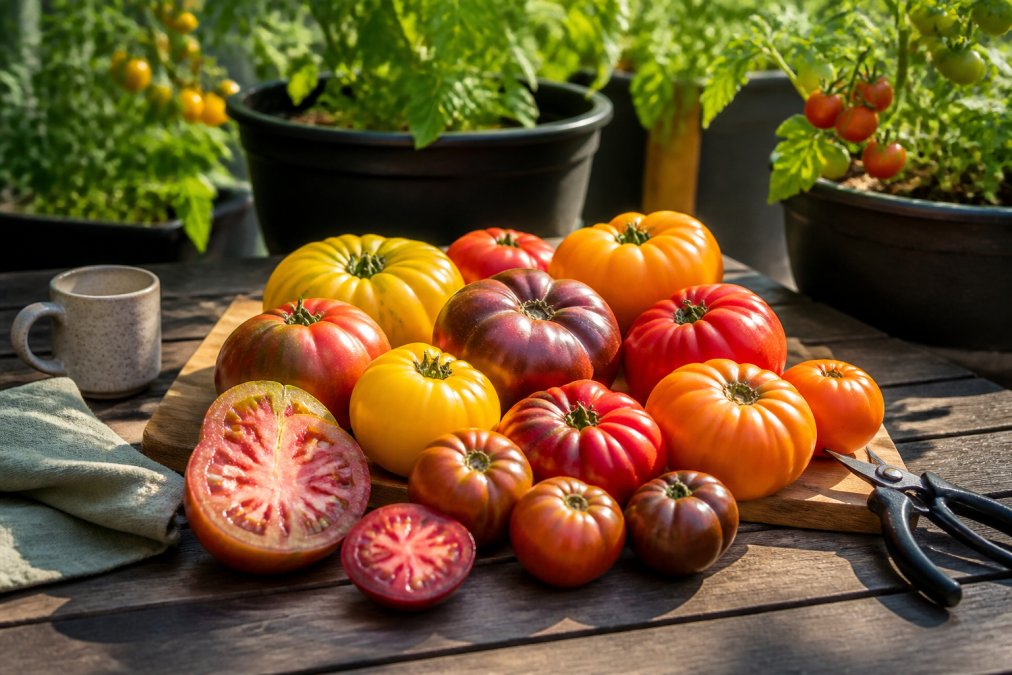
Choosing heirloom tomatoes comes down to three flavor elements: sugar content (brix level), acidity, and umami, that savory depth that makes a tomato taste like a tomato. Purple-black varieties like Cherokee Purple bring smoky sweetness. Dark mahogany types like Black Ethiopian deliver complex, tangy depth. Red slicers offer classic brightness. Yellow-white varieties tend toward mild and fruity.

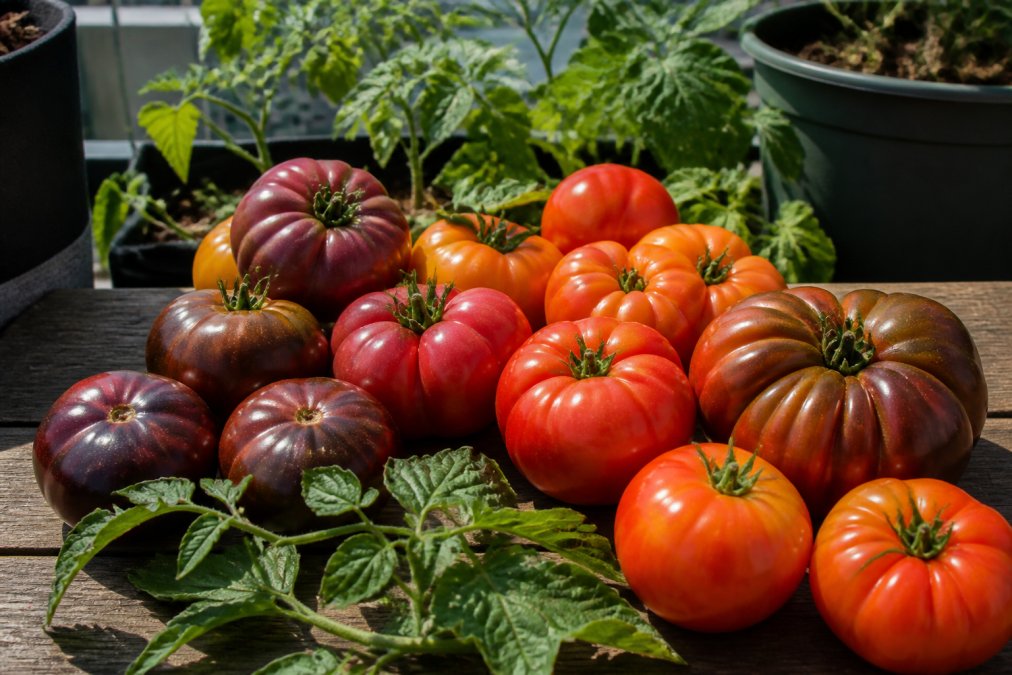
Quick Flavor Guide by Color:
| Color | Flavor Profile | Sweetness | Acidity | Best Use |
|---|---|---|---|---|
| Purple-Black | Smoky, complex, earthy | High | Medium | Slicing, fresh eating |
| Mahogany-Brown | Rich, tangy, savory | Medium | High | Sandwiches, salads |
| Bright Red | Classic, balanced | Medium | Medium | All-purpose |
| Yellow-Orange | Mild, fruity, sweet | High | Low | Fresh eating, snacking |
Cherokee Purple (indeterminate, 8-16 oz beefsteak) is the gold standard for flavor lovers. Deep red-purple flesh with smoky-sweet character produces all season with proper support. Works well in large containers or garden beds, though not disease-resistant and cracks in heavy rain.
Black Ethiopian (indeterminate, 6-12 oz slicer) brings mahogany-brown skin with red-crimson interior, rich, tangy, and sweet with real acidity. Excellent for sandwiches and salads, these vigorous plants handle containers well and produce abundantly.
Black Sea Man (determinate, 6-10 oz slicer) is the compact grower's answer to dark tomatoes. Smoky, tangy flavor and determinate habit make it perfect for preserving or container growing in small spaces.
Heritage Cottage Orange (determinate, medium slicer) carries real heirloom genetics with sweet, tangy, fruity notes. Orange tomatoes tend toward lower acidity, ideal if you prefer sweetness.
Siberian Red (determinate, medium red) is built for cooler climates and short growing seasons with rich, classically tomatoey flavor.
Angora Super Sweet (indeterminate cherry, bright red) produces candy-sweet cherry tomatoes about 1 inch across, perfect for snacking and kids' gardens.
Best Heirloom Tomatoes for Containers
Growing heirloom tomatoes in containers is practical and effective. Determinate varieties are ideal, these bush-type plants stop growing at a set height and produce fruit in a concentrated window. Black Sea Man, Heritage Cottage Orange, and Siberian Red thrive in large containers (18-24 inches wide, at least 5 gallons). Indeterminate varieties like Cherokee Purple and Black Ethiopian can grow in containers but need serious support and larger pots (20+ gallons).

Mississippi State University Extension recommends containers at least 5 gallons for determinate tomatoes and 10+ gallons for indeterminates (extension.msstate.edu). Drainage holes are essential. Use quality potting soil, not garden soil, which compacts in containers.
Micro-dwarf tomatoes are built for tight spaces. Orange Hat reaches just 8-12 inches tall, perfect for windowsills and patios, with bright orange, sweet fruits. Hahm's Gelbe offers bright yellow cherry tomatoes with mild, fruity flavor.
Everglades (indeterminate cherry) is special for containers because it's heat-tolerant and disease-resistant, with intense, sweet-tart flavor that outperforms most others in hot, humid climates.
When to Harvest Heirloom Tomatoes for Best Flavor
Harvesting at the right ripeness stage changes flavor dramatically. A tomato picked at the breaker stage tastes green and acidic (extension.msstate.edu). A fully ripe tomato picked when color is deep and uniform tastes sweeter, richer, and more complex.
Wait for full color development. For purple varieties like Cherokee Purple, that means deep purple-red throughout. For mahogany types like Black Ethiopian, wait until the brown is dark and even. Extra days on the vine allow sugars to accumulate and acidity to balance.
Temperature matters. Slower ripening in cooler climates often improves flavor by allowing more complexity to develop. Don't rush it, a tomato that ripens slowly tends to taste better.
Vine-ripened always beats picked-green. If frost threatens and you have unripe tomatoes, pick them at the breaker stage and ripen them indoors on a windowsill. They'll develop color, but won't taste as good as vine-ripened fruit.
How to Save Tomato Seeds Properly
Saving heirloom tomato seeds is straightforward and one of the best reasons to grow open-pollinated varieties. The seeds you save will grow true to type year after year.
Choose your best plants. Mark the healthiest, most productive plants while they're growing. Over a few seasons, your saved seeds will adapt to your specific climate.
Let fruit fully ripen on the vine. Pick the ripest tomatoes from your selected plants and let them sit on the counter for another week or two to ensure seeds are fully mature.
Extract and ferment the seeds. Cut the tomato in half and squeeze the seeds and gel into a small container. Add a little water and let it sit for 2-3 days at room temperature. When the mixture smells sour and seeds settle to the bottom, fermentation is complete.
Rinse and dry thoroughly. Pour the mixture through a fine strainer and rinse seeds under running water until clean. Spread them on a paper plate in a warm, dry location with good air circulation for 2-3 weeks. When they snap cleanly between your fingers, they're ready to store.
Store in cool, dry conditions. Place seeds in a paper envelope or glass jar with a desiccant packet. Store in a cool, dark place, a basement, closet, or refrigerator works well. Properly stored tomato seeds stay viable for 4-5 years (peer-reviewed research).
The best heirloom tomato varieties for flavor are the ones you actually grow and eat. Start with one or two varieties that match your flavor preference and growing space. Cherokee Purple if you want bold, smoky taste. Black Ethiopian if you prefer complex, tangy depth. A micro-dwarf like Orange Hat if you're growing in containers. Then save the seeds, grow them again next year, and adjust based on what you learned. That's how heirloom gardening works, it's a conversation between you, the seeds, and your garden.

Frequently Asked Questions
Which heirloom tomatoes are considered the tastiest?
Cherokee Purple stands out for its rich, smoky-sweet flavor and is widely considered one of the best-tasting heirloom tomato varieties. Black Ethiopian offers deep complexity with balanced sweetness and acidity, while Angora Super Sweet delivers candy-like flavor for those who prefer sweeter profiles. The 'tastiest' variety depends on your palate, whether you prefer bold, smoky notes or bright, sugary sweetness. Growing multiple varieties lets you discover your personal favorite.
Are heirloom tomato varieties difficult to grow for beginners?
Most heirloom tomatoes are quite forgiving for beginners. Determinate varieties like Black Sea Man and Heritage Cottage Orange produce concentrated harvests in compact plants, making them easier to manage. Everglades thrives in challenging heat and humidity, requiring minimal fuss. The main difference from hybrid tomatoes is that heirlooms need consistent sun (6-8 hours daily), well-draining soil, and regular watering. Start with one or two proven varieties and expand as you gain confidence.
What makes heirloom tomato flavor profiles so different from store-bought tomatoes?
Heirloom varieties are open-pollinated seeds passed down through generations, selected for taste rather than shipping durability. Store-bought tomatoes are often bred for appearance, shelf life, and yield, sacrificing flavor complexity. Heirlooms develop deeper umami, higher brix levels (natural sugar content), and more nuanced acidity-sweetness balance. Growing your own heirlooms means harvesting at peak ripeness rather than picking green for transport, which dramatically enhances flavor intensity and freshness.