 listicle
Best Hot Pepper Seeds for Beginners: 5 Easy-Growing Picks
Table of Contents
- Why These Are the Best Hot Pepper Seeds for Beginners
- Our Top Picks for Easy-Growing Hot Pepper Seeds
- Comparison Table: Hot Pepper Seeds at a Glance
- Pepper Seed Germination Tips for Beginners
- Frequently Asked Questions
Last Updated: September 5, 2026
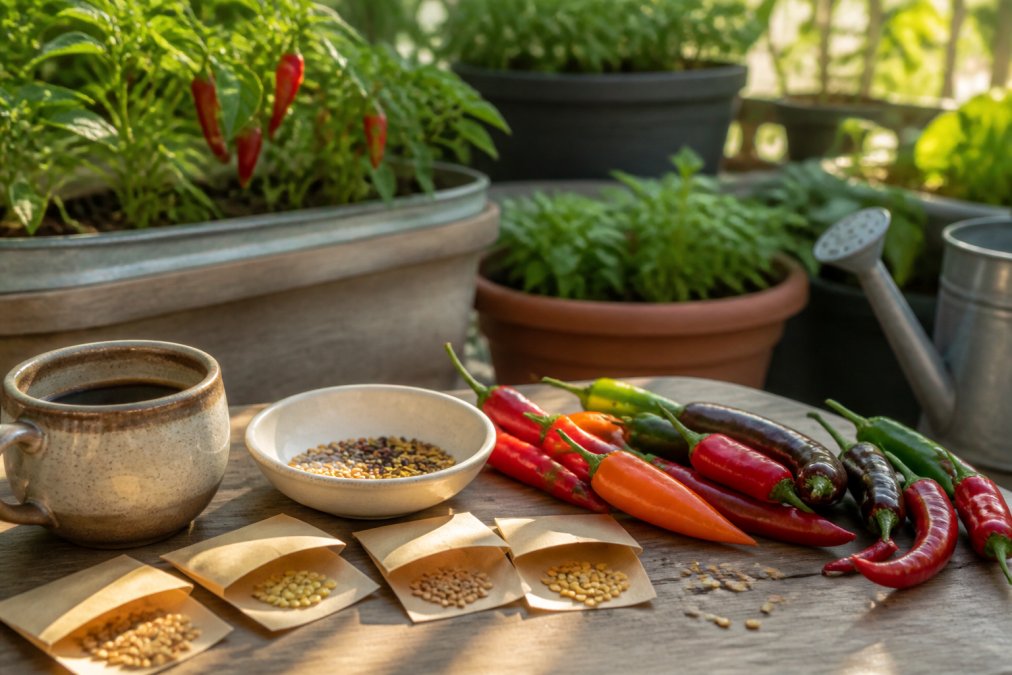
Starting your first hot pepper garden feels like a leap of faith, doesn't it? The best hot pepper seeds for beginners are forgiving, productive, and happy in containers on a sunny patio. As our friends at Mississippi State University Extension note, peppers are naturally well-suited to container life in the Southeast. Below are five easy-growing picks, plus a simple germination routine.
Why These Are the Best Hot Pepper Seeds for Beginners
The best hot pepper seeds for beginners germinate reliably, tolerate a bit of neglect, and produce heavily. In the humid Southeast, vigor and disease resistance matter more than chasing the hottest Scoville rating.
Container gardening changes the equation: you want compact plants that don't need staking and handle warmer patio soil. Mississippi State University Extension highlights containers as an excellent way to manage soil quality, drainage, and moisture.
Our Top Picks for Easy-Growing Hot Pepper Seeds
These five picks come from our urban farm experience, and each is genuinely hard to mess up. We've grouped them by personality to match your cooking style and heat tolerance.
1. Aleppo Pepper, Big flavor with approachable heat. This Middle Eastern heirloom sits at a gentle 5,000-10,000 SHU with warm, slow-building spice (extension.msstate.edu). Productive and adaptable, it's perfectly happy in a 5-gallon container and turns roasted vegetables and eggs into something special.

2. Calabrian Pepper, A classic Southern Italian variety with bold heat (25,000-40,000 SHU) and smoky sweetness, made for pasta sauces and infused oils. Vigorous and productive, it takes to containers as well as garden beds.
3. Dwarf Tabasco Pepper, This compact plant tops out around 2 feet by 2 feet, perfect for a small patio pot. It carries the classic fiery Tabasco flavor (30,000-50,000 SHU) in a smaller package. Our original plant came from Avery Island, so you're growing a piece of hot sauce history.
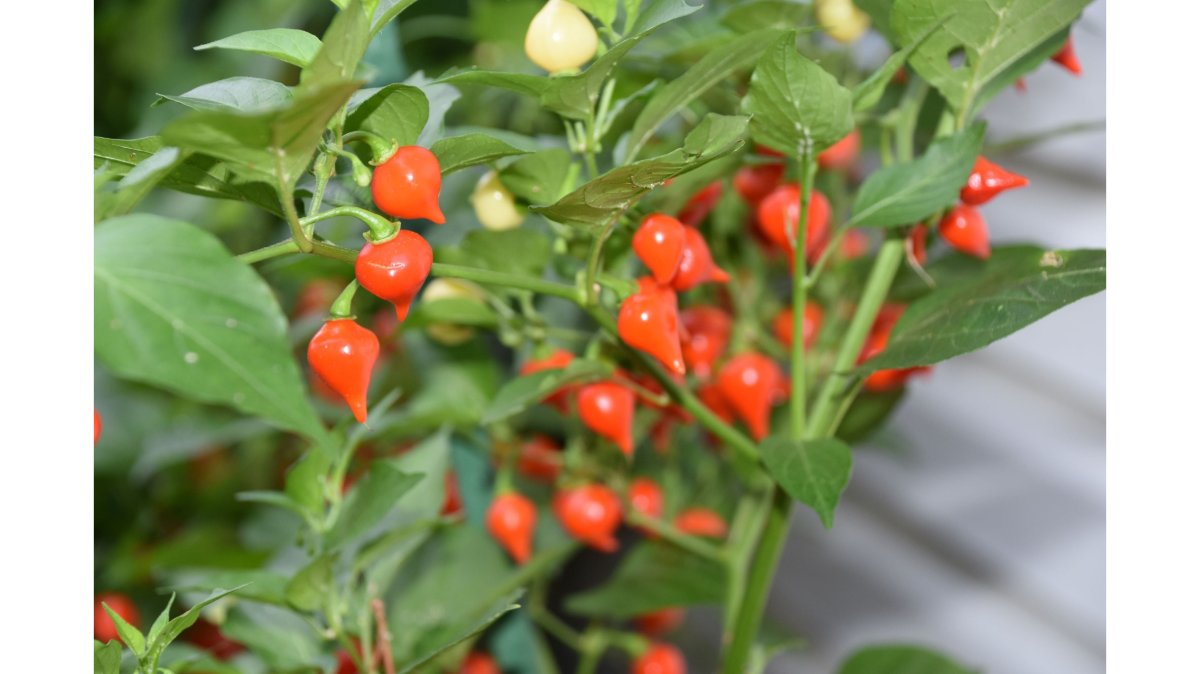
4. Biquinho Red Pepper, The "Little Beak Pepper" from Brazil is the gateway pepper for anyone nervous about heat. At just 500-1,000 SHU, it's sweet, fruity, and perfect for fresh snacking or pickling. Compact, highly productive plants bear glossy, teardrop-shaped pods that look beautiful in containers.
5. Shishito Pepper, Technically mild (50-200 SHU), but about one in ten pods delivers a surprising kick, making them endlessly fun. Blistered in a hot pan with sea salt, they're an instant appetizer favorite. Vigorous and incredibly productive, they reward beginners with heavy harvests all season.
Comparison Table: Hot Pepper Seeds at a Glance
| Variety | Heat (SHU) | Best For | Container Size | Flavor Profile |
|---|---|---|---|---|
| Aleppo | 5,000-10,000 | Mild heat lovers | 5-gallon pot | Fruity, smoky, warm |
| Calabrian | 25,000-40,000 | Italian cooking | 5-gallon pot | Bold, smoky, sweet |
| Dwarf Tabasco | 30,000-50,000 | Small spaces | 3-gallon pot | Fiery, tangy |
| Biquinho Red | 500-1,000 | Fresh eating, kids | 3-gallon pot | Sweet, fruity |
| Shishito | 50-200 | Appetizers | 5-gallon pot | Smoky, slightly sweet |
Pepper Seed Germination Tips for Beginners
Hot pepper seeds need warmth to germinate. A heat mat set to 80-85°F is the single most reliable way to get consistent sprouting (extension.msstate.edu). Without bottom heat, seeds can sit in cool soil and rot, a problem called damping off.

Start seeds indoors 8-10 weeks before your last frost date. Plant a quarter-inch deep in a light seed starting mix, keep soil moist but not soggy, and use bottom watering. Once true leaves appear, feed with diluted liquid fertilizer. Harden off seedlings over a week before transplanting.
Choose a spot with 6-8 hours of direct sunlight daily; in the Southeast, afternoon shade helps during the hottest weeks. Use high-quality potting soil with good drainage and a balanced slow-release fertilizer. Peppers dislike both drought and soggy roots, so check containers daily during peak heat.
Mississippi State University Extension's pepper growing recommendations emphasize that warm soil temperatures and proper drainage are the foundations of a successful pepper crop, whether you're growing in the ground or in containers.
Growing your own hot peppers doesn't require years of experience. With a little warmth, consistent moisture, and a variety suited to your space, you'll be harvesting fiery pods in no time. Heritage Cottage Seeds offers a curated selection of rare and heirloom hot pepper seeds, each tested and proven for home gardeners across the Southeast. Start with a packet of Aleppo or a compact Dwarf Tabasco, and you'll see how forgiving these plants can be.
Frequently Asked Questions
Which hot pepper is easiest to grow for a beginner?
For a first-time grower, the Aleppo pepper is a fantastic choice. It's a dependable Capsicum annuum that germinates readily and produces well in containers or garden beds. Its mild heat (5,000-10,000 SHU) makes it versatile in the kitchen, and the plants are forgiving of small mistakes. The compact Dwarf Tabasco is another easy option, especially for patios, since it stays small and doesn't need staking. Both are proven performers that build confidence before you move on to hotter varieties.
How long does it take for hot pepper seeds to germinate?
Most hot pepper seeds germinate in 7 to 21 days when conditions are right. The key is soil temperature: keep your seed starting mix between 80 and 85°F for best results. A heat mat makes this much easier to manage. Be patient with super-hots like habaneros, which can take up to a month. Also, make sure your seeds are fresh; older seeds lose viability quickly. Following these pepper seed germination tips will give you the highest success rate.
What are the best hot peppers for container gardening?
Compact, productive varieties are your best bet for containers. The Dwarf Tabasco is ideal, staying around 2 feet tall. Biquinho peppers are also excellent, as they are naturally bushy and heavy-bearing. Shishito peppers adapt well to pots and produce prolifically. When growing in containers, use a pot at least 3 to 5 gallons with good drainage. Use a high-quality potting soil, not garden soil, and be prepared to water more frequently than you would an in-ground garden.