 how-to
Best Seeds for Heat and Humidity: A Gardener's Guide
Table of Contents
- Best Seeds for Heat and Humidity That Actually Perform
- Growing Tomatoes in Southern Climates
- Container Gardening Tips for Beginners
- Best Practices for Summer Vegetable Irrigation
- Frequently Asked Questions
Last Updated: September 2, 2026
Best Seeds for Heat and Humidity That Actually Perform
Growing vegetables in heat and humidity is a different game entirely. Standard seed varieties wilt, diseases take hold, and harvests disappoint. The best seeds for heat and humidity are those bred for resilience, they have heat tolerance built into their genetics, resist fungal diseases that love humid environments, and keep producing when other plants have given up (peer-reviewed research). Think of it like choosing the right clothes for the weather; same principle applies to seeds.
Container gardening deserves a spot here too, because it gives you control over soil moisture and microclimate, two things that matter enormously when fighting heat and humidity.
Growing Tomatoes in Southern Climates
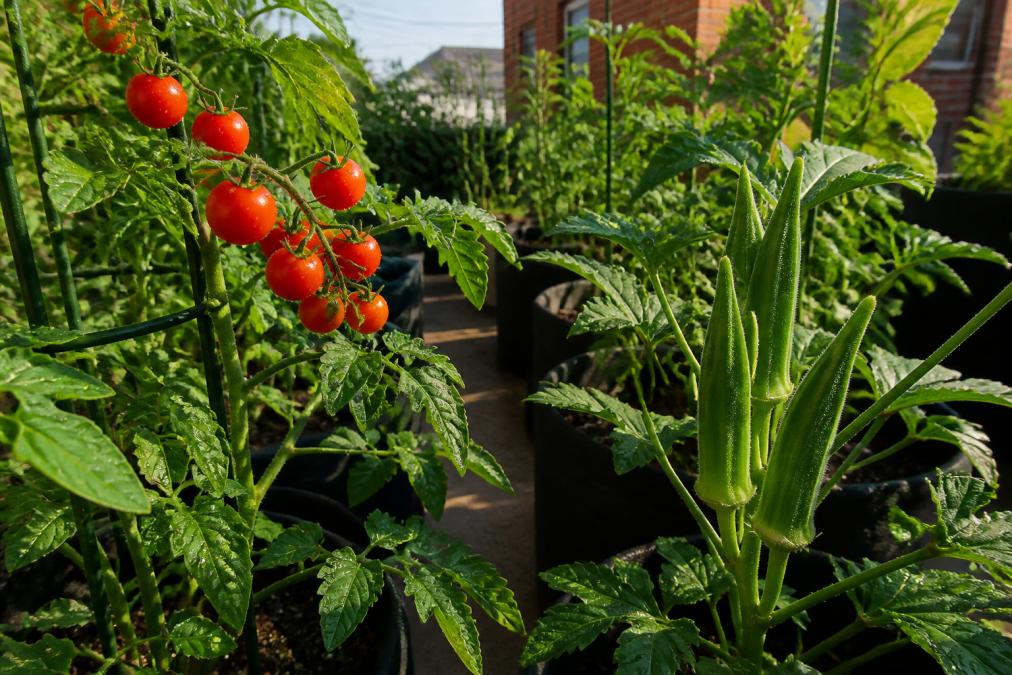
Tomatoes in hot, humid regions need careful selection. The Everglades tomato is legendary for exactly this reason, an indeterminate cherry tomato that produces massive clusters of tiny, bright red fruits with intense, sweet-tart flavor. What makes it special is extreme heat tolerance and disease resistance; it keeps producing when standard varieties have succumbed to fungal pressure.

Heirloom varieties like Everglades were selected over generations in challenging conditions and have adapted. Modern hybrids are often optimized for shipping, not Southern growing conditions.
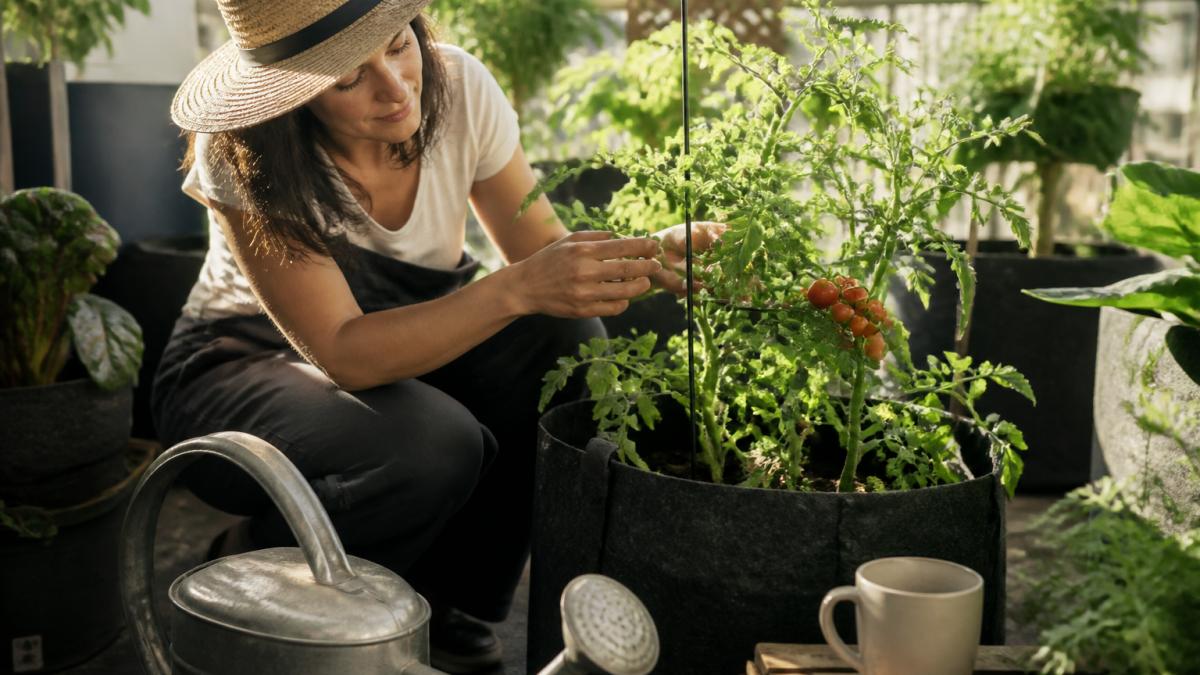
If you want larger slicing tomatoes, Cherokee Purple is worth the effort. Yes, it's more finicky, but the rich, smoky, complex flavor justifies the attention. Plant it in full sun, support it well, and give it consistent water. In containers, use large pots (at least 5 gallons) and feed regularly.
Black Sea Man and Black Ethiopian offer striking mahogany-brown skin and deep, complex flavor. Both perform better in containers than expected, making them excellent for small-space gardeners.
The real secret with tomatoes in heat and humidity is air circulation. Space plants properly and prune lower foliage as plants grow to reduce fungal pressure dramatically. Mississippi State University Extension recommends this practice consistently for Southern gardens facing high humidity (msstate.edu).
Container Gardening Tips for Beginners
Container gardening solves a major problem heat and humidity create: waterlogged soil. When you control the soil mix, you control drainage, that's half the battle.
Start with quality potting soil, not garden soil. For vegetables, use containers at least 5 gallons for tomatoes, 3 gallons for peppers, and 2 gallons for herbs and leafy greens (peer-reviewed research). Larger containers hold moisture longer and buffer temperature swings.
Okra is a container superstar. Baby Bubba okra reaches just 3-4 feet tall, perfect for raised beds and containers. It produces deep green, spineless pods that are tender and flavorful, and tolerates heat and humidity better than almost any vegetable. Plant it in full sun and don't baby it, okra thrives on neglect.

Water containers more frequently than in-ground gardens. Check soil moisture daily during peak summer and water deeply when the top inch feels dry. A 1-2 inch layer of organic mulch keeps soil cooler and reduces evaporation, which matters more in containers than ground gardens.
Best Practices for Summer Vegetable Irrigation
Water early in the morning, before full sun hits, so foliage has time to dry. Never water in the evening; wet leaves overnight invite powdery mildew and other fungal problems. Drip irrigation is better than overhead watering because it delivers water to soil without wetting leaves.
Use consistent, deep watering rather than frequent shallow watering. This encourages deep root development and makes plants more resilient. For containers, check soil daily, during peak heat, plants may need water twice daily.
Mulch heavily in ground gardens with a 2-3 inch layer of organic mulch to keep soil cooler and reduce evaporation. Mississippi State University Extension emphasizes mulching as a foundational practice for heat tolerance in vegetable gardens.
Watch for signs of water stress: wilting despite wet soil often indicates root disease rather than drought. If you see this, improve drainage and reduce watering frequency.
Growing exceptional produce in heat and humidity is entirely achievable when you start with the right seeds. Focus on proven varieties like Everglades tomatoes and Baby Bubba okra selected specifically for challenging climates. Start with one or two varieties, observe what thrives in your specific microclimate, and expand from there. The best garden is one that matches your conditions, not one that fights them.
Frequently Asked Questions
What are the best heat-tolerant tomato varieties for home gardens?
Everglades cherry tomato stands out for extreme heat tolerance and disease resistance, producing hundreds of bite-size fruits all season. Cherokee Purple and Black Ethiopian offer rich flavor for slicing, while Black Sea Man performs well in containers. All three thrive where humidity runs high and afternoon temperatures soar. Start with Everglades if you're new to heat-challenged gardening, it's nearly bulletproof.
Can I grow vegetables in containers during the hottest months?
Absolutely. Container gardening lets you move plants to afternoon shade and control soil moisture precisely. Baby Bubba okra reaches just 3-4 feet tall, making it ideal for raised beds and containers. Heat-loving herbs like Mrs. Burns' Lemon Basil thrive in pots. The key is consistent watering, containers dry faster than in-ground beds, so check soil moisture daily during peak heat.
How do I know these seeds will germinate and grow well in my climate?
Heritage Cottage Seeds curates every variety for proven performance in challenging conditions. We recommend starting with Everglades tomato or Baby Bubba okra, both are forgiving for beginners and deliver reliable harvests. Mississippi State University Extension offers regional guides to match your hardiness zone and growing season length.