 how-to
Do Heirloom Seeds Germinate Well? A 2026 Gardener's Guide
Table of Contents
- How to Test Seed Viability Before You Plant
- Heirloom Seed Storage Tips for Better Germination
- Starting Heirloom Seeds in Containers
- Frequently Asked Questions
Last Updated: September 11, 2026
How to Test Seed Viability Before You Plant
Do heirloom seeds germinate well? Yes, if stored properly and not too far past their prime, the trick is knowing before you commit a whole row of garden space, and a quick viability test tells you whether your heirloom seeds germinate at all.
The Paper Towel Test
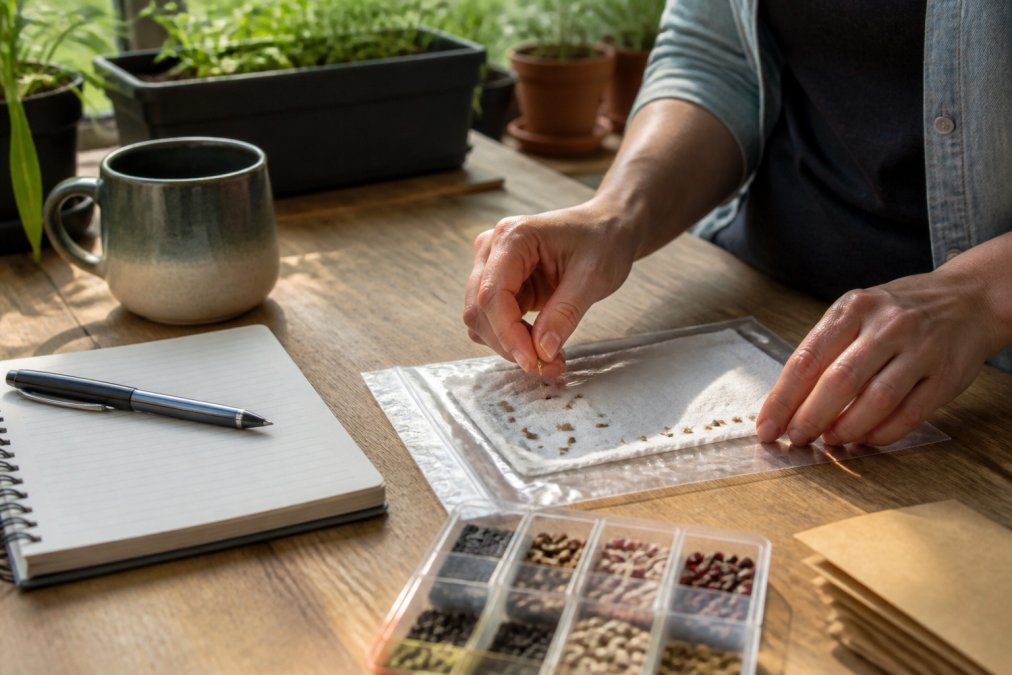
Count ten seeds onto a damp paper towel, fold, and slide into a labeled clear plastic bag. Keep warm (70-75°F), out of direct sun, and check daily; most sprout in seven to fourteen days. Seven or more of ten means plant with confidence, three or four means sow thicker, and fewer than three means fresh seed.
Reading the Seeds Themselves
A viable seed is plump, firm, and smooth; shriveled, moldy, or hole-punched seed is done. For germination standards and testing, the Mississippi State University Extension Service publishes practical guidance for home gardeners across the Southeast.
Heirloom Seed Storage Tips for Better Germination
Heirloom seed storage is where germination rates are won or lost, control heat, moisture, and light, and vigor holds for years. Moisture matters most, since a seed absorbs humidity and the embryo breaks down, and every ten degrees of warmth speeds degradation. The fix is an airtight container with a desiccant packet, kept cool and dark; a glass jar in the back of the fridge works well, just let it reach room temperature before opening. For a deeper look at how temperature and humidity interact, the USDA Agricultural Research Service maintains seed storage research worth bookmarking.
A Quick Reference for Common Varieties
| Variety | Typical Storage Life | Notes |
|---|---|---|
| Tomato | 4-6 years | Holds well; save your own easily |
| Pepper | 2-3 years | Shorter window, test older packets |
| Onion | 1-2 years | Shortest shelf life; buy fresh |
Heirloom and hybrid seeds store about the same, but heirloom seeds are open-pollinated and breed true, so saved seed grows into the same fruit you loved.
Starting Heirloom Seeds in Containers
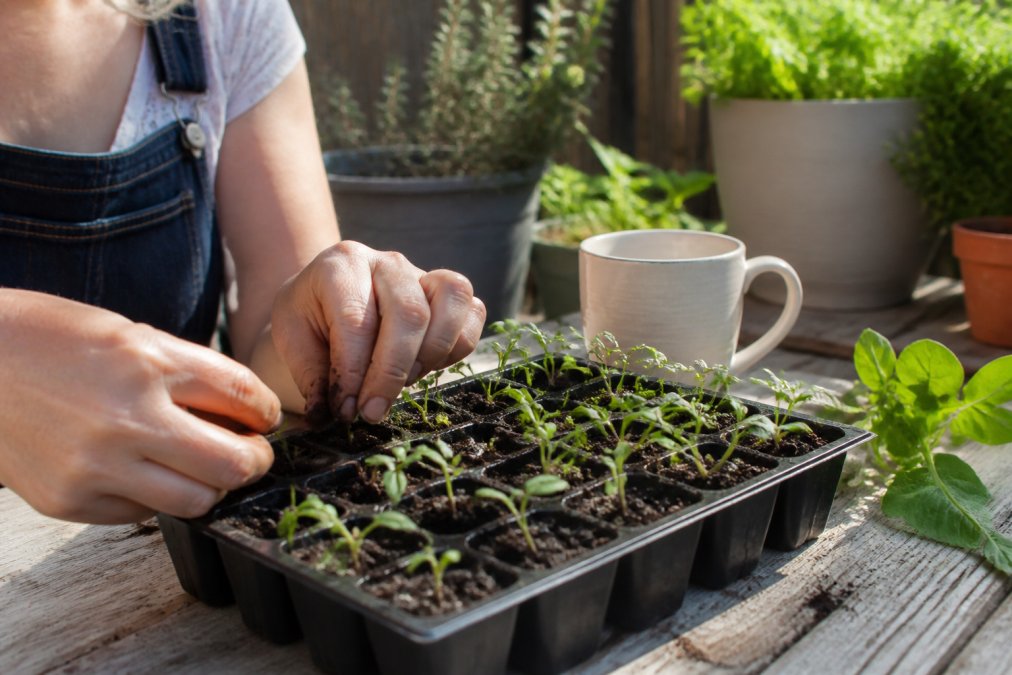
Starting heirloom seeds in containers gives you control direct sowing can't match, soil temperature, moisture, and light, which matters most in the Southeast, where spring swings between cold snaps and sudden heat. Fill containers with a light, sterile seed-starting mix, not garden soil, sow at packet depth, water gently, and cover until sprouts show. Once seedlings emerge, uncover them and give bright light fourteen to sixteen hours a day, keeping the mix evenly moist, never soggy.
For containers, a compact variety makes all the difference. Our Tomato - Orange Hat stays 8 to 12 inches tall and thrives on a windowsill or patio. For something taller with big flavor, the Tomato - Siberian Red Heirloom handles cool starts and short seasons. A common mistake is starting too early, count backward from your last frost and start tomatoes about six weeks out.

Matching Seed to Your Climate
Southern gardeners face heat and humidity northern catalogs don't plan for, so choose varieties that set fruit in warm nights and lean on containers so you can move plants out of a cold snap or into afternoon shade. Our Micro Tomato - Hahm's Gelbe stays short and productive in pots, easy to shuffle as weather shifts. For regional planting dates and variety recommendations, the Mississippi State University Extension Service offers free, research-backed guidance tailored to Southeastern growing conditions.

Frequently Asked Questions
Will 20-year-old heirloom seeds still germinate?
It depends on the variety and how they were stored. Some seeds, like tomatoes and beans, can stay viable for 5 to 10 years in cool, dry conditions. Others, like onions and parsnips, lose viability in 1 to 2 years. A paper towel test will tell you if your old seeds are still worth planting. Even if only a few sprout, you can still get a harvest.
What are the disadvantages of heirloom seeds?
Heirloom seeds can have lower germination rates than hybrids if they are old or stored poorly. They may also be less uniform in size and ripening time. Some varieties are more susceptible to disease. However, their flavor, unique colors, and ability to save seeds year after year make them a rewarding choice for home gardeners, especially in containers where you can control conditions.
How do heirloom germination rates compare to hybrid seeds?
Fresh heirloom seeds often germinate at 80 to 95 percent, similar to hybrids. The difference shows up as seeds age. Hybrids may hold viability slightly longer in storage, but heirlooms can match them if kept cool and dry. Testing your seeds with a paper towel test before planting gives you a clear picture of your actual germination rate.
Heirloom seeds germinate well when you give them a fair start: test before you plant, store them cool and dry, and start them in clean containers with steady light. If you want varieties that were grown and saved with that care already built in, Heritage Cottage Seeds offers a curated selection of rare tomatoes and peppers, each tested for reliable performance. Browse our collection and find something worth growing this season.