 listicle
10 Best Drought Tolerant Vegetables for Southern Gardens
Table of Contents
- Why Drought Tolerant Vegetables Matter for Southern Gardeners
- What Makes a Vegetable Drought Tolerant
- 1. Okra: The Heat-Loving Southern Staple
- 2. Peppers: From Mild to Fiery Heat
- 3. Tomatoes: Heat Tolerant Tomato Varieties for the South
- Container Vegetable Gardening for Beginners: Growing Water-Wise Crops in Pots
- Best Mulch for Moisture Retention in Vegetable Gardens
- Soil Preparation and Water-Wise Irrigation Strategies
- Frequently Asked Questions
Last Updated: September 26, 2026
Why Drought Tolerant Vegetables Matter for Southern Gardeners
Growing vegetables in the South means dealing with heat, humidity, and unpredictable rainfall. Some years you get a drought that lasts months. Other years the rain comes in bursts that flood your beds. Either way, your garden needs vegetables that can handle stress without constant fussing.
That's where drought tolerant vegetables come in. These aren't wimpy plants that barely survive, they're varieties bred to thrive when water is scarce, soil dries out between rains, and temperatures climb into the 90s. At Heritage Cottage Seeds, we've spent years testing which varieties actually perform in Southern gardens, not just in ideal conditions.

The good news? You don't have to choose between resilience and flavor. The best drought tolerant vegetables for southern gardens deliver both. They produce abundantly, taste excellent, and ask for far less water than their fussy cousins. That means lower water bills, less time spent watering, and more time enjoying your harvest.
Below, we'll walk you through 10 vegetables that thrive in Southern heat and drought, plus the soil, mulch, and irrigation strategies that make them unstoppable.
What Makes a Vegetable Drought Tolerant
A drought tolerant vegetable isn't just any plant that survives without water. It's one with specific traits that help it hang on during dry spells.
Deep root systems are the foundation. Shallow-rooted plants like lettuce dry out fast. Drought tolerant varieties develop taproots or extensive lateral roots that reach down into cooler, moister soil layers. Okra and peppers are classic examples, their roots go deep and stay strong.
Waxy or fuzzy leaf surfaces reduce water loss. When a plant's leaves have a thick protective coating, less moisture evaporates into the air. Tomatoes with fuzzy foliage hold onto water better than smooth-leafed varieties. This is why some heirloom cultivars outperform modern hybrids in drought.
Smaller leaves or fewer leaves also help. Plants with compact foliage have less surface area exposed to the sun, which means less evapotranspiration (the process of water moving from soil through the plant and into the air). Heat-tolerant peppers often have this trait naturally.
The ability to adjust growth during stress matters too. Instead of wilting and dying, drought tolerant vegetables slow down, focus energy on roots and fruit, and wait out the dry spell. They recover quickly once rain returns.
1. Okra: The Heat-Loving Southern Staple
Okra laughs at drought. This plant doesn't just tolerate heat and dry soil, it demands them. Plant okra when temperatures stay consistently above 70 degrees, and it will produce pods all summer long.
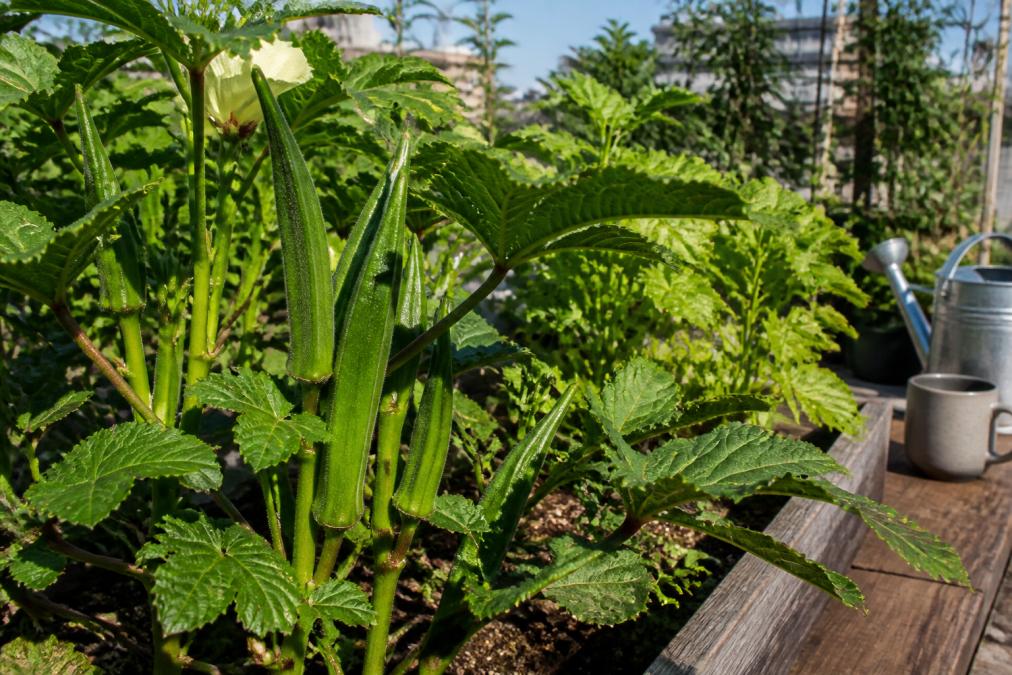
Okra's deep taproot reaches moisture that other vegetables can't access. The plant grows sturdy and upright, with leaves that shed water efficiently. In Southern gardens, okra produces for months without supplemental irrigation once established.
Baby Bubba Okra from Heritage Cottage Seeds is a compact heirloom that reaches just 3-4 feet tall, making it perfect for raised beds and containers. It produces deep green, spineless pods ideal for frying, grilling, gumbo, and pickling. With 25-30 seeds per packet at $4.00, it's a proven performer for both beginners and experienced gardeners.

The variety matures quickly and yields heavily all summer. Unlike tall okra varieties that need staking, Baby Bubba stays manageable in size while delivering full-size harvests.
2. Peppers: From Mild to Fiery Heat
Peppers are the MVP of Southern drought gardens. They thrive in heat, produce for months, and handle dry spells better than almost any other vegetable. Whether you want sweet bell peppers, mild gourmet varieties, or serious heat, there's a pepper bred for your garden.
Peppers develop deep root systems and waxy leaves that conserve water. Their growth actually accelerates in hot weather, the hotter it gets, the more productive they become. In a drought year, peppers often outproduce every other crop in the garden.
For mild, sweet peppers, Biquinho Red Pepper offers something different. This Brazilian heirloom produces glossy, teardrop-shaped red peppers with a distinctive pointed tip. At just 500-1,000 SHU (Scoville Heat Units), they're perfect for fresh eating, pickling, stuffing, and gourmet garnishes. The compact, highly productive plants thrive in warm conditions and containers. Seeds are $4.00 per packet from Heritage Cottage Seeds.
If you want gourmet heat, Calabrian Pepper delivers. This Southern Italian classic produces slender, tapered red pods perfect for drying, crushing, pickling, or making authentic Calabrian chili paste. At 25,000-40,000 SHU, spicier than jalapeños but milder than habaneros, it brings bold flavor without overwhelming heat. The vigorous plants perform beautifully in containers or garden beds.

For authentic Thai-style heat, McDonald's Thai Pepper from Heritage Cottage Seeds packs 50,000-90,000 SHU and exceptional productivity. These narrow, pointed pods ripen from green to glossy red and deliver intense, fast-building spice perfect for Thai and Southeast Asian cooking. The vigorous, compact plants reward growers with heavy yields. At $4.00 per packet, they're a must-grow for heat lovers.
3. Tomatoes: Heat Tolerant Tomato Varieties for the South
Not all tomatoes handle Southern heat well. Many modern hybrids are bred for mild climates and struggle when temperatures stay above 90 degrees for weeks. You need heat tolerant tomato varieties that set fruit reliably, resist disease, and taste exceptional.
Heritage Cottage Orange is a determinate heirloom that delivers compact growth and concentrated harvests. At just 3-4 feet tall, it's ideal for containers, raised beds, and small-space gardens. The medium-sized fruits average 6-8 ounces with firm flesh and excellent fresh-eating quality. The vibrant orange color adds visual interest to both garden and kitchen. With 20-25 seeds per packet at $4.00, it's a proven performer for home growers seeking beauty, flavor, and efficiency.
For gardeners in cooler microclimates or those wanting an early-season option, Siberian Red Heirloom is a cold-tolerant, early-maturing variety that excels in short growing seasons and container gardens. It produces medium-sized, bright red fruits with juicy, meaty texture. While not specifically bred for Southern heat, it performs well in spring and fall gardens when heat-loving varieties struggle.
Container Vegetable Gardening for Beginners: Growing Water-Wise Crops in Pots
Tom Thumb Lettuce from Heritage Cottage Seeds is a small, compact butterhead variety perfect for containers. Each head grows to about the size of a tennis ball, ideal for individual servings or small spaces. It matures in 45-55 days and thrives in cooler weather. At $4.00 per packet, it's easy to grow and requires minimal care, a favorite for home gardeners and chefs alike.
Best Mulch for Moisture Retention in Vegetable Gardens
Mulch is your secret weapon against drought. A 2-4 inch layer of the right mulch material keeps soil cool, reduces evaporation, prevents soil crust from forming, and feeds the soil as it breaks down.
| Mulch Type | Moisture Retention | Breaks Down | Best For | Cost |
|---|---|---|---|---|
| Aged wood chips | Excellent | Slow (2-3 years) | Most vegetables | Low |
| Compost | Very good | Fast (1 year) | Nutrient-hungry plants | Medium |
| Straw | Good | Fast (6-12 months) | Tomatoes, peppers | Low |
| Shredded bark | Excellent | Slow (2-3 years) | Long-season crops | Medium |
| Pine needles | Good | Slow (1-2 years) | Acid-loving plants | Low |
Soil Preparation and Water-Wise Irrigation Strategies
According to Mississippi State University Extension, Southern gardeners should focus on soil health as the foundation of water-wise gardening. Building soil organic matter through compost and mulch creates conditions where drought tolerant vegetables thrive with minimal supplemental irrigation.
Frequently Asked Questions
What are the most drought-tolerant vegetables I can grow in the South?
Okra, peppers, tomatoes, eggplant, and Armenian cucumber are among the best drought-tolerant vegetables for Southern gardens. These varieties have deep root systems and waxy leaf coatings that reduce water loss through evapotranspiration. According to Mississippi State University Extension, heat-loving crops like okra and peppers actually thrive when water is managed carefully, they develop stronger root systems in response to periodic dry periods, making them naturally water-wise choices for the region.
Do drought-tolerant vegetables still need daily watering?
No. Drought-tolerant vegetables typically need deep watering 2-3 times per week rather than daily watering. The key is to water deeply so moisture reaches the root zone (6-8 inches down), encouraging root development that helps plants access moisture during dry spells. Mulching heavily reduces evaporation, so you may water even less frequently once plants are established. Container gardening for beginners should follow the same principle: water thoroughly but less often, checking soil moisture before watering again.
What soil amendments help retain moisture in Southern vegetable gardens?
Organic matter is your best friend. Work 2-3 inches of compost into your garden bed before planting to improve soil structure and water-holding capacity. Aged compost, aged manure, and leaf mold all increase the soil's ability to retain moisture while maintaining good drainage. Mississippi State University Extension recommends adding organic amendments annually to maintain soil health. The best mulch for moisture retention in vegetable gardens is 2-3 inches of wood chips or straw, which keeps soil cooler and reduces water loss by up to 50%.
Can I grow heat tolerant tomato varieties in containers in the South?
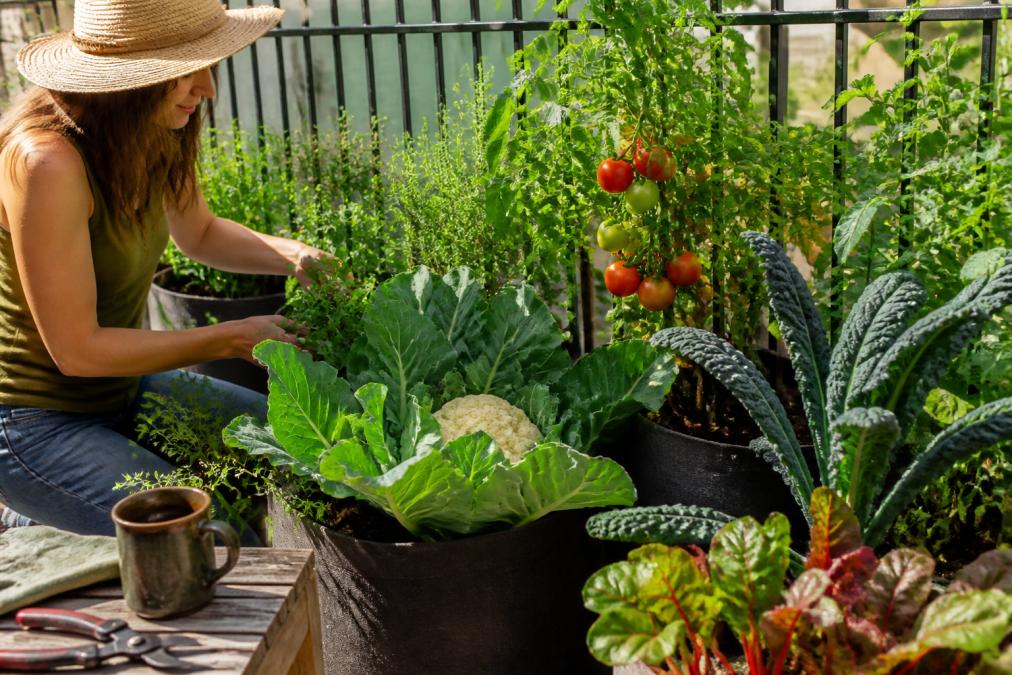
Yes, and it's a smart approach for beginners. Heat tolerant tomato varieties for the South like Heritage Cottage Orange and Siberian Red perform beautifully in containers, which allow you to control soil quality and moisture more precisely. Use containers at least 5 gallons for determinate varieties, with quality potting soil mixed with compost. Container gardening for beginners simplifies watering schedules and lets you move plants to partial shade during extreme heat waves, protecting fruit from sunscald.