 how-to
Growing Tomatoes in Southern Climates: A How-To Guide
Table of Contents
- Choose Heat-Tolerant Tomato Varieties for Southern Gardens
- Master Watering Schedules for Hot Climates
- Prevent Blossom Drop in Tomatoes Through Temperature Management
- Container Gardening for Tomatoes in Southern Heat
- Frequently Asked Questions
Last Updated: August 23, 2026
Growing tomatoes in hot climates is one of those gardening challenges that separates the dreamers from the doers. The heat itself becomes the enemy, flowers drop before they become fruit. But here's the thing: it doesn't have to be that way. Growing tomatoes in southern climates is absolutely doable when you understand what heat does to tomato plants and adjust your strategy accordingly.
Success usually comes down to three decisions: which varieties you choose, how you manage water and temperature stress, and whether you're willing to work with containers instead of fighting against your garden beds.
Choose Heat-Tolerant Tomato Varieties for Southern Gardens
The first mistake most gardeners make is planting varieties that thrive in moderate climates. Those pretty heirlooms often struggle when nighttime temperatures stay above 75°F (peer-reviewed research). Heat-tolerant varieties are bred specifically to set fruit and ripen properly when the thermometer refuses to drop.
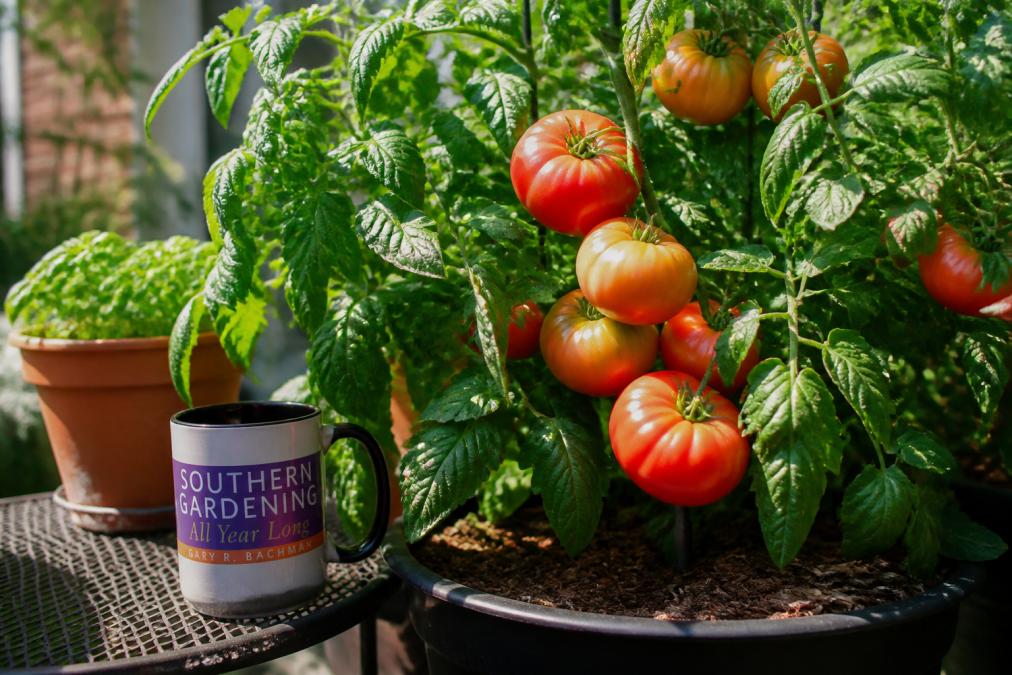
Look for determinant paste-type tomatoes and varieties specifically selected for warm-climate performance. The Heritage Cottage Orange was developed through years of seed saving in warm growing zones and performs reliably when other varieties fail. Mississippi State University Extension recommends checking your USDA hardiness zone and selecting varieties proven to perform in your specific growing zone.

Master Watering Schedules for Hot Climates
Water management in heat is where most gardeners either drown their plants or let them stress into poor production. In southern climates, tomatoes typically need deep watering 2-3 times per week during peak summer, depending on your soil and rainfall (extension.oregonstate.edu). Use drip irrigation or soaker hoses rather than overhead watering, overhead sprinklers wet foliage and invite fungal disease in humid southern conditions.
Mulching is your second line of defense. A 2-3 inch layer of organic mulch around the base moderates soil temperature, reduces evaporation, and keeps the root zone cooler during the hottest parts of the day. This is especially critical in containers, where soil temperature can spike dangerously high.
Prevent Blossom Drop in Tomatoes Through Temperature Management
Blossom drop is the heartbreak of southern tomato growing. Flowers fall off without setting fruit because tomato pollen becomes sterile when nighttime temperatures exceed 75°F or daytime temperatures stay above 90°F for extended periods (peer-reviewed research).
You can't control the weather, but you can manage your microclimate. Shade cloth that blocks 20-30% of direct sun during the hottest part of the day makes a dramatic difference. Deploy it during peak heat waves (usually July and August) and remove it when temperatures moderate. Air circulation matters too, good airflow around plants helps prevent humid conditions that trigger disease. Container gardening actually gives you an advantage here because you can move pots to catch afternoon shade or position them where air moves more freely.
Container Gardening for Tomatoes in Southern Heat
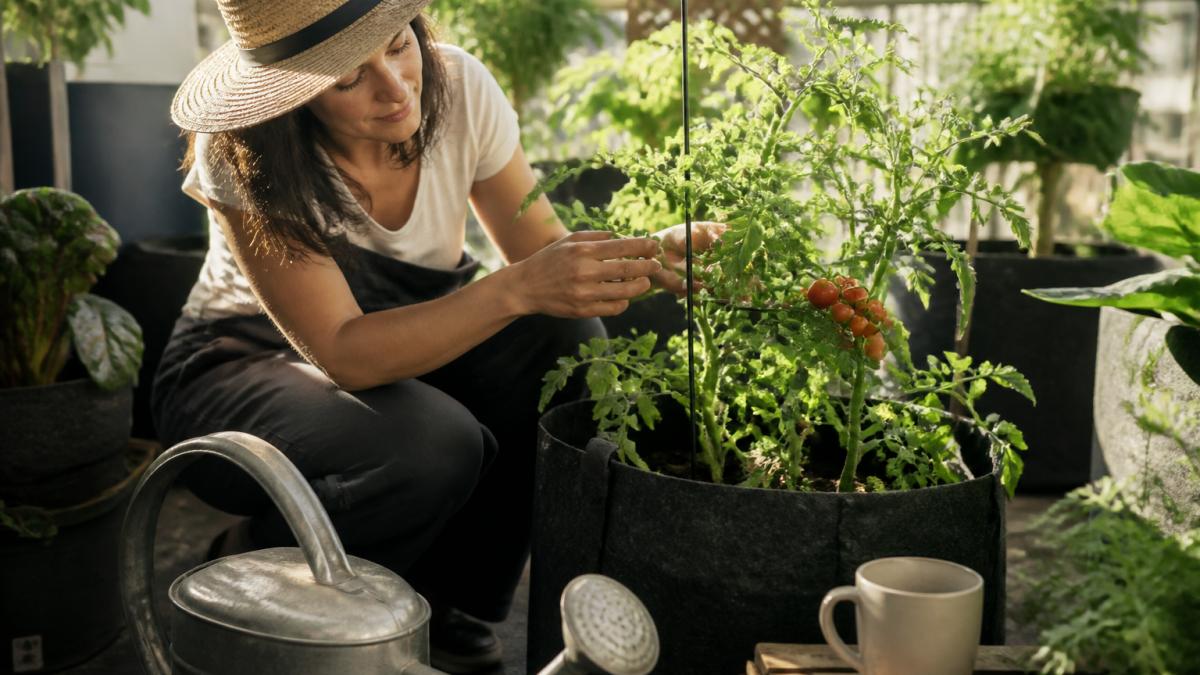
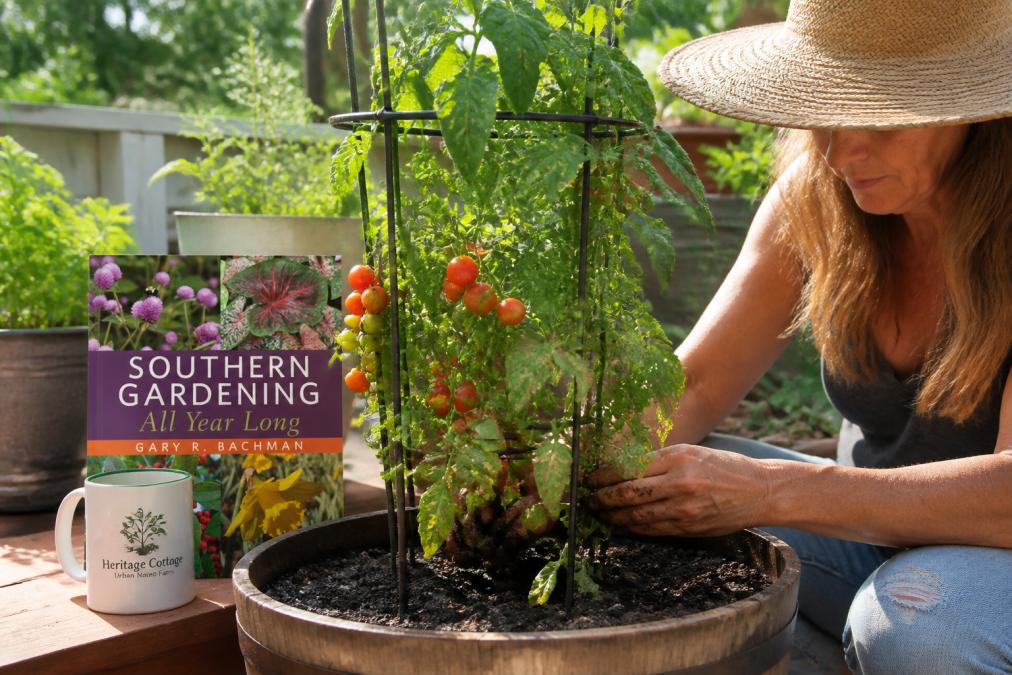
Growing tomatoes in containers is one of the smartest moves for southern gardeners. Containers give you complete control over soil quality, drainage, and microclimate positioning.

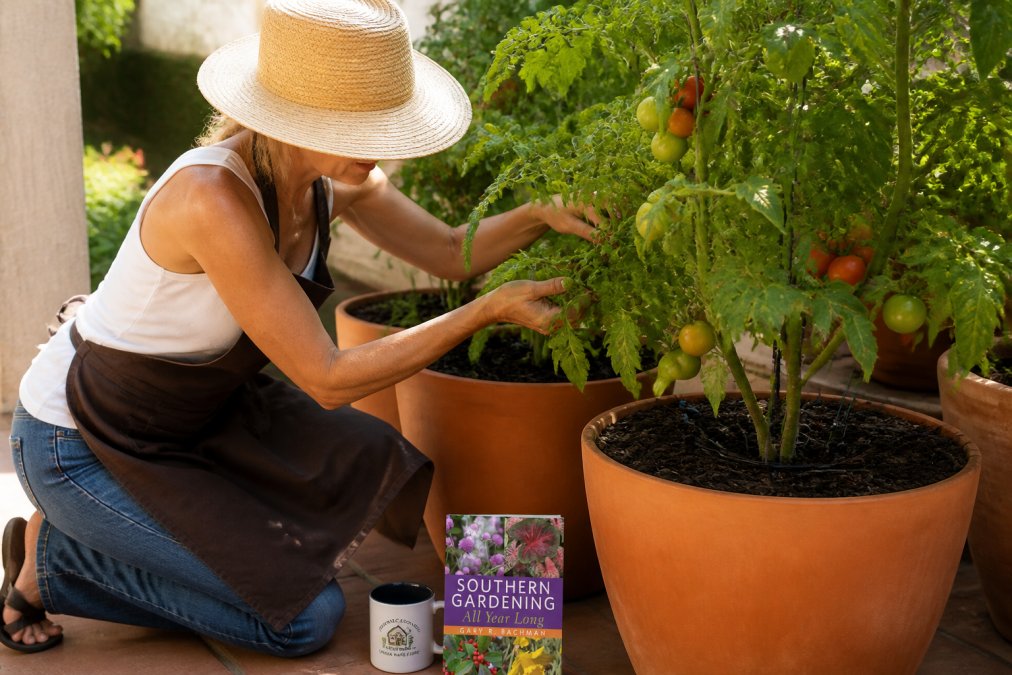
Use containers at least 5 gallons, ideally 10-15 gallons, filled with well-draining potting mix amended with organic matter. Containers dry out faster than in-ground beds, so you'll water more frequently, sometimes daily during peak summer. Position containers where they get morning sun but afternoon shade during the hottest months. Light-colored pots or shade cloth help, since dark containers can exceed air temperature by 15-20°F in direct sun.
| Strategy | Best For | Key Benefit |
|---|---|---|
| Heat-tolerant varieties | All southern gardens | Fruit set in high heat |
| Drip irrigation + mulch | In-ground beds | Consistent moisture, cooler roots |
| Shade cloth | Peak summer months | Prevents sunscald, reduces blossom drop |
| Container gardening | Small spaces, maximum control | Complete microclimate management |
Growing tomatoes in southern climates works when you stop fighting the heat and start working with it. The varieties you choose, how consistently you water, and whether you manage temperature stress make the difference between a failed season and abundant harvests. Start with heat-tested varieties, nail your watering schedule, and consider containers if you want full control over your microclimate. Your summer harvest will thank you.
Frequently Asked Questions
What are the best heat-tolerant tomato varieties for southern gardens?
Heat-tolerant tomato varieties thrive where daytime temperatures exceed 85°F and nights stay warm. Heritage Cottage Orange and Heritage Cottage Paste are determinant varieties bred to set fruit reliably in southern conditions. Look for varieties labeled as heat-tolerant or suited to USDA zones 8-10, which handle thermal stress better than traditional heirlooms. Mississippi State University Extension recommends testing varieties in your specific microclimate before committing to a large planting.
Why does blossom drop happen in tomatoes, and how do I prevent it?
Blossom drop in tomatoes occurs when nighttime temperatures stay below 55°F or above 75°F, preventing proper pollination and fruit set. Southern gardeners often face this during early spring or when heat spikes in summer. Provide afternoon shade with shade cloth when daytime temperatures exceed 90°F, ensure consistent soil moisture through drip irrigation, and mulch heavily to moderate root-zone temperature swings. Adequate calcium and consistent watering also reduce blossom end rot, which compounds the stress.
Is container gardening really better for growing tomatoes in southern climates?
Container gardening for tomatoes offers southern gardeners better control over soil moisture, temperature, and drainage than in-ground planting. Containers warm up and cool down faster, helping you manage the root zone during extreme heat. You can move pots to shade during peak afternoon sun and relocate them to catch morning light. This flexibility is especially valuable in humid southern climates where air circulation prevents disease. Use 5-gallon containers minimum with well-drained loam amended with organic matter.