 comparison
Heirloom vs Hybrid Seeds Explained
Table of Contents
- What Are Heirloom Seeds and Hybrid Seeds?
- Heirloom vs Hybrid Seeds: Key Differences
- How to Save Heirloom Seeds for Next Year
- Best Heirloom Vegetables for Containers
- Frequently Asked Questions
Last Updated: August 22, 2026
What Are Heirloom Seeds and Hybrid Seeds?
When you're standing in front of seed catalogs, you're really making a choice between two different gardening philosophies. Heirloom seeds are open-pollinated varieties passed down through generations, often for 50 years or more. They reproduce true-to-type, meaning if you save seeds from your best tomato plant, next year's plants will be virtually identical. Hybrid seeds are deliberate crosses between two different parent lines, bred to combine specific traits like disease resistance or yield potential.
The difference matters, especially if you're planning to save seeds year after year. Heirlooms give you genetic continuity and flavor profiles refined over decades. Hybrids give you vigor and predictability through hybrid vigor, where the first generation often outperforms both parents.
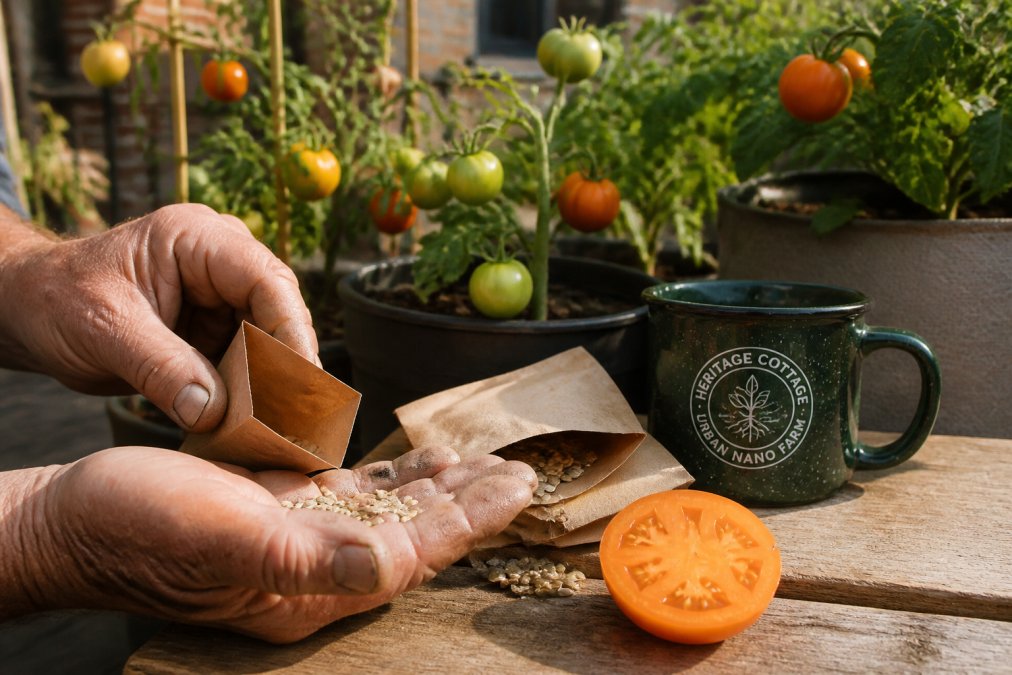
At Heritage Cottage Seeds, we focus on heirloom and open-pollinated varieties because they're the ones most home gardeners struggle to find elsewhere. These aren't the mass-market hybrids at every big-box store, they're varieties that deliver real flavor and real connection to gardening history.

Heirloom vs Hybrid Seeds: Key Differences
Heirloom and open-pollinated seeds reproduce through natural cross-pollination by bees, wind, or insects. Because genetics stay stable across generations, you get consistency. Plant a heirloom tomato, save the seeds, and grow it again next year, you'll recognize the plant immediately.

Hybrids work differently. They're created by deliberately crossing two pure parent lines to get offspring with combined traits. That first generation performs beautifully, but if you save seeds from a hybrid and plant them next year, you won't get the same plant back. The genetics segregate, and you'll get a mix of traits from both parents.
For seed saving and true-to-type characteristics, heirlooms are your answer. If you want maximum yield, disease resistance, or uniformity, hybrids often deliver. The choice depends on what matters most to your garden.
How to Save Heirloom Seeds for Next Year
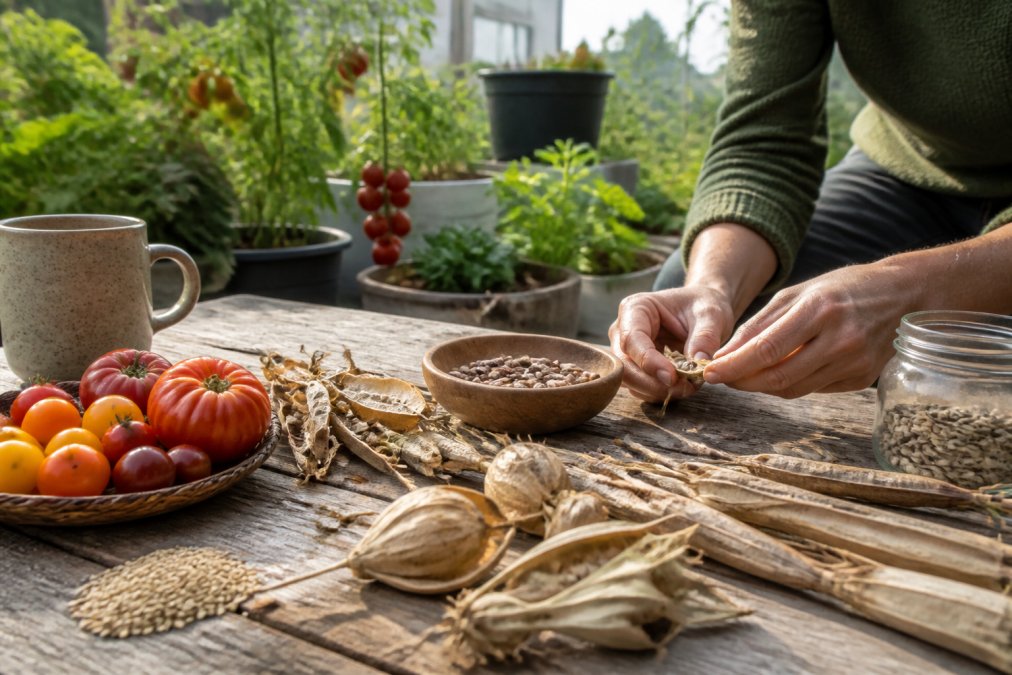
Saving seeds from heirloom plants is straightforward. Let plants fully mature on the vine. For tomatoes, wait until the fruit is soft and overripe. Extract seeds into a bowl of water, ferment them for a few days to remove the gel coating, rinse thoroughly, and spread them on a plate to dry completely. Store dried seeds in a cool, dry place in paper envelopes, not plastic, which traps moisture.
Maintain proper isolation distance. Keep multiple tomato varieties at least 10 feet apart to prevent cross-pollination (extension.msstate.edu). Beans and peas self-pollinate and rarely cross. Squash and cucumber require more space because they cross-pollinate readily. According to Mississippi State University Extension gardening guides, maintaining proper isolation ensures your saved seeds grow true-to-type the following season.
Let seeds fully mature on the plant, and store them in cool, dry conditions. A basement or closet works better than a kitchen shelf.
Best Heirloom Vegetables for Containers
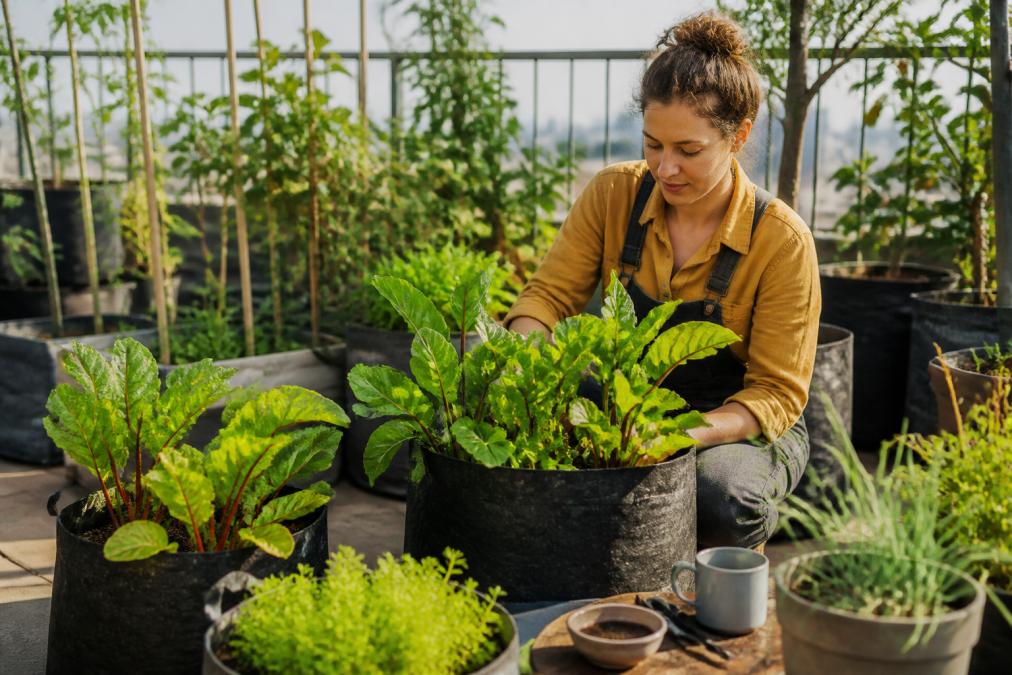
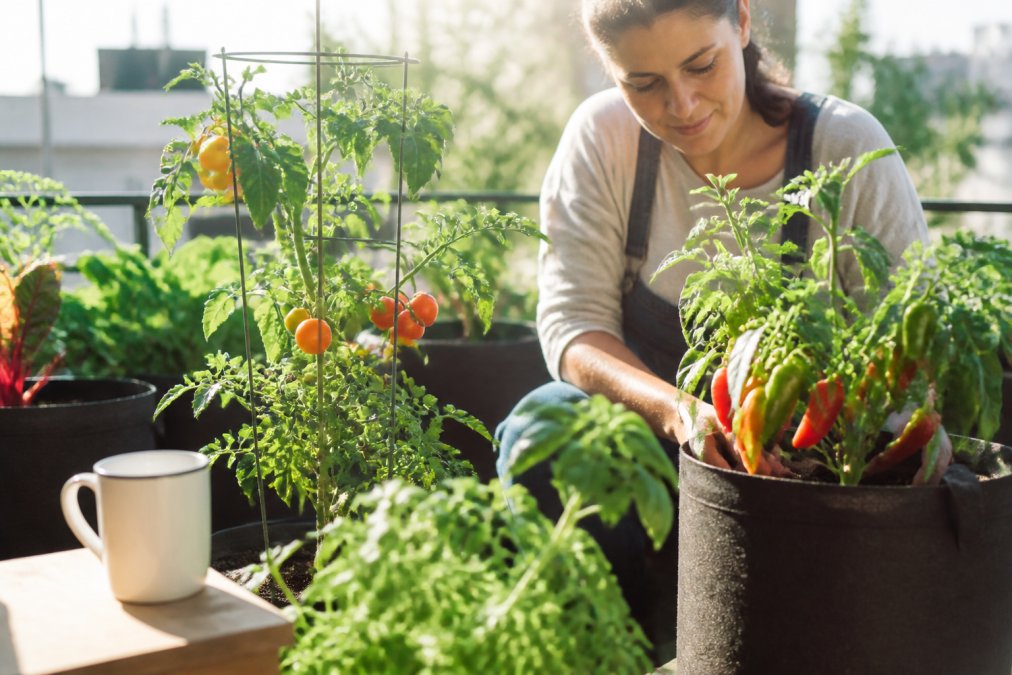
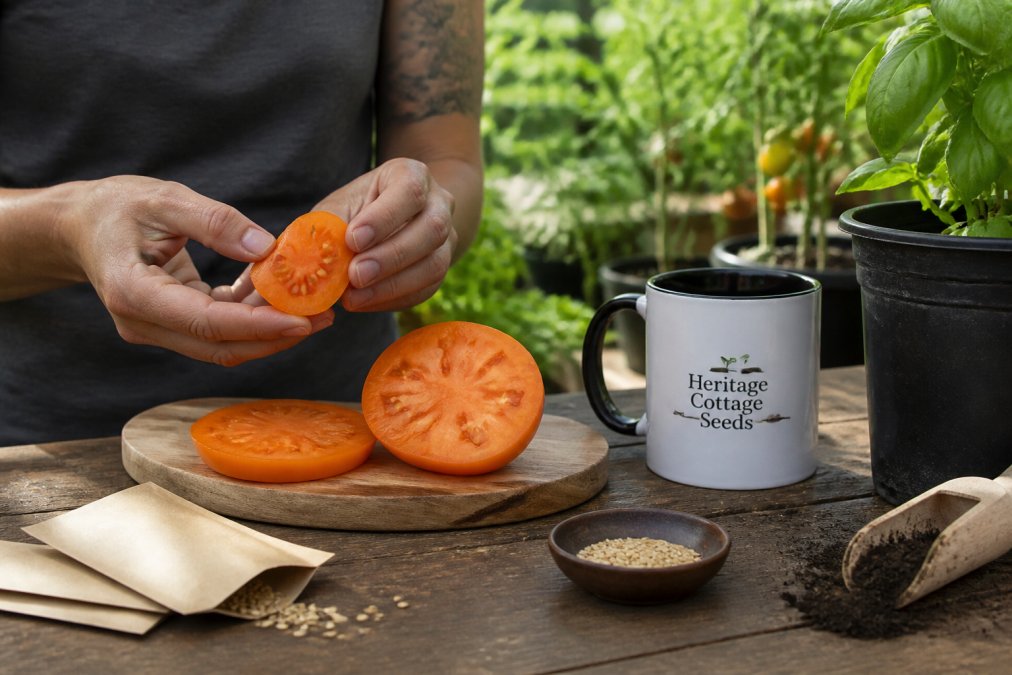
Container gardening opens up heirloom varieties to apartment dwellers and gardeners with limited space. Determinate tomatoes, varieties that grow to a fixed height and concentrate their harvest, are natural choices for containers. The Heritage Cottage Orange tomato is a determinate variety reaching 3-4 feet tall, producing medium-sized orange fruits with sweet-tangy flavor.
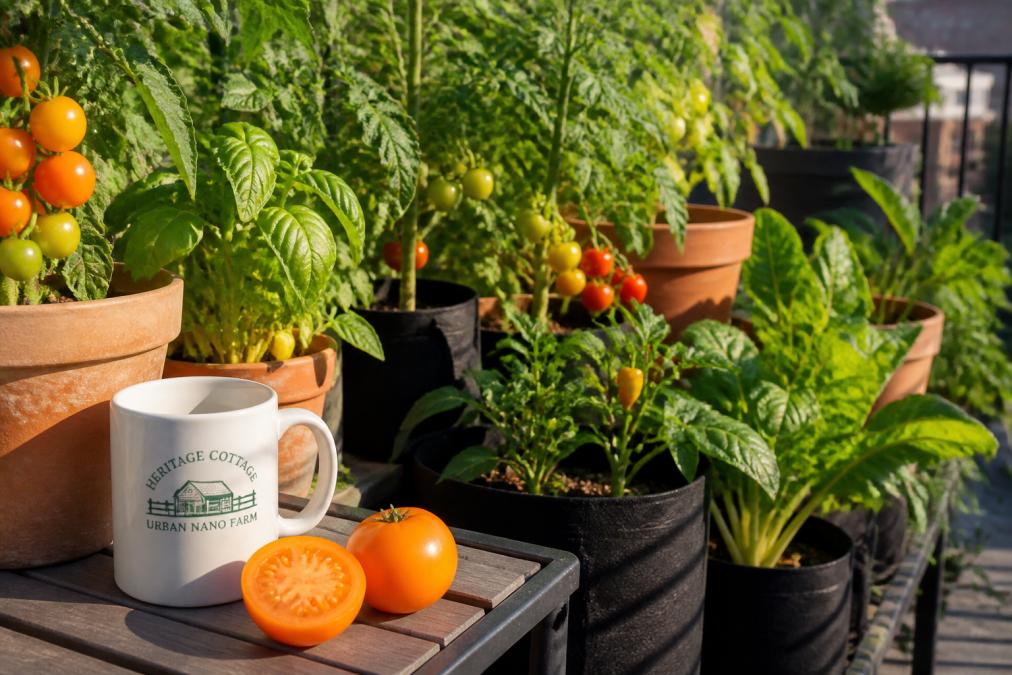
For cooler climates, the Siberian Red Heirloom tomato thrives in containers while delivering classic tomato flavor. Basil, especially Mrs. Burns' Lemon Basil, grows beautifully in pots and provides fresh herb harvests all season.

Container gardening lets you control soil quality and drainage. According to Mississippi State University Extension container gardening recommendations, use quality potting soil and containers with drainage holes. Start with 5-gallon containers minimum for tomatoes; smaller pots work for herbs and peppers.
Growing heirloom vegetables teaches you something important about food and flavor that supermarket produce can't. When deciding between heirloom and hybrid seeds, remember that Heritage Cottage Seeds specializes in rare, proven heirloom varieties like Cherokee Purple and Black Ethiopian tomatoes. Start with one or two varieties, save your seeds, and watch your garden become more personal each year.
| Characteristic | Heirloom Seeds | Hybrid Seeds |
|---|---|---|
| Seed saving | True-to-type | Will not breed true |
| Flavor | Often superior | Optimized for shipping |
| Disease resistance | Variable | Usually strong |
| Yield potential | Moderate to high | Often higher |
| Availability | Specialty sources | Widely available |
| Cost per packet | Comparable | Comparable |
=== FAQ ANSWERS (audit these too, same rules) ===
[1] Q: What's the main difference between heirloom and hybrid seeds? A: Heirloom seeds are open-pollinated varieties that have been grown and saved for generations, producing plants that are true-to-type year after year. Hybrid seeds are created by crossing two specific parent lines to produce uniform, vigorous offspring. Hybrids cannot be saved and replanted reliably because their offspring won't match the parent plant. Heirloom seeds maintain their genetic stability, making them ideal for seed saving and long-term gardening.
[2] Q: Can I save seeds from hybrid plants for next year? A: Technically you can collect seeds from hybrid plants, but they won't grow true-to-type. The seeds will produce plants that look different from the parent and often perform poorly. This is why seed saving works best with heirloom and open-pollinated varieties. If you want to save seeds year after year, choose heirloom varieties that will produce identical plants when you replant them.
[3] Q: Which seed type is better for container gardening? A: Both heirloom and hybrid seeds can thrive in containers, but heirloom determinate varieties often excel in small spaces. The Heritage Cottage Orange tomato, for example, grows to just 3-4 feet tall and produces concentrated harvests perfect for containers. Heirloom basil like Mrs. Burns Lemon also performs beautifully in pots. Choose compact heirloom varieties for containers, or select hybrid dwarf cultivars bred specifically for container growing.
Frequently Asked Questions
What's the main difference between heirloom and hybrid seeds?
Heirloom seeds are open-pollinated varieties that have been grown and saved for generations, producing plants that are true-to-type year after year. Hybrid seeds are created by crossing two specific parent lines to produce uniform, vigorous offspring. Hybrids cannot be saved and replanted reliably because their offspring won't match the parent plant. Heirloom seeds maintain their genetic stability, making them ideal for seed saving and long-term gardening.
Can I save seeds from hybrid plants for next year?
Technically you can collect seeds from hybrid plants, but they won't grow true-to-type. The seeds will produce plants that look different from the parent and often perform poorly. This is why seed saving works best with heirloom and open-pollinated varieties. If you want to save seeds year after year, choose heirloom varieties that will produce identical plants when you replant them.
Which seed type is better for container gardening?
Both heirloom and hybrid seeds can thrive in containers, but heirloom determinate varieties often excel in small spaces. The Heritage Cottage Orange tomato, for example, grows to just 3-4 feet tall and produces concentrated harvests perfect for containers. Heirloom basil like Mrs. Burns Lemon also performs beautifully in pots. Choose compact heirloom varieties for containers, or select hybrid dwarf cultivars bred specifically for container growing.