 Comparison
Are Heirloom Seeds Worth the Price?
Last Updated: November 16, 2026
Quick Summary
Heirloom seeds are worth the price for most home gardeners because the extra money buys genetics, history, and a plant you can save seed from at the end of the season. Our tomato packets run $4.00 for 20 to 25 seeds, and open-pollinated heirlooms breed true so you don't buy that variety again.
- Heirloom seeds are open-pollinated varieties grown and saved for generations because they performed well and tasted good.
- Open-pollinated seed grows a plant like the parent, while saving seed from hybrids gives unpredictable results.
- Heirloom describes a variety's history; organic describes how the seed was grown and handled.
- Save seed from your best performer, not the weakest plant, so a variety improves instead of drifting.
- Choose determinate tomatoes like Heritage Cottage Orange or San Marzano for small spaces and containers.
Table of Contents
- What You're Actually Paying For in a Heirloom Seed Packet
- Heirloom Seeds vs Regular: What the Labels Really Mean
- Heirloom Seeds Examples You Can Actually Grow in Containers
- Are Heirloom Seeds Organic? Clearing Up a Common Mix-Up
- The Real Cost Per Harvest: Heirloom vs Hybrid Over a Season
- Seed Saving Economics: What One Packet Returns Over Three Seasons
- Where Heirlooms Win and Where They Don't
- Pick the Variety That Matches Your Garden and Your Goal
- Frequently Asked Questions
What You're Actually Paying For in a Heirloom Seed Packet
Are heirloom seeds worth the price? For most home gardeners, yes, and the reason comes down to what is actually inside the packet. The extra money buys genetics, history, and a plant that will give you seed back at the end of the season.
Heirloom seeds are seeds from open-pollinated plant varieties that have been grown and saved for generations, passed down because they performed well and tasted good. That is the whole idea in one sentence.
Why a $4 Packet Is Not the Same as a $2 Packet
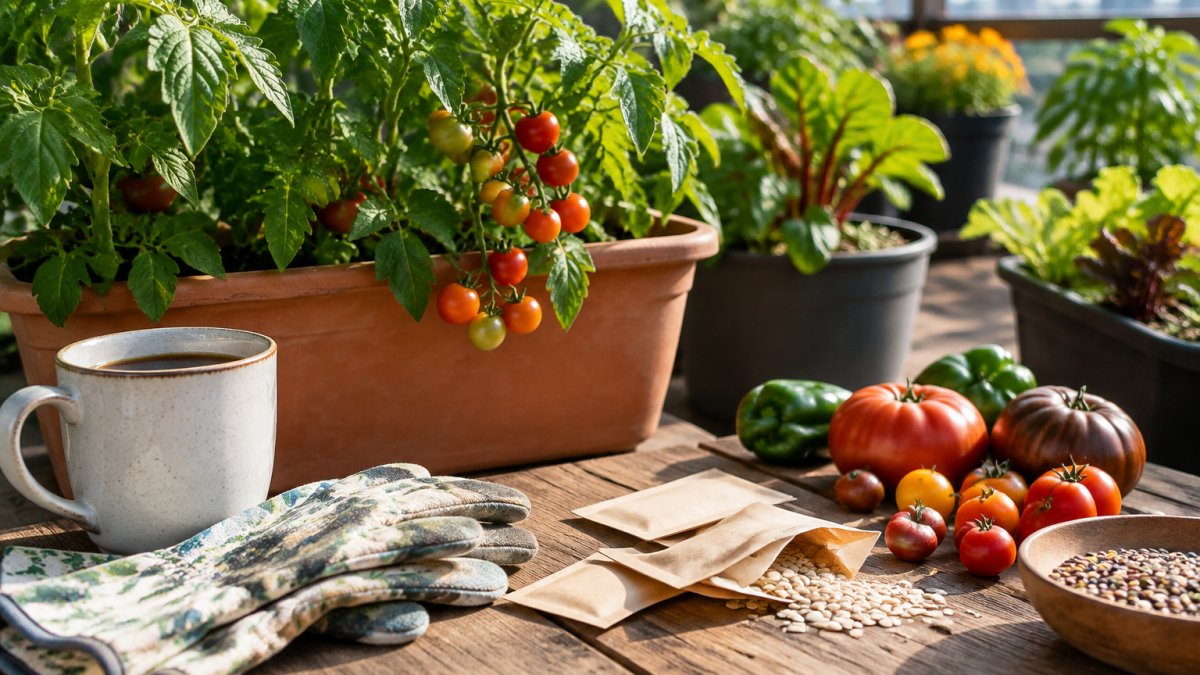
Our tomato packets run $4.00 for 20 to 25 seeds.
The difference shows up in three places:
- Selection history. Someone grew this plant, saved the seed, and did it again next year.
- Flavor first. Heirlooms were kept because they tasted good.
- Seed count honesty. Read the back of the packet. Cheaper packets sometimes hold fewer seeds than you think.
Mississippi State University Extension vegetable gardening resources puts it well: variety selection is one of the single biggest decisions a home gardener makes, and it happens before a single seed goes in the ground.
Heirloom Seeds vs Regular: What the Labels Really Mean
Heirloom seeds vs regular seeds is really a question about how the plant was bred and whether it will breed true. Here is the short answer: heirlooms are open-pollinated, hybrids are a controlled cross, and conventional seeds can be either one. Because hybrids do not breed true, the same distinction between predictable seed-saving and a controlled cross matters when weighing hybrid chestnut trees.
Open-Pollinated, Hybrid, and Conventional Explained
Open-pollinated means pollination happens naturally by wind or insects, and the seed you save will grow a plant like the parent. Hybrid means two specific parent lines were crossed on purpose, and saving seed from the offspring gives you something unpredictable.
Conventional seeds is a looser label. It usually means standard commercial seed, not necessarily hybrid and not necessarily treated.
If you want the full breakdown of how these categories differ, our guide on heirloom vs hybrid seeds explained walks through it step by step.
University of Georgia Extension on saving seed from home gardens notes that open-pollinated varieties are the ones that come back true to type, which is exactly why heirloom growers care about the distinction.
Heirloom Seeds Examples You Can Actually Grow in Containers
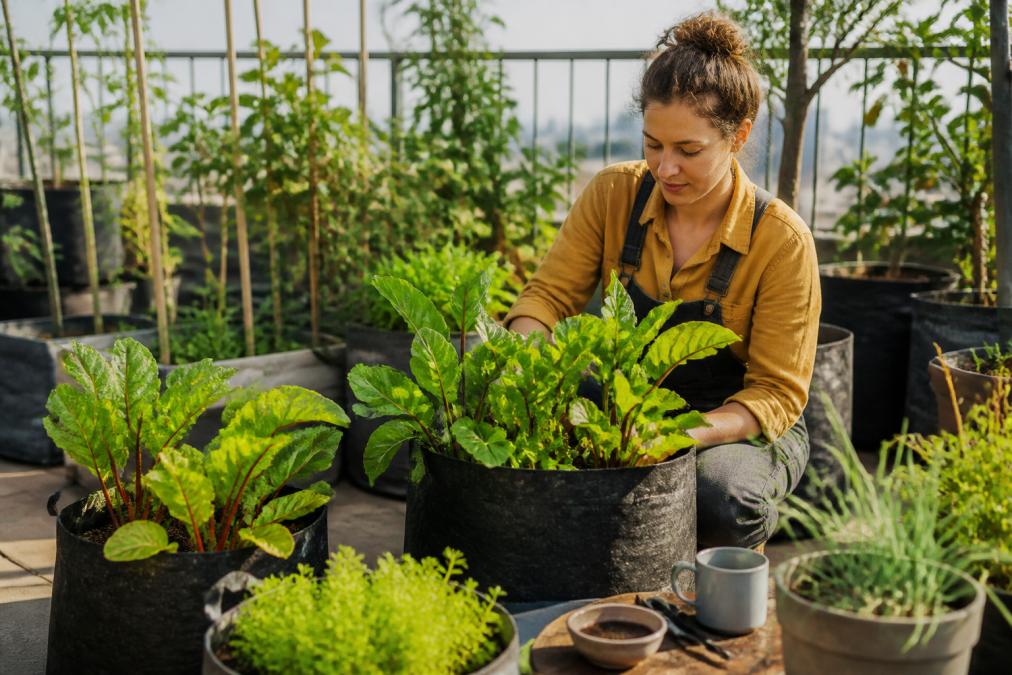
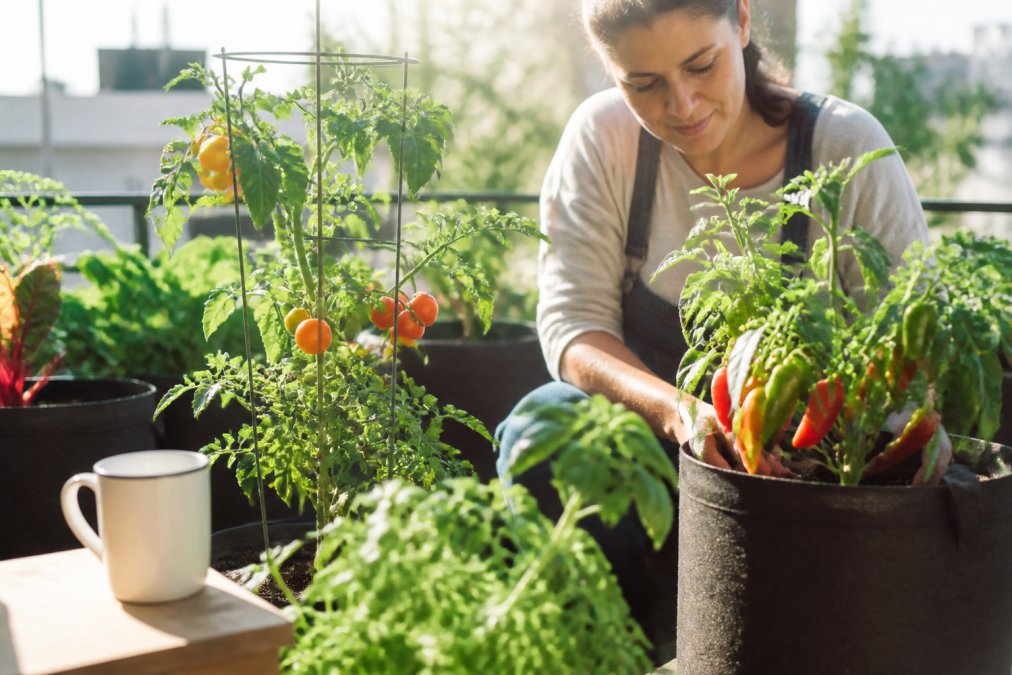
Container growing is where heirlooms earn their keep, especially for anyone with a balcony instead of a backyard. Compact, determinate varieties stay tidy in a pot and still give you real flavor.
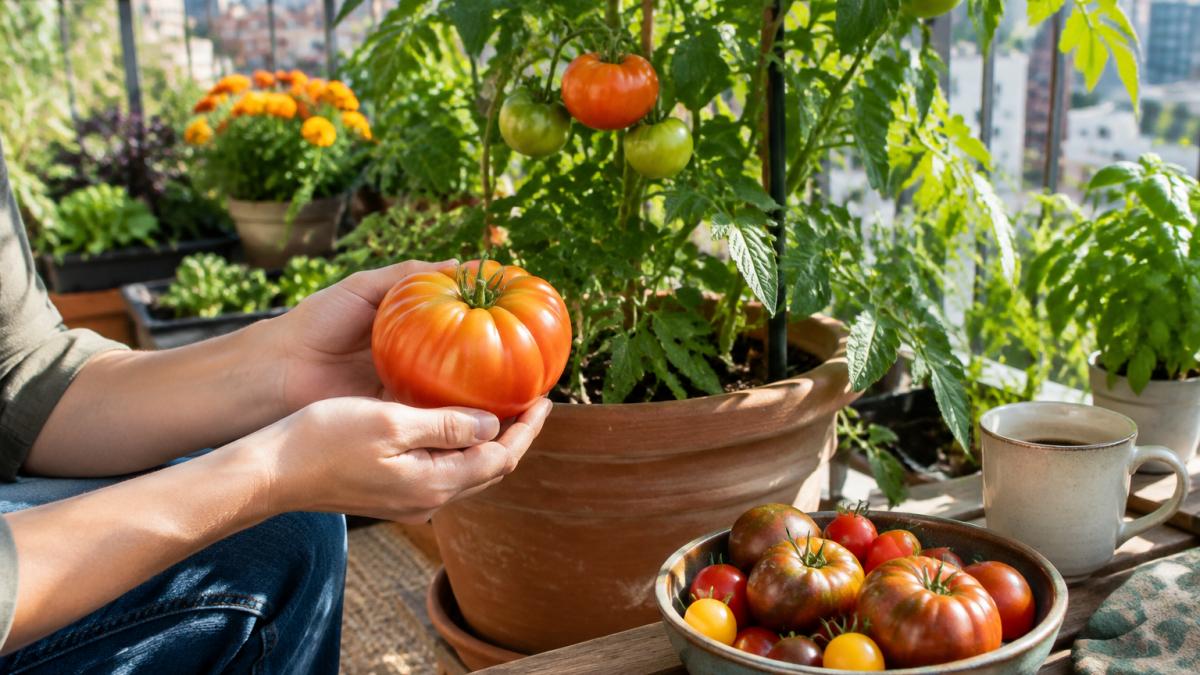
A few we grow and recommend:
- Heritage Cottage Orange Tomato. Determinate, 3 to 4 feet tall, 6 to 8 ounce slicers with a sweet-tangy flavor. It came to us as a coin envelope of seed in 2005, and we have saved it every year since.
- Siberian Red Heirloom Tomato. Cold-tolerant and early, a good pick for short seasons and cool nights.
- San Marzano. The paste tomato. Elongated fruit, meaty walls, few seeds, 75 to 85 days to maturity.
- Cherokee Purple. Indeterminate and big, 8 to 16 ounce beefsteaks with smoky-sweet flesh. Give it a large pot and a stake.
- Mrs. Burns Lemon Basil. Bright green, 24 to 30 inches tall, and it perfumes a whole balcony.
If you are ready to pick a tomato, our guide to the best heirloom tomatoes for containers goes deeper on pot size and support.
Are Heirloom Seeds Organic? Clearing Up a Common Mix-Up
No, heirloom and organic are not the same thing. Heirloom describes the variety's history. Organic describes how the seed was grown and handled.
A seed can be heirloom and not certified organic. It can be certified organic and a hybrid. The two labels answer different questions.
Whether the grower followed organic practices is a separate conversation, and it is worth asking any seed seller directly.
The Real Cost Per Harvest: Heirloom vs Hybrid Over a Season
Cost per harvest is where the price question actually gets settled, and it is not as simple as comparing packet prices. Let's walk through a few common container crops so you can see how the math works out.
| Factor | Heirloom | Hybrid |
|---|---|---|
| Seed cost | Higher per packet | Lower per packet |
| Flavor | Selected for taste | Selected for uniformity |
| Seed saving | Works, breeds true | Unpredictable results |
| Ripening | Spread over weeks | Often concentrated |
| Best for | Home eating, saving seed | Market sales, uniform crops |
Watch out: don't assume a higher packet price always means better germination or yield. Check the seller's germination test date and ask about their storage practices.
Seed Saving Economics: What One Packet Returns Over Three Seasons
Save seed from an open-pollinated heirloom and you do not buy that variety again.
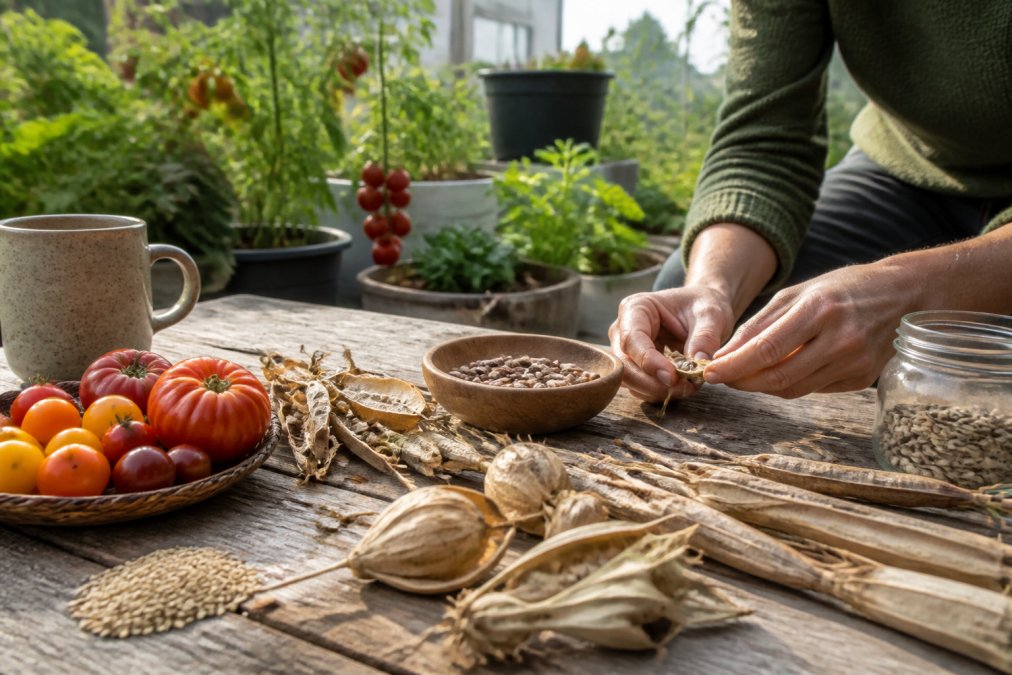
But seed saving isn't free of effort or risk. You need to ferment tomato seeds to remove the gel sac, dry them properly, and store them in a cool, dark place. Our step-by-step guide on saving heirloom seeds covers fermentation, drying, and storage so the seed stays viable.
A common mistake is saving seed from your weakest plant because it was easiest to reach. Save from your best performer instead. That is how a variety improves instead of drifting.
Where Heirlooms Win and Where They Don't
Heirlooms are prized for flavor, variety, and seed saving, along with their color and shape.
For a balanced look at the trade-offs, our comparison of whether heirloom seeds are better than hybrids lays out the cases side by side.
USDA Agricultural Research Service plant breeding information explains how breeding for traits like disease resistance works, which helps you understand what hybrids were actually built to do.
Pick the Variety That Matches Your Garden and Your Goal
Start with your goal, then pick the seed. That order saves money and disappointment.
- Small space? Choose determinate tomatoes like Heritage Cottage Orange or San Marzano.
- Short season or cool nights? Siberian Red is built for that.
- Saving seed? Open-pollinated varieties are the ones to look for.
- Cooking and canning? San Marzano is the paste tomato for sauces and roasting.
If the price premium still nags at you, our breakdown of why heirloom tomato seeds cost more shows exactly where the money goes.
The real question is not whether a packet costs a few dollars more. It is whether you want a plant that tastes like something and gives you seed for next year. We grow, save, and select every variety we sell, and we are happy to help you match one to your space and your season. Get started with Heritage Cottage Seeds and grow a tomato worth putting on the table.
Frequently Asked Questions
Is it better to buy heirloom seeds or hybrid seeds?
It depends on what you want from the garden. Hybrid seeds often deliver uniform fruit and concentrated yields, which suits growers who want a predictable harvest and don't plan to save seed. Heirloom seeds give you flavor and color you won't find at the store, and because they're open-pollinated, you can save seed from your best plants and replant it next season. If you want a one-and-done purchase that keeps giving, heirlooms usually come out ahead.
Are heirloom seeds organic?
Not automatically. Heirloom describes a variety's history and how it's pollinated, not how it was grown. A seed can be an heirloom and still come from a farm using conventional practices. If organic growing matters to you, look for the USDA Organic seal on the packet in addition to the heirloom description. The two labels answer different questions, and a variety can carry one, both, or neither.
Can you save seeds from heirloom vegetables?
Yes, that's the whole point of an open-pollinated heirloom. Save seed from your healthiest, best-tasting plants and the next generation will breed true to type, meaning the fruit looks and tastes like the parent. Keep in mind that squash, cucumbers, and corn cross-pollinate easily, so separate varieties or hand-pollinate if you're saving those. Tomatoes, peppers, and beans are far more forgiving for a first seed-saving attempt.
What are the disadvantages of using heirloom seeds?
Heirlooms can be less uniform than hybrids, so fruit size and ripening time vary from plant to plant. Yields per plant may vary from a hybrid bred for production. Give plants good airflow and spacing in containers.