 how-to
How to Grow Rare Peppers with Kids: A 2026 Guide
Table of Contents
- Why Rare Peppers Make the Perfect Kids' Gardening Project
- Getting Started: How to Start Seeds Indoors in 2026
- The Best Container Peppers for Beginners and How to Transplant
- Pepper Plant Care Tips for Containers and Fun Gardening with Kids Activities
- Frequently Asked Questions
Last Updated: September 4, 2026
Why Rare Peppers Make the Perfect Kids' Gardening Project
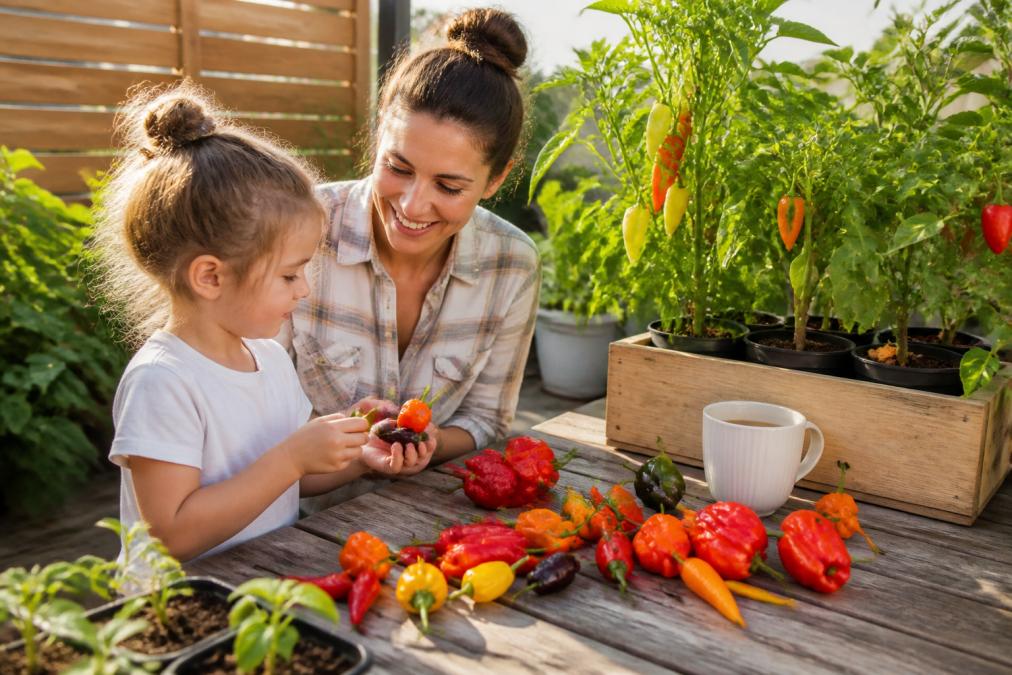
Growing rare peppers with kids is one of the most rewarding ways to teach patience, science, and a love for real food. Unlike common grocery store varieties, rare peppers offer surprising shapes, colors, and flavors that spark genuine curiosity.
The real magic is that peppers are warm-season crops that grow well in containers, making them perfect for patios and small backyard spaces. A single potted plant becomes a summer-long science experiment. The Mississippi State University Extension Mississippi State University Extension vegetable gardening guide recommends peppers as an excellent choice for beginner gardeners in the Southeast due to their manageable size and reliable production.
Getting Started: How to Start Seeds Indoors in 2026
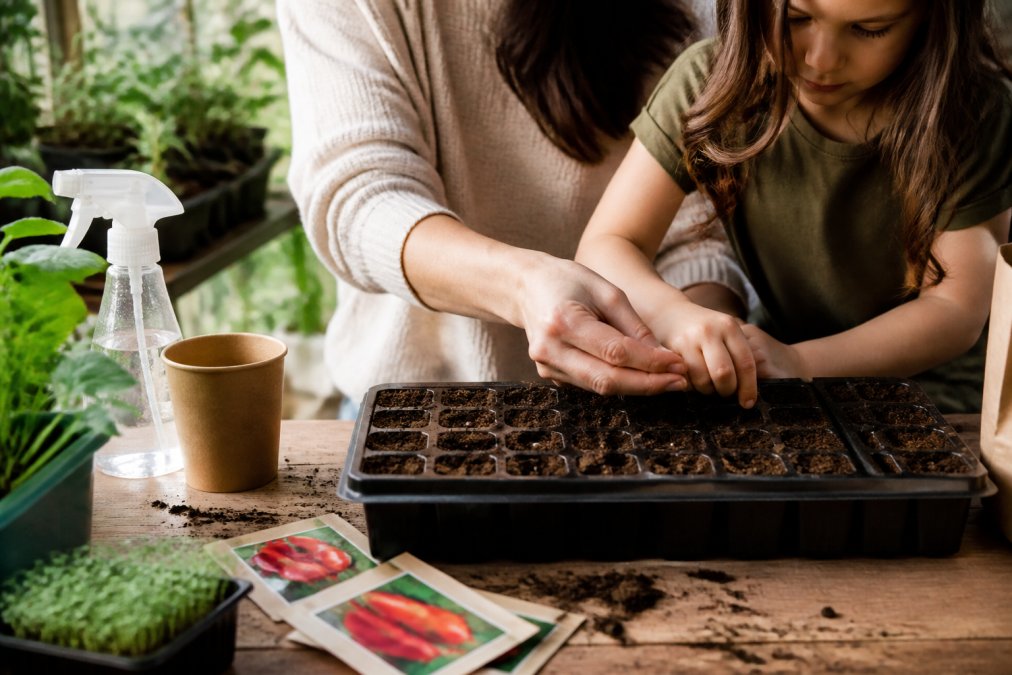
Start seeds indoors 8 to 10 weeks before your area's last expected frost date (extension.msstate.edu). Use a lightweight seed-starting mix, plant seeds about a quarter-inch deep, and keep soil temperature between 75 and 85 degrees Fahrenheit for best germination.
A humidity dome helps maintain moisture during germination, which typically takes 7 to 21 days. Move trays to bright light once seedlings emerge, and avoid overwatering, which can cause damping-off disease.
The Best Container Peppers for Beginners and How to Transplant
For families new to gardening, the best container peppers are compact varieties with shorter days to maturity. The Biquinho Red Pepper produces glossy teardrop-shaped fruits with a sweet, fruity flavor and very gentle heat around 500 to 1,000 Scoville units.

The Biquinho Yellow Pepper offers similar charm with bright yellow fruits and ultra-mild heat ranging from 100 to 1,000 Scoville Heat Units. Biquinho peppers are excellent for fresh eating and pickling.
Wait until all danger of frost has passed and nighttime temperatures stay above 55 degrees Fahrenheit. Harden off seedlings over 7 to 10 days, then plant at the same depth they grew in their pots, spacing them 18 to 24 inches apart in containers at least 5 gallons in size.
| Pepper Variety | Heat Level | Days to Maturity | Container Size | Best For |
|---|---|---|---|---|
| Biquinho Red | 500-1,000 SHU | 70-80 days | 3-5 gallon pot | Kids who want sweet snacking peppers |
| Biquinho Yellow | 100-1,000 SHU | 70-80 days | 3-5 gallon pot | Bright color appeal and mild flavor |
| Aleppo Pepper | 5,000-10,000 SHU | 80-90 days | 5 gallon pot | Families who enjoy mild-to-medium heat |
| Calabrian Pepper | Medium heat | 75-85 days | 5 gallon pot | Cooking projects and making chili paste |
Pepper Plant Care Tips for Containers and Fun Gardening with Kids Activities
Container peppers need at least 6 to 8 hours of direct sunlight daily, along with well-draining potting soil enriched with organic fertilizer. Water deeply when the top inch of soil feels dry, and use sterile potting soil to help prevent soil-borne diseases.
For gardeners in the Southeast, intense heat and humidity create specific challenges. Mississippi State University Extension Mississippi State University Extension publication on pepper production suggests mulching around container plants to conserve moisture and moderate soil temperature. During extreme heat waves, afternoon shade can prevent flower drop and sunscald on developing fruits.
Keep kids invested with a growing chart where they check off milestones like first sprout, first true leaves, first flower, and first fruit. Award points for each milestone and celebrate with a pepper-themed snack at harvest.
Leggy seedlings need more light; yellow leaves often mean overwatering or nutrient deficiency. For impatient kids, count down the days to maturity on a calendar and grow a fast-maturing variety alongside slower peppers.
At harvest time, let children help pick peppers, wash them, and taste-test different varieties side by side. The Calabrian pepper offers a bold, smoky sweetness perfect for making simple chili paste, while Aleppo peppers can be dried and crushed into flakes for family meals.
For reliable germination and vigorous plants, start with proven seeds. Heritage Cottage Seeds offers a curated selection of rare and unusual pepper varieties that perform well for home gardeners, including Biquinho, Aleppo, and Calabrian types.
Growing rare peppers with kids builds patience, teaches responsibility, and creates genuine excitement about where food comes from. Start with a compact Biquinho pepper for young children, or choose the Aleppo for a mild culinary adventure. Browse the rare pepper seed collection and begin your family's growing project this season.
Frequently Asked Questions
What are the best rare pepper varieties for children to grow?
Look for compact, productive plants with mild heat and a fast days to maturity. Biquinho peppers, both Red and Yellow, are Brazilian heirlooms with a sweet, fruity flavor and very gentle heat (500-1,000 SHU), making them perfect for little taste testers. Aleppo peppers offer a warm, smoky flavor without overwhelming spice. These varieties are also well-suited for container gardening, which is ideal for kids since the plants stay manageable and can be moved to catch the best sunlight.
How long does it take for rare peppers to grow from seed?
Rare pepper varieties generally need a longer growing season than common hybrids, typically ranging from 70 to 100+ days to maturity after transplanting. Starting seeds indoors 8-10 weeks before your last frost date is critical. This head start allows the plants to mature and produce fruit before the end of the season. In the Southeast, this means sowing seeds in late winter or very early spring to ensure a bountiful harvest by mid-summer.
How do you teach kids to care for pepper plants in containers?
Turn daily care into a simple routine. Give your child a small watering can and teach them to check the top inch of soil; if it feels dry, it is time to water with lukewarm water. Make it a game to look for new flowers or tiny peppers each morning. Explain that peppers love sunshine, so the container needs a spot with 6-8 hours of direct light. Show them how to gently feel the leaves to check for pests, turning plant care into a fun, hands-on science lesson.