 how-to
How to Save Open Pollinated Seeds
Table of Contents
- Why Save Open Pollinated Seeds
- Harvesting Tomato Seeds and Other Vegetables
- How to Store Vegetable Seeds Properly
- Preventing Cross-Pollination in Vegetables
- Frequently Asked Questions
Last Updated: August 30, 2026
Why Save Open Pollinated Seeds
Saving seeds from your garden is one of the most rewarding practices a home gardener can adopt. When you save open pollinated seeds, you're preserving genetics refined over generations. Unlike hybrid varieties, open-pollinated plants produce seeds that grow true-to-type, meaning next year's plants will be nearly identical to their parents (extension.org).
You gain independence from seed catalogs and the ability to adapt varieties to your garden's conditions. A tomato variety that thrives in your microclimate becomes even better adapted over successive seasons. According to Mississippi State University Extension guidance on heirloom gardening, open-pollinated varieties have been grown and saved by gardeners for decades, making them reliable performers in home gardens across the Southeast.

Harvesting Tomato Seeds and Other Vegetables
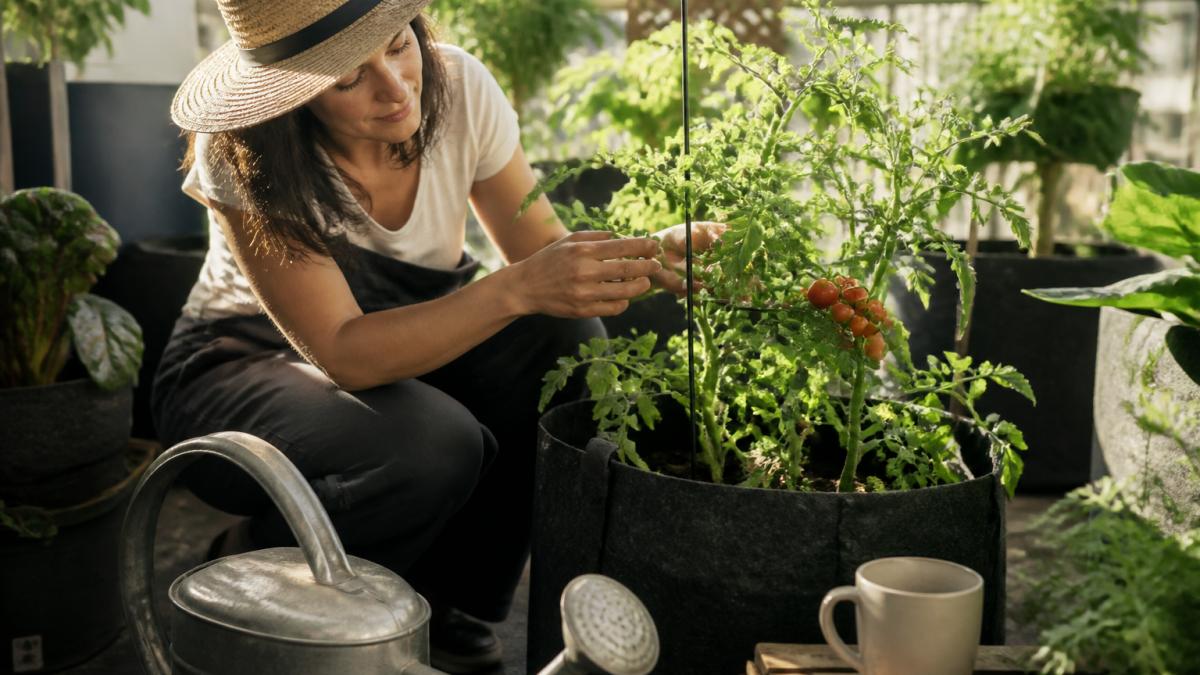
Timing your harvest correctly determines whether your seeds will be viable. For tomatoes, wait until the fruit is fully ripe. Gently squeeze the seed mass into a container and let it ferment for a few days. This fermentation process breaks down the gel coating, making seeds easier to clean.

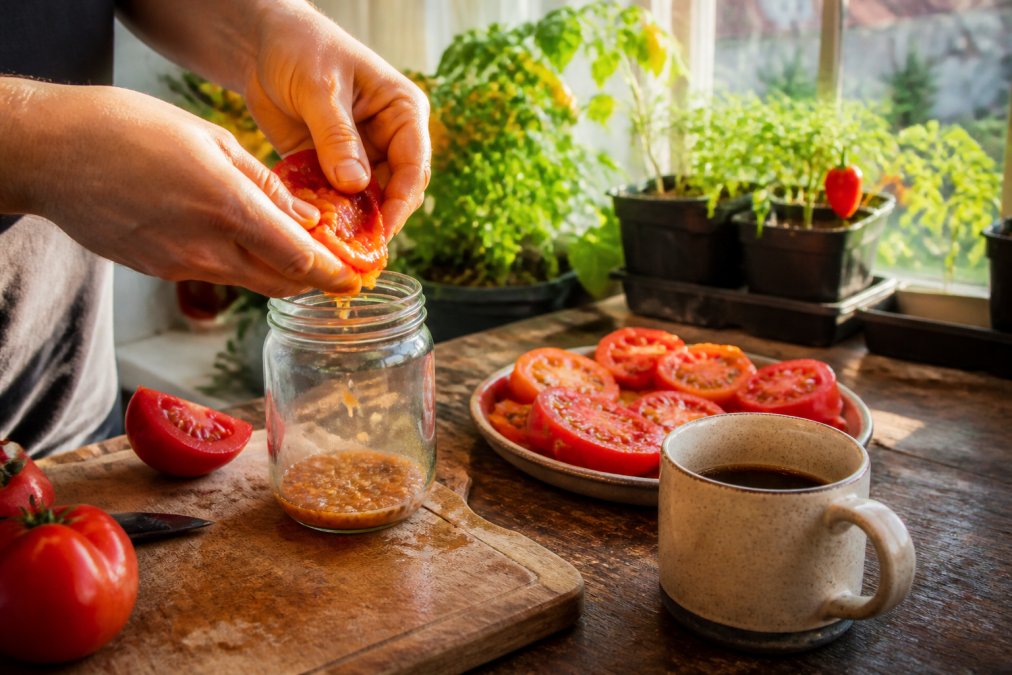
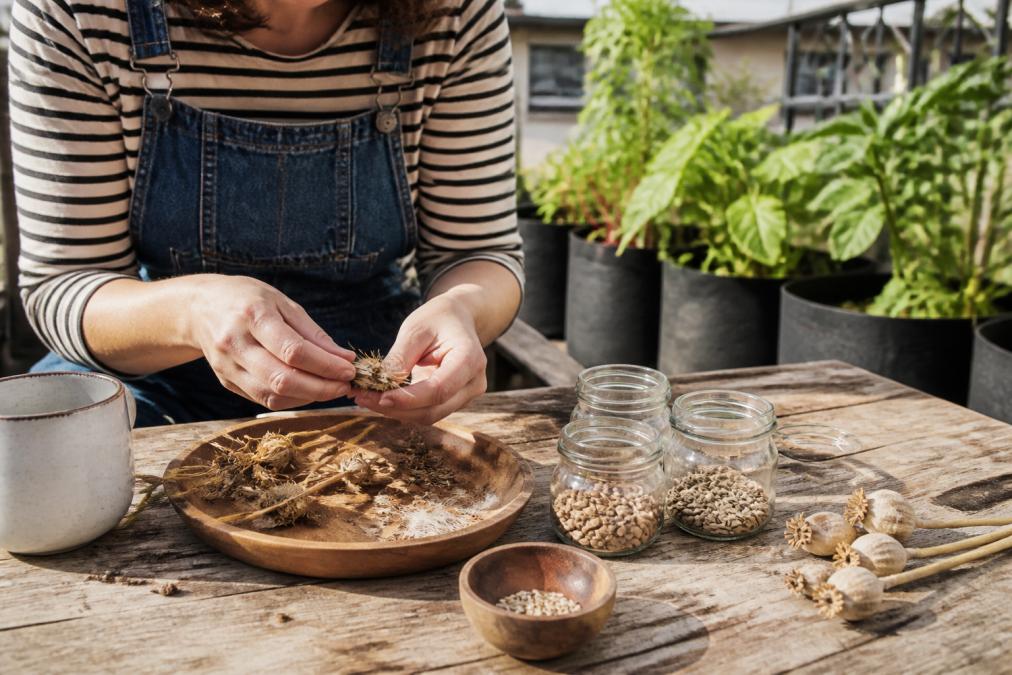
For peppers, harvest when fully mature and deeply colored. Let them dry on the plant if weather permits. Beans and peas are simpler, leave the pods on the plant until completely dry and papery, then shell them directly. The key is recognizing seed maturity: a mature seed looks full and firm, not shriveled or pale.
How to Store Vegetable Seeds Properly
Proper storage requires three things: cool temperature, low moisture, and darkness. A sealed container in a cool closet or basement works well. Silica gel packets absorb excess moisture and extend seed viability significantly.
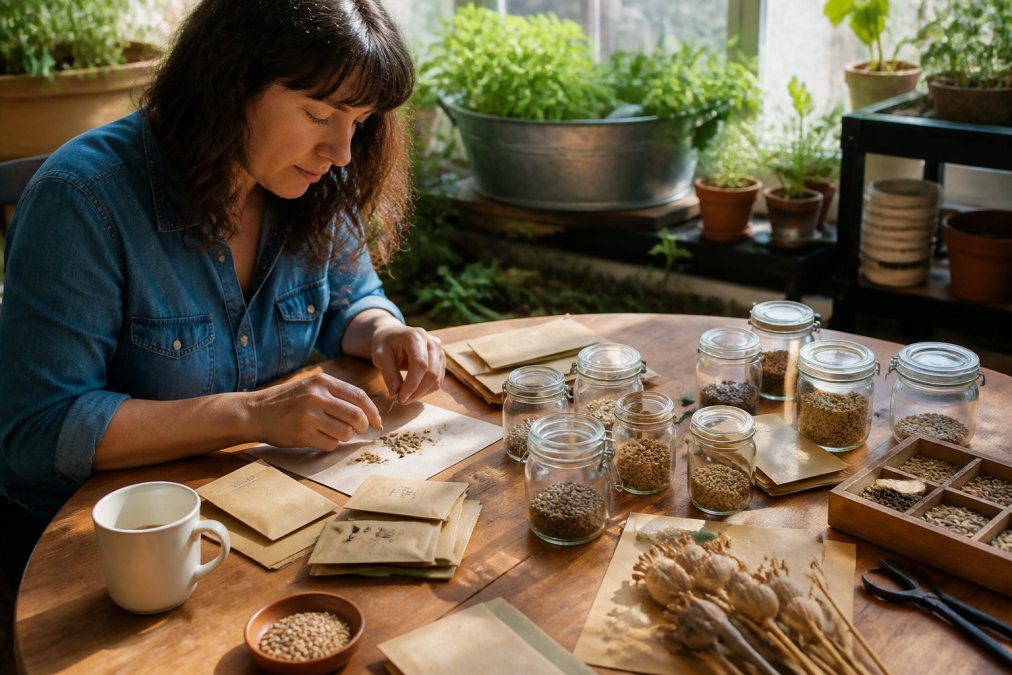
For longer storage, refrigeration at around 40°F extends viability considerably. Label everything clearly with variety name, harvest date, and plant performance notes.
Preventing Cross-Pollination in Vegetables
Cross-pollination occurs when different varieties of the same species flower simultaneously and bees or wind carry pollen between them. Tomatoes are self-pollinating and rarely cross with other tomato varieties. Peppers occasionally cross but usually self-pollinate. Squash, melons, and cucumbers cross readily and need isolation, space them at least 500 feet apart, or grow only one variety per season.

Beans and peas are excellent for beginners because they self-pollinate almost exclusively. You can grow multiple varieties side by side without worry. The simplest approach: start with self-pollinating crops. University extension seed-saving resources provide isolation distance charts for specific vegetables in your region.
Seed saving connects you directly to your garden's future. Starting with open-pollinated varieties gives you reliable, proven genetics worth preserving. Once you harvest and save seeds from your best plants, you're building a seed collection adapted specifically to your growing conditions. Get started this season and watch your garden evolve year after year.
Frequently Asked Questions
Q: Can you save seeds from open-pollinated plants?
A: Yes, open-pollinated plants are specifically designed for seed saving. Unlike hybrids, open-pollinated varieties produce seeds that grow true-to-type, meaning the next generation will match the parent plant. This is what makes them ideal for home gardeners who want to preserve their favorite varieties year after year. Mississippi State University Extension recommends open-pollinated varieties for gardeners interested in seed saving as a sustainable practice.
Q: How long do saved seeds remain viable for planting?
A: Seed viability depends on storage conditions and the plant type. Most vegetable seeds stay viable for 3-5 years when stored in cool, dry conditions with low moisture content. Tomato seeds, for example, can remain viable for several years if kept at 40°F or below with humidity below 50%. Proper storage with desiccants like silica gel extends longevity significantly. Label your seeds with the harvest date so you know when to test germination rates.
Q: How do I prevent cross-pollination in my home garden?
A: Cross-pollination happens when pollen from one plant fertilizes another. For vegetables like tomatoes and peppers, maintaining isolation distances between different varieties can help. In smaller spaces, stagger planting times so varieties bloom at different times, or cover plants with row covers during flowering. Container gardening offers natural separation, grow different varieties in separate containers spaced apart. Hand-pollinating with a small brush also gives you control over which plants breed together.