 how-to
Identify Common Pests on Rare Pepper Plants
Table of Contents
- Why Pest Identification Matters for Rare Pepper Plants
- Common Pepper Pests: Visual Identification Guide
- Understanding Pepper Plant Leaf Curling Causes
- Early Warning Systems: Spotting Infestations Before They Spread
- Organic Pest Control for Peppers: Your Action Plan
- Container Gardening and Pest Prevention
- Frequently Asked Questions
Last Updated: September 27, 2026
Why Pest Identification Matters for Rare Pepper Plants
Growing rare peppers is rewarding, but pests can derail your season if you don't catch them early, learning to identify pests rare pepper plants before they spread is essential. Learning to identify pests rare pepper plants before they spread is the trick. At Heritage Cottage Seeds, we work with gardeners growing everything from Calabrian to Aleppo varieties, and pest pressure is one of the biggest challenges they face.

Most growers don't notice pest problems until heavy infestation sets in. Early detection changes everything.
Once you know what to look for, spotting pests becomes second nature.
Common Pepper Pests: Visual Identification Guide
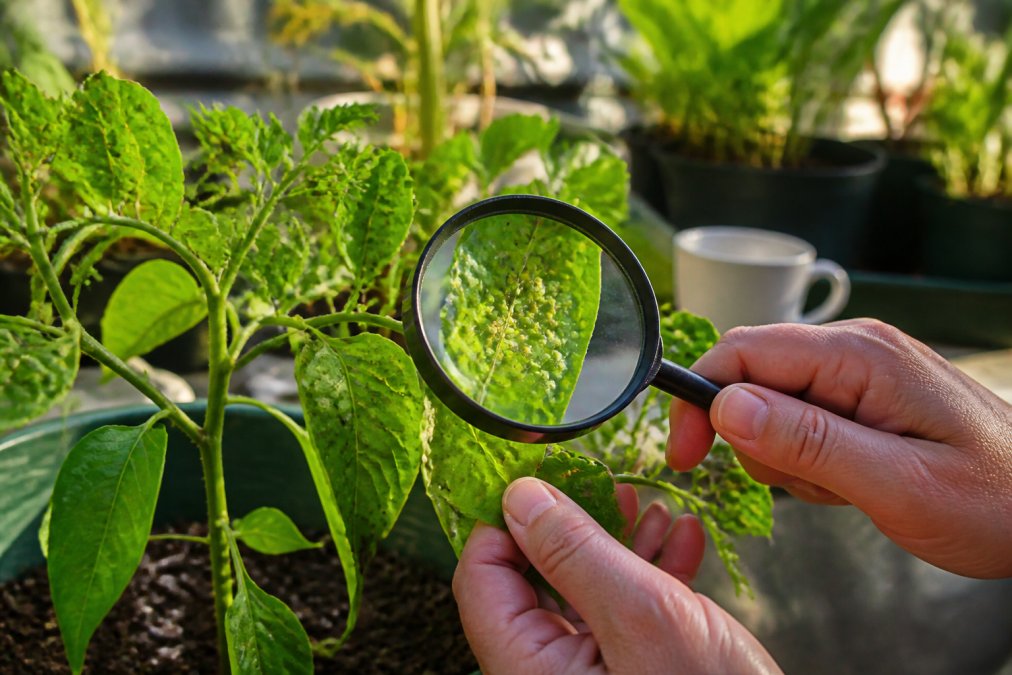
Peppers attract a specific set of pests. Learning to spot them visually saves time and guesswork.
Aphids and Aphid Damage on Pepper Plants
Aphids are tiny, pear-shaped insects that cluster on new growth and leaf undersides. They come in green, black, red, or yellow depending on the species.
What to look for:
- Clusters of small soft-bodied insects on stems and leaves
- Curled or yellowing leaves (especially new growth)
- Sticky residue on leaves and stems (honeydew, their waste)
- Ants farming aphids for that sticky residue
- Stunted plant growth
Light aphid infestations slow growth; heavy ones warp leaves and block photosynthesis. Root aphids live in soil and weaken plants without obvious leaf symptoms.
Spider Mites and Other Mite Damage
Spider mites are nearly invisible; you'll see damage before you see the pest. These tiny arachnids pierce leaf cells and suck out contents.
Mite damage signs:
- Fine webbing on leaf undersides and between stems
- Yellow or bronze speckled leaves (stippling)
- Leaves that look dusty or bleached
- Heavy webbing that eventually covers the whole plant
Spider mites thrive in hot, dry conditions; container peppers are especially vulnerable because soil dries faster. Fine webbing is your biggest clue, once you see it, infestation is established.
Thrips, Whiteflies, and Small Leaf Feeders
Thrips rasp leaf tissue, leaving silvery streaks and distorted growth. Whiteflies suck plant juices, causing yellowing and leaf drop. Whiteflies flutter when disturbed; thrips are sneakier, you'll notice damage before seeing the pest.
Pepper Weevils, Flea Beetles, and Stinkbugs
Pepper weevils lay eggs inside fruits; larvae tunnel through, making fruit unmarketable. Flea beetles create small round holes in leaves and kill seedlings. Stinkbugs pierce fruit and leaves, causing sunken spots and yellowing.
Understanding Pepper Plant Leaf Curling Causes
Curled leaves signal trouble, but the cause matters. The biggest mistake is treating foliar pests when the real issue is underground, or vice versa.
Foliar Pests: Damage Above Ground
Aphids cause upward curling with sticky honeydew residue; look for clusters on leaf undersides. Thrips leave silvery streaks and downward curling. Spider mites cause yellowing and stippling with fine webbing, damage worsens in hot, dry conditions, especially for container peppers. Whiteflies cause yellowing with white insects on leaf undersides. Flea beetles create small round holes and kill seedlings.
Soil-Borne Pests: Damage Below Ground
These pests attack roots and soil-dwelling stages of insects. You won't see the pest, but the plant shows classic stress symptoms.
The Diagnostic Decision Tree
Use this framework when you spot curled leaves:
-
Flip a leaf. Do you see insects, webbing, sticky residue, or fine damage patterns (silvery streaks, stippling)? → Foliar pest. Treat the leaf surface with physical removal or organic spray.
-
No insects visible on leaves. Is the plant wilting even when soil is moist? Are there tiny flies near soil? Does the base of the plant look weak or discolored? → Soil-borne pest or drainage issue. Check roots and soil structure. Replace soil if needed; improve drainage.
-
Leaves curl but plant looks otherwise healthy. Check for heat stress (curling during peak afternoon heat that recovers at night) or low humidity (common in containers). Water consistently and monitor. If curling persists and worsens, suspect pests or nutrient deficiency.
-
Curling paired with mottling or mosaic patterns. This suggests viral infection (pepper mild mottle virus or similar). No pest treatment will help; remove the plant to prevent spread.
Why This Matters for Rare Peppers
Rare pepper varieties, especially heirloom and container-grown types, are often more sensitive to stress than common bell peppers. A soil-borne pest that causes minor stunting in a garden bed can kill a container pepper in weeks. Conversely, a light foliar infestation that you'd ignore on a common pepper can defoliate a rare dwarf variety quickly.
Early Warning Systems: Spotting Infestations Before They Spread
Catching pests early is the difference between a quick fix and disaster. The best early warning system anticipates pest pressure before it arrives.
Understanding Pepper Pest Seasonality
Pests don't arrive randomly. They follow predictable patterns tied to temperature, humidity, and plant growth stage. Knowing when to expect trouble lets you intervene before populations explode.
The Weekly Inspection Protocol
Regular scouting catches problems at the earliest stage. Spend 5-10 minutes per plant, twice a week during peak season.
Preventative Practices That Stop Pests Before They Start
The best pest management happens before pests arrive.
Cultural practices: Water consistently, drought-stressed plants attract mites and root aphids. For containers, check soil daily in summer and water when the top inch feels dry. Improve air circulation by removing lower leaves and spacing containers 18-24 inches apart. Mulch garden beds (not containers) with 2 inches of straw. Clean up debris promptly. Quarantine new plants for 1-2 weeks before placing near established ones.
Organic Pest Control for Peppers: Your Action Plan
Once you've identified the pest, treatment depends on the infestation level and your preference for organic or conventional methods.
Physical Removal and Monitoring Techniques
For light infestations, physical removal works fast. Spray affected leaves with water to dislodge soft-bodied pests (aphids, whiteflies), hand-pick larger pests, and drop them into soapy water. Repeat every 2-3 days until no new pests appear for a week. Sticky traps (yellow or blue cards) catch flying pests like whiteflies and thrips.
Beneficial Insects and Biocontrol Strategies
Beneficial insects are your allies. They eat pests naturally and keep populations in check.
Key beneficial insects:
- Aphid midges (eat aphids)
- Parasitic wasps (lay eggs in pests, killing them)
- Ladybugs (eat aphids and other soft-bodied insects)
- Ground beetles (eat eggs and larvae)
How to attract them:
- Plant flowering herbs nearby (dill, cilantro, parsley)
- Avoid broad-spectrum insecticides (they kill beneficials too)
- Provide water sources (shallow dishes with pebbles)
- Leave some leaf litter for ground beetles to hide
Container Gardening and Pest Prevention
Containers let you control the environment but concentrate pest pressure. Advantages: easier inspection, ability to move plants, replaceable soil, and better air circulation. Challenges: faster soil drying (stressing plants), limited root space, and trapped pests. Prevention: water consistently, use fresh potting soil each season, space containers apart, check new plants before placing near established ones, and clean pots between seasons.
Frequently Asked Questions
What are the little bugs on my pepper plants?
The most common tiny insects on pepper plants are aphids, spider mites, thrips, and whiteflies. Aphids cluster on new growth and stems, appearing as soft-bodied insects in green, black, or yellow. Spider mites create fine webbing between leaves and cause yellowing. Thrips are thin, fast-moving insects that leave silvery streaks on leaves. Whiteflies flutter away when disturbed and congregate on leaf undersides. Each requires different identification steps, so inspect both the top and underside of leaves carefully.
How do I distinguish between aphid damage and mite damage on peppers?
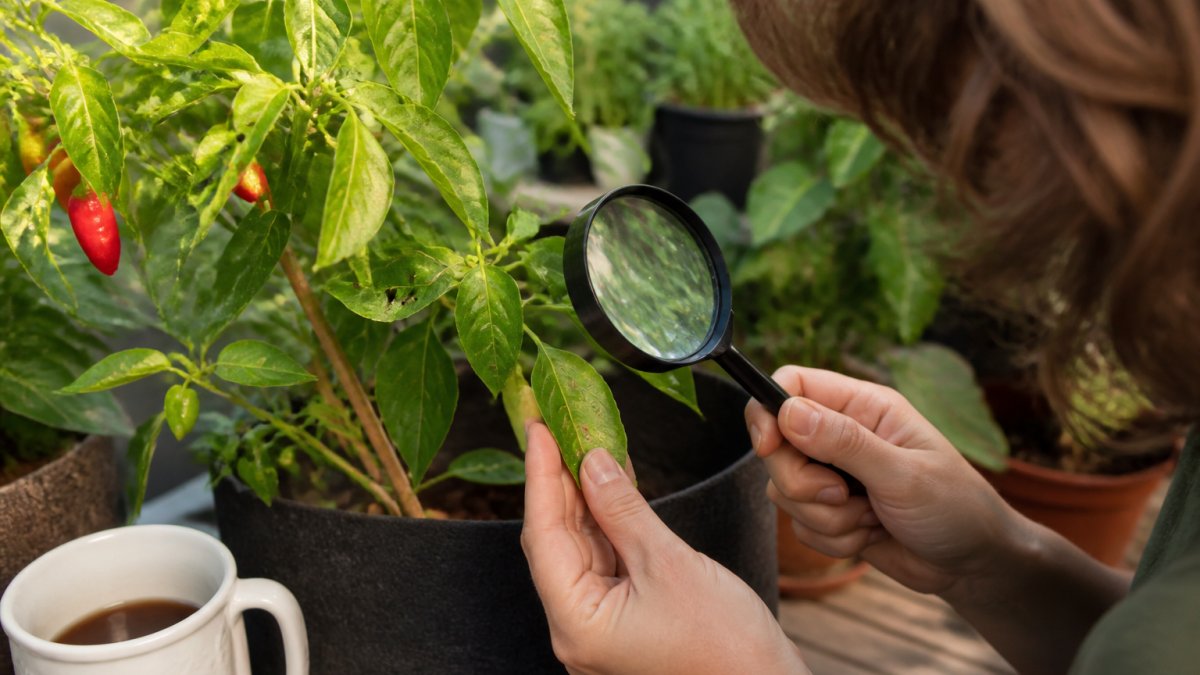
Aphid damage appears as sticky residue (honeydew) on leaves and stems, with yellowing and curling leaves that feel wet to the touch. You'll see the aphids themselves clustered together. Spider mite damage shows fine webbing between leaves, stippled or speckled yellowing on leaf surfaces, and a dry appearance, no sticky residue. If you see webbing, it's mites; if you see clusters of soft insects and sticky residue, it's aphids. Use a magnifying glass to spot the tiny mites moving on the webbing.
What are the early warning signs of a pest infestation on pepper plants?
Early warning signs include yellowing or spotting on lower leaves, sticky residue on stems, fine webbing between leaves, distorted new growth, and small holes in foliage. Check the underside of leaves weekly, many pests hide there before spreading. If you notice curled leaves, stunted growth, or a sudden loss of vigor, inspect immediately. Catching pests in the first week or two makes control much easier. Container-grown peppers allow you to inspect plants thoroughly and move them to isolate infested plants from others.
Can I use organic pest control methods on rare pepper varieties?
Yes. Organic methods work well on rare peppers and protect the plants and your harvest. Physical removal by hand or with water spray is safe for most varieties. Beneficial insects like parasitic wasps and aphid midges control aphids naturally. Neem oil and insecticidal soaps are organic options, though always test on a small section first. Mississippi State University Extension recommends integrated pest management (IPM) approaches that combine monitoring, physical removal, and beneficial insects before using any sprays, even organic ones.