 listicle
Is Growing Rare Peppers Worth It for Beginners?
Table of Contents
- The Real Case for Growing Rare Peppers as a Beginner
- How to Start Pepper Seeds Indoors
- Best Containers for Pepper Plants
- Common Pepper Plant Pests and Diseases
- Choosing the Right Rare Pepper Variety for Your First Season
- The Economic and Flavor Payoff
- Seed Saving and Year-to-Year Returns
- Conclusion
- Frequently Asked Questions
Last Updated: September 24, 2026
The Real Case for Growing Rare Peppers as a Beginner
Growing rare pepper plants might seem like a project reserved for experienced gardeners, but the truth is simpler than you'd think. At Heritage Cottage Seeds, we've watched beginners successfully grow varieties most people assume are too difficult. The real question isn't whether you can do it, it's whether the payoff justifies the effort.
Here's what makes growing rare peppers worth it: you get flavors and heat levels impossible to find in grocery stores, you save money after the first season by saving seeds, and you end up with a genuinely engaging hobby that teaches you something real about food production. The catch? Rare peppers demand more attention than common varieties. They need longer growing seasons, careful timing, and the right setup.
The good news is that beginners who follow a few core principles see excellent results. We're talking about varieties like Shishito peppers, Biquinho peppers, and even milder Aleppo peppers, plants that reward attention with heavy yields and remarkable flavor.

Below, we'll walk you through exactly what you need to know to decide if rare peppers fit your garden, how to start them indoors, what containers work best, and which varieties actually perform well for first-time growers.
How to Start Pepper Seeds Indoors
Timing and Germination
Starting pepper seeds indoors is where everything begins. Unlike tomatoes, which germinate quickly, pepper seeds need warmth and patience. You'll want to start them 8-10 weeks before your last spring frost date.
Fill a seed-starting tray with a light potting mix, not garden soil. Pepper seeds germinate best in consistently warm soil, around 75-85°F. A heat mat under your tray makes a real difference here. Without one, germination can take 3-4 weeks or fail entirely in cooler rooms. With a mat, expect sprouts in 7-14 days.
Keep the soil moist but not waterlogged. Overwatering kills more seedlings than underwatering does. A spray bottle works better than pouring water directly. Once you see green shoots, remove the heat mat and move the tray under grow lights positioned 2-3 inches above the seedlings. Peppers need 14-16 hours of light daily to grow stocky, strong plants.
Hardening Off and Transplanting
Hardening off, gradually acclimating indoor seedlings to outdoor conditions, takes about 10 days. Start by placing trays outside in dappled shade for 1-2 hours, then gradually increase sun exposure and time outdoors. This prevents transplant shock, which can stunt growth or kill young plants.
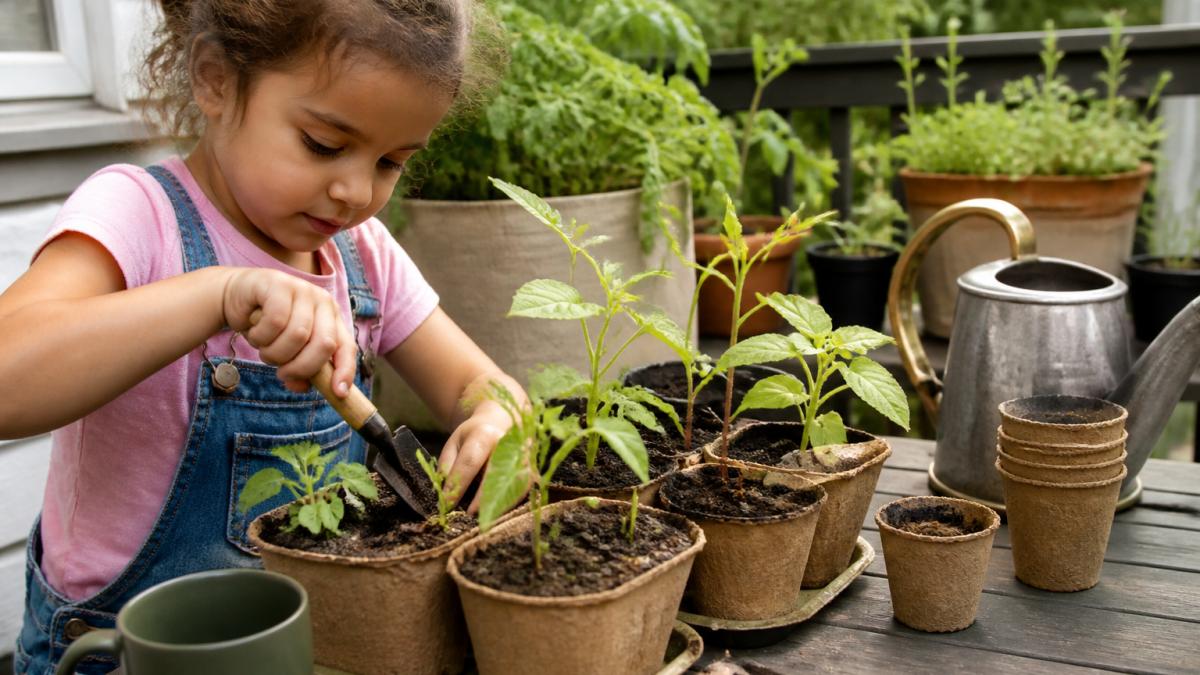
When seedlings have 4-6 true leaves (the second set of leaves that look like actual pepper leaves), they're ready to move into individual containers. Use 4-inch pots filled with quality potting soil. Handle seedlings by their leaves, never the stem, which bruises easily.
Transplant outdoors only after your last frost date has passed and soil temps consistently reach 60°F at night. Cold soil shocks pepper plants and slows their development significantly.
Best Containers for Pepper Plants
Container size matters more than most beginners realize. Rare peppers can live their entire lives in pots, but they need room to develop strong root systems.
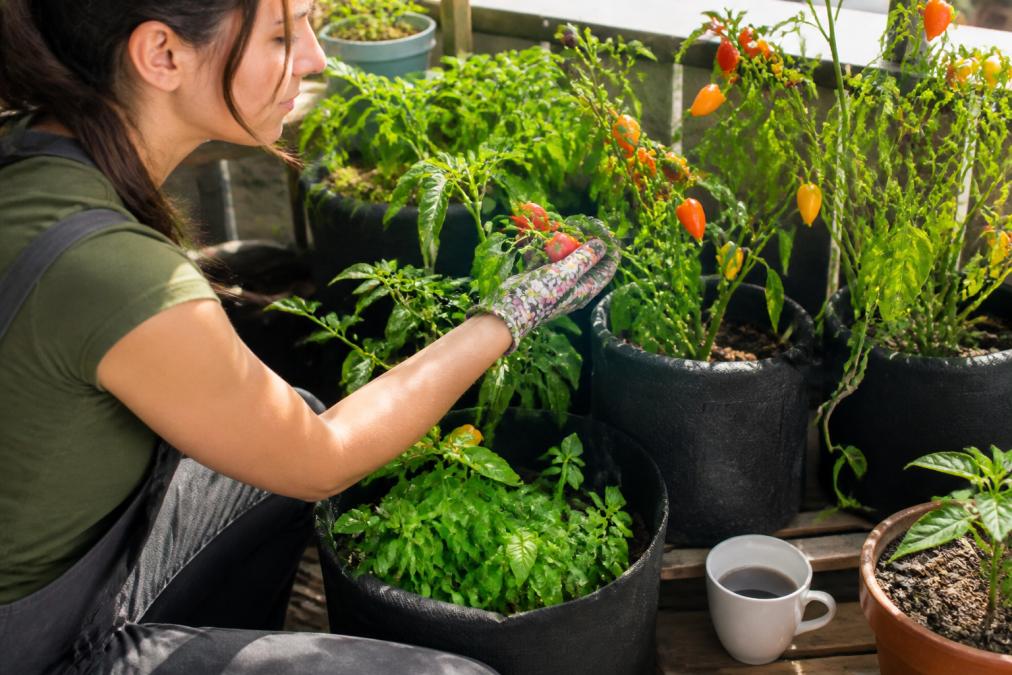
For compact varieties like Biquinho peppers or Dwarf Tabasco, a 5-gallon container works well. For larger varieties like Red Habanero or Calabrian peppers, move up to 7-10 gallons. The bigger the container, the less frequently you'll need to water and the more stable the plant's growth.
Drainage is non-negotiable. Use containers with drainage holes and fill them with a potting mix designed for containers, not garden soil, which compacts and holds too much water.
Place containers where they get at least 6-8 hours of direct sun daily. Peppers are sun-hungry plants. Less light means slower growth and fewer peppers at harvest. If you're in a hot climate, afternoon shade can prevent scorching, but morning sun is essential.
Common Pepper Plant Pests and Diseases
Even beginners can manage the handful of pests that actually threaten pepper plants. The most common are aphids, spider mites, and occasionally whiteflies. These suck plant juices and weaken growth.
Inspect plants weekly, especially the undersides of leaves where pests hide. Catch infestations early. A strong spray of water from the hose often removes aphids. For spider mites, which thrive in hot, dry conditions, consistent watering and occasional misting helps. If populations explode, insecticidal soap or neem oil work well on pepper plants.
Fungal diseases like powdery mildew appear as white coating on leaves. This happens in humid conditions with poor air circulation. Space containers so air moves freely around plants. Remove affected leaves immediately. Avoid overhead watering, which keeps foliage wet.
Blossom end rot isn't a disease, it's a calcium deficiency triggered by inconsistent watering. Keep soil evenly moist, never allowing it to dry completely between waterings. This prevents the problem entirely.
| Problem | Cause | Solution |
|---|---|---|
| Aphids on leaves | Pest infestation | Spray with water or insecticidal soap |
| Spider mites (fine webbing) | Hot, dry conditions | Increase humidity, mist regularly |
| Powdery mildew (white coating) | Poor air circulation | Space plants apart, remove affected leaves |
| Blossom end rot (dark sunken spots) | Inconsistent watering | Keep soil evenly moist |
| Slow growth, yellowing | Poor light | Move to sunnier location |
Choosing the Right Rare Pepper Variety for Your First Season
Beginner-Friendly Rare Varieties
Not all rare peppers are created equal for beginners. Some varieties are forgiving and productive. Others demand perfect conditions and reward you with a handful of peppers.
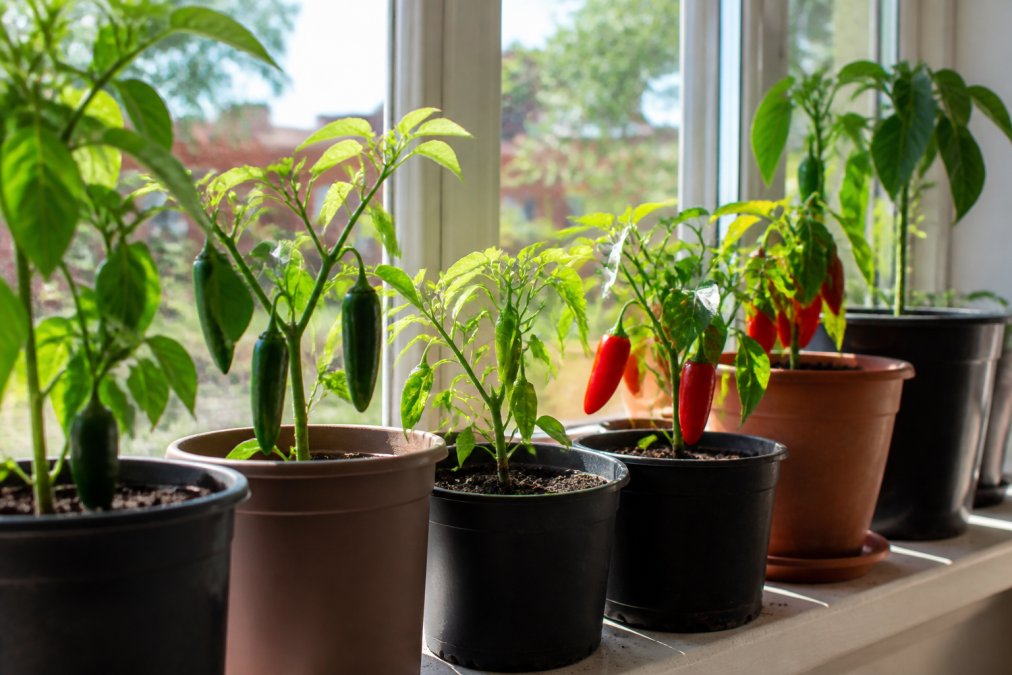
The Biquinho Red Pepper is genuinely beginner-proof. It's a Brazilian heirloom that produces dozens of small, teardrop-shaped peppers on compact plants. The flavor is sweet and fruity with almost no heat, perfect if you want interesting peppers without intensity. Plants thrive in warm conditions and perform well in containers or garden beds.
Shishito peppers are another solid choice. These Japanese peppers are mild, wrinkled, and around 2-4 inches long. About one in ten has a surprising kick of heat, which keeps things interesting. Plants are productive and forgiving.
Heat Level and Flavor Considerations
Heat level matters more than you'd think when choosing your first rare pepper. The Scoville Heat Unit (SHU) scale measures capsaicin, the compound that creates heat. Understanding this helps you pick varieties that match your actual tolerance and cooking style.
The Economic and Flavor Payoff
Let's talk about whether the effort actually pays off. A single seed packet from Heritage Cottage Seeds costs $4.00. One packet typically contains 10-15 seeds. If you get 5-8 plants to maturity, a reasonable expectation for a careful beginner, you've invested less than a dollar per plant.
Seed Saving and Year-to-Year Returns
Here's where growing rare peppers becomes genuinely worthwhile: seed saving. Most rare peppers sold by Heritage Cottage Seeds are open-pollinated heirloom varieties, which means you can save seeds from your harvest and replant them next year. Hybrid peppers don't breed true, the offspring won't match the parent plant, but heirlooms do.
Conclusion
Growing rare pepper plants as a beginner is absolutely worth it if you're willing to commit to the basics: starting seeds indoors on time, providing consistent water and sunlight, and choosing forgiving varieties for your first season. The flavor payoff is immediate, the economic return kicks in within weeks, and the seed-saving potential transforms this into a self-sustaining hobby.
Frequently Asked Questions
What are the easiest rare pepper varieties for beginners to start with?
Biquinho peppers and Shishito peppers are excellent beginner choices. Biquinho varieties produce sweet, mild peppers (500-1,000 SHU) in compact, highly productive plants perfect for containers. Shishito peppers are similarly forgiving, with mild heat (50-200 SHU) and reliable yields. Both germinate well indoors and tolerate container growing without fussy conditions. Starting with these builds confidence before moving to hotter or more demanding varieties.
How long does it take for rare pepper seeds to germinate and produce fruit?
Pepper seeds typically germinate in 7-14 days under warm conditions (70-80°F). Seedlings are ready to transplant 6-8 weeks after germination. Once transplanted outdoors after the last frost date, most rare pepper varieties flower in 4-6 weeks and begin producing harvestable peppers 8-12 weeks later. Total time from seed to first harvest is usually 16-20 weeks, making late-winter seed starting ideal for summer and fall harvests.
Do rare pepper plants require more maintenance than standard varieties?
Rare peppers don't inherently demand more care, they require the same watering, fertilization, and sunlight as common peppers. What differs is seed availability and germination rates; rare varieties may need slightly warmer soil to germinate reliably. Container growing (which many rare peppers excel at) actually simplifies watering and soil management. The real advantage is that curated rare seeds from reputable sources are often selected for vigor and disease tolerance, making them surprisingly forgiving for beginners.
Can beginners successfully grow super-hot rare peppers like Red Habanero?
Yes, but with realistic expectations. Super-hot varieties like Red Habanero (100,000-350,000 SHU) are vigorous and high-yielding, but they demand consistent warmth, longer growing seasons, and careful handling due to their capsaicin content. Beginners should wear gloves when handling seeds and fruit. If you're new to pepper growing, start with medium-heat varieties like Calabrian or McDonald's Thai (25,000-90,000 SHU) before tackling the extreme heat. This builds your skills and confidence.
Is it worth saving seeds from rare pepper plants for next season?
Absolutely, especially with open-pollinated heirloom varieties. Saving seeds from healthy plants cuts your seed costs dramatically over time and lets you preserve genetics adapted to your local climate. Pepper plants are self-pollinating, so cross-pollination is rare in home gardens. Store dried seeds in a cool, dry place and they'll remain viable for 2-4 years. This transforms your first investment into a multi-year supply, making the initial seed cost negligible.