 how-to
Plan a Vegetable Garden Layout for Southern Exposure
Table of Contents
- Understanding Southern Exposure and Sun Patterns
- Step 1: Choose a Garden Site with Adequate Direct Sunlight
- Step 2: Orient Your Rows and Beds to Maximize Sunlight
- Step 3: Arrange Crops by Height to Prevent Shading
- Using a Vegetable Garden Spacing Chart for Proper Plant Distance
- Raised Bed Vegetable Garden Layout for Southern Exposure
- Container Vegetable Garden Layout for Sunny Spots
- Selecting Vegetables for Hot Climates and Intense Sunlight
- Frequently Asked Questions
Last Updated: October 6, 2026
Understanding Southern Exposure and Sun Patterns
What Southern Exposure Really Means for Your Garden
Southern exposure means your garden space faces south and receives direct sunlight from the south side throughout the day. This is different from orienting your beds north to south, which is about how you arrange your rows. Think of it this way: southern exposure is about WHERE your garden sits on your property, while bed orientation is about HOW you arrange plants within that space.
A south-facing garden gets the most intense sunlight, especially in the afternoon. This is great for sun-loving crops like tomatoes, peppers, and okra. But it can be tough in hot climates where afternoon heat gets intense. Understanding this difference helps you plan your vegetable garden layout southern exposure without accidentally cooking your plants.
The key is knowing what you're working with before you dig a single hole.
Mapping Your Garden's Sun Path Across the Day and Seasons
Here's what most gardeners skip: actually watching where the sun goes. Spend a day observing your space. Where does the sun hit at 9 a.m.? At noon? At 4 p.m.? The path changes with the seasons, too. In summer, the sun sits higher and moves faster. In spring and fall, it angles lower and stays in one spot longer.
In the Southeast, a south-facing garden in summer gets brutal afternoon heat. By contrast, spring and fall bring milder, more consistent sunlight. This matters because it changes what you can grow and when. Some crops thrive in intense summer sun. Others need afternoon shade to avoid bolting or scorching.
The Mississippi State University Extension gardening guides recommend tracking sun exposure for at least one full week before planting. This simple step prevents costly mistakes.
Step 1: Choose a Garden Site with Adequate Direct Sunlight
Most vegetables need at least 6 hours of direct sunlight daily. Full sun lovers like tomatoes, peppers, and okra want 8 hours or more. Leafy greens can get by on 4-5 hours, but they'll grow slower and taste milder.
Walk your property and find spots that get unobstructed sunlight. Look for areas away from tree shade, building shadows, and fences that block the morning or afternoon sun. Morning sun is especially valuable because it dries dew and reduces disease.
Avoid low spots where water pools. Good drainage matters as much as sunlight. A soggy site with perfect sun still fails. Look for level ground or a slight slope that sheds water naturally.
Consider wind exposure too. Strong afternoon winds dry out soil faster and stress young plants. A site with some wind protection performs better than an exposed hilltop, even if the hilltop gets more sun.
Step 2: Orient Your Rows and Beds to Maximize Sunlight
This is where vegetable garden layout for southern exposure gets practical. Run your rows or beds north to south. This means the long axis of your bed points from north to south.
Why? Because the sun travels east to west. When your beds run north to south, the sun hits both sides evenly throughout the day. If you run beds east to west, one side gets morning sun and the other gets afternoon sun.
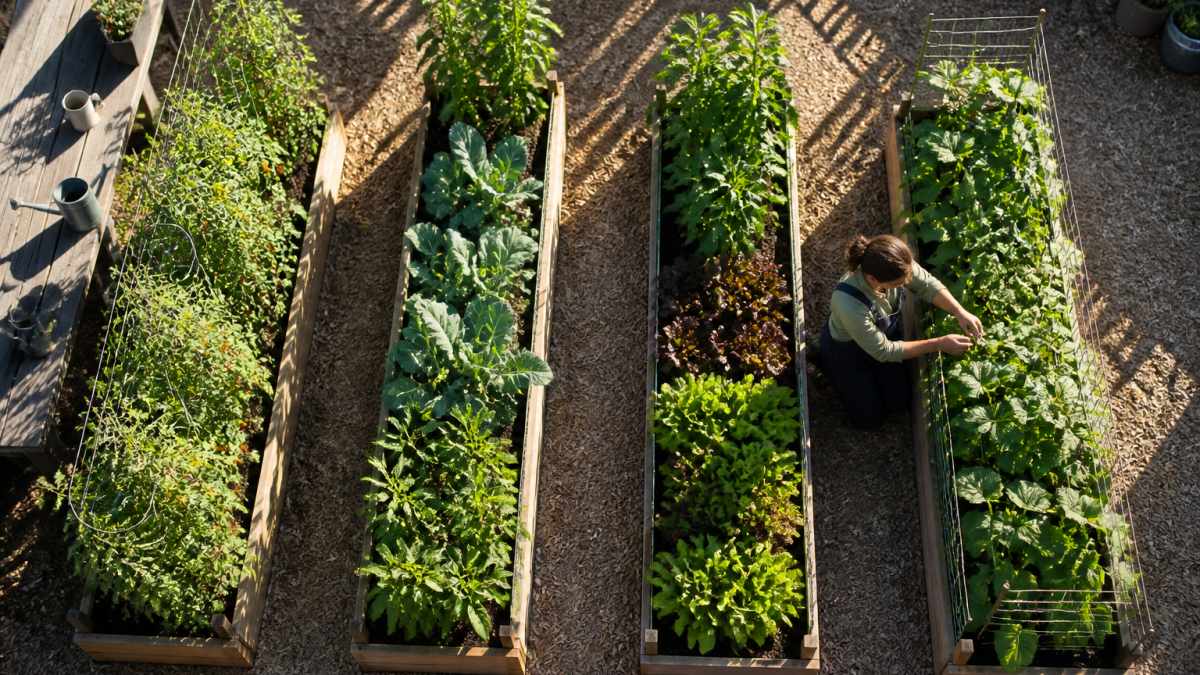
North-south orientation also makes it easier to arrange plants by height. Put tall crops on the north side of your garden so they don't shade shorter plants to the south. This is simple but powerful.
In a southern exposure garden with intense afternoon heat, consider placing taller plants on the west side instead. This shields shorter crops from the harshest afternoon rays. It's a small adjustment that prevents heat stress during peak summer months.
Step 3: Arrange Crops by Height to Prevent Shading
Plant height is your secret weapon for maximizing sunlight. Tall plants shade shorter ones. Arrange them intentionally, not randomly.
Put your tallest crops on the north side:
- Sweet corn (6-8 feet)
- Pole beans (6-8 feet)
- Tomato varieties over 4 feet tall
Medium-height crops go in the middle:
- Determinate tomatoes (3-4 feet)
- Peppers (2-3 feet)
- Okra varieties (3-4 feet)
Short crops go on the south side:
- Lettuce and leafy greens (6-12 inches)
- Carrots (8-12 inches)
- Radishes (4-6 inches)
This stair-step arrangement means every plant gets its fair share of sun. Tall plants don't steal light from short ones. The whole garden produces more because nothing sits in shade.
Heritage Cottage Seeds offers varieties bred for compact growth, like our Heritage Cottage Orange Tomato, which reaches just 3-4 feet. These determinate varieties fit perfectly in the middle tier without overshadowing shorter crops. We also carry Baby Bubba Okra, which tops out at 3-4 feet and produces heavily in tight spaces.


Using a Vegetable Garden Spacing Chart for Proper Plant Distance
Spacing matters more than most gardeners realize. Crowded plants compete for sun, water, and nutrients. They grow slower and produce less. Proper spacing lets air flow, reduces disease, and gives each plant what it needs.
| Vegetable | Row Spacing | Plant Spacing | Sun Needs |
|---|---|---|---|
| Tomatoes | 3-4 feet | 2-3 feet | 8+ hours |
| Peppers | 2-3 feet | 18-24 inches | 8+ hours |
| Okra | 3 feet | 18-24 inches | 8+ hours |
| Lettuce | 12-18 inches | 6-8 inches | 4-6 hours |
| Carrots | 12-18 inches | 2-3 inches | 6+ hours |
| Pole Beans | 4 feet | 4-6 inches | 6+ hours |
These numbers are starting points. In a southern exposure garden with intense heat, give plants a bit more space. Better airflow cools foliage and prevents fungal problems.
Think about mature size, not seedling size. A tomato seedling looks tiny. But it becomes a 3-4 foot plant that needs room to sprawl. Plan for the full-grown plant, not what you're putting in the ground.
Pathways between beds should be at least 2 feet wide. This gives you room to harvest, weed, and move around without stepping on plants. A cramped garden becomes a frustrating garden.
Raised Bed Vegetable Garden Layout for Southern Exposure
Raised beds are perfect for southern exposure gardens. They warm up faster in spring, drain better, and let you control soil quality completely. They also make it easier to arrange plants by height and spacing.
Tomato - Heritage Cottage Orange →
Standard raised beds are 4 feet wide and 8 feet long. This width lets you reach the center from either side without stepping inside.
For a vegetable garden layout southern exposure, orient your raised beds north to south. This is the same principle as regular rows. It maximizes even sun exposure across the whole bed.
Stack your beds in tiers if your space slopes. Higher beds on the south side, lower beds on the north side.
Raised beds also let you add extra soil depth where you need it. Tomatoes and peppers benefit from 12-18 inches of soil. Lettuce and carrots do fine with 8-10 inches. Mix and match depths to suit your crops.
The University of Arkansas Division of Agriculture Extension resources recommend raised beds for beginning gardeners in hot climates. They're easier to manage, heat up predictably, and let you start with good soil instead of amending poor native soil.
Container Vegetable Garden Layout for Sunny Spots
Containers are the ultimate flexibility tool for southern exposure gardens. You can move them to follow the sun or shade as seasons change. You control soil quality completely. And they're perfect for small spaces.
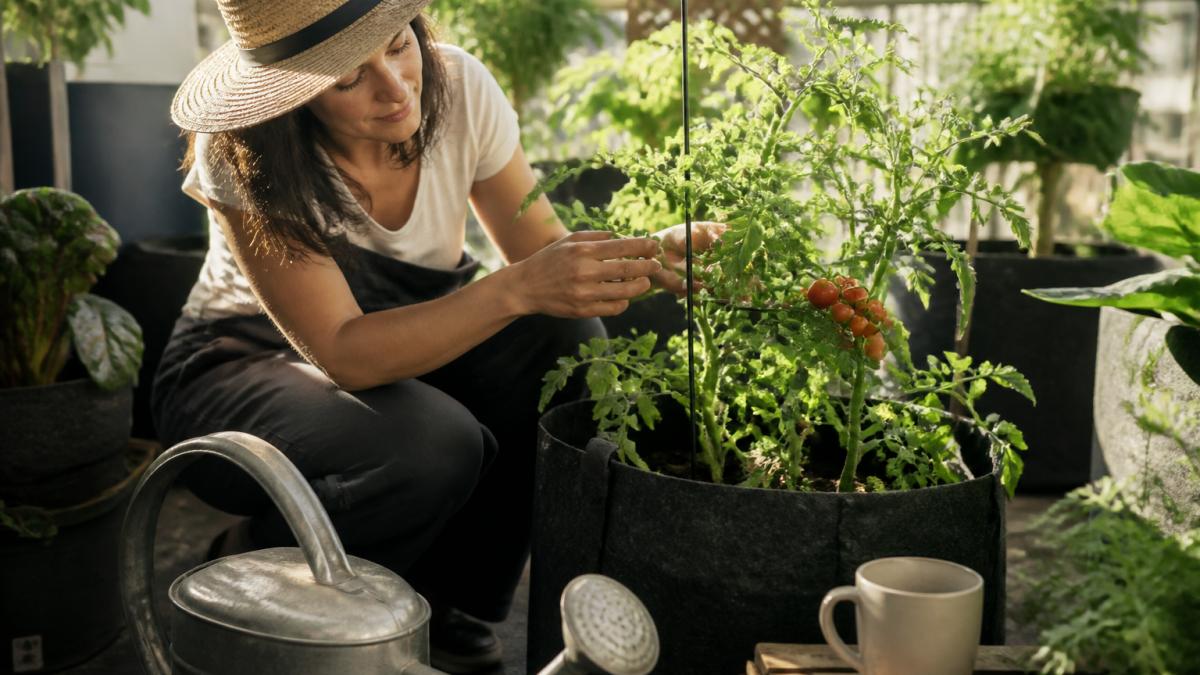
Container sizes matter. Tomatoes need at least 5-gallon containers, preferably 10-gallon. Peppers do well in 5-gallon pots. Okra needs 5 gallons minimum. Lettuce and carrots can grow in 2-3 gallon containers.
Arrange containers in groups by height. Put tall tomato containers on the north side of your container garden. Medium-height pepper pots in the middle. Small lettuce containers on the south side.
Dark-colored containers absorb heat. In a southern exposure garden with intense afternoon sun, this can cook roots. Use light-colored pots or wrap dark pots with reflective material.
Container soil dries out fast, especially in heat and wind. Check moisture daily during summer. Water deeply until it drains from the bottom. Containers in full sun often need water twice daily in peak heat.
Heritage Cottage Seeds' Lettuce - Tom Thumb is perfect for containers. These compact heads reach about tennis-ball size, ideal for a 2-3 gallon pot. They mature in 45-55 days and thrive in containers on sunny patios.

Selecting Vegetables for Hot Climates and Intense Sunlight
Not all vegetables love intense southern exposure heat. Some bolt, wilt, or produce poorly when temperatures soar. Choose varieties bred for heat tolerance.
Tomatoes and peppers thrive in heat and full sun. They produce more in hot climates than cool ones. Okra absolutely loves heat and intense sunlight.
Leafy greens need afternoon shade in hot climates. Plant them on the east side of taller crops where they get morning sun but afternoon protection.
Root crops like carrots and radishes tolerate heat better than greens. But they grow slower in intense heat.
Beans produce well in heat but need consistent moisture. Pole beans are space-savers for a vegetable garden layout for southern exposure.
The Southeast regional gardening resources from Clemson University Extension recommend starting with heat-tolerant varieties if you're new to gardening in southern exposure. Success builds confidence and skills.
Heritage Cottage Seeds specializes in varieties tested for southern performance. Our Heritage Cottage Orange Tomato is a determinate variety that produces concentrated harvests of sweet, medium-sized fruit. For heat-loving crops, our Baby Bubba Okra produces heavily all summer in full sun, reaching 3-4 feet with tender, flavorful pods.
Planning a vegetable garden layout for southern exposure is straightforward once you understand the basics. Map your sun patterns. Orient beds north to south.
The result? A productive garden that gives you fresh vegetables all season long.
At Heritage Cottage Seeds, our curated selection of rare and unusual vegetables includes heat-tolerant tomatoes, peppers, and okra bred for southern success.
Frequently Asked Questions
How many hours of direct sunlight do most vegetables need?
Most vegetables need 6 to 8 hours of direct sunlight daily to produce well. Leafy greens like Tom Thumb lettuce can manage with 4 to 6 hours, while fruiting crops like tomatoes and peppers perform best with 8 or more hours. A south-facing garden naturally provides longer sun exposure, which is ideal for heat-loving crops. If your site gets less than 6 hours, focus on shade-tolerant vegetables and plan your layout to capture every available ray of sunlight.
What's the difference between southern exposure and north-south row orientation?
Southern exposure means your garden faces south and receives intense, direct sunlight all day. North-south row orientation refers to how you align your garden beds or rows (running from north to south rather than east to west). In a south-facing garden, running rows north to south allows taller plants on the north side to shade shorter crops on the south side without blocking their morning and afternoon light. East-west orientation works better in partial-shade sites. The two concepts work together to maximize light distribution.
Can I grow vegetables in containers on a south-facing patio?
Absolutely. Container gardens thrive in south-facing spots because you control water and soil quality while getting full sun. Compact varieties like Heritage Cottage Orange Tomato (which reaches 3 to 4 feet) and Baby Bubba Okra work beautifully in containers. Place taller containers on the north side and shorter ones on the south to avoid self-shading. Use quality potting soil, water consistently (containers dry faster in intense heat), and provide afternoon shade cloth in extreme heat to prevent root damage.
What vegetables perform best in hot, sunny southern climates?
Heat-loving crops thrive in southern exposure: okra, peppers, eggplant, sweet corn, pole beans, and heat-tolerant tomato varieties like Heritage Cottage Orange. Lettuce and cool-season crops struggle in peak summer heat but grow well in spring and fall. For year-round success, succession-plant spring crops, take a break during extreme summer heat, and restart in late summer for fall harvest. Mississippi State University Extension recommends planning your planting calendar around your region's frost dates and heat peaks.