 how-to
Protect Plants From Southern Heat: A How-To Guide
Table of Contents
- Why Southern Heat Stresses Plants
- Water Deeply and Consistently During Heat
- Apply Mulch to Reduce Soil Evaporation
- Using Shade Cloth for Vegetable Gardens
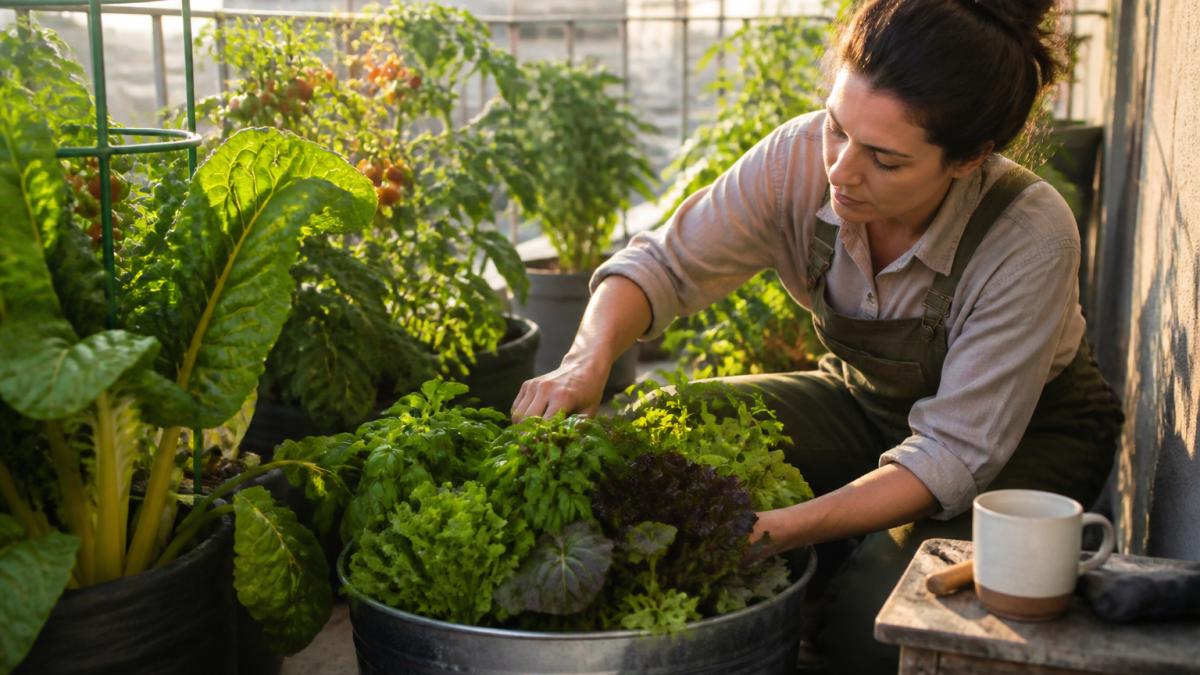
- Container Gardening in Hot Climates
- Preventing Blossom Drop in Extreme Heat
- Recover Your Garden After a Heatwave
- Frequently Asked Questions
Last Updated: October 3, 2026
Why Southern Heat Stresses Plants
Southern heat is relentless. When temperatures soar, plants can't move water from roots to leaves fast enough, that's heat stress.

Container soil heats up 15-20 degrees faster than ground soil because it's exposed on all sides. Understanding this matters for hot-climate gardeners.
When heat builds, plants lose water through their leaves faster than roots can pull it up. Leaves wilt, flowers drop, stems turn brittle. Without intervention, crops fail in days.
The good news? You can protect plants from heat if you understand the mechanics and act fast.
Water Deeply and Consistently During Heat
The biggest mistake is watering too shallow and too often. Light watering keeps roots near the surface where it's hottest. Deep watering pulls roots down to cooler, moister soil.
Here's how to do it right:
- Water early in the morning, before 8 AM if possible
- Water at the base of plants, not the foliage
- Water slowly and deeply, aim for soil moisture 6-8 inches down
- Check soil moisture by sticking your finger into the earth; if it's dry past your first knuckle, water now
- Water every other day during extreme heat, not every day in small amounts
Consistency matters most. Inconsistent watering stresses plants more than steady moisture. Skip a day and drench the next, and you've created shock.
Containers may need watering twice daily during peak heat. Check soil every morning and evening; if the top inch feels dry, water until it drains from the bottom.
Apply Mulch to Reduce Soil Evaporation
Mulch is your secret weapon. A 2-3 inch layer keeps soil cooler and reduces evaporation dramatically.
The best mulches for hot climates are:
- Straw (not hay, which has seeds)
- Wood chips
- Shredded leaves
- Compost
Spread mulch around the base of plants, keeping it 2-3 inches away from the stem to prevent rot. Don't pile it against the plant itself.
Mulch keeps soil temperature down, retains moisture, and adds organic matter that improves water-holding capacity over time.
In containers, a 2-inch mulch layer reduces evaporation and keeps roots cooler, just leave space around the stem.
Using Shade Cloth for Vegetable Gardens
Direct afternoon sun during extreme heat scorches leaves and damages fruit. Shade cloth acts as sunscreen for your garden.
Use 30-50% shade cloth for most vegetables in extreme heat, it blocks enough sun while allowing photosynthesis.
How to set it up:
- Install shade cloth on the south and west sides of your garden (where afternoon heat hits hardest)
- Mount it on a frame so air can flow underneath
- Position it 12-18 inches above the plants
- Leave it in place from late morning through late afternoon during peak heat
- Remove it on cooler days or when heat breaks
The air gap matters: shade cloth draped directly on plants traps heat and humidity, causing fungal problems. Let air circulate underneath.
For container gardens, you can prop shade cloth over individual pots or create a simple frame. Even a bed sheet rigged up with stakes works in a pinch.
Container Gardening in Hot Climates
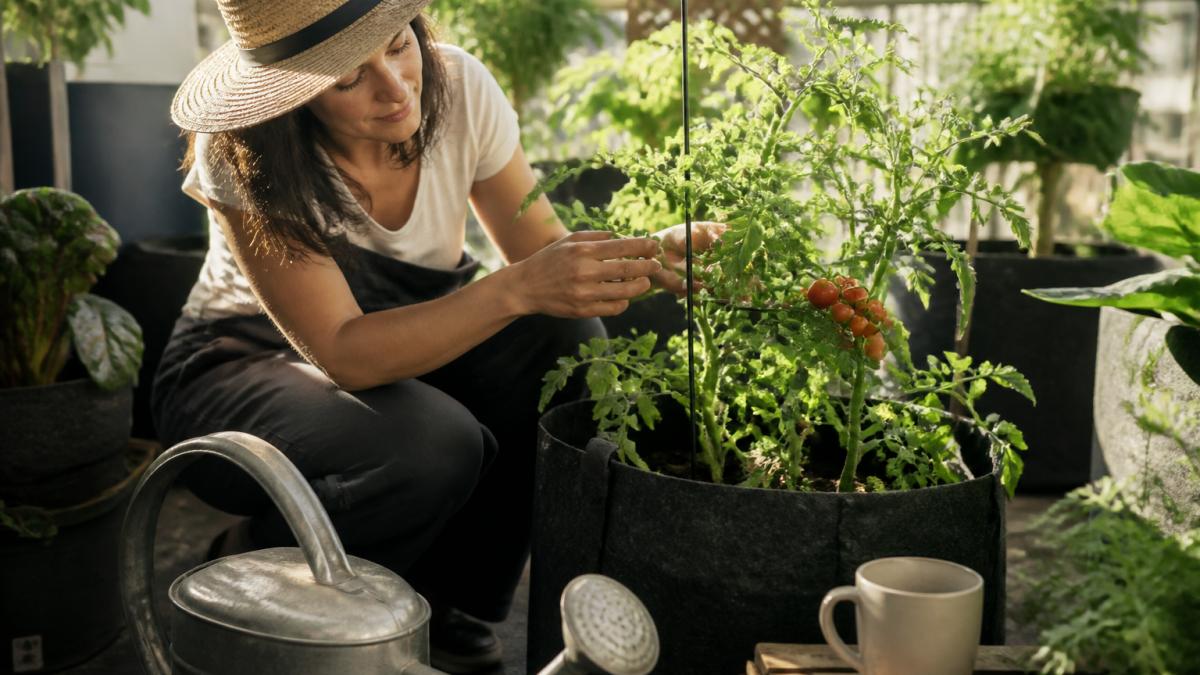
Containers let you control soil, drainage, and microclimate, but they require more attention than in-ground gardens.
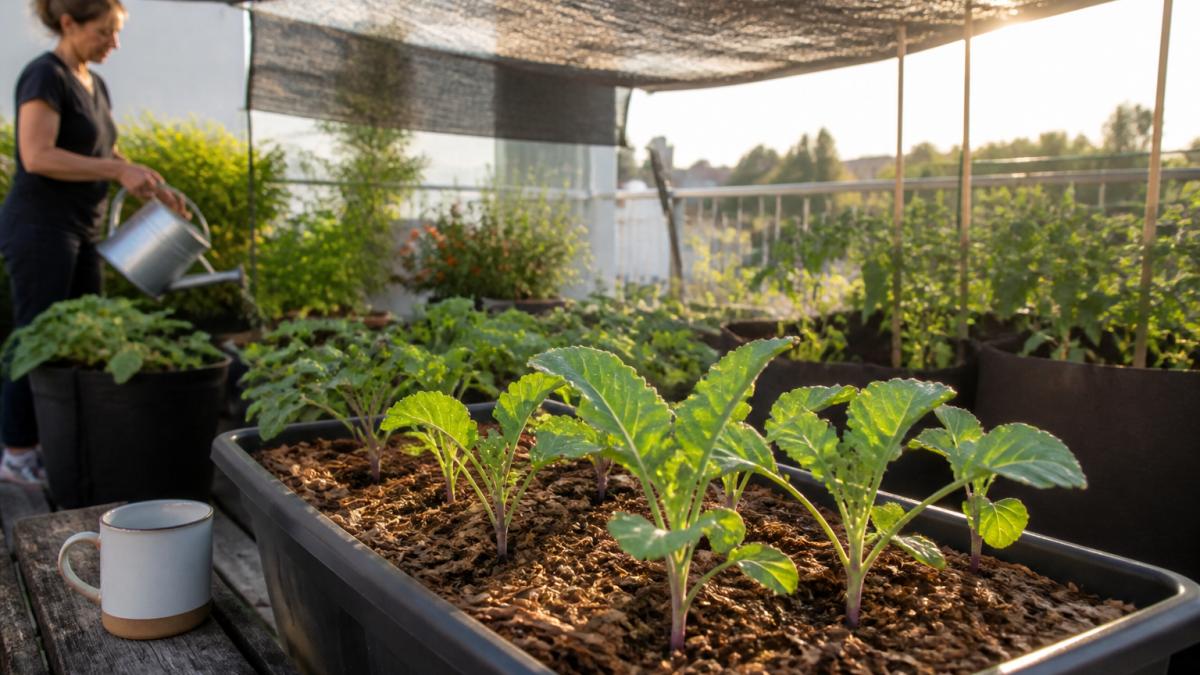
Container soil heats up 15-20 degrees faster than ground soil. Your job is to buffer that temperature swing.
Choosing the Right Container
Use containers at least 12 inches deep for most vegetables.
Light-colored pots stay 10-15 degrees cooler than dark ones. White, cream, or light gray containers are ideal.
In humid Southern heat, plastic or ceramic works better than terracotta because it reduces fungal risk from constant evaporation.
Soil and Drainage
Use quality potting soil, not garden soil. Mix in 20-30% compost by volume for water retention and nutrients. This blend keeps roots cooler and more consistently hydrated.
Drainage holes are non-negotiable. Without them, water pools around roots, creating heat stress and root rot.
Positioning for Microclimate Control
Position containers for morning sun but afternoon shade. East-facing walls are ideal.
Air circulation matters. Leave space between containers so air flows underneath and around the pots, reducing the "oven effect."
According to Mississippi State University Extension, position containers to maximize air circulation while providing afternoon shade during peak summer.
Watering Containers in Extreme Heat
Check container soil moisture twice daily during heat. Container soil dries fast in direct sun. Consistent moisture is non-negotiable.
Water deeply until it drains from the bottom, but don't leave pots sitting in standing water. Water slowly so soil absorbs it rather than running straight through.
During peak heat (95°F+), containers may need water twice daily. A 5-gallon pot of tomatoes in full sun can lose 1-2 gallons per day.
If you're away during the day, consider a simple drip irrigation setup with a timer to keep containers alive during heatwaves.
Mulching Containers
Southern Gardening All Year Long →
A 2-inch mulch layer on container soil reduces evaporation and keeps roots cooler. Leave space around the stem to prevent rot.
Recovery After Heat Stress
Container plants show heat damage faster than in-ground plants. If they wilt severely, water immediately and move to shade.
Leave recovered plants in partial shade for 3-5 days before returning to full sun to prevent secondary shock.
Preventing Blossom Drop in Extreme Heat
Blossom drop happens when heat stress causes plants to shed flowers before they set fruit, usually when temperatures exceed 90°F consistently.
The plant drops flowers to conserve energy and water when it's struggling to survive.
Reduce blossom drop by:
- Keep soil consistently moist (not soggy, but never dry)
- Provide afternoon shade when temperatures exceed 95°F
- Mulch heavily to keep roots cool
- Avoid over-fertilizing with nitrogen, which promotes foliage over flowers
- Choose heat-tolerant varieties from the start
Okra, southern peas, sweet potato, and Armenian cucumber thrive in extreme heat. Tomatoes, peppers, and eggplants need afternoon shade and consistent water.
Choose heat-tolerant varieties proven to perform in Southern conditions for reliable production during challenging summers.
Recover Your Garden After a Heatwave
After extreme heat breaks, plants need recovery time. Heat damage often shows up days later, and your response in the first week determines whether plants bounce back.
Recognizing Heat Damage
Look for these signs of heat stress:
- Wilted, drooping leaves that don't perk up with water within a few hours
- Leaf scorch (brown, papery edges on otherwise green leaves)
- Stunted new growth or no new growth for several days
- Fruit sunscald (pale, soft, or bleached spots on fruit)
- Leaf yellowing, especially on older leaves
- Stem brittleness or bark splitting on woody plants
Temporary wilting during the hottest part of the day is normal. Wilting that persists into evening or doesn't recover with watering is serious damage.
The First 48 Hours
Immediately after a heatwave breaks, resist pruning or fertilizing. Instead:
- Continue deep watering on a consistent schedule (don't skip days)
- Provide shade if temperatures spike again
- Leave damaged foliage in place, it's still photosynthesizing, even if it looks bad
- Check soil moisture twice daily; heat-stressed plants often need more water during recovery than during the heat itself
Damaged leaves still photosynthesize. Removing them stresses the plant further.
Days 3-7: Assessment and Selective Pruning
After 3-5 days, assess damage. Bend stems gently; flexible stems have life. Stems that snap or crumble are dead.
Prune selectively:
- Remove only completely dead stems (brown, brittle, no green inside when you scratch the bark)
- Leave partially damaged foliage and stems in place for now
- Cut back to just above a healthy leaf node or bud
- Don't remove more than 25-30% of the plant's foliage in one pruning session, even if more looks damaged
Aggressive pruning stresses recovering plants. Light, selective pruning removes the obviously dead material while preserving the plant's ability to photosynthesize and recover.
For container plants especially, be conservative. Roots in pots have less reserve energy than in-ground roots, so they recover more slowly.
Week 2: Fertilizing and Nutrient Support
Wait at least a week after the heatwave breaks before fertilizing.
After 7-10 days, if new growth is appearing and the plant looks stable, you can resume normal feeding. Use a balanced fertilizer (equal nitrogen, phosphorus, potassium) rather than a high-nitrogen formula.
For vegetables, a light application of compost or a diluted fish emulsion works well. It provides nutrients without the shock of synthetic fertilizer.
When Plants Won't Recover
Some plants won't make it. Heavily damaged foliage won't come back. Roots that cooked in extreme heat may be dead even if the plant looks okay for a few days.
If a plant is completely leafless and shows no new growth after 2 weeks of consistent watering and care, it's likely dead. Remove it and plan for next year.
Planning for Next Year
The best recovery is prevention. After a severe heatwave, plan differently for next season:
- Choose heat-tolerant varieties from the start. Okra, southern peas, sweet potato, and Armenian cucumber thrive in extreme heat. Tomatoes, peppers, and eggplants produce better with afternoon shade and consistent water.
- Plant in containers where you control conditions and can move plants to shade if needed
- Use shade cloth proactively in late June and July, not reactively after heat damage appears
- Start with soil that's rich in organic matter. According to Mississippi State University Extension, building soil health before summer arrives, adding 2-3 inches of compost annually, improves water-holding capacity significantly. Better soil holds moisture longer and keeps roots cooler.
- Install drip irrigation or soaker hoses on timers so plants get consistent water even when you're away
Container Plant Recovery
Container plants often recover faster than in-ground plants because you can move them to shade and control their environment.
For in-ground plants, recovery takes longer because roots can't escape the heat. Be patient. New growth may not appear for 2-3 weeks, but if the plant is still alive, it will eventually push new leaves.
Frequently Asked Questions
How can I protect plants from 100-degree heat?
Combine three strategies to protect plants from extreme heat: water deeply in early morning and late evening to reach the root zone, apply 2-3 inches of mulch to reduce soil evaporation, and use shade cloth to filter UV rays during peak afternoon heat. For container vegetables, move pots to afternoon shade and increase watering frequency. Mississippi State University Extension recommends deep watering over frequent shallow watering, as this strengthens the root system's heat tolerance.
Can extreme heat cause blossom drop in vegetable plants?
Yes. When temperatures exceed 90°F, many vegetables stop setting fruit because heat stress disrupts pollination and causes flowers to drop before they develop. Tomatoes, peppers, and beans are especially vulnerable. Preventing blossom drop means managing soil moisture consistency, providing afternoon shade during the hottest part of the day, and maintaining humidity around the foliage through early morning watering or misting. Consistent moisture in the root zone helps the plant focus energy on fruit production rather than survival.
What's the best time to water plants during a heatwave?
Water in early morning (before 8 a.m.) and again in late evening (after 6 p.m.) to minimize evaporation and allow the root system to absorb moisture before peak heat arrives. Morning watering also reduces fungal issues. During extreme heat, you may need to water container plants daily or even twice daily. Soil moisture should reach 6-8 inches deep; use your finger to check before watering. Avoid midday watering, as most water evaporates before reaching the root zone.
Does mulch really help protect plant roots from high soil temperatures?
Absolutely. Mulch acts as a thermal barrier, keeping soil 5-10°F cooler than bare ground and reducing evaporation by up to 70%. Organic mulch like wood chips or straw also improves soil structure and water retention. Apply 2-3 inches around plants, keeping it 2-3 inches away from stems to prevent rot. As the mulch breaks down, it adds organic matter that helps soil hold moisture longer, critical during heatwaves. Refresh mulch annually for best results.