 listicle
Rare Heirloom Tomato Varieties for Beginners
Table of Contents
- Best Heirloom Tomatoes for Containers
- Heirloom Tomato Growing Tips for Beginners
- How to Save Tomato Seeds Properly
- Rare Heirloom Tomato Varieties Worth Growing
- Frequently Asked Questions
Last Updated: August 29, 2026
Growing rare heirloom tomato varieties for beginners doesn't have to feel intimidating. This guide walks you through the best heirloom tomato varieties for containers, practical growing tips, and how to save seeds so you can grow your own genetics year after year.
Best Heirloom Tomatoes for Containers
Container gardening works best with determinate varieties, compact, bushy types that ripen fruit all at once and reach 3 to 4 feet tall, fitting nicely into 5-gallon buckets or large pots on a patio.
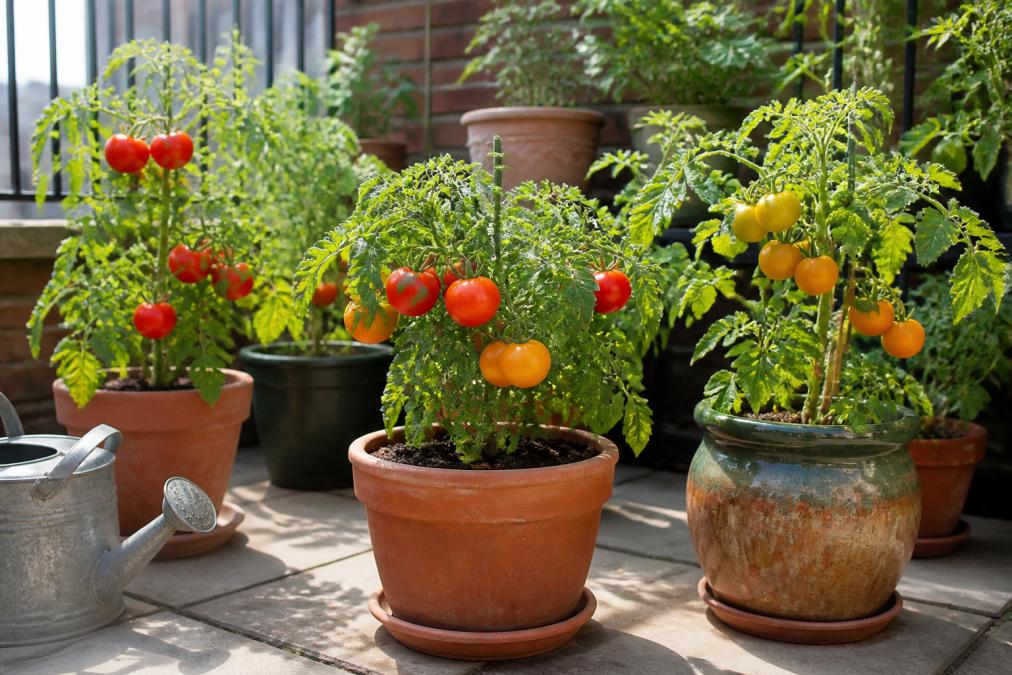
The Heritage Cottage Orange is a true heirloom with medium-sized orange fruits delivering sweet-tangy flavor perfect for salads and sauces. For micro-dwarf varieties that fit windowsills and small patios, Orange Hat reaches just 8-12 inches tall yet produces abundant clusters of bright orange cherry tomatoes. If you want indeterminate varieties (vining types that produce all season), Angora Super Sweet thrives in large containers with sturdy support, delivering candy-sweet cherry tomatoes about 1 inch across.

Heirloom Tomato Growing Tips for Beginners
Start seeds indoors 6-8 weeks before your last spring frost (extension.msstate.edu). According to Mississippi State University Extension guidance on vegetable gardening, proper timing makes the difference between thriving and frustrated gardeners. Transplant seedlings outdoors only after all frost danger passes and soil warms to 60°F. Bury the stem deeper than it grew in the pot; tomatoes develop roots along the buried stem, creating stronger plants.
Heirloom tomatoes need full sun (at least 8 hours daily) and are heavy feeders. Work compost or aged manure into soil before planting. Once plants flower, switch to balanced fertilizer or one slightly higher in phosphorus to encourage fruit production. Water deeply and consistently, tomatoes prefer steady moisture rather than wet-dry cycles, which cause blossom end rot and fruit cracking.
How to Save Tomato Seeds Properly
Saving seeds from heirloom tomatoes is one of gardening's most rewarding practices. Open-pollinated varieties breed true, meaning seeds you save produce plants identical to the parent.
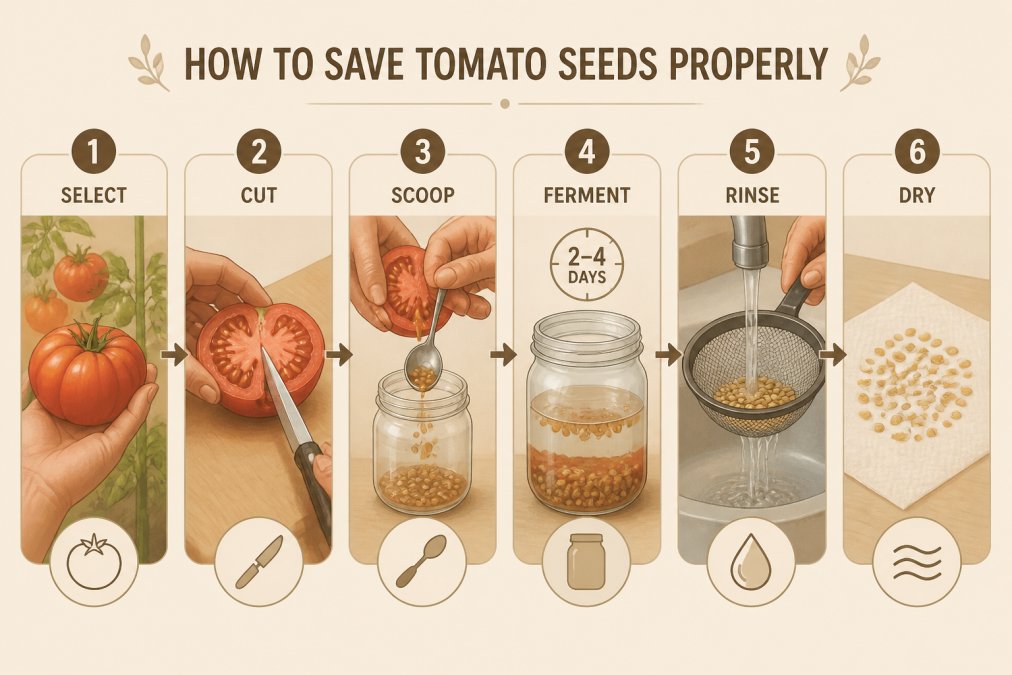
Let tomatoes fully ripen on the vine before harvesting for seed. Cut the tomato in half and scoop seeds and gel into a jar. Add water and let it ferment for 2-3 days at room temperature. When the mixture smells slightly sour and mold appears on top, rinse seeds thoroughly under running water in a fine strainer. Spread cleaned seeds on a paper plate or coffee filter and dry completely in a warm, well-ventilated space away from direct sun for 2-3 weeks. Store dried seeds in a cool, dry place, a sealed envelope in the refrigerator extends viability for 4-5 years.
Rare Heirloom Tomato Varieties Worth Growing
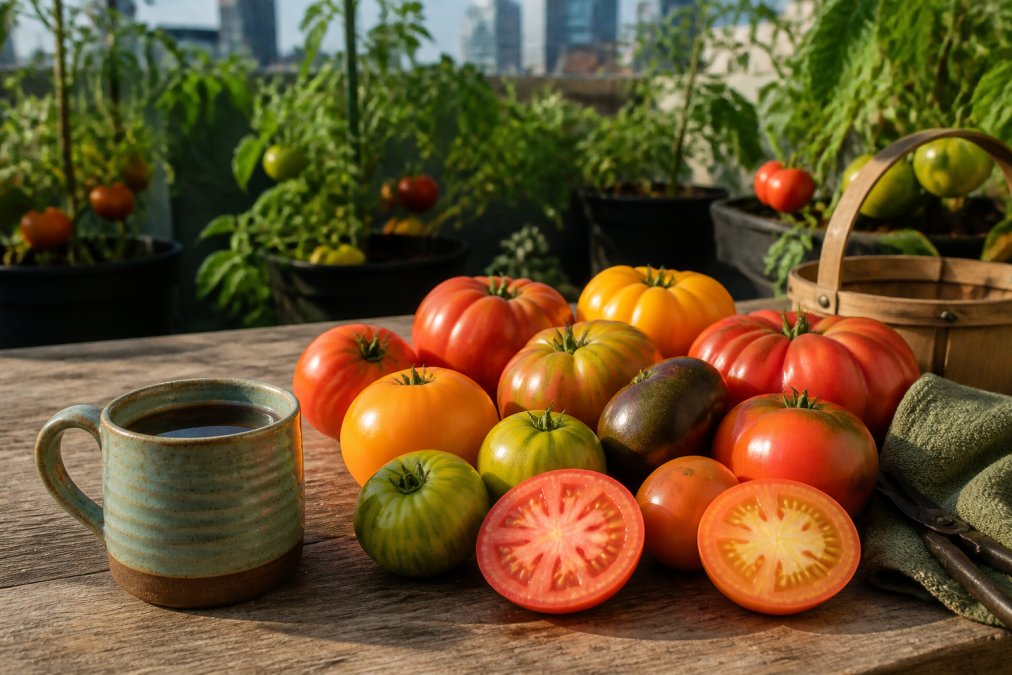
Siberian Red is a cold-tolerant, early-maturing heirloom prized for dependable yields and rich, classic tomato flavor, perfect for Southeast gardeners with short growing seasons. Hahm's Gelbe is a micro-dwarf producing heavy yields of small, bright yellow tomatoes with mild, sweet, fruity flavor. Rosy Fitch grows just 10-14 inches tall and produces clusters of rosy-pink cherry tomatoes with sweet, mild flavor, ornamental enough for a front patio. Everglades is a legendary wild-type indeterminate prized for extreme heat tolerance and disease resistance, a genuine asset for Southern gardeners. Aztec Micro stays ultra-compact at 8-12 inches yet produces abundant clusters of bright golden-yellow cherry tomatoes.

| Variety | Growth Type | Fruit Size | Best For | Container-Friendly |
|---|---|---|---|---|
| Heritage Cottage Orange | Determinate | 6-8 oz | Slicing, sauces | Yes |
| Siberian Red | Determinate | Medium | Cool climates | Yes |
| Orange Hat | Determinate | 1-1.5 in | Patios, windowsills | Yes |
| Angora Super Sweet | Indeterminate | 1 in cherry | Season-long harvest | With support |
| Hahm's Gelbe | Micro-dwarf | 1-1.5 in | Indoor/container | Yes |
| Everglades | Indeterminate | ½ in cherry | Heat tolerance | With support |
Growing heirloom tomatoes connects you to gardening history while delivering flavors grocery stores can't match. Start small with 2-3 varieties that appeal to you. According to Mississippi State University Extension resources on home vegetable gardening, beginning gardeners who focus on a few well-chosen varieties see better results than those trying to grow everything at once. Start with one of the container-friendly determinate varieties, follow the basic growing practices outlined here, and you'll be harvesting homegrown tomatoes within weeks.
Frequently Asked Questions
What are the easiest heirloom tomato varieties for beginners to grow?
Determinate heirloom tomatoes like Heritage Cottage Orange and Siberian Red are excellent for beginners because they stay compact, produce fruit in a concentrated window, and require less staking and pruning than indeterminate varieties. Micro-dwarf varieties like Hardin's Miniature and Orange Hat are even easier since they thrive in containers with minimal maintenance. Mississippi State University Extension recommends starting with cold-tolerant, disease-resistant open-pollinated varieties adapted to your growing zone.
What are the best heirloom tomatoes for container gardening?
Determinate and micro-dwarf heirloom varieties perform best in containers. Heritage Cottage Orange reaches just 3-4 feet and produces medium slicers perfect for pots. Micro-dwarf types like Rosy Fitch (10-14 inches) and Hardin's Miniature (6-10 inches) are ideal for patios and windowsills. Angora Super Sweet works in large containers with support. Use containers at least 5 gallons for determinate types and 3 gallons for micro-dwarfs, filled with quality potting soil.
How do I properly save seeds from my heirloom tomatoes?
Only save seeds from open-pollinated, non-hybrid heirloom tomatoes. Harvest fully ripe fruit, scoop seeds and gel into a jar, add a little water, and let ferment for 3-5 days to break down the gel coating. Rinse thoroughly under running water, spread on a paper plate, and dry completely in a warm, dry location for 2-3 weeks. Store dried seeds in an airtight container in a cool place. Properly saved seeds remain viable for 4-6 years.