 listicle
Shade Tolerant Vegetables for Southern US: 7 Best Picks
Table of Contents
- Understanding Shade Tolerant Vegetables in the Southern US
- Best Vegetables for Container Gardening in Partial Shade
- Growing Leafy Greens in Hot Weather: Shade Strategies
- Root Vegetables That Tolerate Partial Shade
- How to Improve Soil for Container Vegetables in Shade
- Shade Tolerant Vegetables: Yield Expectations and Timing
- Frequently Asked Questions
Last Updated: September 29, 2026
Understanding Shade Tolerant Vegetables in the Southern US
Growing vegetables in the South comes with its own set of challenges, intense heat, humidity, and often those stubborn shady corners where full sun just doesn't reach. But here's the thing: shade doesn't have to mean giving up on fresh, homegrown produce. Shade tolerant vegetables are some of the easiest crops to grow in our region, and they often taste better because they're not fighting heat stress all day long.
The key is understanding what "shade tolerant" actually means. It doesn't mean these vegetables thrive in total darkness. Rather, shade tolerant vegetables can produce solid yields with just 4-6 hours of dappled sunlight or filtered light, the kind you get under tree canopies or on the east side of a building. This is fundamentally different from full-sun crops that demand 8+ hours of direct rays.
At Heritage Cottage Seeds, we've spent years helping gardeners figure out which varieties actually work in less-than-ideal light conditions. The difference between a struggling plant and one that thrives often comes down to variety selection and understanding how your specific microclimate works.
How Sun Exposure Affects Your Garden
Not all shade is created equal. The amount of light your garden receives directly impacts which vegetables will succeed and which ones will disappoint you by midsummer.
Full shade (less than 2 hours of direct sun) is tough for most vegetables. You'll see slow growth, weak plants, and minimal fruit or root development. Partial shade (4-6 hours of dappled or filtered sunlight) is where shade tolerant vegetables genuinely thrive. This is the sweet spot where they get enough light for photosynthesis without the scorching intensity that causes bolting and heat stress.
The direction matters too. An east-facing garden gets morning sun and afternoon shade, ideal in the South. West-facing areas get afternoon heat, which can actually help cool-season crops bolt faster. North-facing spots are coldest and darkest, suitable only for the most shade-tolerant leafy greens.
Southern Heat and Shade Dynamics
Here's where Southern gardening gets interesting. Our heat is relentless from June through September. While full-sun tomatoes and peppers struggle, shade tolerant vegetables often perform better because they're protected from the worst of the afternoon sun. That dappled sunlight you get under a tree or shade cloth keeps soil cooler and reduces moisture loss.

This creates a unique advantage: in the South, partial shade can actually extend your growing season for cool-season crops. Plant leafy greens in late summer under a tree canopy, and they'll keep producing well into fall while full-sun gardens bolt and fade. The soil stays more consistently moist in shaded areas too, which means less frequent watering during our hot, dry spells.
The microclimate around your home matters enormously. A shaded spot near a heat-absorbing wall stays warmer in spring and fall. An area under deciduous trees gets full sun in spring (before leaves emerge) but dappled shade by summer. Understanding these patterns is what separates gardeners who struggle with shade from those who work with it.
Best Vegetables for Container Gardening in Partial Shade
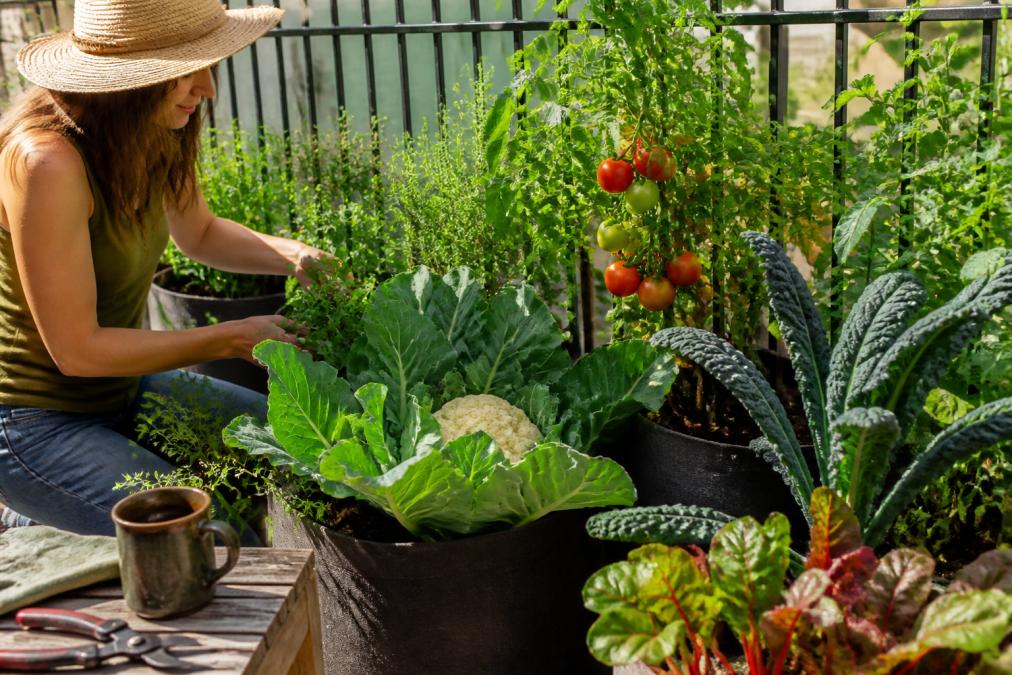
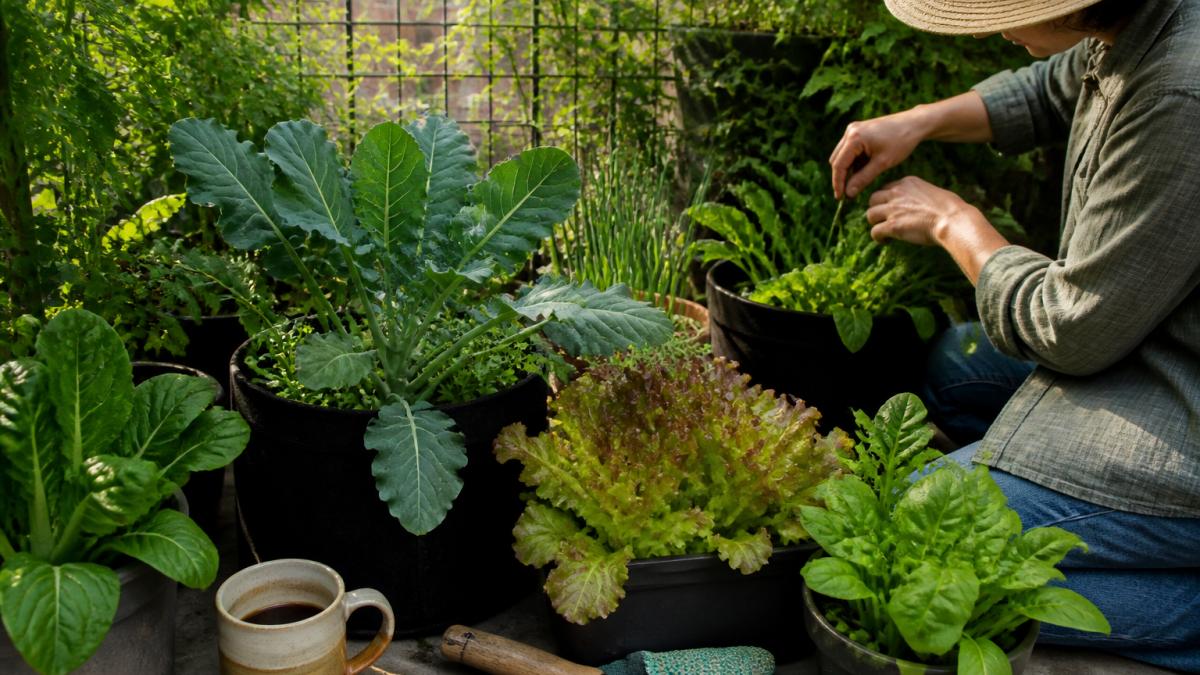
Container gardening in partial shade opens up possibilities that many gardeners overlook. Containers let you position plants exactly where you need them, moving them as the sun angle changes through the seasons. They also warm up faster in spring and drain better, which helps prevent fungal disease in humid Southern conditions.
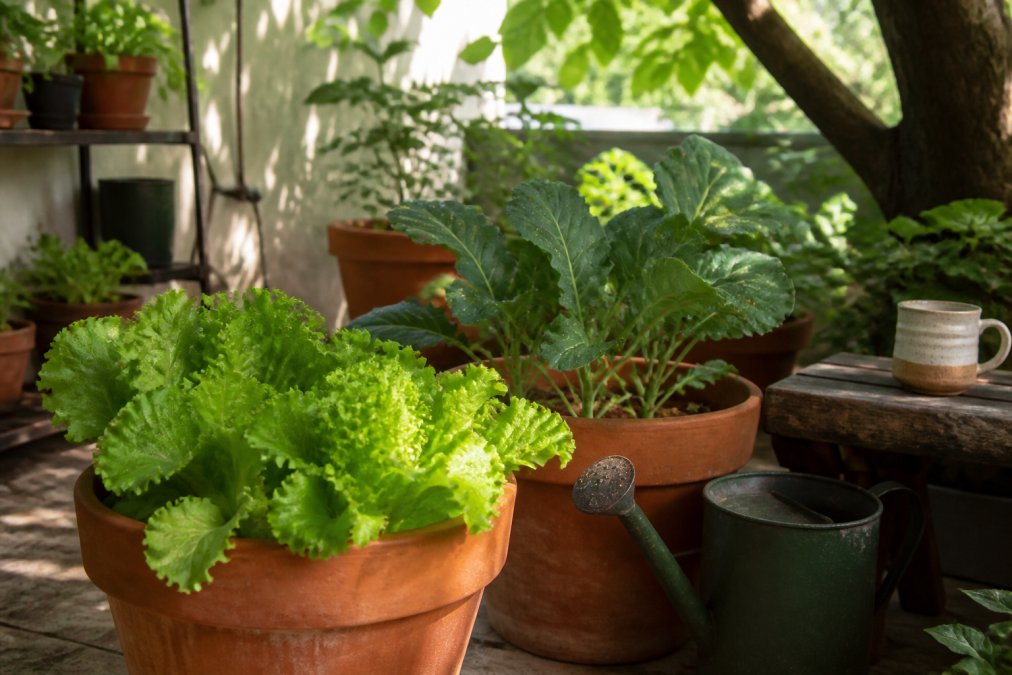
Tom Thumb Lettuce: Compact and Quick
Tom Thumb lettuce is exactly what you need if you're new to shade gardening. This heirloom butterhead variety grows to about the size of a tennis ball, perfect for containers and individual servings. Each head matures in 45 to 55 days, meaning you can plant, grow, and harvest before heat stress even becomes a concern.
The real advantage here is flavor. Tom Thumb thrives in cool conditions with partial shade. Its tender, mild, sweet leaves don't get the bitter edge that full-sun lettuce develops when temperatures spike. Growing it in a container on your patio means you can harvest leaves at peak freshness for salads and garnishes.
Container size matters: a 6-inch pot works fine for one plant, but a 12-inch container holds three or four. Fill with quality potting mix that drains well. Keep soil consistently moist but not waterlogged, containers dry out faster than garden beds, especially in our Southern heat. Tom Thumb Lettuce from Heritage Cottage Seeds runs $4.00 per packet and germinates reliably, giving you the confidence to try shade gardening without risk.

Broccoli Raab: Bold Flavor in Cool Seasons
Broccoli raab, also called rapini, is a specialty green that deserves more attention from Southern gardeners. It produces deep forest-green leaves and slender stems topped with small broccoli-like florets. Plants reach 18-24 inches tall and mature quickly in cool weather, perfect for spring and fall planting when you have partial shade working in your favor.
The flavor is bold and slightly nutty with a pleasant bitter edge that Italian cooks prize. Harvest young for the most tender leaves and tight buds. In containers, broccoli raab thrives because you control the soil quality and drainage. Use a container at least 10 inches deep and fill it with organic-rich potting mix. Space plants 6 inches apart.
Here's the insider tip: broccoli raab actually performs better with afternoon shade during our hottest months. If you're growing it in summer (which is unusual but possible in the upper South), position containers where they get morning sun and afternoon dappled shade. Broccoli Raab from Heritage Cottage Seeds costs $4.00 and comes with 1 gram of seeds, plenty for multiple plantings.

Growing Leafy Greens in Hot Weather: Shade Strategies
Leafy greens are the backbone of shade gardening in the South. Spinach, kale, arugula, and lettuce varieties all tolerate partial shade better than fruiting crops. The key is timing and variety selection.
Choosing the Right Leafy Green Varieties
Not all leafy greens behave the same way in shade. Some bolt at the first hint of heat; others stay productive through partial shade. The difference often comes down to genetics and how the variety was selected.
Cool-season greens like lettuce, spinach, and Asian greens (bok choy, mizuna) are your best bets for shade.
Managing Bolting and Heat Stress
Bolting, when a plant suddenly flowers and goes to seed, is the enemy of leafy greens in the South. It happens when day length increases and temperatures rise. Shade delays bolting by keeping plants cooler and reducing the light signals that trigger flowering.
Root Vegetables That Tolerate Partial Shade
Root vegetables often surprise people with how well they grow in partial shade. Carrots, beets, turnips, and radishes all develop solid roots and nutritious greens with 4-6 hours of dappled sunlight. The key is soil quality, shade tolerant root vegetables need loose, well-draining soil with good organic matter.
How to Improve Soil for Container Vegetables in Shade
Container soil is where shade gardening either succeeds or fails. Garden soil compacts in containers and drains poorly. You need a potting mix designed for containers, something light, airy, and rich in organic matter.
Organic Matter and Drainage
Quality potting mix is your foundation. Look for mixes that include peat moss or coconut coir (for water retention), perlite or vermiculite (for drainage and aeration), and compost or aged bark (for organic matter and nutrients). A 40-30-30 ratio of these components works well for most shade tolerant vegetables.
Microclimate Mapping for Your Garden
This is where many gardeners miss an opportunity. Before you plant anything, spend a week observing your yard. Note where sun hits at different times of day. Identify which areas stay cool and moist versus which ones dry out fast.
Shade Tolerant Vegetables: Yield Expectations and Timing
Let's be honest about what shade gardening delivers. You won't get the massive yields of a full-sun garden. But you will get reliable production of high-quality vegetables, often with better flavor because plants aren't stressed by heat.
| Vegetable | Days to Maturity | Shade Tolerance | Best Season |
|---|---|---|---|
| Tom Thumb Lettuce | 45-55 | Excellent | Fall, Spring |
| Broccoli Raab | 50-70 | Excellent | Fall, Spring |
| Spinach | 40-50 | Excellent | Fall, Spring |
| Carrots | 70-80 | Good | Fall, Spring |
| Beets | 55-70 | Good | Fall, Spring |
| Turnips | 60-75 | Good | Fall, Spring |
Frequently Asked Questions
What vegetables only need 4 hours of sun?
Leafy greens like lettuce, broccoli raab, and spinach thrive with just 4-6 hours of sunlight daily. Root vegetables such as beets and radishes also perform well in partial shade. These shade tolerant vegetables actually benefit from afternoon shade in the Southern US, as it reduces bolting and heat stress during hot growing seasons. Container gardening makes it easy to position these crops in the right microclimate.
Can I grow vegetables in containers in a shaded patio?
Yes, many shade tolerant vegetables excel in containers on shaded patios. Tom Thumb lettuce and broccoli raab are ideal for container gardening because they're compact and mature quickly. The key is choosing varieties adapted to partial shade and ensuring your containers have proper drainage. Mississippi State University Extension recommends containers at least 6-8 inches deep for leafy greens, with organic-rich soil that retains moisture without becoming waterlogged.
How does high humidity affect shade-grown vegetables?
High humidity in the Southern US can increase fungal disease risk on shade-grown crops, especially when air circulation is poor. Partial shade combined with humid conditions slows evaporation, creating moist foliage that promotes mildew and leaf spot. Improve air circulation by spacing containers apart, avoiding overhead watering, and choosing varieties known for disease resistance. Broccoli raab, with its upright growth habit, handles humidity better than sprawling greens.
What soil amendments help shade-tolerant vegetables grow better?
Shade-grown crops benefit from nitrogen-rich soil and increased organic matter, since reduced sunlight limits photosynthesis. Work in compost or aged manure to improve soil drainage and nutrient density. For container vegetables, start with a high-quality potting mix amended with additional compost. Mulching around plants helps retain moisture and keeps soil cooler, important since shade reduces natural cooling. Mississippi State Extension recommends testing soil pH annually for best results.