 how-to
Simple Indoor Gardening Projects for Kids
Table of Contents
- Why Indoor Gardening Matters for Kids
- Easy Vegetables to Grow with Kids Indoors
- Seed Starting Projects for Kids
- Indoor Gardening Tools for Small Hands
- Regrowing Kitchen Scraps Indoors
- Growing Microgreens and Sprouts at Home
- Common Mistakes to Avoid
- Conclusion
- Frequently Asked Questions
Last Updated: October 2, 2026
Why Indoor Gardening Matters for Kids
Growing things indoors teaches kids real science without a textbook. They watch seeds germinate, roots develop, and leaves reach toward light.
Simple indoor gardening projects for kids don't require fancy equipment or a green thumb, just seeds, soil, containers, and sunlight.
Easy Vegetables to Grow with Kids Indoors
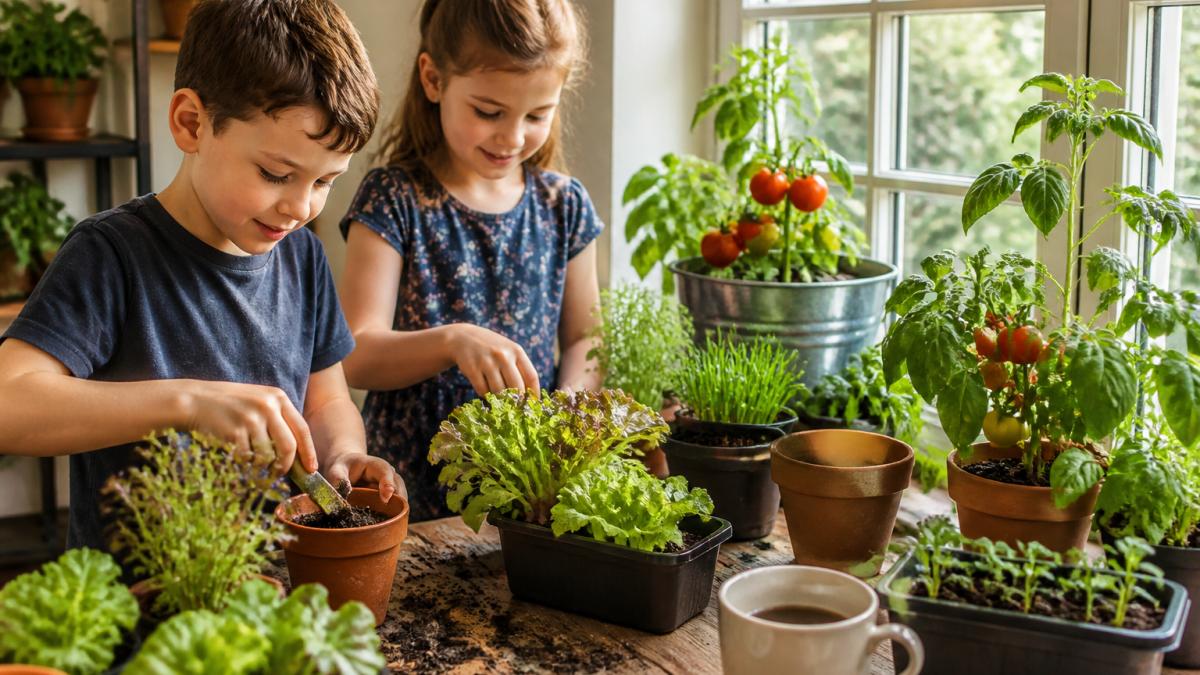
Pick vegetables that grow quickly and show visible progress, lettuce, compact tomatoes, and microgreens deliver results within weeks.
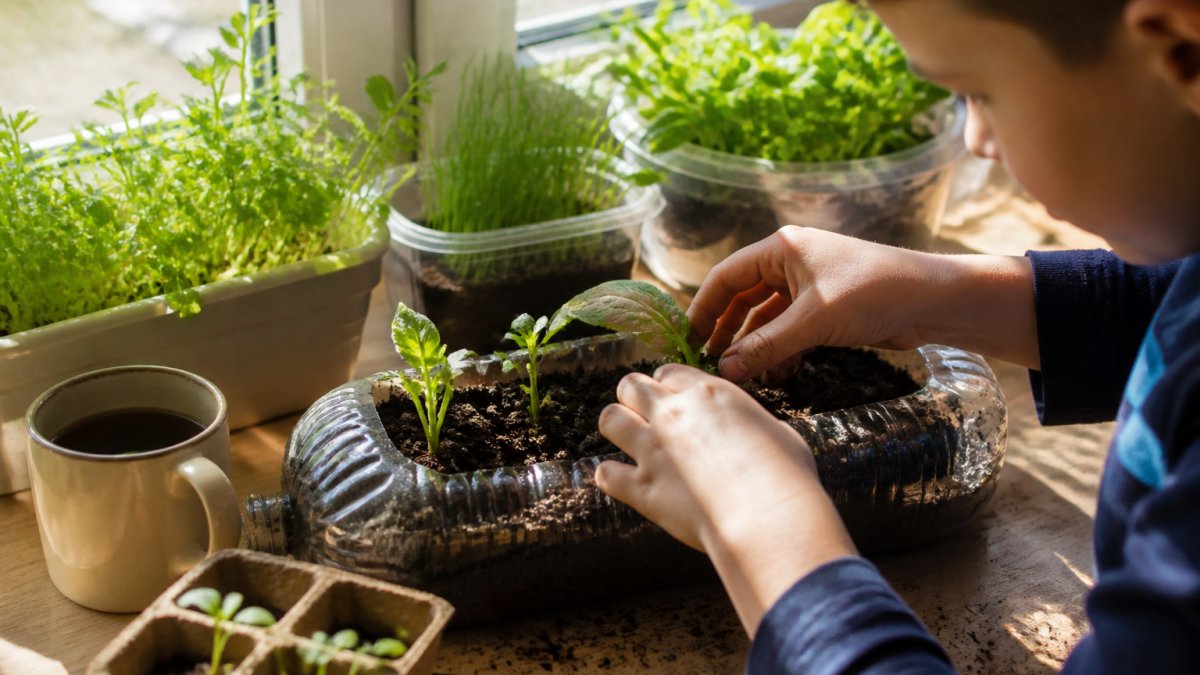
Choose vegetables your child actually eats, growing crops they'll snack on straight from the plant keeps interest high.
Fast-Growing Lettuce for Quick Wins
Lettuce germinates in 3-5 days and reaches harvest size in 4-6 weeks. Tom Thumb lettuce grows in tight, tennis-ball-sized heads perfect for small containers.

Plant seeds a quarter-inch deep in moist soil. Lettuce needs 12-14 hours of light daily, a sunny windowsill or basic grow light works well.
Harvest outer leaves or cut the whole head, kids see edible food they grew within six weeks.
Compact Tomatoes for Windowsills
Micro-dwarf tomatoes like Orange Hat and Hahm's Gelbe stay under 12 inches tall, fruit heavily in containers, and thrive on sunny windowsills.
These are bred for tight spaces. Plant one seed per small pot (4-6 inches wide).
Germination takes 7-10 days; fruit ripens roughly 12-16 weeks after planting.
Water when the top inch of soil feels dry.
Seed Starting Projects for Kids
Seed starting teaches the complete plant life cycle, kids learn that every plant begins as a seed and watch germination happen.
Step 1: Gather Your Supplies
You don't need expensive kits. Gather seeds, containers with drainage holes (recycled yogurt cups work), potting soil, a spray bottle, a sunny windowsill or grow light, and plant markers. Drainage matters, soggy soil kills seedlings faster than anything else.
Step 2: Plant Seeds and Watch Germination
Fill containers with moist potting soil and press seeds in at the depth the packet recommends. Cover loosely with plastic wrap to hold moisture. Check daily, germination happens fast with lettuce (3-5 days) and herbs (7-14 days), slower with tomatoes (7-10 days).
Step 3: Care for Seedlings Until Transplanting
Seedlings need 12-16 hours of bright light daily. Water when soil feels dry to the touch, mist gently with a spray bottle to avoid overwatering. Feed lightly with diluted fertilizer every 2 weeks once true leaves appear. Snip extra seedlings with scissors rather than pulling them.
Indoor Gardening Tools for Small Hands
The real game-changer for indoor gardening success is light. Most indoor gardens fail because windowsills don't provide enough light, especially in winter or north-facing rooms. A simple, budget-friendly grow light solves this problem.
Essential Hand Tools
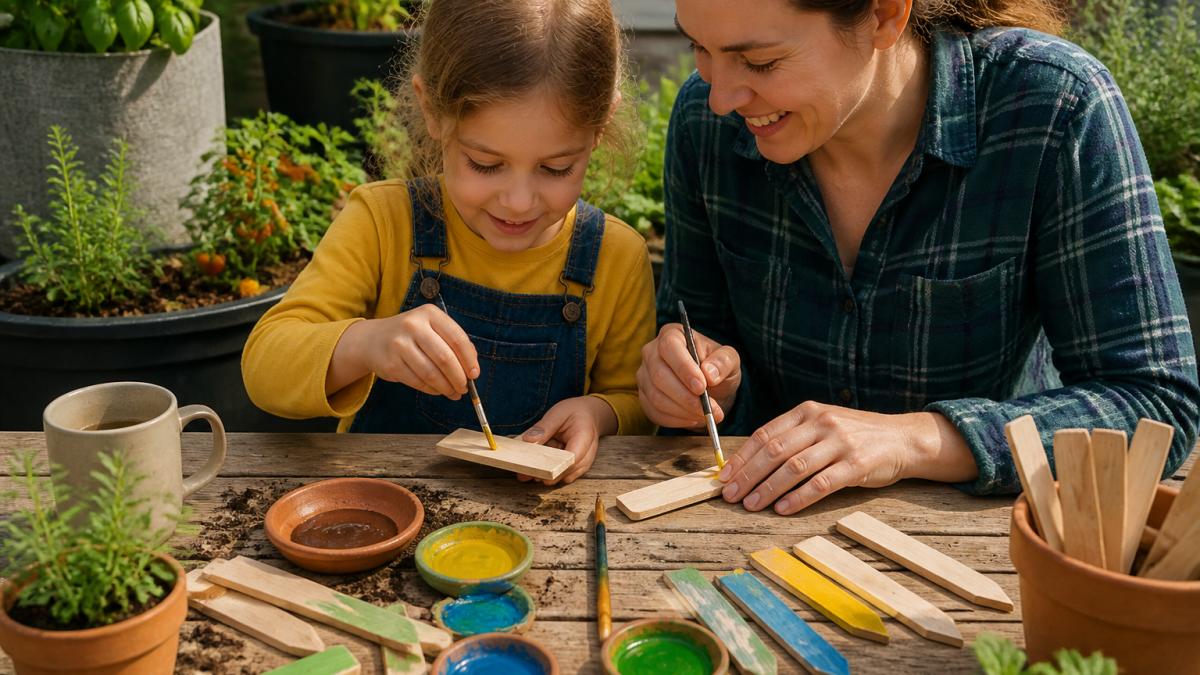
A small trowel, hand fork, and pruning snips sized for young hands make work easier. A spray bottle beats a watering can for delicate seedlings and prevents overwatering. Label containers with plant name and date using popsicle sticks or markers. Keep a simple notebook to track growth and harvest dates.
The Light Problem: Why Most Indoor Gardens Struggle
A sunny windowsill sounds ideal but often isn't enough. South-facing windows in winter provide only 2-4 hours of direct sun. Seedlings need 12-16 hours of light daily to grow strong and compact. According to Mississippi State University Extension, inadequate light is the single biggest reason young gardeners' seedlings fail.
Budget-Friendly Grow Light Solutions
A simple fluorescent shop light works beautifully for seedlings and small vegetables. Position it 2-3 inches above seedlings and run it 12-16 hours daily using a basic timer. LED grow lights are also affordable and use less electricity. Either option is kid-safe and reliable, and the investment pays for itself in successful harvests.
Light Setup Tips for Kids
Place the light on a stable shelf or stand above containers and use a timer for automatic on/off cycles. Supplement windowsills with a grow light during winter or in north-facing rooms. Let kids adjust light height as plants grow, it teaches observation and builds confidence.
Regrowing Kitchen Scraps Indoors
Regrow green onions, celery, and lettuce from kitchen scraps. Cut green onions 2 inches from the base and place root ends in water on a sunny windowsill, new shoots appear within days. Celery and lettuce work the same way. Kids find this magical because food regrows from scraps they thought were garbage.
Growing Microgreens and Sprouts at Home
Microgreens and sprouts deliver harvests in 1-2 weeks, the fastest indoor gardening projects for kids. Sprouts grow in jars with just water; soak seeds overnight and rinse twice daily for 3-5 days. Microgreens need soil and light; spread seeds on moist soil, cover until sprouting, then place under light and harvest at 1-2 inches tall (10-14 days).
Southern Gardening All Year Long →
Common Mistakes to Avoid
Most indoor gardens fail not because kids lack interest, but because they don't know how to keep plants alive once they've started growing. Here's what actually goes wrong, and how to fix it before your child gives up.
Overwatering: The #1 Seedling Killer
The problem: Soggy soil causes root rot and damping-off fungus. Why it happens: Kids water daily, and containers without drainage holes trap water. How to fix it: Water only when the top inch of soil feels dry, most seedlings need water every 2-3 days, not daily.
Insufficient Light: Why Seedlings Get Leggy and Weak
The problem: Seedlings stretch toward light, becoming tall, thin, and pale. Why it happens: Most windows provide only 2-4 hours of direct sun; seedlings need 12-16 hours daily. How to fix it: Add a basic grow light positioned 2-3 inches above seedlings and run it 12-16 hours daily.
Planting Seeds Too Deep or Too Shallow
The problem: Seeds planted too deep won't germinate; too shallow and they dry out. Why it happens: Kids guess instead of following the packet. How to fix it: Follow the seed packet depth exactly, most vegetable seeds go 1-2 times their width deep.
Inconsistent Watering and Temperature Swings
The problem: Temperature swings and erratic watering stress seedlings, slowing growth and inviting disease. Why it happens: Cold windows drop temperature at night; kids forget to water on weekends. How to fix it: Keep seedlings away from cold windows and check soil moisture daily.
Forgetting to Label Containers
The problem: Kids plant seeds, then forget what they planted. Mystery plants lose their appeal.
Why it happens: Multiple containers look identical. Kids assume they'll remember, but they won't.
How to fix it: Label everything with the plant name and planting date.
Giving Up Too Early
The problem: Some seeds take longer to germinate than others. Tomatoes take 7-10 days.
Why it happens: Impatience is normal. Kids expect instant results.
How to fix it: Set realistic expectations before planting. Show kids a germination timeline on the seed packet.
Nutrient Deficiency in Seedlings
The problem: Seedlings started in potting soil alone eventually run out of nutrients. Leaves turn pale or yellow.
Why it happens: Potting soil has minimal nutrients.
How to fix it: Once seedlings have 2-3 true leaves, feed them lightly every 2 weeks with diluted liquid fertilizer.
| Problem | What Goes Wrong | How to Fix It |
|---|---|---|
| Overwatering | Root rot, damping-off fungus | Water only when top inch of soil feels dry; use containers with drainage holes |
| Insufficient light | Leggy, weak, pale seedlings | Use sunny window or basic grow light for 12-16 hours daily |
| Planting too deep | Seeds don't germinate | Follow packet depth (usually 1-2x seed width) |
| Planting too shallow | Seeds dry out or wash away | Press tiny seeds into soil; don't bury them |
| Temperature swings | Slow growth, stress, disease | Keep seedlings away from cold windows; maintain 65-75°F |
| Unlabeled containers | Kids forget what they planted | Label with plant name and date; keep a notebook |
| Inconsistent watering | Stress, slow growth, wilting | Check soil daily; water when top inch feels dry |
| Nutrient deficiency | Pale or yellow leaves | Feed with diluted fertilizer every 2 weeks after true leaves appear |
| Giving up too early | Missed germination | Follow seed packet timeline; keep checking; germination happens |
Conclusion
Indoor gardening projects for kids work because they're simple, fast, and produce real results. Pick fast-growing vegetables like lettuce or compact tomatoes.
Heritage Cottage Seeds offers the heirloom and rare varieties that make gardening feel special. Our Tom Thumb lettuce and Orange Hat micro-dwarf tomato seeds are proven performers in containers. For deeper guidance on seasonal growing and regional gardening throughout the year, the book Southern Gardening All Year Long ($20.00) provides month-by-month advice tailored to indoor and container gardening success.

Start small. One pot of lettuce teaches more than a dozen articles. Your child will remember the taste of something they grew.
Ready to start your indoor garden with your kids? Search Heritage Cottage Seeds for Tom Thumb lettuce, Orange Hat tomato seeds, or Hahm's Gelbe micro-dwarf tomatoes. According to Mississippi State University Extension guidance on container gardening, starting with proven seed varieties dramatically increases success rates for young gardeners. Our curated selection ensures you're planting seeds bred for reliable germination and strong performance in small spaces.
For additional resources on indoor gardening science and plant care, the University of Georgia Extension's seed starting guide covers germination timing, light requirements, and troubleshooting common seedling problems. Many gardeners also find that the National Gardening Association's youth gardening resources provide age-appropriate project ideas and learning frameworks that complement hands-on seed starting.
Frequently Asked Questions
What is the easiest vegetable to grow indoors with kids?
Lettuce is one of the easiest indoor gardening projects for kids because it germinates quickly (3-7 days) and matures in 45-55 days with minimal care. Tom Thumb lettuce grows to tennis-ball size, perfect for small hands and containers. Microgreens are even faster, they're ready to eat in just 1-2 weeks. Both teach kids about seed germination and plant life cycles without requiring special equipment or expert knowledge.
What supplies do I need to start simple indoor gardening projects for kids?
Start with recycled containers (yogurt cups, egg cartons, or small pots with drainage holes), potting soil, seeds, and a sunny windowsill or basic grow light. For seed starting, you'll need a spray bottle for watering, plant markers to label varieties, and a warm spot to encourage germination. Most supplies cost under $20 total. Mississippi State University Extension recommends container gardening as an affordable way to teach kids hands-on horticulture basics.
How do I help my child care for indoor plants without killing them?
The biggest mistake is overwatering. Check soil moisture with your finger before watering, it should feel slightly damp, not soggy. Most indoor plants prefer consistent moisture but not waterlogged growing medium. Place containers in a sunny windowsill (6-8 hours of light daily) and rotate them weekly for even growth. Start with forgiving varieties like lettuce and microgreens, which tolerate beginner mistakes better than finicky plants. Keep a watering chart so kids learn the plant's rhythm.
Can kids actually save seeds from indoor-grown plants?
Yes, if you grow open-pollinated heirloom varieties. Let a few plants mature fully and produce seeds indoors or move them outdoors once weather permits. Collect seeds when they dry on the plant, store them in a cool, dry place, and use them next season. This teaches kids about plant reproduction and the full plant life cycle. Hybrid varieties won't produce seeds that grow true to type, so stick with heirloom seeds from the start if seed saving is your goal.