 comparison
Specialty Heirloom Seeds: Small Retailers vs Big Box
Table of Contents
- Why Specialty Heirloom Seeds Matter to Home Gardeners
- The Real Difference: Small Retailers vs Big Box Stores
- Benefits of Growing Heirloom Tomatoes in Containers
- Tips for Successful Container Vegetable Gardening
- Frequently Asked Questions
Last Updated: September 1, 2026
Why Specialty Heirloom Seeds Matter to Home Gardeners
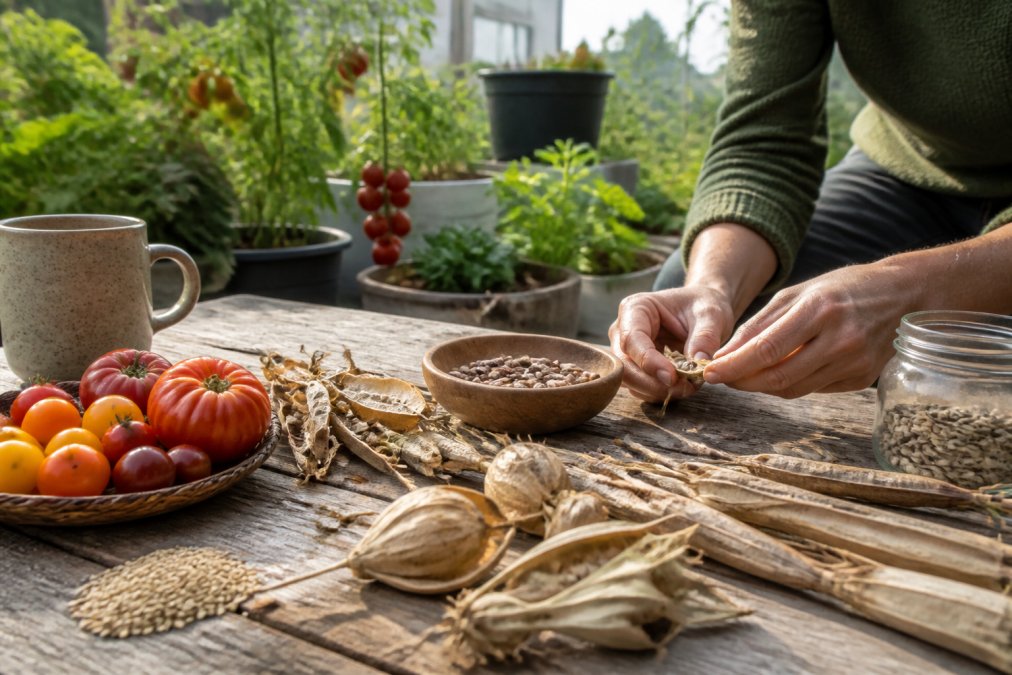
Growing your own food starts with a single seed. Specialty heirloom seeds aren't mass-produced packets from big box stores, they're carefully selected varieties passed down through generations with unique flavor profiles and growing characteristics you won't find elsewhere. When you choose heirloom seeds from smaller niche retailers, you're tapping into growers who know their varieties intimately, have tested them, and understand how they perform in different climates. That distinction matters, especially if you're serious about growing vegetables in containers or adapting varieties to your regional climate.
The Real Difference: Small Retailers vs Big Box Stores
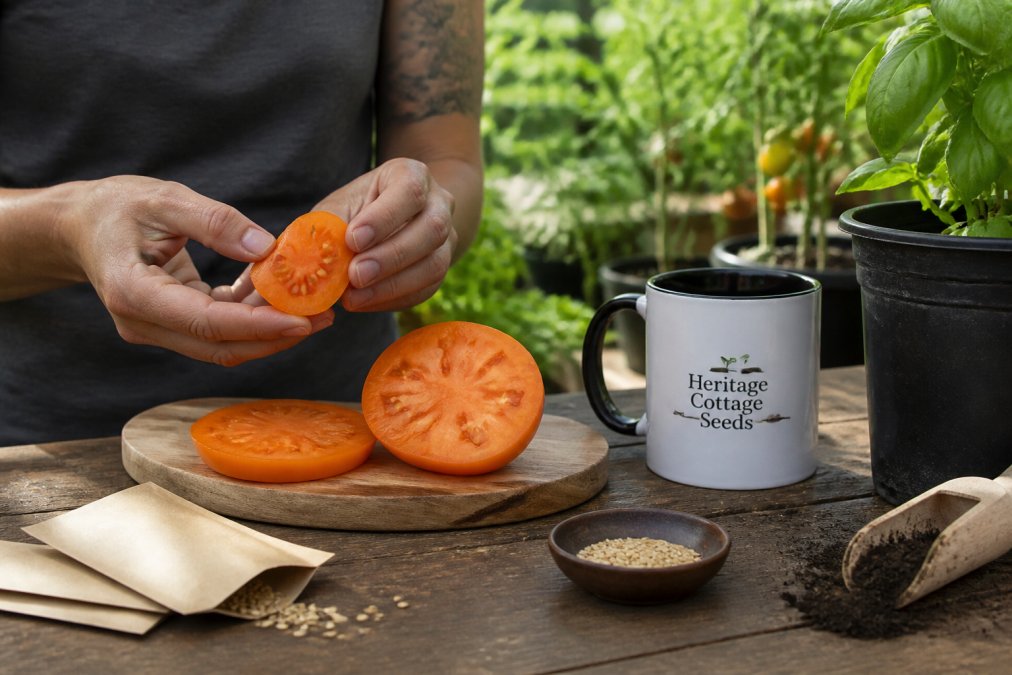
The difference between specialty heirloom seeds and big box stores goes far deeper than cost. Small specialty retailers source seeds from growers with direct knowledge of their varieties. Many have tested these seeds themselves over years and can tell you how they actually perform in real gardens. Heritage Cottage Seeds, for example, offers tomato varieties like the Heritage Cottage Orange that have been grown and saved since 2005, selected for proven performance and flavor.

Big box stores prioritize availability and shelf space, stocking what distributes easily and appeals broadly. Seed packets are often produced months in advance, stored in warehouse conditions, and shipped through multiple distribution channels before reaching you. Each step affects seed vigor and germination rates.
The practical impact: specialty retailers typically provide seeds with higher germination rates and better adaptation to regional growing conditions. According to Mississippi State University Extension gardening guides, selecting varieties adapted to your regional growing season and humidity levels dramatically improves success rates.
| Aspect | Small Specialty Retailers | Big Box Stores |
|---|---|---|
| Variety Selection | Rare, unusual, regionally adapted | Common, high-volume varieties |
| Seed Viability | Higher (shorter supply chain) | Variable (longer distribution) |
| Growing Guidance | Detailed, variety-specific | Generic packet instructions |
| Open-Pollinated Options | Emphasis on seed-saving varieties | Limited hybrid focus |
| Regional Adaptation | Strong for local climates | One-size-fits-all approach |
Benefits of Growing Heirloom Tomatoes in Containers
Container gardening opens possibilities that traditional in-ground planting doesn't. Heirloom tomatoes are surprisingly well-suited to this approach when you choose the right varieties.
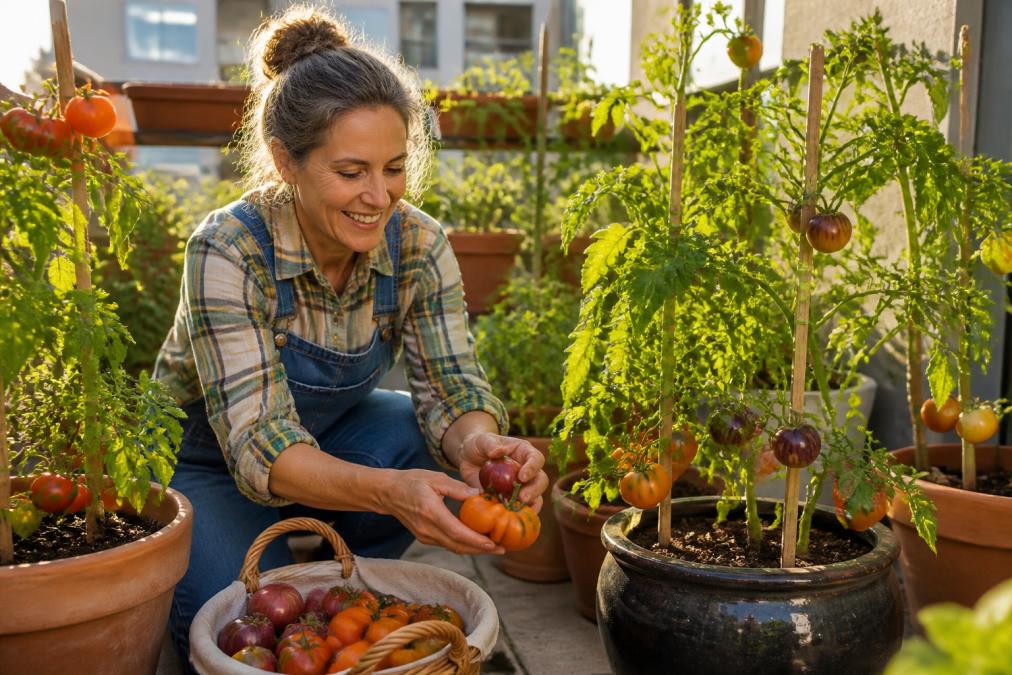
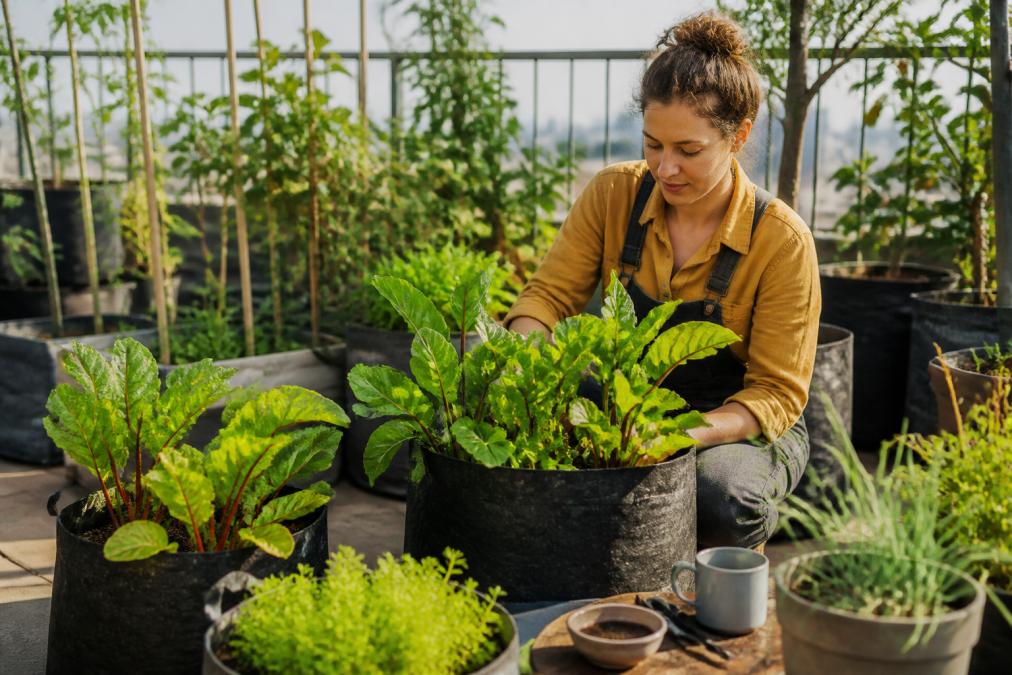
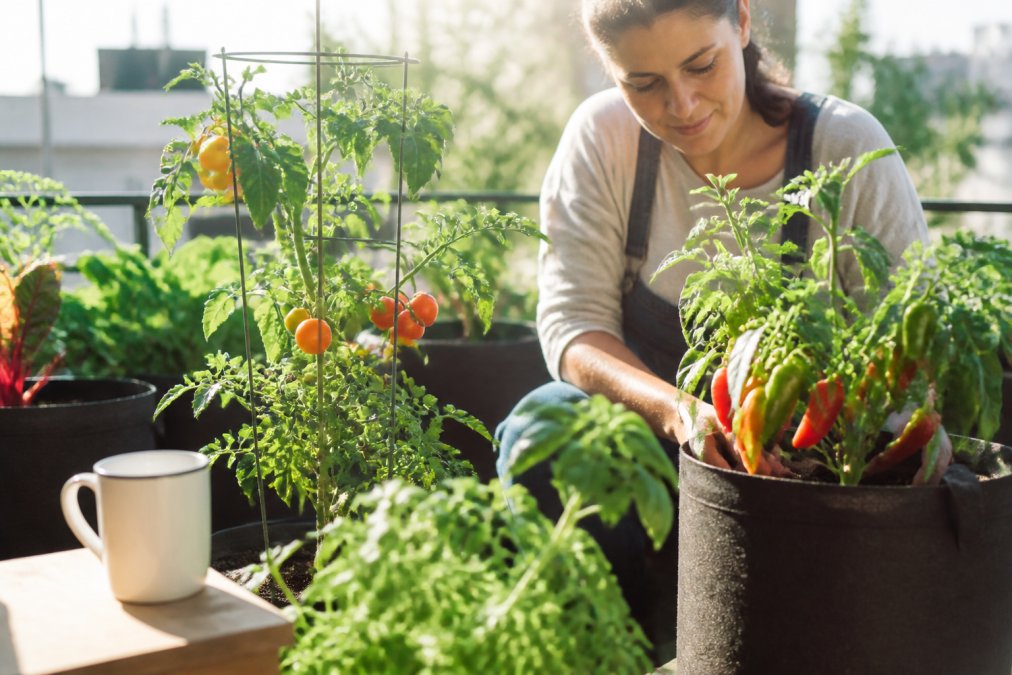
The main advantage is control. When you grow heirloom tomatoes in containers, you control soil quality, drainage, moisture, and sunlight exposure. Heritage Cottage Seeds offers varieties like the Siberian Red Heirloom, which performs exceptionally well in containers because of its determinate growth habit and compact size. Container growing also solves space limitations, a few large containers on a patio can produce substantial harvests without needing sprawling garden beds.

Tips for Successful Container Vegetable Gardening
Container vegetable gardening requires attention to a few key factors that differ from in-ground growing.
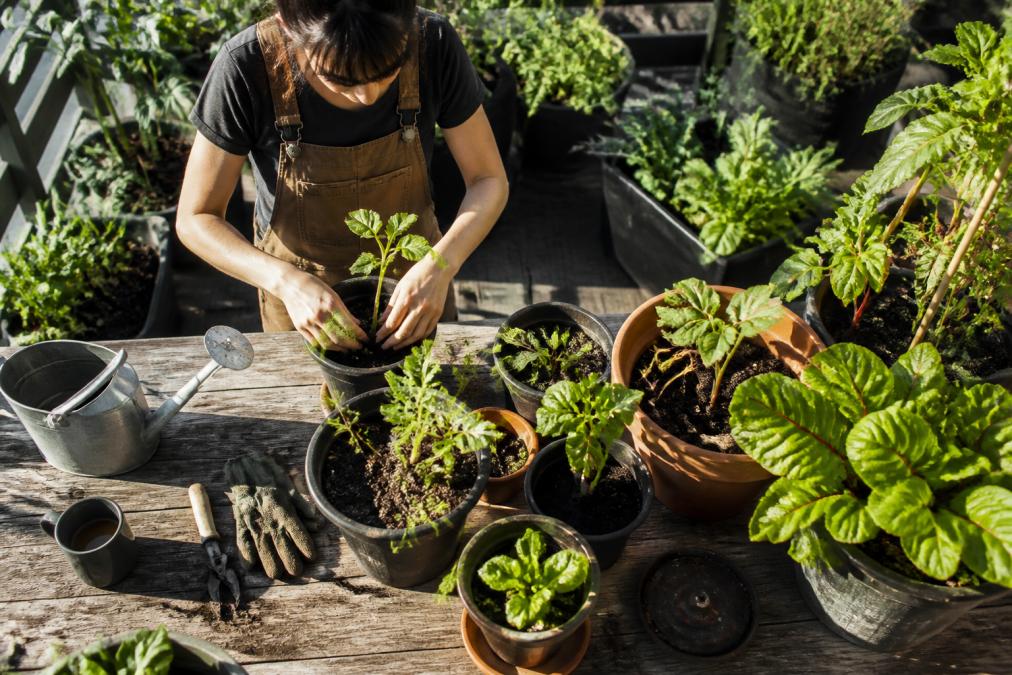
Container size matters. Determinate tomatoes do well in 5-gallon containers (msstate.edu). Indeterminate varieties need 10-gallon containers or larger. Peppers need at least 5 gallons per plant.
Use quality potting mix, not garden soil. Garden soil compacts in containers and restricts drainage. A good potting mix retains moisture while allowing water to drain freely.
Water consistently. Check containers daily during hot weather, soil should be moist but not waterlogged. Inconsistent watering leads to problems like blossom end rot and fruit cracking.
Feed regularly. Container plants don't have access to garden soil's nutrient reserves. Apply balanced fertilizer every 2-3 weeks once plants start producing, following package directions.
Ensure adequate sunlight. Most vegetables need 6-8 hours of direct sun daily (msstate.edu). Tomatoes and peppers want full sun. Position containers where they'll get consistent light throughout the season.
Use location flexibility. Container gardening lets you move plants if conditions change. If a container isn't getting enough light, move it. If weather turns harsh, temporarily relocate plants to shelter.
Growing specialty heirloom seeds from smaller niche retailers gives you access to varieties that big box stores don't stock. Combined with container gardening, you can grow exceptional produce in almost any space. Heritage Cottage Seeds specializes in carefully selected varieties like the Cherokee Purple and San Marzano that deliver authentic flavor and reliable performance. Start with proven varieties suited to your climate and growing method, and you'll build the confidence and success that keeps you gardening year after year.

Frequently Asked Questions
Q: How do specialty heirloom seeds from niche retailers differ in germination rates compared to big box store seeds?
A: Specialty retailers typically source seeds with higher seed viability and germination rates because they manage smaller inventory with faster turnover. Big box stores often stock seeds that sit on shelves longer, which can reduce vigor and germination potential. Mississippi State University Extension recommends checking seed packet dates and storage conditions when purchasing.
Q: What makes specialty heirloom seeds worth the extra cost?
A: Specialty retailers offer cultivars you won't find elsewhere, often adapted to regional climates and growing seasons. These seeds typically come with horticultural expertise and detailed growing guidance specific to your area. You're paying for curation, quality control, and access to open-pollinated varieties suitable for seed saving. With specialty retailers, you also get seeds that perform reliably in containers and small spaces, making them ideal for urban gardeners and families starting their first vegetable garden.
Q: Are heirloom seeds from small retailers suitable for beginner gardeners?
A: Yes, many heirloom varieties are beginner-friendly, especially determinate tomato types and cold-tolerant cultivars. Specialty retailers like Heritage Cottage Seeds provide proven varieties tested for reliability. Look for seeds with clear growing instructions and climate resilience information. Starting with container gardening makes learning easier, and specialty retailers often recommend varieties that thrive in containers with minimal fuss. Mississippi State University Extension offers free guidance on seed starting and container growing for beginners.