 how-to
Starting Heirloom Vegetable Seeds: A Beginner's Guide
Table of Contents
- Why Start with Heirloom Seeds?
- Gathering Your Heirloom Seed Starting Supplies
- Step-by-Step: Sowing and Caring for Your Seedlings
- Frequently Asked Questions
Starting Heirloom Vegetable Seeds for Beginners
Last Updated: September 9, 2026
Why Start with Heirloom Seeds?
Starting heirloom vegetable seeds for beginners is one of the most rewarding steps in gardening. Heirloom varieties are open-pollinated, meaning they breed true from saved seed year after year, and they were selected for taste rather than shelf life (extension.msstate.edu).
Gathering Your Heirloom Seed Starting Supplies
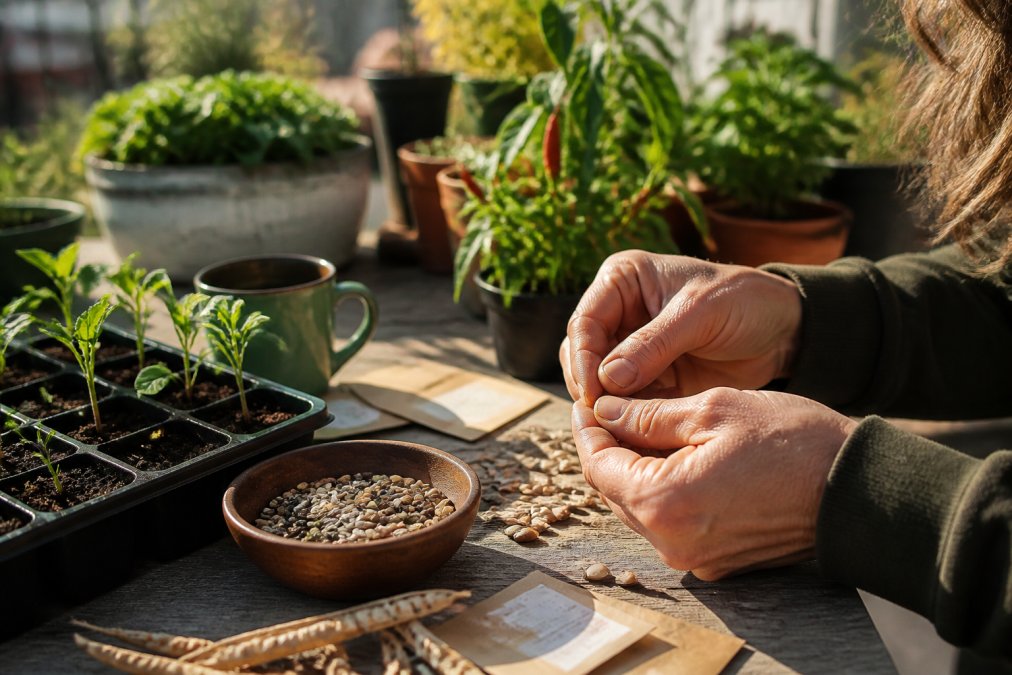
You do not need a greenhouse or expensive gear. Gather cell trays or pots with drainage holes, a quality seed starting mix, and labels. Use a light, soilless mix rather than garden soil, which can compact and harbor disease.
Light is the other non-negotiable. A sunny windowsill rarely provides enough intensity, a simple shop light kept a couple of inches above seedlings for 14 to 16 hours a day works beautifully (extension.umn.edu).
Step-by-Step: Sowing and Caring for Your Seedlings
Check your seed packet for timing, then work backward from your last frost date. For most of the Southeast, start tomatoes and peppers indoors about six to eight weeks before the last expected frost (extension.msstate.edu). Plant a seed twice as deep as its width; tiny seeds like lettuce need light, so press them onto the surface.
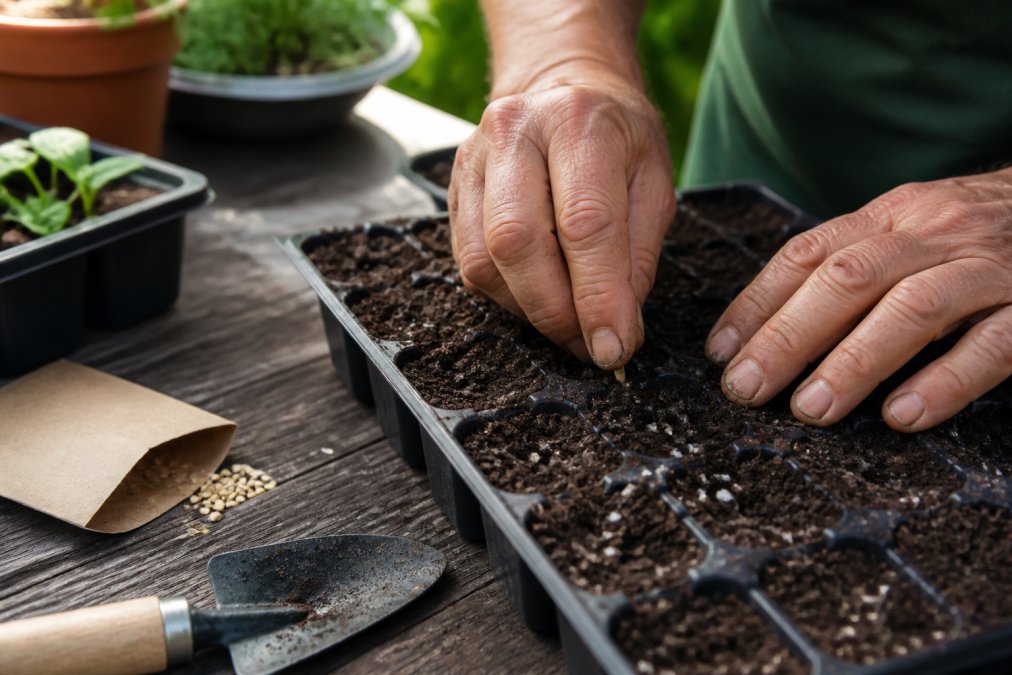
Water gently from below, cover with a dome until sprouts appear, then remove it. Thin to one strong seedling per cell, and feed with diluted fertilizer at half strength once true leaves appear.
When to Start Seeds Indoors by Zone
Timing varies across the Southeast, so check your local extension service, Mississippi State University Extension is a great resource, for the average last frost date.
Best Heirloom Vegetables for Containers
Growing in containers opens the garden to anyone with a sunny porch. The best heirloom vegetables for containers are compact varieties like Tom Thumb lettuce, a small butterhead that matures in about 45 to 55 days.
| Variety | Type | Container Size | Days to Maturity |
|---|---|---|---|
| Tom Thumb lettuce | Butterhead | 6-inch pot | 45-55 days |
| Siberian Red tomato | Determinate | 5-gallon pot | Early, dependable |
| Heritage Cottage Orange tomato | Determinate | 5-gallon pot | Mid-season |
Common Seed Starting Mistakes to Avoid
Most failures trace to predictable errors: sowing too early, insufficient light, overwatering, and skipping hardening off, the gradual acclimation to outdoor sun and wind over 7 to 10 days.

Direct Sow vs. Indoor Start
Root crops like carrots and radishes resent transplanting and should be direct sown. Indoor starting pays off for crops needing a long season, like tomatoes and peppers.
Starting heirloom vegetable seeds for beginners does not require perfection, just good seed, light mix, adequate light, and consistent moisture.
The real joy comes when you harvest that first orange tomato grown from seed you saved yourself. Varieties like our Heritage Cottage Orange tomato seed carry stories and flavors you cannot find in a big-box store packet. For gardeners in the Southeast looking for varieties proven in our heat and humidity, our curated selection helps in choosing what to grow.
For those who want to dig deeper into season-long growing in this region, our book Southern Gardening All Year Long offers a common-sense guide drawn from years of hands-on experience across Mississippi and the Southeast.
Growing great food from seed is a skill built one season at a time. Heritage Cottage Seeds offers rare, proven varieties and resources to grow them well, whether in a backyard plot or a few containers on the porch.
Frequently Asked Questions
What are the easiest heirloom vegetable seeds for beginners to start?
For your first try, choose varieties known for reliable germination. Tom Thumb lettuce is a compact butterhead that matures quickly and is very forgiving. Siberian Red Heirloom tomato is another excellent choice; it is cold-tolerant, early-maturing, and performs well in containers. These types give you a confidence boost and a tasty reward, making them perfect for gardeners just starting their heirloom vegetable seeds journey.
How do I know when to start my heirloom seeds indoors?
The general rule is to start seeds indoors about 6-8 weeks before your area's last expected frost date. This timing varies significantly by zone, so check a local planting calendar. For gardeners in the Southeast, the Mississippi State University Extension provides excellent resources. Starting at the right time ensures your seedlings are ready to transplant outdoors when the soil has warmed and the danger of frost has passed.
Do heirloom seeds require special care compared to hybrids?
No, heirloom seeds do not need special care during germination. They require the same basic conditions as any other seed: a quality potting mix, consistent moisture, and warmth. The main difference is that heirlooms are open-pollinated, meaning you can save the seeds from your harvest to grow again next year, preserving their unique genetics and flavors.