 listicle
Unique Heirloom Tomato Varieties for Sale
Table of Contents
- Best Heirloom Tomatoes for Containers
- Heirloom Tomato Growing Tips for Beginners
- How to Save Tomato Seeds Properly
- Heirloom vs Hybrid Tomatoes: What's the Difference
- Frequently Asked Questions
Last Updated: August 24, 2026
Growing unique heirloom tomato varieties opens up flavors and colors that grocery stores simply don't stock. Whether you're cultivating for your own table or to share with neighbors, you need varieties that perform in real gardens. We'll walk you through the best options, growing strategies, and seed-saving techniques that actually work.
Best Heirloom Tomatoes for Containers
Container gardening changes everything for tomato growers working with limited space. The right heirloom varieties thrive in pots and deliver real magic.
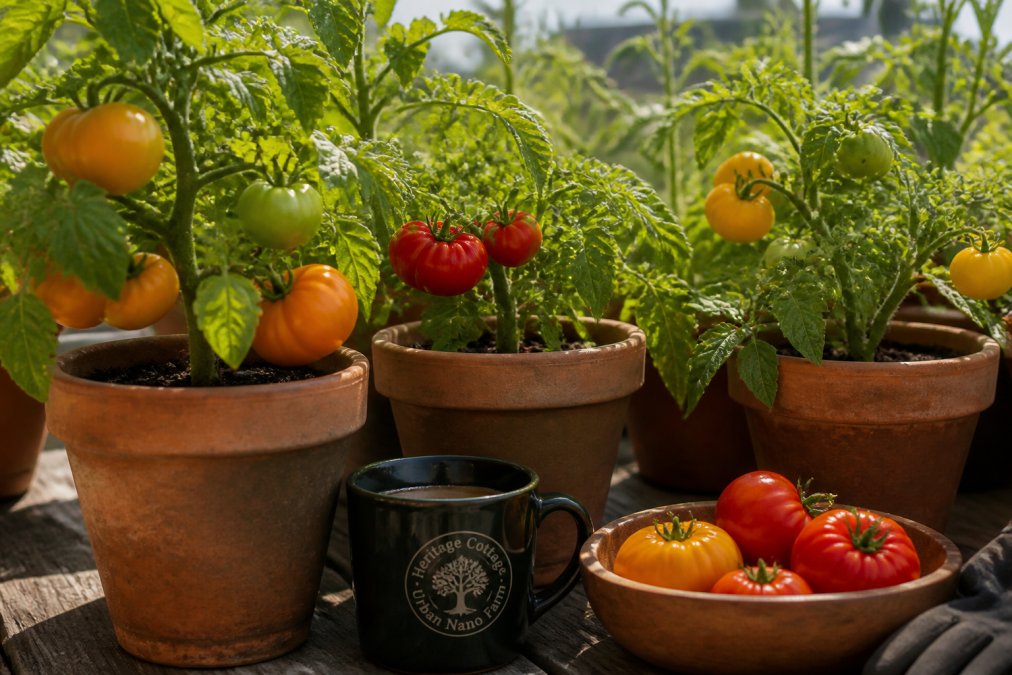
Hardin's Miniature grows just 6-10 inches tall yet produces abundant clusters of bright red cherry tomatoes with classic sweet-tart flavor. Orange Hat is a true micro-dwarf reaching just 8-12 inches tall, ideal for EarthBoxes and small-space gardens, with vibrant bright orange fruits averaging 1-1.5 inches. Rosy Fitch produces rosy-pink cherry tomatoes on plants that stay 10-14 inches tall, thriving in pots with reliable yields.

For Southern gardeners dealing with intense heat and humidity, Everglades is legendary for heat tolerance and disease resistance. This indeterminate cherry tomato produces massive clusters of tiny, bright red fruits about ½ inch in diameter with intense, sweet-tart flavor.
| Variety | Height | Fruit Size | Best For | Flavor Profile |
|---|---|---|---|---|
| Hardin's Miniature | 6-10 inches | Cherry | Windowsills, beginners | Sweet-tart |
| Orange Hat | 8-12 inches | 1-1.5 inches | Patios, EarthBoxes | Sweet, mild |
| Rosy Fitch | 10-14 inches | 1-1.25 inches | Containers, small spaces | Balanced, sweet |
| Everglades | Vigorous vine | ½ inch | Heat-tolerant gardens | Sweet-tart, intense |
Heirloom Tomato Growing Tips for Beginners
Starting with heirloom tomatoes doesn't require years of experience. Start seeds indoors 6-8 weeks before your last spring frost using seed-starting mix, keeping it consistently moist with 14-16 hours of daily light under grow lights or a bright south-facing windowsill (peer-reviewed research).
Hardening off is the step most beginners skip. Before moving transplants outside, gradually expose them to outdoor conditions over 7-10 days: start with 1-2 hours in dappled shade, then increase time and sun exposure each day.
According to Mississippi State University Extension guidance on tomato cultivation, heirloom tomatoes perform best when soil pH stays between 6.0 and 6.8. Consistent soil moisture matters more than the amount of water. Drip irrigation or soaker hoses beat overhead watering because they keep foliage dry and reduce disease pressure. Mulch with 3-4 inches of straw around the base, keeping it a few inches away from the stem, to prevent soil splash and keep roots cool during hot weather.
How to Save Tomato Seeds Properly
Saving seeds from heirloom tomatoes is straightforward once you understand the fermentation process. Open-pollinated varieties let you save seeds year after year and grow genetically identical plants.
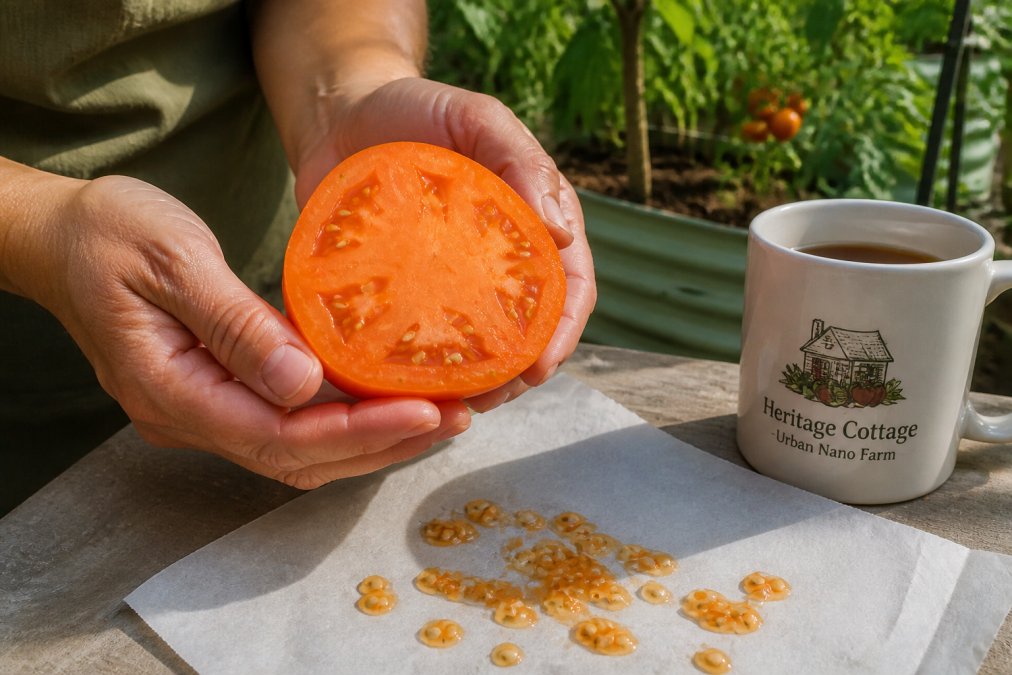
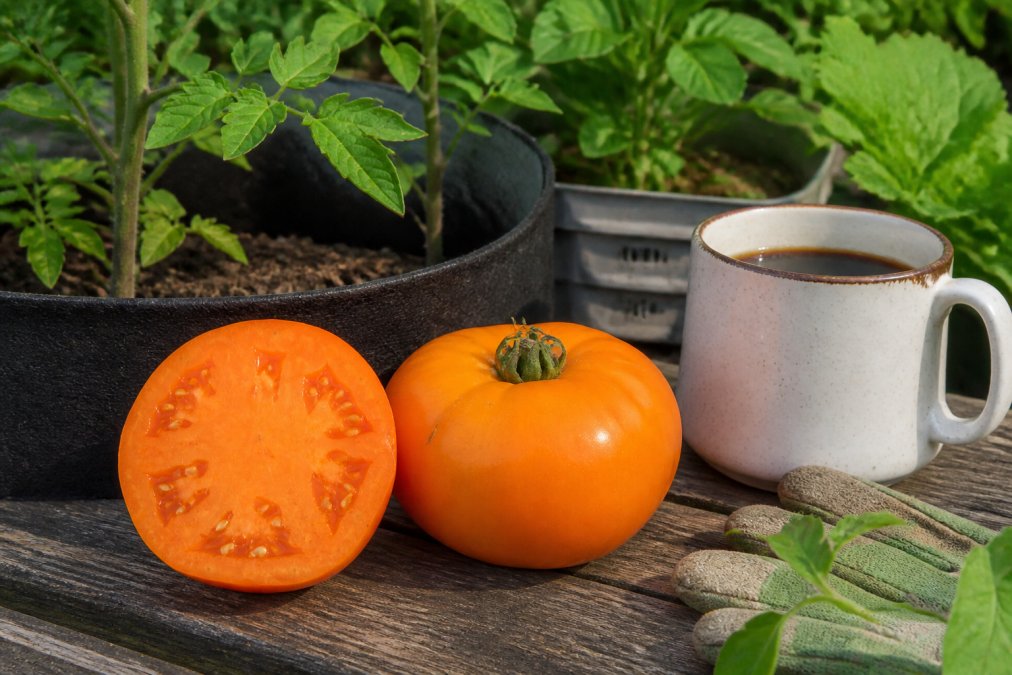
Choose fully ripe tomatoes from healthy plants. Cut the tomato in half and scoop seeds and gel into a small container. Add just enough water to cover the seeds and let the mixture ferment for 2-3 days at room temperature. Fermentation breaks down the gel coating that inhibits germination. Rinse seeds thoroughly under running water, rubbing them gently to remove remaining gel. Spread seeds on a coffee filter or paper towel and let them dry completely in a warm, dry location away from direct sunlight for 1-2 weeks.
Store dried seeds in a cool, dry place, a sealed envelope in the refrigerator or an airtight container with a desiccant packet works well. Properly stored heirloom tomato seeds remain viable for 4-6 years.
Heirloom vs Hybrid Tomatoes: What's the Difference
Heirloom tomatoes are open-pollinated varieties that breed true from seed. If you save seeds and plant them next year, you'll grow genetically identical plants with the same flavor, color, and characteristics. Many heirloom varieties have been grown in families or communities for generations, offering complex, nuanced flavors and unusual colors and shapes. The tradeoff: heirlooms often have less uniform ripening, lighter yields, and less disease resistance than modern hybrids.
Hybrid tomatoes result from crossing two different parent varieties to combine desirable traits. Hybrid seeds don't breed true; saved seeds won't produce identical plants. Hybrids typically offer more uniform ripening, higher yields, and better disease resistance, engineered for commercial production but often at the expense of complex flavor.
For home gardeners, heirloom varieties offer something hybrids can't: the ability to save seeds and maintain a variety year after year. Siberian Red Heirloom is a cold-tolerant, early-maturing heirloom prized for dependable yields and rich, classic tomato flavor. For Southern gardeners specifically, Mississippi State University Extension recommendations for warm-climate vegetable gardening emphasize selecting varieties with disease resistance to heat-loving pathogens. Everglades tomato was bred specifically for Southern conditions and thrives where other varieties falter.

Growing unique heirloom tomato varieties transforms your garden into a living seed bank and your kitchen into a tasting room for flavors you won't find anywhere else. Start with a variety that matches your space and experience level, and you'll be harvesting exceptional tomatoes by mid-summer.
Frequently Asked Questions
What's the easiest heirloom tomato variety for beginners to grow?
Hardin's Miniature and Orange Hat are excellent choices for beginners. These micro-dwarf varieties stay compact at 6-12 inches tall, require minimal staking, and produce abundant sweet cherry tomatoes in containers or small spaces. They mature quickly and tolerate less-than-perfect conditions, making them forgiving for new gardeners. Both varieties are available as heirloom tomato seeds for just $4.00.
Can I grow unique heirloom tomatoes in containers?
Absolutely. Many heirloom tomato varieties thrive in containers. Determinate varieties like Heritage Cottage Orange and Siberian Red grow 3-4 feet tall and fit well in large pots. Micro-dwarf types like Rosy Fitch and Aztec stay under 14 inches and are perfect for patios or windowsills. Use quality potting soil, ensure drainage holes, and water consistently for best results.
How do heirloom tomatoes differ from hybrid varieties?
Heirloom tomatoes are open-pollinated varieties passed down through generations, meaning you can save seeds and grow identical plants year after year. Hybrids are bred by crossing two specific parent plants and don't produce true seeds. Heirlooms typically offer superior flavor and unique colors, while hybrids are often bred for disease resistance or uniform ripening. Both have their place in the garden.