 listicle
9 Heat-Tolerant Pepper Varieties for Southern Summers
Quick Summary
The best heat tolerant pepper varieties for Southern summers are generally hot peppers such as Calabrian, Early Jalapeno, Datil and Tabasco, which keep setting fruit in humid heat. Sweet bell types like Gypsy, Revolution and King Arthur can work too, but they need earlier planting, afternoon shade and steady watering.
- Hot pepper species like annuum, chinense and frutescens tend to handle heat better than sweet bell types.
- Set bell pepper transplants out once nights stay reliably above 55°F so they set a first flush before peak heat.
- Give bell peppers afternoon shade and consistent moisture, since drought stress on top of heat drives blossom drop.
- Use containers of at least 5 gallons with drainage holes, and mulch the top inch or two to keep roots cooler.
- Avoid excess nitrogen, which pushes leafy growth at the expense of flowers in hot weather.
Table of Contents
- Why Southern Summers Are Hard on Peppers
- Sweet Peppers Versus Hot Peppers: Which Handle Heat Better
- Heat-Tolerant Bell Peppers That Keep Producing
- Hot Pepper Varieties That Thrive in Humid Heat
- Growing Peppers in Containers Through a Hot Summer
- Preventing Pepper Blossom Drop in Hot Weather
- Planting Your Southern Pepper Patch This Season
- Frequently Asked Questions
9 Heat-Tolerant Pepper Varieties for Southern Summers
Last Updated: November 2, 2026
Why Southern Summers Are Hard on Peppers
Pull up a chair, friend. If you've tried growing peppers through a Southern July, you already know the struggle. The sun beats down, the air hangs heavy, and some plants just sulk while others keep right on producing. The difference usually comes down to variety choice.
Peppers are warm-season crops, but there's a limit to how much heat they tolerate. When daytime temperatures climb well above the comfortable range, flowers can drop before they set fruit. Humidity makes it worse by keeping leaves wet and inviting disease. Heat-tolerant varieties give you a real head start, so let's walk through the ones that handle our summers best.
Sweet Peppers Versus Hot Peppers: Which Handle Heat Better
Here's a helpful way to think about it. Hot peppers, mostly from the Capsicum annuum, chinense and frutescens species, tend to be the more heat tolerant pepper group. Many of them were bred in warm climates and keep setting fruit when the thermometer climbs. Sweet bell types can be pickier, often slowing down or dropping blossoms once nights stay warm and muggy.
That doesn't mean sweet peppers are out of the question. It means you should pick the sweet types with care and plan for a little extra blossom watching. Mississippi State University Extension's vegetable guidance emphasizes choosing varieties suited to your local conditions, which is exactly the approach that works best here in the South (Homesteading: Growing Vegetables and Fruit at Home).
Heat-Tolerant Bell Peppers That Keep Producing
Bell peppers are the divas of the pepper patch when summer turns up the dial. They'll grow lush and green, then sulk through July without setting a single fruit. The trick is picking types that set fruit earlier and recover faster, then giving them conditions that keep blossoms from aborting.
Here are some bell and bell-type sweet pepper varieties to consider:
- Gypsy, a sweet, tapered yellow-to-red pepper. Good for fresh eating and roasting.
- Revolution, a blocky bell pepper with thick walls and a reliable shape.
- King Arthur, a large, thick-walled bell pepper.
- Sweet Banana, a long, tapered frying pepper. It's mild and excellent for pickling or sautéing.
- Lunchbox, a small-fruited sweet snack pepper.
A few practical notes on getting bells through the hot stretch:
- Start early. Bells need a long season. Set out transplants as soon as soil has warmed and nights stay reliably above 55°F, so the plant can set its first flush before peak heat.
- Give afternoon shade. A shade cloth or a spot that gets morning sun and filtered afternoon light can drop leaf temperatures enough to keep blossoms viable.
- Water deeply and consistently. Drought stress layered on heat is what pushes bells to drop flowers. Keep soil evenly moist, not soggy.
- Watch your nitrogen. Too much nitrogen pushes leafy growth at the expense of flowers. Mississippi State University Extension's vegetable guidance stresses balanced fertility, and that matters double for bells in heat.
Watch out: blocky bells that set fruit in June can still abort blossoms in a long 95°F stretch. Don't rip plants out, most will resume setting once nights cool slightly, and a fall flush is common in the Southeast.
If you're growing in containers, you may consider smaller-fruited types like Lunchbox or Sweet Banana.
Bell peppers are picky in heat, so this quick reference lists the varieties mentioned in the article and what each is best for.
| Variety | Type | Best for |
|---|---|---|
| Gypsy | Sweet, tapered | Fresh eating and roasting |
| Revolution | Blocky bell | Reliable, classic shape |
| King Arthur | Large bell | Thick walls |
| Sweet Banana | Long, tapered frying pepper | Pickling and sautéing |
| Lunchbox | Small-fruited sweet | Snacking and containers |
Hot Pepper Varieties That Thrive in Humid Heat
Hot peppers are a great choice for many Southern gardens. Here are some varieties to consider.
Calabrian and Early Jalapeno
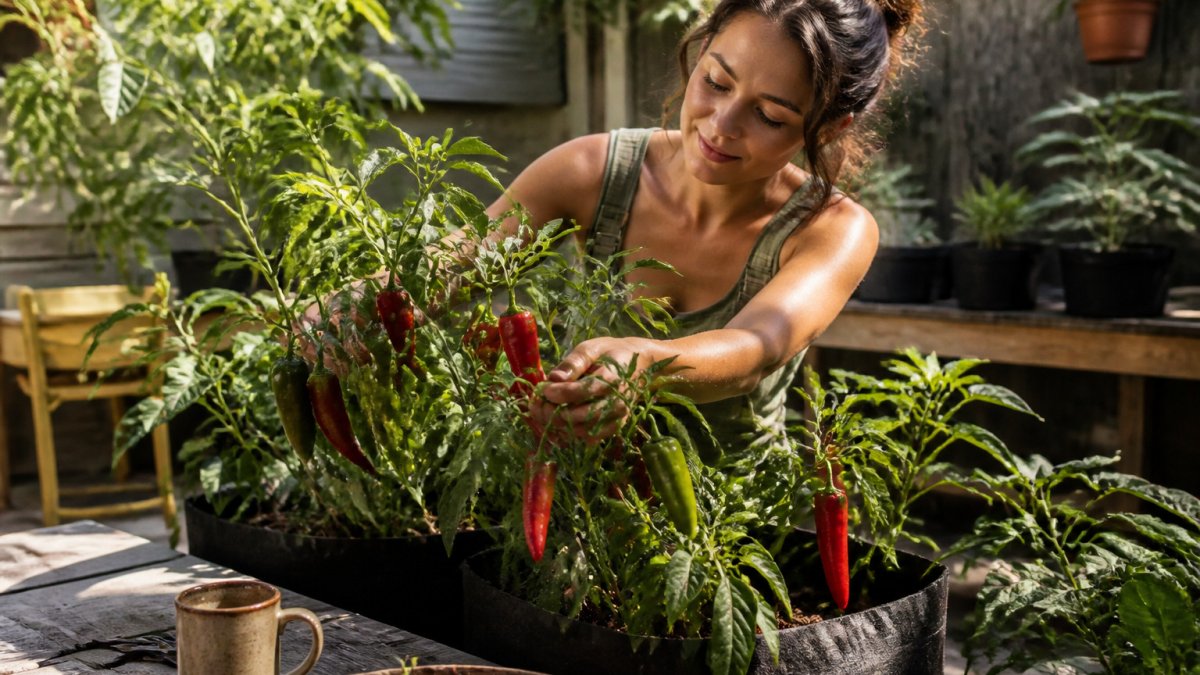
Calabrian is a classic Southern Italian hot pepper with bold heat and a smoky sweetness. The slender red pods are perfect for drying, crushing, and making chili paste. Plants are productive and do well in containers or beds. You'll find Calabrian pepper seeds in our catalog.
Early Jalapeno is a classic jalapeño flavor with moderate heat. It's excellent for salsa, poppers, and pickling. Our Early Jalapeno seeds are available in our catalog.
Datil and Tabasco Types
Datil is a legendary heirloom from St. Augustine, Florida, and it's about as Southern as a pepper gets. You can grow it from Datil pepper seeds right away. Those lantern-shaped golden pods carry a citrusy sweetness with serious heat. Plants are vigorous and productive. You can grow it from our Datil pepper seeds.

Tabasco peppers are small, vibrant, and fiery, with a tangy flavor that makes them favorites for homemade sauce. You can find Tabasco pepper seeds in our catalog. If you want something more compact, our Dwarf Tabasco seeds are available in our catalog.

Growing Peppers in Containers Through a Hot Summer
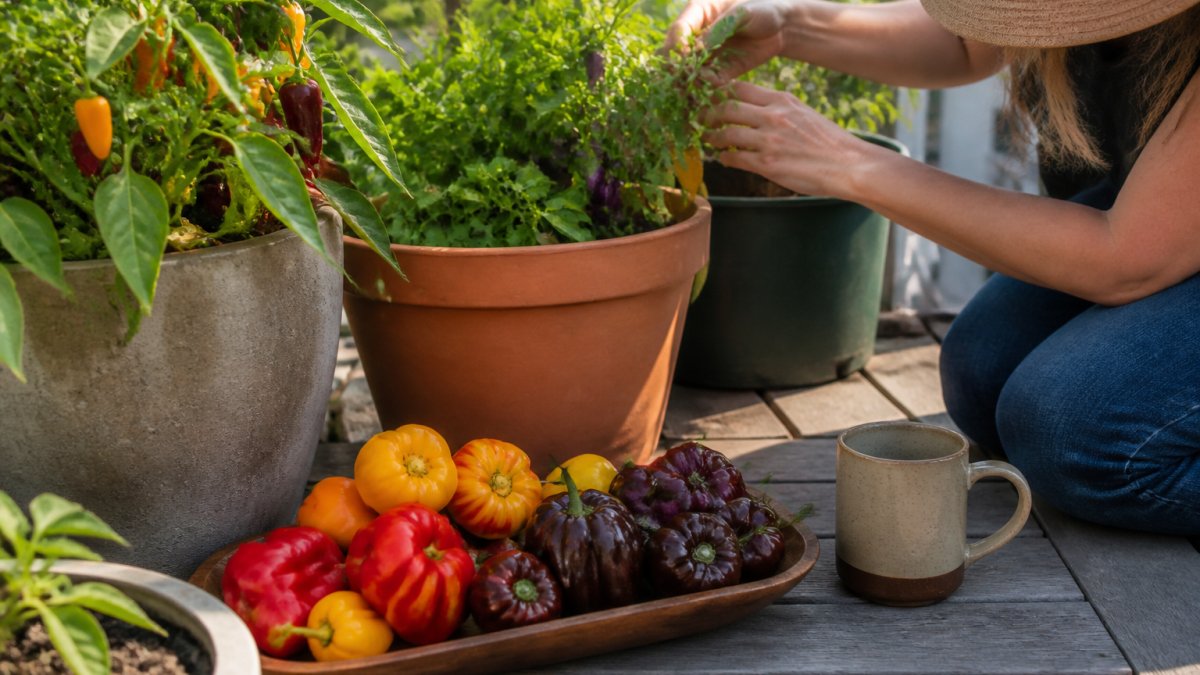
Containers can be a useful option for Southern pepper growers, since pots can be moved out of the worst afternoon sun and the soil mix can be controlled. But pots also heat up fast, and a five-gallon container in July can hit root-zone temperatures that stall fruit set. Here's how to make containers work through the hottest weeks. Keeping roots cooler can protect fruit set, while comparing pepper heat levels helps you choose a variety that suits both the summer conditions and your taste.
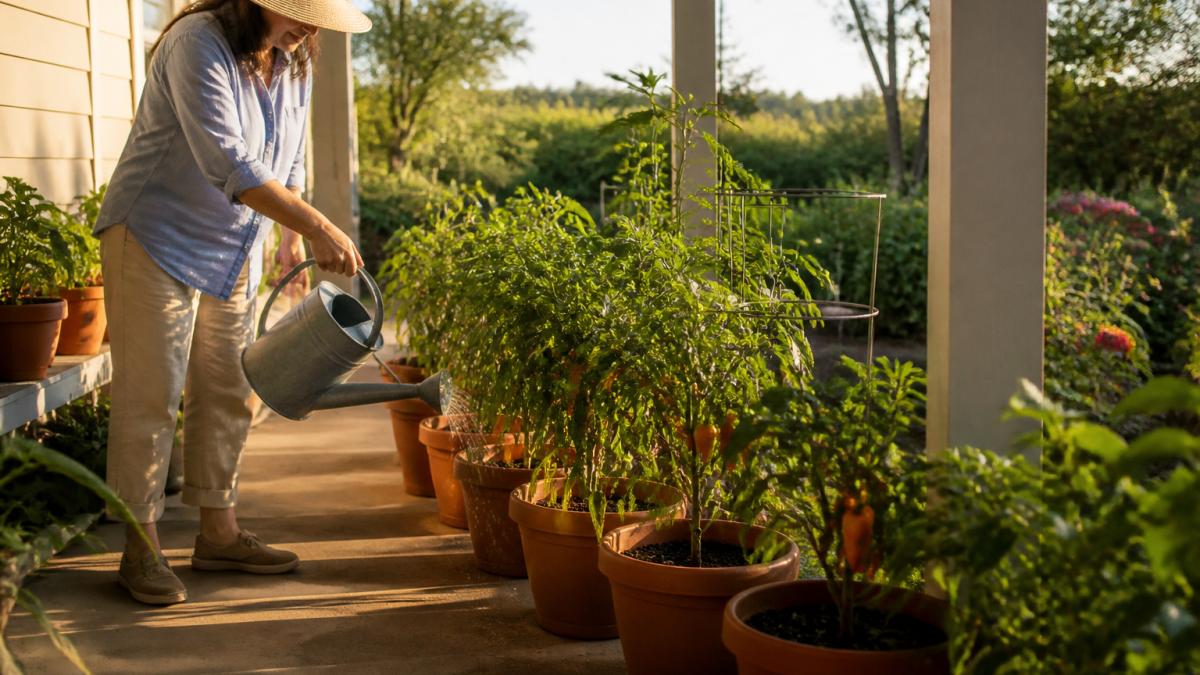
Pick the right pot size. A minimum of 5 gallons per plant is a good baseline for most peppers. Compact types like Dwarf Tabasco or Biquinho Red can be grown in smaller pots. Drainage holes are non-negotiable, peppers hate wet feet, and a pot that holds water in a humid climate invites root rot.
Use a mix that holds moisture without staying soggy. A quality potting mix with compost and a little perlite works well. Avoid heavy garden soil in pots; it compacts and dries into a brick. Mulch the top inch or two with straw or shredded leaves to slow evaporation and keep the root zone cooler.
Manage the heat. In the Southeast, a pot that gets full afternoon sun can cook. Set containers where they get morning sun and some afternoon shade, or use a shade cloth during the hottest weeks. Light-colored pots stay cooler than dark ones. If you're on a patio, group pots so they shade each other slightly, just leave room for airflow.
Water like you mean it. Containers dry out much faster than beds. In peak summer you may need to water daily, sometimes twice on windy, hot days. Water deeply until it runs out the drainage holes, and check the soil an inch down before watering again. Mississippi State University Extension recommends consistent watering and proper fertilization for container vegetables, and those basics matter even more when summer temperatures soar (Subirrigated Containers for the Mississippi Gardener).
Feed lightly but regularly. Container plants depend on you for nutrients. A balanced, water-soluble fertilizer every couple of weeks, or a slow-release blend at planting, keeps them productive without pushing too much leafy growth. Too much nitrogen in a pot is a common cause of blossom drop.
Choose compact, heat-smart varieties. Dwarf Tabasco stays small and keeps setting fruit. Biquinho Red is a Brazilian heirloom with sweet, fruity flavor and gentle heat. Lunchbox and Sweet Banana are also options to consider for containers.
Watch out: black plastic pots in full sun can get hot enough to damage roots. If that's what you have, wrap the pot in a light-colored cloth or move it to afternoon shade during heat waves.
A container garden can also give you more flexibility. You can move pots as the weather changes.
Preventing Pepper Blossom Drop in Hot Weather
Blossom drop is the most common frustration I hear about. Flowers fall off before they become fruit, and it usually happens when temperatures stay very high or nights stay very warm. A few habits help:
- Water deeply and consistently. Stressed plants drop flowers faster.
- Mulch around the base. It keeps roots cool and soil moist.
- Offer afternoon shade during the hottest weeks if your plants are exposed.
- Don't overfeed with nitrogen. Too much leafy growth can mean fewer flowers.
- Be patient. Many peppers resume setting fruit once the weather cools slightly.
A common mistake is panicking and changing everything at once. Pick one or two adjustments, give them a week or two, and watch the results.
Planting Your Southern Pepper Patch This Season
Peppers generally need a long season, so starting seeds indoors ahead of transplanting is a common approach.
You might mix varieties for a balanced harvest: one or two sweet or mild types, a couple of hot peppers, and a Southern favorite like Datil. For more guidance on heat and humidity seeds for southern gardens, see our broader guide: Best Seeds for Heat and Humidity: A Gardener's Guide.
Ready to start your own patch? Browse our full pepper selection, pick a few varieties that match your space and taste, and enjoy the harvest. Happy growing, friend.
Frequently Asked Questions
Can pepper plants tolerate 90-degree weather?
Yes, most pepper plants keep growing in 90-degree weather as long as they get consistent water and some afternoon shade in the hottest parts of the Southern summer. Heat-tolerant varieties hold onto their blooms better than standard types. Mulch around the base to keep roots cool, and water deeply in the morning so the soil is not soggy by evening.
Why are my pepper plants dropping blossoms in hot weather?
Blossom drop usually happens when daytime temperatures stay above the mid-90s or nights stay warm, because pollen becomes sterile and flowers fall off without setting fruit. Keep plants watered evenly, mulch the soil, and choose heat-tolerant varieties. Extension guidance from Mississippi State University Extension recommends these steps for Southern gardens.
Can you grow peppers successfully in containers during a Southern summer?
Yes. Containers warm up faster than garden beds, so choose a pot at least 5 gallons, use a light potting mix, and check moisture daily during heat waves. Compact varieties like Tabasco Dwarf are options to consider for pots. Move pots to filtered shade during the hottest afternoon hours to protect flowers and fruit.
What are the top hottest peppers for a Southern garden?
Datil and McDonald's Thai peppers are among the hottest options in our collection, with heat levels from about 50,000 to 300,000 SHU. Calabrian peppers, at 25,000 to 40,000 SHU, offer a bolder heat that is easier to manage in cooking.