 listicle
Which Gardening Tools Do Container Vegetables Really Need?
Quick Summary
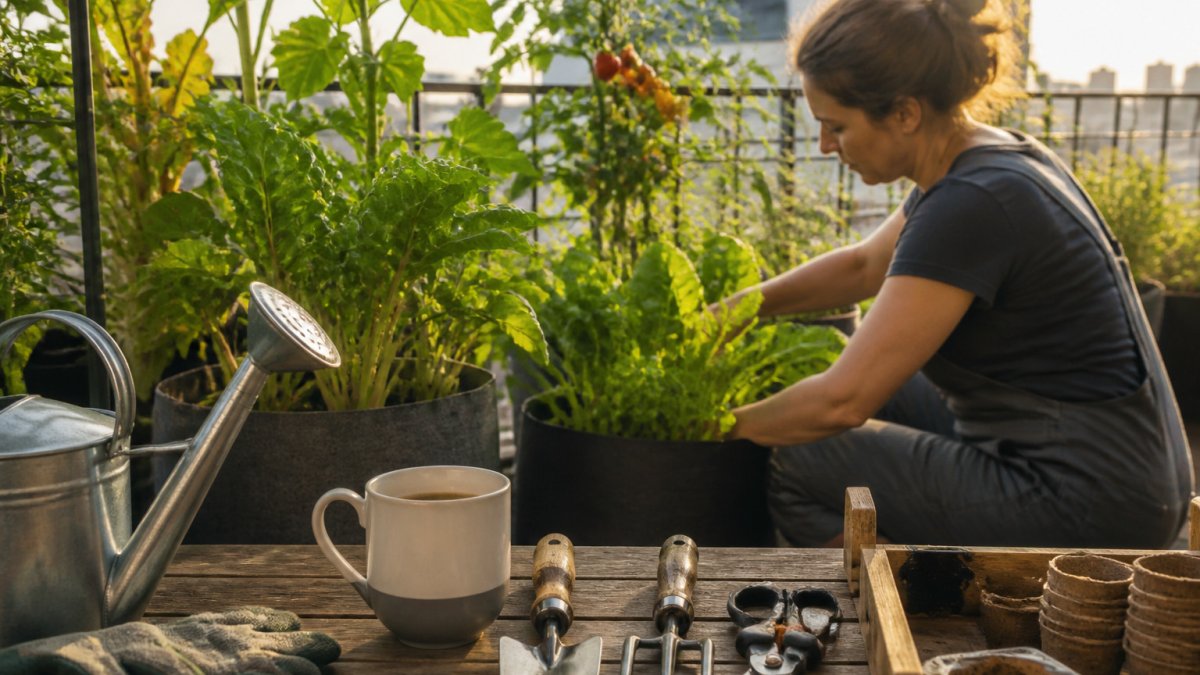
The essential container vegetable tools are a hand trowel for planting, a watering can with a fine rose for gentle watering, and pruning shears for harvesting and pruning. Container plants dry out quickly, so a soil moisture meter and gloves are useful next additions. Full-size spades, power tools and wheelbarrows are not needed for pots.
- Start with a hand trowel, a watering can with a fine rose, and pruning shears.
- A fine rose gives a gentle spray that waters the root zone without washing soil out of the pot.
- Basic soil moisture meters cost around $10 to $20 and need no batteries.
- Wipe pruning shear blades with rubbing alcohol between plants to limit the spread of disease.
- Skip full-size spades, power tools and large wheelbarrows unless your garden grows into them.
Table of Contents
- Why Container Vegetables Need a Smaller, Smarter Toolkit
- 1. A Hand Trowel for Planting and Transplanting
- 2. A Watering Can with a Fine Rose
- 3. Pruning Shears for Harvesting and Pruning Vegetables
- 4. A Soil Moisture Meter to Read the Root Zone
- 5. A Small Hand Cultivator and Mini Rake for Soil Care
- 6. Gloves, Drainage Tools and What You Can Skip on a Budget
- Start Your Container Toolkit With Seeds You Can Trust
- Frequently Asked Questions
Which Gardening Tools Do Container Vegetables Really Need?
Last Updated: October 31, 2026
Growing vegetables in containers is a lot like having coffee across the back fence from a neighbor who knows her stuff, and the right container vegetable tools make every visit more pleasant. For an overview of a focused set of gear for urban and container vegetable growing, start there.
Mississippi State University Extension emphasizes careful attention to watering and drainage for container vegetables (Subirrigated Containers for the Mississippi Gardener). Those needs shape which container vegetable tools matter most.
Why Container Vegetables Need a Smaller, Smarter Toolkit
A container garden has tight limits. The soil volume is small, the roots have nowhere to wander, and moisture can swing from soggy to bone-dry in a single hot afternoon. That means your tools should be compact, precise, and easy to store on a balcony or porch.
Skip the full-size spade and the wheelbarrow. You rarely need them when you are working with a few pots. Focus instead on tools that handle planting, watering, pruning, and checking soil. Each one below connects directly to a container-specific task.
1. A Hand Trowel for Planting and Transplanting
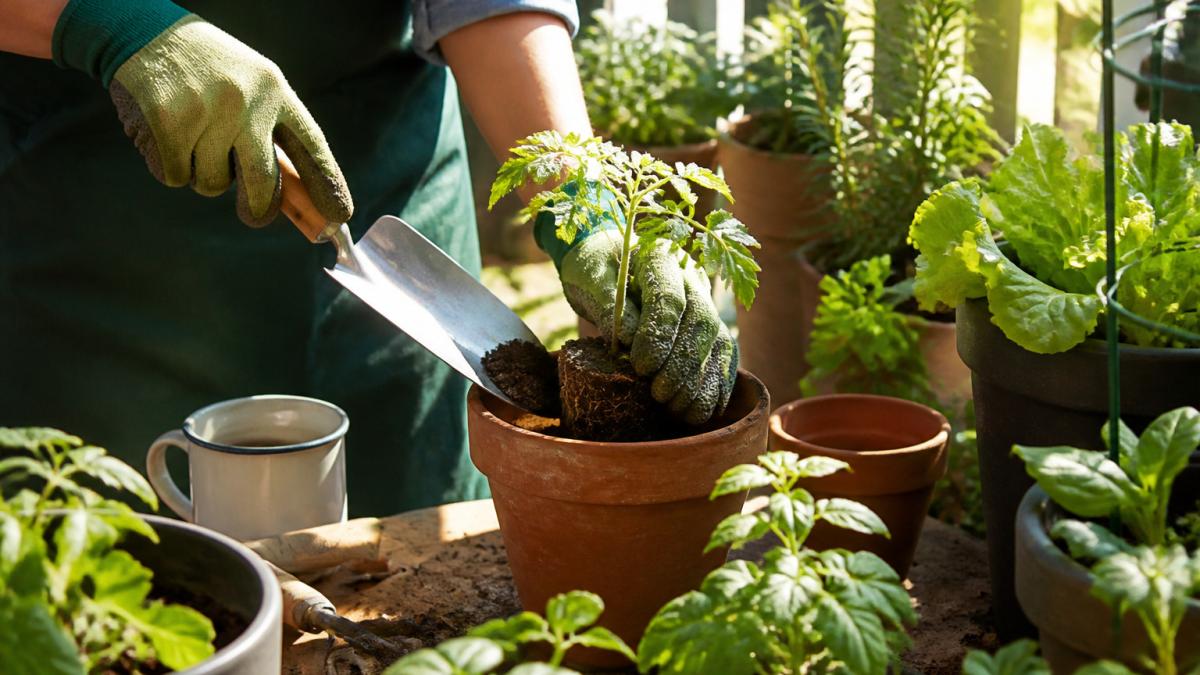
A sturdy hand trowel is the workhorse of container gardening. You will use it to scoop potting mix, set seedlings, and loosen roots before transplanting. A narrow blade fits into tight pots without spilling soil everywhere.
For a deeper look at getting seedlings started before they reach the pot, see our guide on how to start pepper seeds indoors.
Quick tip: Keep a second, smaller trowel for pulling weeds from the edges of pots. It keeps your main tool clean and avoids mixing soil-borne disease.
2. A Watering Can with a Fine Rose
Container plants dry out fast, and a heavy stream of water can wash soil right out of the pot. A watering can with a removable fine rose gives you a gentle spray that soaks the root zone without disturbing the surface.
Look for a can holding one to two gallons so you can water several pots in one trip. Plastic cans are lightweight and tend to be affordable. The one drawback: a large can gets heavy once it's full, so a smaller can is easier on your wrists when you have many containers.
Mississippi State University Extension emphasizes careful attention to watering and drainage for container vegetables, and that is where a few extra tools help. Here is what to add beyond the basic can:
- A soil moisture meter. Push the probe into the root zone and the dial shows whether the soil is dry, moist, or wet. Basic models cost around $10 to $20 and need no batteries. Probe-style meters work well for pots, though they can give inconsistent readings in very small containers. A simple alternative is to push a finger two inches into the mix. If it feels dry, water. If it feels damp, wait.
- Saucers and drainage checks. Set pots on saucers to catch runoff and protect your porch or windowsill, but empty them after watering so roots do not sit in water. Check that every container has drainage holes, and cover the holes with a small piece of mesh or a broken pot shard to keep soil from washing out.
- A small watering can for seedlings. A one-quart can with a fine rose is easier to control than a full-size can when you are watering tiny seedlings in cell packs or small pots.
A common pattern is to overwater in cool weather and underwater in hot weather. A moisture meter plus a can with a fine rose helps you avoid both.
3. Pruning Shears for Harvesting and Pruning Vegetables
Pruning shears keep tomato, pepper, and bean plants productive. Snipping off suckers, removing damaged leaves, and harvesting fruit cleanly all reduce stress on the plant. Clean cuts also heal faster, which matters when you are growing in limited space (Understanding Pruning and Injury Wounds in Fruit Trees).
Bypass pruners, which work like scissors, are the better choice for live stems. Anvil pruners crush stems and suit dead wood better. Wipe the blades with rubbing alcohol between plants to limit the spread of disease.
4. A Soil Moisture Meter to Read the Root Zone
Overwatering and underwatering are the two most common mistakes in container gardening. A soil moisture meter takes the guesswork out of it. Push the probe into the root zone, and the dial shows whether the soil is dry, moist, or wet.
Basic models cost around $10 to $20 and need no batteries. Probe-style meters work well for pots, though they can give inconsistent readings in very small containers. A simple alternative is to push a finger two inches into the mix. If it feels dry, water. If it feels damp, wait.
5. A Small Hand Cultivator and Mini Rake for Soil Care
A hand cultivator loosens compacted potting mix and breaks up crusts that form on the surface. A mini rake smooths the soil after planting and helps mix in compost or slow-release fertilizer. Both tools are small enough to fit in a standard pot without knocking over plants.
Choose a cultivator with three or four tines and a comfortable handle. Gently working the top inch of soil every few weeks keeps water and air moving to the roots.
6. Gloves, Drainage Tools and What You Can Skip on a Budget
Gloves protect your hands from thorns on pepper stems and from the bite of potting mix. A pair of breathable garden gloves is worth having. Drainage is another area where a little attention pays off. Make sure every container has drainage holes, and use a small piece of mesh or a broken pot shard over the holes to keep soil from washing out.
Here is what you can often skip when you are starting out:
- Full-size spades and shovels: Not needed for pots.
- Specialty weeding forks: A hand trowel handles most jobs.
- Power tools: Unnecessary for small-scale container work.
- Large wheelbarrows: Overkill for a balcony garden.
Spend your money on the trowel, shears, and moisture meter first. Add the rest as your garden grows.
Match Tools to Container Size and Task
A common mistake is buying one set of tools and treating every pot the same. Container size changes which tool works best:
- Small pots (under two gallons): A narrow trowel and a one-quart watering can with a fine rose are easier to control than full-size tools. A small cultivator with three tines fits without knocking over plants.
- Five-gallon buckets and deep planters: A longer-handled trowel reaches the bottom without straining your wrist. A moisture meter with a longer probe reads the root zone more accurately than a short probe.
- Raised containers and window boxes: A mini rake and a hand cultivator are easier to use in tight spaces than a full-size hoe or rake.
Budget Tiers: What to Buy First
You do not need to buy everything at once. A practical way to build your toolkit is in tiers:
- First tier (start here): A hand trowel, pruning shears, and a watering can with a fine rose. These three cover planting, pruning, and watering for most container crops.
- Second tier (add as you grow): A soil moisture meter, gloves, and a small hand cultivator. These improve accuracy and comfort once you are watering and tending regularly.
- Third tier (optional): A mini rake, a second small trowel for weeding, and saucers for drainage. Useful, but you can wait until you know your setup.
A common pattern is to spend on the tools you use every day and skip the ones you use once a season. For container vegetables, the everyday tools are the trowel, shears, and watering can.
Small-Space and Accessibility Considerations
If you are growing on a balcony or have limited grip strength, look for lightweight tools with larger handles. A trowel with a cushioned grip and a watering can that holds one gallon rather than two are easier on your wrists. A moisture meter can also help if bending to check soil by hand is difficult. Choosing tools that fit your space and your hands makes the work easier to keep up with.
Cleaning, Maintenance, and Disease Prevention
Clean tools last longer and reduce the spread of plant disease. Wipe pruning shear blades with rubbing alcohol between plants. Scrub soil off trowels and cultivators after use and dry them before storing. Sharpen shears when cuts start to tear rather than slice. Store tools dry and off the ground so they do not rust. These habits matter in containers because you are working in a small volume of soil, and a disease introduced to one pot can spread quickly to the next.
Here is a quick summary of the tools to buy first, the ones to add later, and the ones you can skip when you are starting out.
| Tool | Tier or status | Note |
|---|---|---|
| Hand trowel | First tier | Planting and transplanting |
| Watering can with fine rose | First tier | Gentle watering without washing soil out |
| Pruning shears | First tier | Harvesting and pruning vegetables |
| Soil moisture meter | Second tier | Basic models cost about $10 to $20 |
| Gloves and small hand cultivator | Second tier | Hand protection and loosening soil |
| Full-size spades and shovels | Skip | Not needed for pots |
| Power tools | Skip | Unnecessary for small-scale container work |
| Large wheelbarrows | Skip | Overkill for a balcony garden |
Start Your Container Toolkit With Seeds You Can Trust
Good tools make container gardening easier, but the seeds you plant matter just as much. Our Micro Tomato varieties, including Tiny Tim and Red Robin, are bred for compact growth and suit pots, windowsills, and patio containers. Each packet holds 20 to 25 seeds. For peppers, our Dwarf Tabasco Pepper Seed grows to roughly two feet by two feet, which suits a container well. Once you have your tools and seeds, browse the rest of our collection and find your next container crop.


Frequently Asked Questions
What tools do you need to grow vegetables in containers?
Most container vegetable growers need four basics: a hand trowel for planting, a watering can with a fine rose, pruning shears for harvesting, and a soil moisture meter to check the root zone. Gloves are useful too. Matching tool size to your pot size helps, since a trowel and can sized for large beds are often awkward in a 5-gallon container. Start with these and add specialty items only when a specific task calls for them.
What size watering can is best for container gardening?
A watering can of about 1 to 2 gallons works well for most container vegetables. Smaller cans are easier to control around young seedlings, while the fine rose spreads water gently so soil does not wash away. Look for a can with a removable rose so you can pour directly at the soil line when watering tomatoes or peppers, which helps keep foliage dry and reduces disease risk.
Do I need a soil moisture meter for container vegetables?
A soil moisture meter is one of the most useful tools for container growers because pots dry out faster than in-ground beds. Push the probe into the root zone, not just the surface, and water when the reading shows the soil is dry at that depth. This prevents both underwatering and the overwatering that causes root rot in poorly draining containers. Meters are inexpensive, and a basic model is enough for most home gardens.
Heritage Cottage Seeds offers rare and unusual vegetable seeds for home gardeners. Browse the collection and start your container garden today.