 ultimate-guide
Benefits of Growing Open-Pollinated Seeds
Table of Contents
- What Are Open-Pollinated Seeds?
- Heirloom vs. Hybrid Seeds Explained
- Why Seed Saving Matters: How to Save Vegetable Seeds
- The Real Benefits of Growing Open-Pollinated Seeds
- Growing Vegetables in Containers with Open-Pollinated Varieties
- Preventing Cross-Pollination in Your Garden
- Getting Started with Open-Pollinated Seeds
- Frequently Asked Questions
Last Updated: September 21, 2026
What Are Open-Pollinated Seeds?
Open-pollinated seeds reproduce through natural pollination by insects, wind, or other environmental factors. When you save seeds from an open-pollinated plant and grow them the next season, you get plants that are genetically identical (or nearly identical) to their parent, what gardeners call "true-to-type" seeds.
The appeal is simplicity and stability. You grow the plant, let it flower and set seed naturally, collect those seeds, and replant them. Unlike hybrid seeds, which produce unpredictable offspring in the second generation, open-pollinated seeds breed true, meaning the genetics stay stable across generations.
This stability is why open-pollinated varieties have been passed down through families and communities for generations. A tomato variety your grandmother grew can produce seeds that grow into the same tomato year after year.
Heirloom vs. Hybrid Seeds Explained
Heirloom varieties are plants grown and saved for many years, typically at least 50 years, and passed down through families or communities. Most heirlooms are open-pollinated, which is why they've survived so long, hybrids lose their distinctive characteristics in the second generation.
Hybrid seeds result from intentional cross-breeding between two different parent plants. The first generation (F1 hybrids) produces vigorous, uniform plants. But if you save seeds from an F1 hybrid and plant them next year, the F2 generation won't look or perform like their parents, they'll be unpredictable. This is why seed companies sell new hybrid seeds every year.
Open-pollinated seeds breed true, so you can save seeds year after year and get consistent results. For seed saving and genetic preservation, open-pollinated is the only option that makes sense.
Why Seed Saving Matters: How to Save Vegetable Seeds
Seed saving is about food security, genetic diversity, and adapting plants to your specific growing conditions, plus it saves money over time.
When you save seeds from your best-performing plants, you're selecting for traits that matter in your garden: heat tolerance, disease resistance, or flavor. Over several generations, your open-pollinated varieties become increasingly adapted to your specific environment, regional adaptation in action.
Seed saving also protects against supply chain disruptions. If you grow your own seeds, you're not dependent on seed companies or shipping delays. For gardeners serious about food security, seed saving creates resilience.
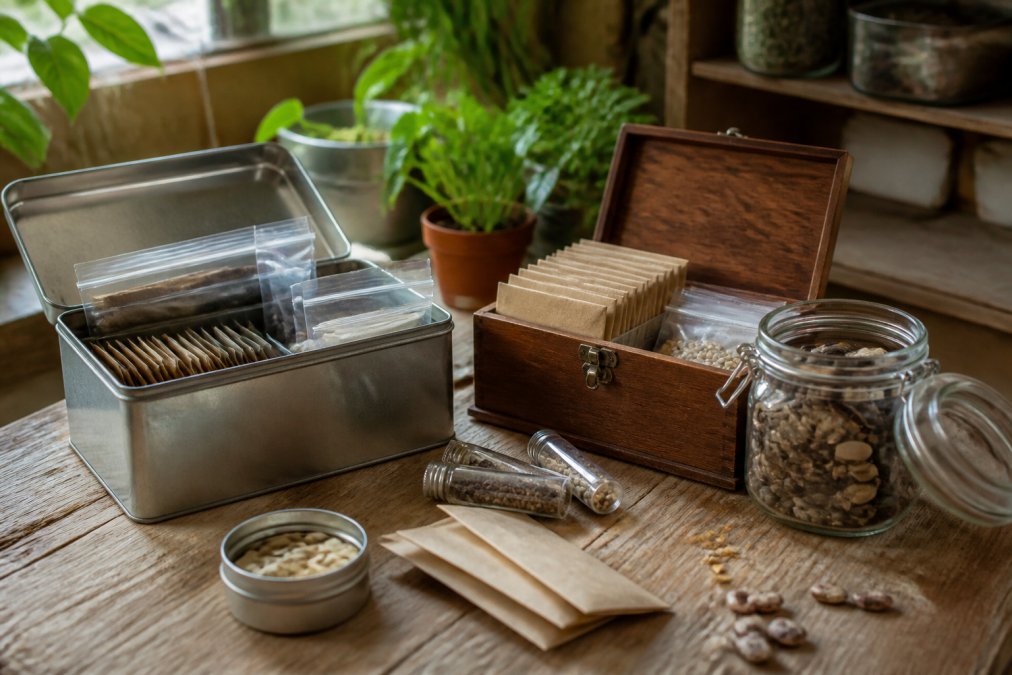
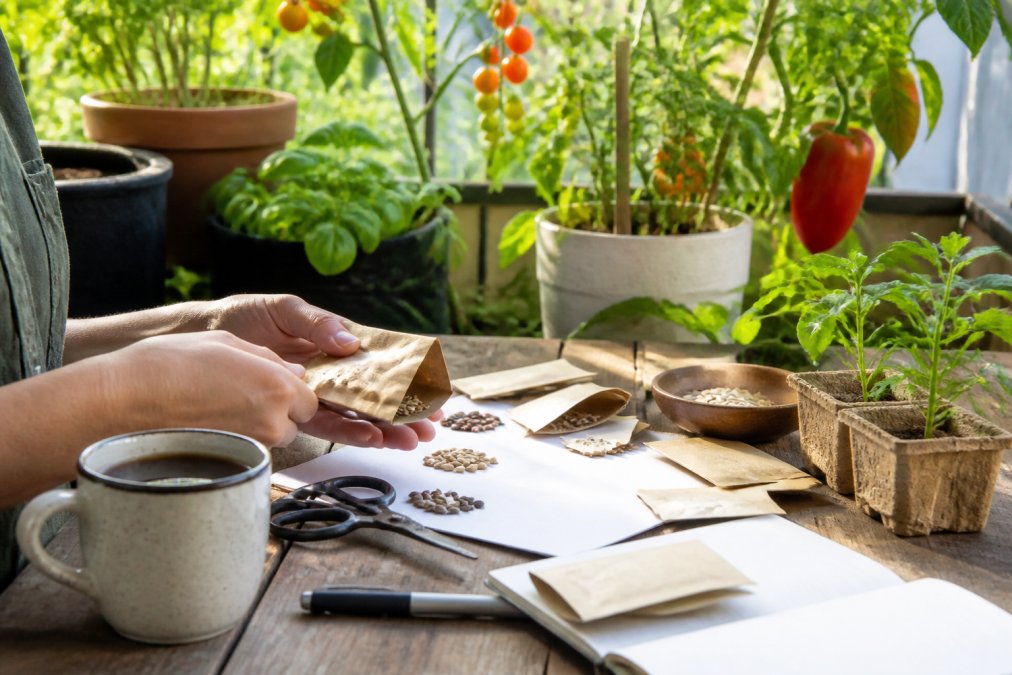
The process itself is straightforward for most vegetables. Let plants flower and set seed naturally. Once seed pods dry on the plant, collect them, dry them further indoors, and store them in a cool, dark place. According to Mississippi State University Extension guidelines on seed storage, properly dried and stored seeds remain viable for multiple years depending on the crop. Some seeds last 2-3 years; others last much longer.
The key is preventing cross-pollination between different varieties of the same species. If you grow two different tomato varieties and let them cross-pollinate, the seeds you save won't breed true. This is why many gardeners focus on self-pollinating crops like tomatoes and beans when starting out.
The Real Benefits of Growing Open-Pollinated Seeds
Genetic Diversity and Preservation
Open-pollinated varieties represent thousands of years of accumulated genetic material, disease resistance, drought tolerance, flavor compounds, yield characteristics. When gardeners grow and save open-pollinated seeds, they're actively preserving that genetic diversity.
Genetic drift happens in home gardens just like in nature. If you grow a variety for several generations and select seeds only from your best plants, you're shaping its genetics. Growing multiple plants and saving seeds from diverse individuals helps maintain genetic stability.
Commercial agriculture relies on a tiny fraction of available crop genetics. Open-pollinated varieties kept alive by home gardeners represent a backup plan for agriculture itself, that's why seed libraries and heirloom preservation networks exist.
Cost-Effectiveness for Home Gardeners
Seed packets cost money, and those costs add up quickly. Seed packets cost money, and those costs add up quickly.
When you save seeds from open-pollinated varieties, one packet of open-pollinated tomato seeds stays viable for multiple years if stored properly. That single packet replaces multiple future purchases. Growing open-pollinated varieties and saving seeds from each eliminates significant annual seed costs by year two.
When you save seeds from plants that thrived in your garden, you're selecting for varieties that actually perform in your conditions. That reliability means fewer failed plants and better harvests.
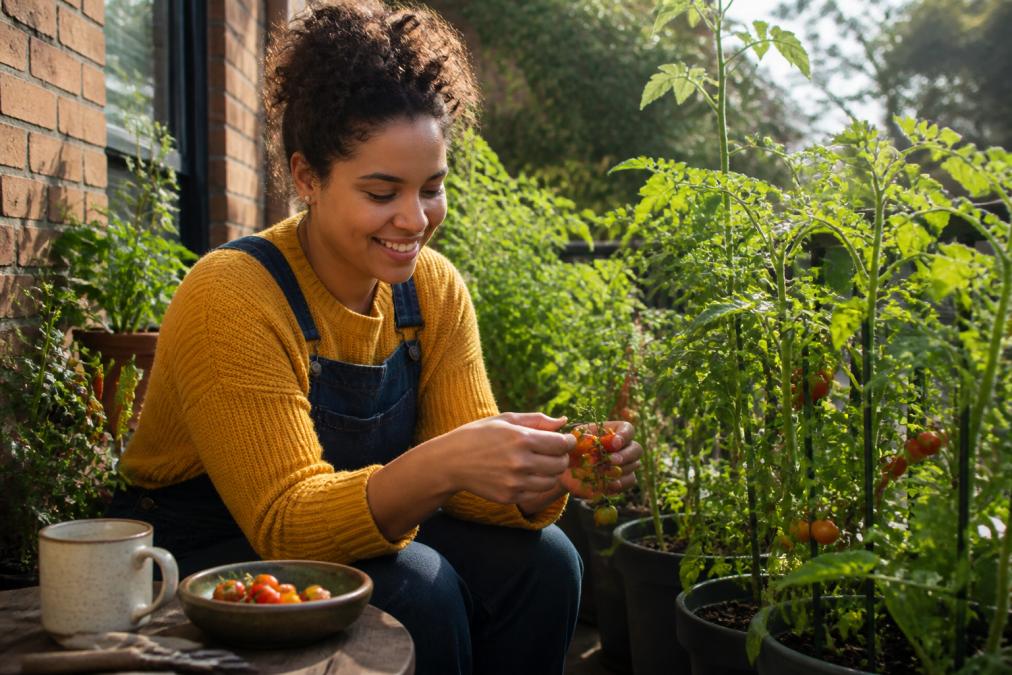
For gardeners growing vegetables in containers, the economics are especially favorable. Saving seeds from a single container tomato plant can yield 100+ seeds, eliminating the need to buy tomato seeds for years.
Tomato - Heritage Cottage Orange →
Regional Adaptation and Hardiness
A tomato variety that thrives in California might struggle in the Southeast. Open-pollinated varieties grown in your region for multiple generations become increasingly adapted to your climate, soil, humidity, and pest pressures.
The Siberian Red Heirloom tomato is a cold-tolerant, early-maturing heirloom prized for dependable yields and rich, classic tomato flavor. Varieties grown in the Southeast for generations have built-in resistance to the humidity, heat, and diseases common here.

When you save seeds from open-pollinated varieties adapted to your region, you're enhancing that adaptation. Over time, your saved seeds become even more suited to your garden. A variety selected for Southeast growing conditions for generations has traits, heat tolerance, disease resistance, humidity adaptation, that no breeding program can replicate in a single generation.
Growing Vegetables in Containers with Open-Pollinated Varieties
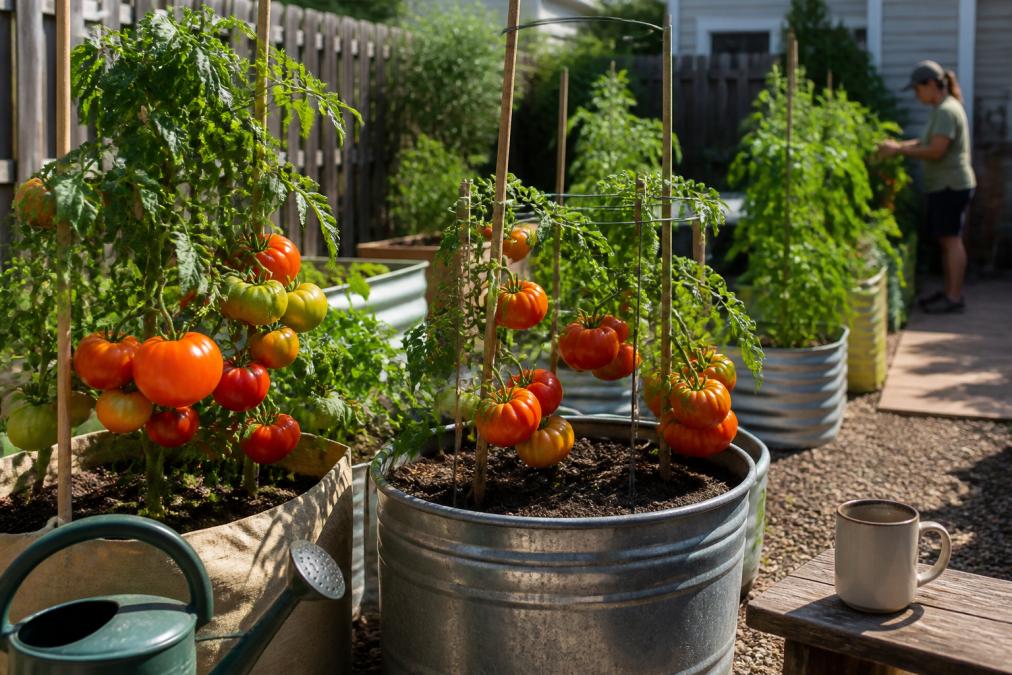
Many open-pollinated varieties are compact enough for containers. The Heritage Cottage Orange tomato grows in a tidy, determinate habit, typically reaching 3-4 feet tall, making them ideal for containers, raised beds, and small-space gardens. Fruits are medium-sized slicers, averaging 6-8 ounces, with firm flesh and excellent fresh-eating quality for salads, sandwiches, and sauces. Because it's open-pollinated, you can save seeds from your best plants and grow them again next year.

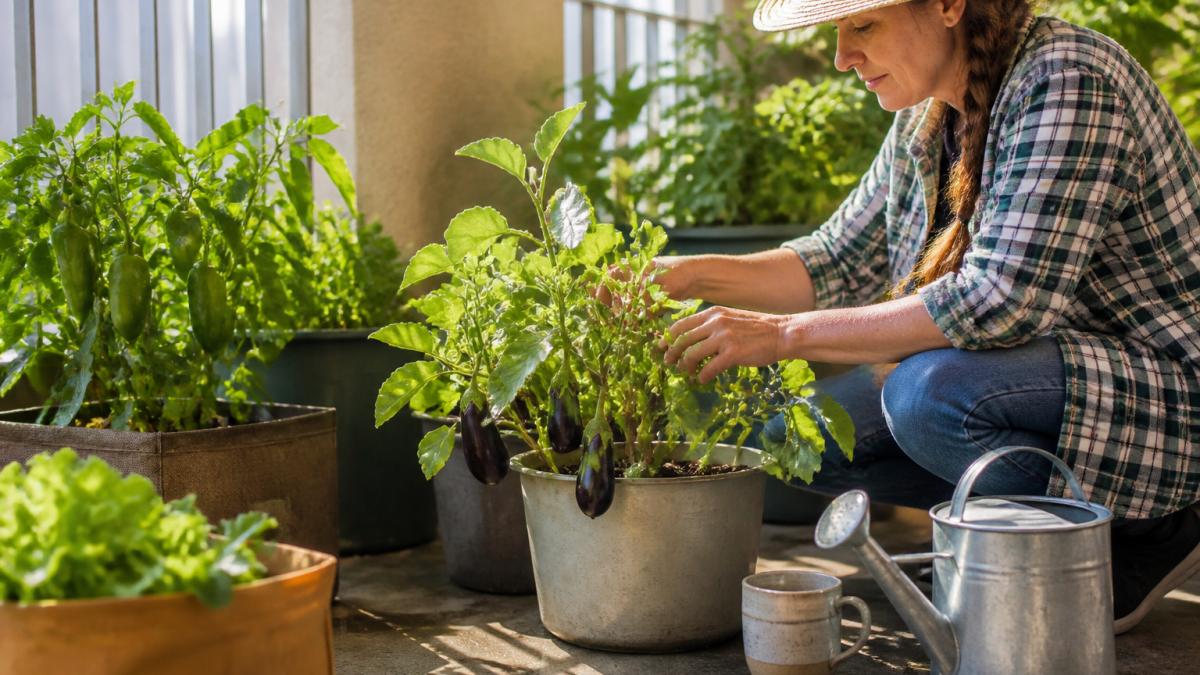
Peppers, beans, lettuce, and many other vegetables grow beautifully in containers with open-pollinated seeds. The advantage is control: you manage the soil, water, and nutrients precisely. Containers also make isolation easier for gardeners concerned about cross-pollination.
Container gardening extends your growing season, you can move containers to catch more sun, move them under cover if frost threatens, or bring them indoors if needed. This flexibility is especially valuable in the Southeast, where spring and fall can be unpredictable.
Preventing Cross-Pollination in Your Garden
Cross-pollination is the biggest challenge for gardeners saving seeds from multiple varieties of the same species. Understanding how and why this happens, and what you can do about it, separates successful seed savers from frustrated ones.
How Cross-Pollination Works
Tomatoes are largely self-pollinating, so cross-pollination between different tomato varieties is uncommon, especially if plants aren't touching. Squash, cucumbers, and melons are insect-pollinated and cross-pollinate readily, a bee visiting different flowers can carry pollen between them without your knowledge.
The distance pollen travels depends on the crop and your local pollinator population. Tomatoes rarely cross-pollinate beyond a few feet. Squash and cucumbers can cross-pollinate at distances of 500 feet or more, depending on bee activity and wind. Corn is wind-pollinated and can cross-pollinate at distances of a quarter-mile or more under the right conditions.
This is where genetic drift becomes real in home gardens. Even if you're careful, a stray pollen grain can alter the genetics of your saved seeds. Over multiple generations of saving seeds without isolation, you might unconsciously select for traits that matter to you, earlier ripening, larger fruit, better flavor, but you might also narrow the genetic base or introduce unwanted traits from neighboring plants. The solution isn't to panic; it's to understand your crops and plan accordingly.
Practical Isolation Strategies
For most home gardeners, the straightforward approach is to focus on self-pollinating crops like tomatoes and beans when starting out.
Spacing and distance: If you have the space, plant different varieties at least 500 feet apart. In practice, most home gardeners don't have that much space. A more realistic approach for smaller gardens is to grow only one variety of a cross-pollinating crop per season, then rotate to a different variety the next year. This eliminates cross-pollination risk entirely.
Testing for Cross-Pollination
If you're unsure whether cross-pollination occurred, you don't have to wait until next season to find out. Plant a small sample of your saved seeds indoors or in a separate area and observe the seedlings. If they're uniform and match the parent plant, you're good. If you see variation, different leaf shapes, colors, or growth patterns, cross-pollination likely occurred. This early warning lets you adjust your isolation strategy for next year without losing a full season of work.
Getting Started with Open-Pollinated Seeds
Start small. Pick one or two open-pollinated varieties that match your growing conditions and experience level. Grow them well, harvest abundantly, and save seeds from your best plants.
Frequently Asked Questions
Can I save seeds from open-pollinated vegetables year after year?
Yes, that's one of the biggest advantages of open-pollinated seeds. When you let plants flower and set seed naturally, you can collect and store those seeds for next season. The offspring will be true-to-type, meaning they'll grow into plants nearly identical to their parents. This works because open-pollinated varieties reproduce reliably through natural pollination. Mississippi State University Extension recommends allowing at least a few plants to fully mature and dry before harvesting seeds for storage.
What's the main difference between open-pollinated and hybrid seeds?
Open-pollinated seeds come from plants that pollinate naturally through wind, insects, or self-pollination, producing offspring identical to the parent plant. Hybrid seeds result from intentional cross-breeding of two different varieties, and their offspring won't reproduce true-to-type in the next generation. Open-pollinated varieties let you save seeds and replant them indefinitely, while hybrid seeds must be purchased new each year. For home gardeners wanting long-term sustainability and seed saving, open-pollinated is the better choice.
Are open-pollinated seeds better for home gardens than hybrids?
It depends on your goals. Open-pollinated seeds excel if you want to save seeds, adapt plants to your local climate over time, and grow unique varieties not available commercially. They often have superior flavor and genetic diversity. Hybrids may offer faster growth or disease resistance in some cases, but you'll need to buy new seeds annually. For most home gardeners seeking flavor, sustainability, and the ability to preserve heirloom genetics, open-pollinated varieties are the better investment.
How do I know if seeds are open-pollinated when I'm buying them?
Check the seed packet label for the term 'open-pollinated' or 'OP.' Many heirloom varieties are automatically open-pollinated, so looking for 'heirloom' is another clue. Avoid packets labeled 'hybrid,' 'F1,' or 'F1 hybrid', those are cross-bred varieties. Heritage Cottage Seeds clearly identifies open-pollinated varieties, making it easy to select seeds suitable for saving. When in doubt, ask the seed company directly whether a variety is open-pollinated before purchasing.