 ultimate-guide
Best Containers for Storing Heirloom Seeds
Table of Contents
- Choosing the Best Containers for Storing Heirloom Seeds
- Seed Storage Temperature and Humidity: Getting the Environment Right
- Using Silica Gel Packets for Seeds and Other Moisture Control
- Frequently Asked Questions
Last Updated: September 17, 2026
Choosing the Best Containers for Storing Heirloom Seeds
Finding the best containers for storing heirloom seeds comes down to an airtight seal, a moisture barrier, and a dark, cool spot.
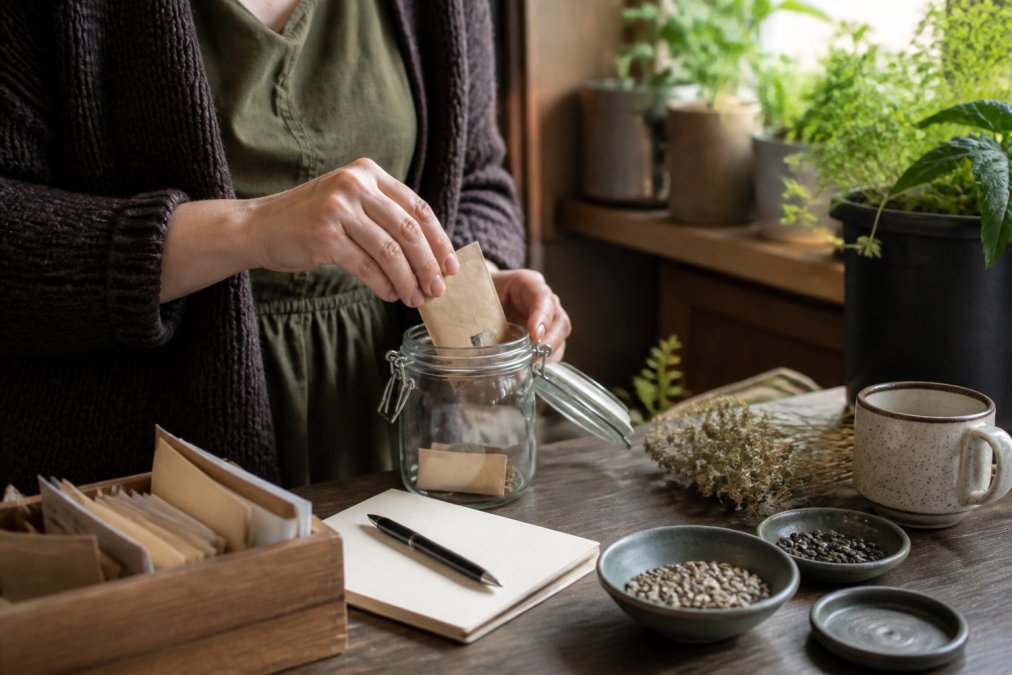
Glass Jars
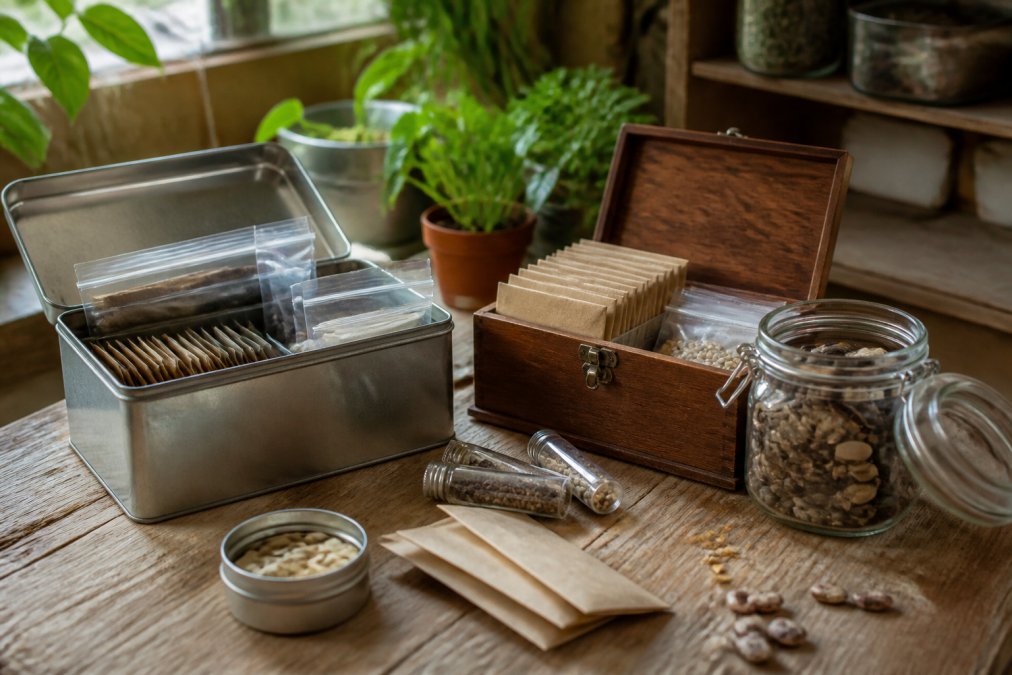
Glass is the gold standard: mason jars with rubber-gasket lids seal tightly and block light if amber or kept dark. Check the gasket still feels pliable, a hardened one lets humidity in.
Metal Tins
Metal tins with tight lids block light and stack neatly, but rust in humid climates, tuck them inside a sealed bag or larger glass jar.
Plastic Containers
Choose food-grade HDPE (code 2) or PP (code 5), and skip thin deli containers. Plastic is more moisture-permeable, so use glass or metal for more than a couple of seasons.
Vacuum-Sealed Bags
Freezer-safe vacuum bags are the go-to for long-term storage: add a desiccant packet before sealing, and reseal leftovers in a smaller jar once opened.
What About the Original Paper Packets?
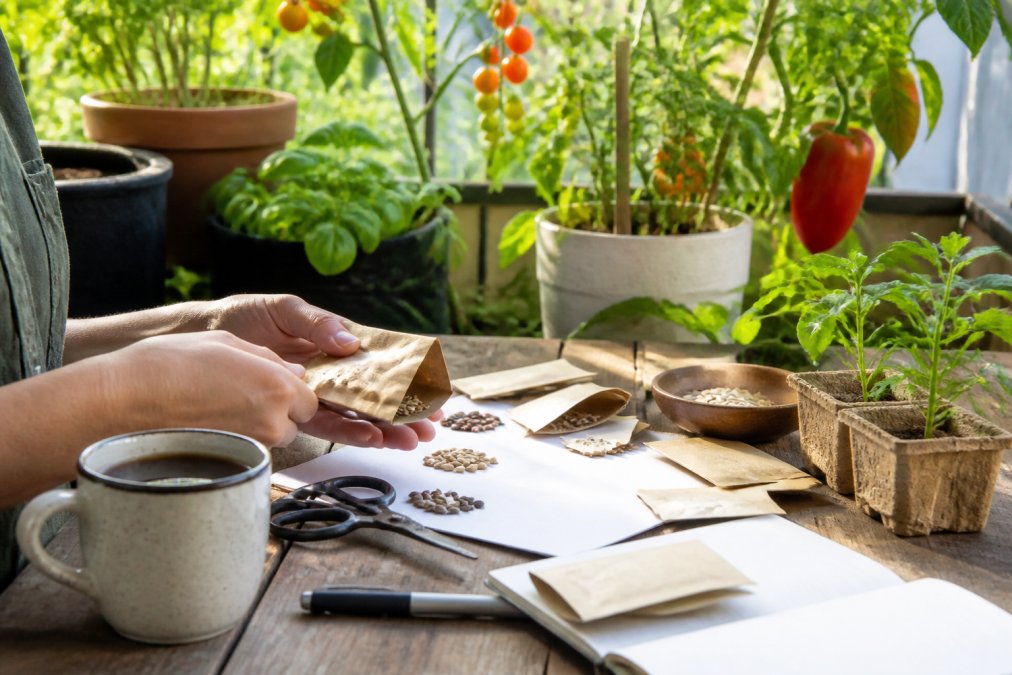
Paper packets aren't airtight, slide the whole packet into a glass jar or vacuum bag to keep the variety name and notes. Never store loose packets on an open shelf.
A Note on Pests and Rodents
Mice and pantry moths chew through paper and thin plastic, so glass jars with metal lids, sturdy tins, and heavy-duty vacuum bags hold up best, and if rodents plague the garage or shed, keep seeds inside the house.
Matching the Container to the Job
For seed you'll plant this season or next, a clean glass jar with a good gasket and a desiccant packet is plenty. For rare varieties, a vacuum-sealed freezer bag with a desiccant packet in the refrigerator gives the best odds. And if you're growing vegetables in containers on a porch or patio, remember storage and growing containers have different jobs, don't repurpose a cracked storage jar as a planter without drilling drainage holes.
Seed Storage Temperature and Humidity: Getting the Environment Right
Seeds stay viable longest in a cool, dark spot with steady conditions, ideally below 50°F and around 30 to 40 percent relative humidity. Fluctuations do more damage than a steady warm room. The Mississippi State University Extension seed saving guidance notes that heat and moisture together shorten seed life fast.
Southern gardeners face real humidity, so a closet shelf beats a garage every time, a sealed jar in a dark cabinet short-term, or the refrigerator's back for long-term.
Using Silica Gel Packets for Seeds and Other Moisture Control
Silica gel packets pull moisture from the air inside your container, the easiest upgrade you can make. Drop one food-grade desiccant packet into each jar and swap it when spent; dry rice works in a pinch but silica gel is more reliable.
How Desiccants Actually Work
Silica gel is porous silicon dioxide that traps water vapor in millions of tiny pores, so a small packet pulls a surprising amount of moisture from a sealed jar. Use food-grade silica gel and avoid color-changing types with cobalt chloride, which isn't food-safe.
How Much to Use
A good rule of thumb is one to two grams of silica gel per quart of container volume, a 2-gram packet for a pint, a 5-gram packet for a quart. In larger containers, use several packets rather than one big one.
Knowing When to Swap or Recharge
Silica gel doesn't last forever, in a humid climate a packet may be spent within months. Color-changing types show blue or orange when active, pink or clear when spent; for plain silica gel, weigh a new packet and reweigh after a few months.
Other Moisture Control Options
Dry rice is less effective than silica gel and can attract pantry pests; powdered milk can leave a smell. For most home gardeners, food-grade silica gel is the best balance of cost, safety, and effectiveness.
Vacuum Sealing
Vacuum sealing takes moisture control further for long-term storage: use freezer-rated bags with a desiccant packet inside, leave a little headspace so the seal doesn't crimp the seeds, and store dark and cool. Once opened, reseal leftovers in a smaller jar with a fresh desiccant packet.
Testing Whether Your Seeds Are Still Viable
How do you know if stored seed is still good? Run a simple germination test: count ten seeds, fold them into a damp paper towel, slip it into a labeled zip-top bag, and keep it warm around 70°F.
Frequently Asked Questions
What is the best way to store heirloom seeds?
The best approach combines an airtight container with consistent cool, dry conditions. Glass jars with rubber-gasket lids block moisture and pests better than most options. Add a silica gel packet to absorb any remaining humidity, then store the jar in a dark spot where temperatures stay steady between 50 and 60 degrees Fahrenheit. Label everything with the variety name and year so you can track germination rates over time.
Can I use plastic containers for long-term seed storage?
Yes, but choose carefully. Freezer-safe plastic containers and vacuum-sealed bags work well for long-term heirloom seed storage because they create a moisture barrier. Standard zip-top bags are fine for short-term organization but let humidity creep in over months. If you go the plastic route, pair it with a desiccant packet and keep the container out of direct light, since UV exposure degrades seed viability.
What is the role of moisture control in seed storage?
Moisture is the single biggest threat to seed longevity. Seeds absorb humidity from the air, which triggers premature germination or encourages mold. Relative humidity above 50 percent cuts shelf life dramatically. Silica gel packets, vacuum sealing, and airtight seals all help maintain a dry environment. Mississippi State University Extension recommends storing seeds in cool, dry conditions to maximize how long do heirloom seeds last in your collection.
Heirloom seeds deserve better than a drawer full of mystery envelopes. Heritage Cottage Seeds offers a curated selection of rare and unusual vegetable varieties, each one tested and proven to perform, plus ground pepper selections and urban farm gear to round out your garden. Get started with Heritage Cottage Seeds and grow something worth saving.