 Ultimate guide
7 Open Pollinated Tomato Seeds for Your Best Garden Yet
Last Updated: November 19, 2026
Quick Summary
Open pollinated tomato seeds come from plants that pollinate naturally by wind or insects and grow offspring true to the parent, so saved seed produces the same fruit next year. These stable varieties let gardeners save seed and keep improving a variety over time, unlike hybrids whose saved seed won't come back true.
- Every heirloom is open-pollinated, but not every open-pollinated variety is an heirloom.
- Heritage Cottage Orange is determinate, reaches 3 to 4 feet, and yields 6 to 8 ounce slicers.
- Separating varieties by 25 to 50 feet reduces crossing, though bagging blossoms is most reliable.
- Ferment seeds two to four days until mold forms and seeds sink.
- Start seeds six to eight weeks before your last expected frost, a quarter inch deep.
Table of Contents
- Open Pollinated Tomato Seeds: What They Are and Why They Matter
- Heirloom vs Hybrid Seeds: Clearing Up the Confusion
- Choosing Open-Pollinated Tomato Varieties for Containers
- The Best Open-Pollinated Tomatoes for Canning
- Saving Seeds from Open-Pollinated Tomatoes
- Mississippi State University Extension Tips for Growing Open Pollinated Tomato Seeds
- Start Your Open-Pollinated Garden with Heritage Cottage Seeds
- Frequently Asked Questions
Open Pollinated Tomato Seeds: What They Are and Why They Matter
Open pollinated tomato seeds come from plants that pollinate naturally, by wind or insects, and produce offspring that grow true to the parent. Save a seed from one of these tomatoes, plant it next year, and you get the same fruit.
Here's the short version of the difference: an open-pollinated variety is stable. Its gene pool stays open, which means gardeners and plant breeders can keep selecting and improving it over time. Hybrids are the opposite.
Why does that matter to you? Because a packet of open pollinated tomato seeds is a small piece of living history you can keep going.
Heirloom vs Hybrid Seeds: Clearing Up the Confusion
Heirloom and hybrid are not opposites of open-pollinated, and that trips up a lot of new gardeners. An heirloom is simply an open-pollinated variety with a history, usually passed down through a family or community for decades. A hybrid is a first-generation cross, often bred for uniform size or shipping toughness.
So here's the plain breakdown:
| Type | How It's Made | Saved Seed Grows True? | Best For |
|---|---|---|---|
| Open-pollinated | Natural pollination, stable over generations | Yes | Seed savers, flavor chasers |
| Heirloom | Open-pollinated with a handed-down history | Yes | Tradition, unique taste and color |
| Hybrid | Deliberate cross of two parents | No | Uniform commercial crops |
Every heirloom is open-pollinated, but not every open-pollinated variety is an heirloom. If you want the deeper case for growing these varieties, our guide to the benefits of growing open-pollinated seeds lays it out. And if you're weighing the two camps side by side, are heirloom seeds better than hybrids answers that question head-on.
Choosing Open-Pollinated Tomato Varieties for Containers
The best open-pollinated tomato varieties for containers are compact, determinate types that ripen in a concentrated window, plus a staked cherry for steady snacking.
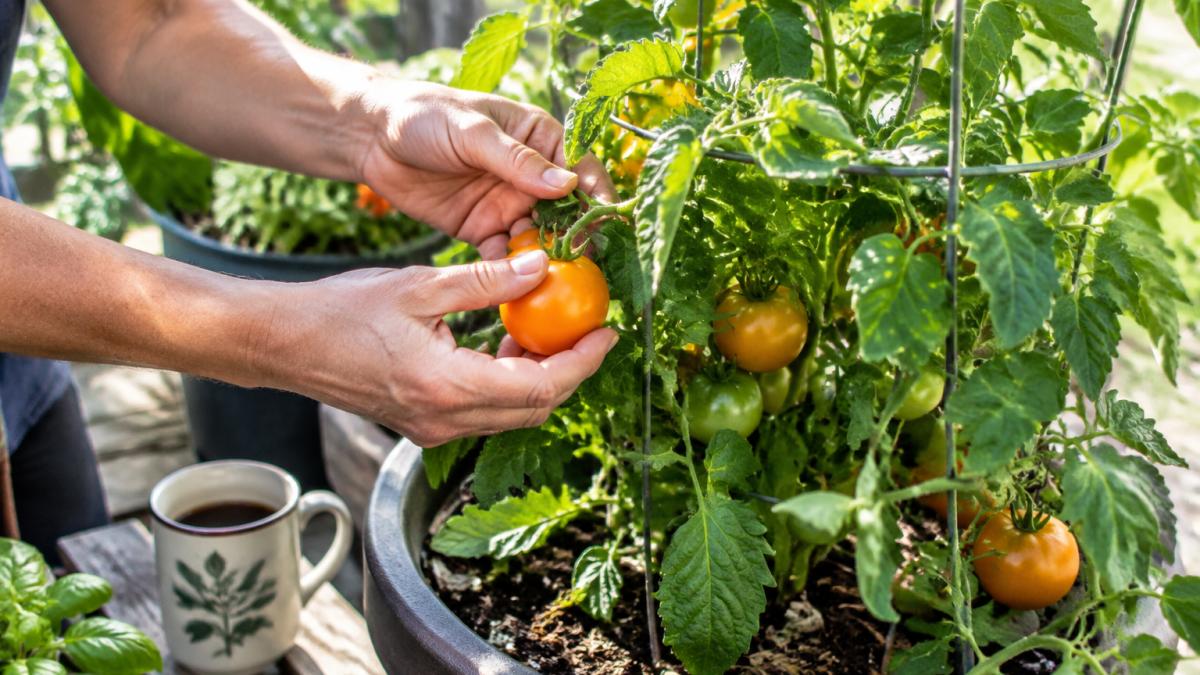
Heritage Cottage Orange is a determinate variety that typically reaches 3 to 4 feet tall and produces medium slicers averaging 6 to 8 ounces with a sweet-tangy flavor.
For cool starts and short seasons, Siberian Red is cold-tolerant and early.
A common mistake is crowding a big indeterminate into a small pot. Match the plant's habit to the container, and you'll have far fewer headaches.
The Best Open-Pollinated Tomatoes for Canning
Firm, meaty, low-water tomatoes make the best canners, and open-pollinated types give you the same fruit every season so your recipe stays consistent. Paste and slicing varieties with dense flesh hold up in the jar instead of turning to mush.
Heritage Cottage Orange has firm flesh and a concentrated harvest, which makes it a practical choice when you want to pick a batch at once.
The thing nobody tells you about canning: uniform ripening saves you hours. A determinate variety that ripens together beats a sprawling vine you have to harvest in dribs and drabs. Plant accordingly.
Saving Seeds from Open-Pollinated Tomatoes
Saving seeds from open-pollinated tomatoes is straightforward, and it's the whole reason these varieties exist. Pick your best, healthiest fruit from a true-to-type mother plant, scoop the seeds and gel into a jar, and let them ferment a few days before rinsing and drying. That's the short version. The longer version, the one that keeps your variety true and your seeds viable for years, is where most gardeners get tripped up.
Step 1: Start with the right plant and fruit
Choose fully ripe fruit from your strongest, truest plant, not the first tomato on the vine and not one from a stressed or diseased plant. Mid-season fruit from a healthy, well-shaped plant is your best bet. If you're growing in containers, pick from the container plant that has performed best for you, since container stress can show up in seed quality.
Step 2: Prevent cross-pollination before you save
Tomatoes are mostly self-pollinating, but insects, especially bumblebees, can move pollen between varieties and cause crossed seed. If you're saving seed from more than one open-pollinated variety, you have two practical options: Because bees can carry pollen between tomato varieties, keeping seed-saving plants separated or attracting pollinators to other parts of the garden can help limit unwanted crosses, as That Crazy Bee Guy explores.
- Isolation by distance. Most home gardeners find that separating varieties by 25 to 50 feet reduces crossing, though the safest home-garden approach is to grow only one open-pollinated variety for seed each season. Commercial seed savers use much larger distances, but that's rarely practical in a backyard or on a patio.
- Bag the blossoms. Before flowers open, slip a lightweight mesh or paper bag over a cluster of unopened buds and secure it at the stem. Once fruit sets, remove the bag. This is the most reliable method for container growers who want to save from two varieties in a small space.
Watch out: if you're growing several open-pollinated varieties side by side in containers, bagging blossoms is the only reliable way to keep each variety true, distance alone is hard to guarantee on a patio.
Step 3: Ferment the seed
Scoop seeds and gel into a labeled jar with a splash of water, just enough to cover. Let it ferment two to four days at room temperature, stirring daily, until a layer of mold forms on top and the seeds sink. Fermentation breaks down the gel sack that surrounds each seed and helps knock back seed-borne pathogens. Label the jar with the variety and the date; you will not remember which jar is which in three days.
Step 4: Rinse, dry, and test
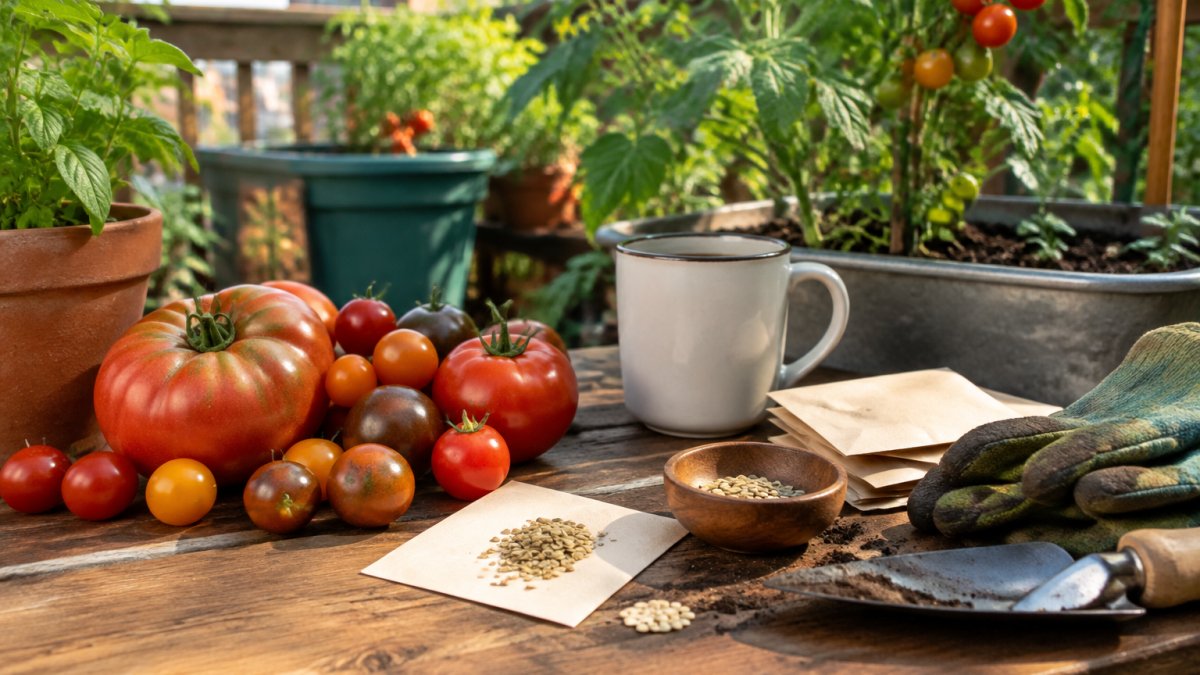
Rinse well in a fine strainer, drain, and spread seeds in a single layer on a plate or screen to dry fully, usually one to two weeks in a dry, airy spot out of direct sun. Seeds are dry when they snap rather than bend. Before you store them, do a quick viability check: drop a few seeds in a glass of water. Seeds that sink are generally viable; floaters are usually duds. It's not a perfect test, but it's a useful screen.
Step 5: Store them right
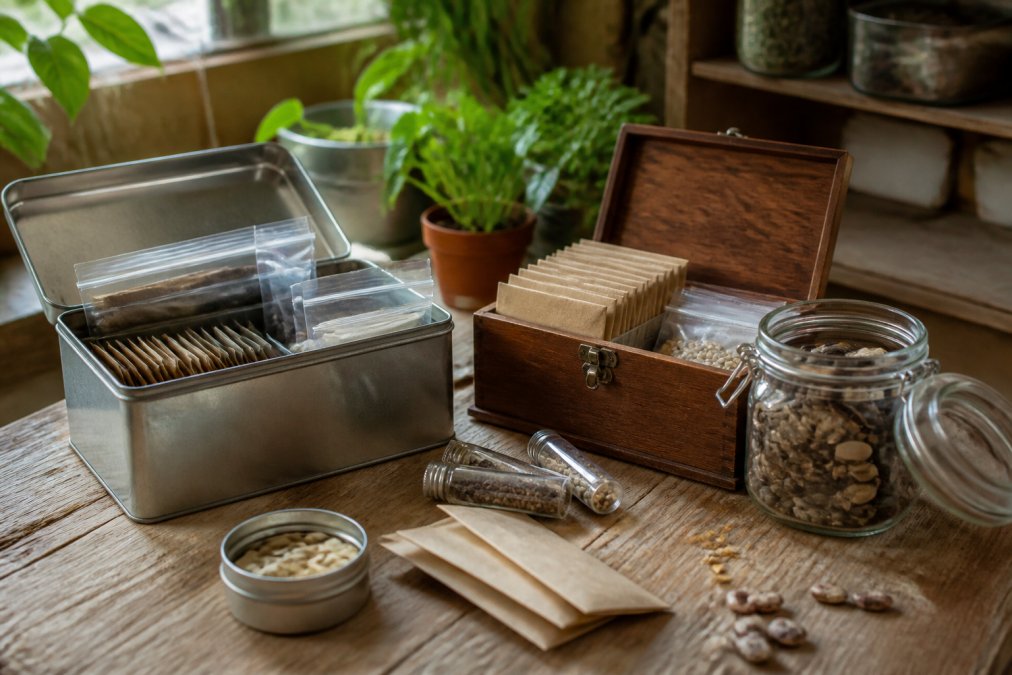
Store dry seeds in a cool, dark, dry place, a labeled paper envelope inside a sealed jar works well. Keep them away from heat and humidity. Most home-saved tomato seeds stay viable for three to five years under good conditions, and some keep longer. Label with the variety and the year saved, and note anything unusual about the season so you remember next spring.
For a full walk-through, see our guide on how to save heirloom tomato seeds at home.
Mississippi State University Extension Tips for Growing Open Pollinated Tomato Seeds
The Mississippi State University Extension Service recommends starting tomato seeds indoors several weeks before your last expected frost, then hardening plants off before setting them out. Their guidance stresses full sun, consistent watering, and good airflow, all of which matter even more in the humid Southeast. Here's how to put that advice to work, especially if you're growing in containers.
Starting seeds indoors
Start seeds six to eight weeks before your last expected frost. Sow them a quarter inch deep in a moist, well-draining seed-starting mix, keep the flat warm (around 75°F to 80°F helps germination), and give them bright light as soon as they sprout, a sunny window or a shop light works. Thin or pot up once seedlings have their first true leaves. Before transplanting, harden them off over seven to ten days by gradually increasing their time outdoors.
Choosing the right container
For container growing, bigger is better. A 15- to 20-gallon container is a realistic minimum for a full-size indeterminate tomato; determinate and compact varieties can manage in 10 to 15 gallons. Drainage holes are non-negotiable. Use a quality potting mix rather than garden soil, which compacts in pots and drains poorly. If you're growing on a patio, a wheeled saucer or pot mover makes it far easier to chase the sun and move plants out of heavy rain.
Spacing and support
In the ground, give tomatoes about 24 to 36 inches between plants, and give containers enough room for airflow, crowded pots invite disease in humid weather. Stake or cage everything. A loaded container tomato needs support early, before it flops. Set the stake or cage at planting time, not after the plant is already leaning.
Watering and heat management in the Southeast
Water at the soil line, not overhead, to keep foliage dry. Aim for consistent moisture, roughly an inch of water per week, adjusted for heat, container size, and rainfall, rather than feast-or-famine watering, which invites blossom-end rot. Mulch to hold moisture and cool the roots. In the worst of summer, give containers afternoon shade, and consider a light shade cloth during heat waves. Good airflow matters even more in the humid Southeast, so don't tuck pots into tight corners.
Disease and pest awareness
Humid Southeast summers favor early blight, septoria leaf spot, and other foliar diseases. The Extension's guidance on airflow, soil-line watering, and mulching is your first line of defense. Rotate crops in the ground, remove badly diseased foliage, and keep an eye on container plants, which can dry out and stress faster than in-ground plants. For pest pressure, scout regularly and hand-pick or use row cover where practical.
If you're growing in containers, our list of the best vegetables for container gardening in the Southeast is a good companion read. The Extension's materials are free and written for real home gardens, so lean on them.
Start Your Open-Pollinated Garden with Heritage Cottage Seeds
The challenge with open pollinated tomato seeds is simple: the best varieties are often hard to find, and big-box packets rarely tell you what you're actually getting.
Ready to plant? Our Heritage Orange Tomato Seed is a great place to start, and every packet holds 20 to 25 seeds. Browse the full collection, read the variety notes, and pick the ones that fit your space.
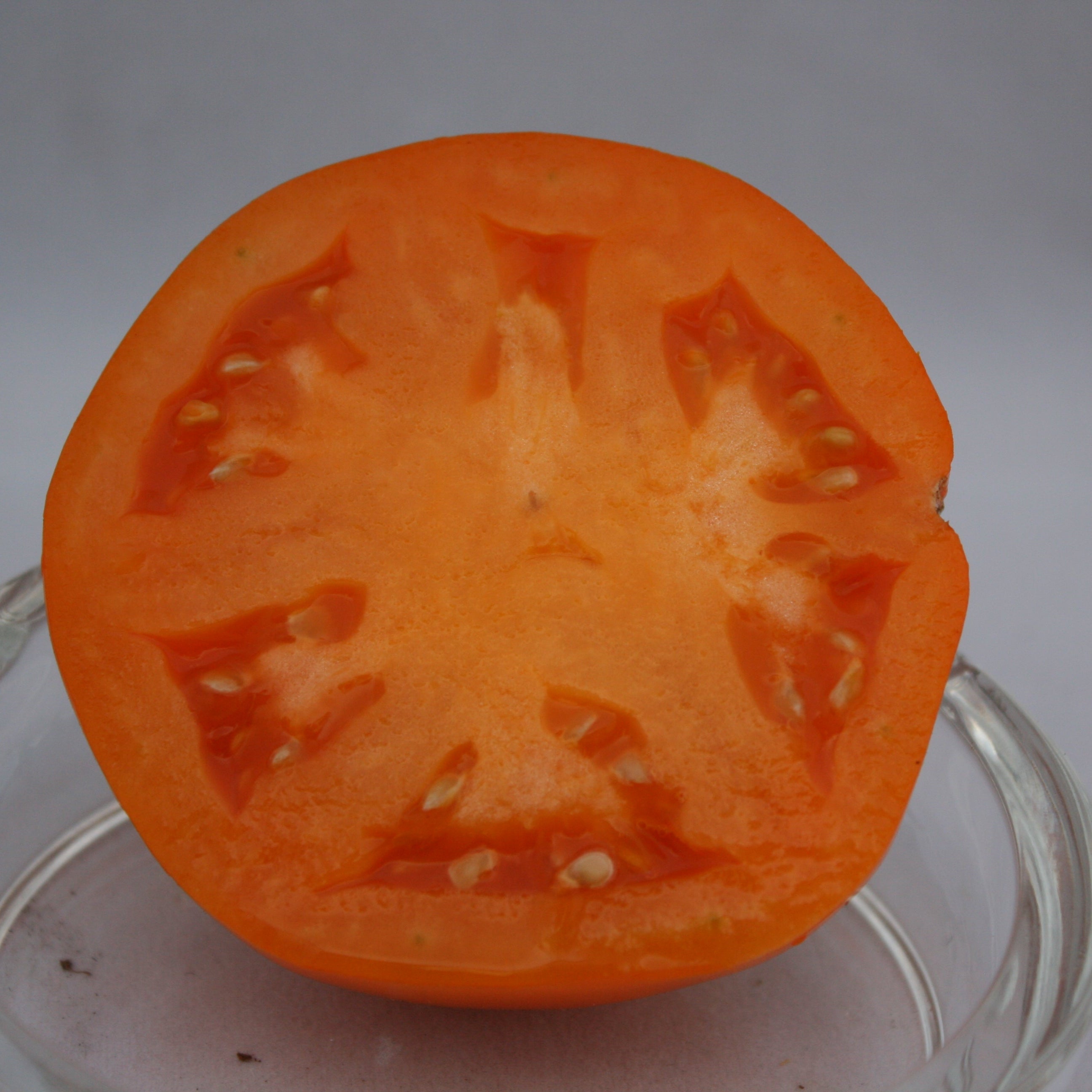
The real test of a garden is what you do with the seeds you keep. Start with varieties you can trust, save from your best plants, and each season gets a little better.
Frequently Asked Questions
What is an open-pollinated tomato?
An open-pollinated tomato is a variety that produces seeds naturally through wind, insects, or self-pollination, and those seeds grow into plants that look and taste like the parent. Unlike hybrids, open-pollinated varieties stay true to type year after year, which is why they are favorites for seed saving. Heritage Cottage Seeds offers several open-pollinated tomato seeds, including the compact Heritage Cottage Orange, a determinate slicer that reaches 3 to 4 feet tall and works well in containers.
Can you save seeds from open-pollinated tomatoes?
Yes. Saving seeds from open-pollinated tomatoes is one of the main reasons gardeners choose them. Let a healthy fruit fully ripen on the mother plant, scoop out the seeds, ferment them in water for a few days to remove the gel, then rinse and dry them completely. Store the dried seeds in a cool, dark place. Because open-pollinated varieties are not hybrids, the saved seed will produce plants true to type the next season, provided you prevent cross-pollination with other varieties.
Are heirloom tomatoes always open-pollinated?
Most heirloom tomatoes are open-pollinated, but not every open-pollinated tomato is an heirloom. Heirloom usually means a variety passed down through generations and maintained by seed saving. Open-pollinated describes how the seed is produced. A new variety bred by a gardener and stabilized over several years can be open-pollinated without being an heirloom. When shopping, check the seed packet for the term open-pollinated to confirm the seeds are suitable for saving.
Which open-pollinated tomato varieties grow well in containers?
Compact determinate varieties are the easiest choice for containers. Heritage Cottage Seeds sells the Heritage Cottage Orange, a determinate plant that stays 3 to 4 feet tall and produces 6 to 8 ounce slicers, and the Siberian Red, another determinate heirloom. For cherry tomatoes, Angora Super Sweet is an indeterminate variety that thrives in large containers when staked or caged. Choose a pot with drainage and full sun for the best results.