 ultimate-guide
Vegetables That Grow Well in Zone 9b: A Planting Guide
Table of Contents
- Cool-Season Vegetables That Thrive in Zone 9b
- Warm-Season Vegetables for Heat-Tolerant Growing
- Growing Tomatoes in Southern Climates
- Container Vegetable Gardening Tips for Zone 9b
- Zone 9b Planting Calendar: Month-by-Month Guide
- Pest and Disease Management in Zone 9b
- Succession Planting and Year-Round Harvests
- Frequently Asked Questions
Last Updated: October 1, 2026
Cool-Season Vegetables That Thrive in Zone 9b
Growing cool-season vegetables in zone 9b means working with a climate that gives you a serious advantage most gardeners in colder regions don't have. Your winters are mild enough that plants like broccoli, lettuce, and kale can actually thrive when northern gardeners are buried under snow. The trick is timing, you're planting these crops in fall and early winter, not spring like folks up north.
Think of cool-season crops as your secret weapon for extending the growing season. In zone 9b, you can start planting leafy greens in August and harvest well into February. According to Mississippi State University Extension guidance on fall gardening, cool-season vegetables grow best when soil temperatures drop below 70°F, which happens reliably in your region by late summer.
The vegetables that grow well in zone 9b during cool months include broccoli raab (rapini), spinach, kale, Swiss chard, and various lettuces. Heritage Cottage Seeds offers Broccoli raab (Rapini) as a specialty option that thrives in containers and raised beds.

Here's what makes cool-season planting work in your zone: most of these crops actually taste better after a light frost. Spinach and kale develop sweeter flavor profiles when exposed to cold temperatures. You're not fighting against your climate, you're using it.
Warm-Season Vegetables for Heat-Tolerant Growing
This is where zone 9b separates itself from milder climates. Your summers are intense, and most standard tomato varieties struggle. But certain heat-tolerant vegetables don't just survive your heat, they absolutely thrive in it.
Okra, Southern peas (black-eyed peas, crowder peas), Armenian cucumber, and heat-loving peppers are your all-stars here. These plants want the heat you're giving them. They produce more prolifically when temperatures stay above 85°F, which happens reliably from June through September in zone 9b.
The challenge isn't growing warm-season vegetables, it's choosing varieties that won't bolt or produce poorly when the thermometer climbs. Many gardeners plant standard varieties, watch them struggle in July heat, and assume they did something wrong. The real issue is variety selection. You need heat-tolerant cultivars bred for Southern conditions.
Armenian cucumber is a perfect example. It looks like a cucumber, tastes like a cucumber, but it's actually a melon that loves extreme heat. Plant it in May and it'll produce continuously through September when regular cucumbers have already given up. Southern peas are another no-brainer, they're practically indestructible and produce massive harvests with minimal fussing.
Growing Tomatoes in Southern Climates
Tomatoes in zone 9b require a completely different approach than standard gardening guides suggest. Your challenge isn't cold, it's sustained heat and humidity that creates disease pressure most gardeners never encounter.
The best tomato varieties for zone 9b are determinate types that mature early and finish their production before peak summer heat arrives. Heritage Cottage Seeds offers two excellent options: the Heritage Cottage Orange and the Siberian Red Heirloom. The Heritage Cottage Orange is a compact determinate that reaches just 3-4 feet tall and produces medium slicers with rich, sweet-tangy flavor, perfect for containers and small spaces. The Siberian Red is cold-tolerant and early-maturing, making it ideal for spring planting before heat arrives.


In zone 9b, you're essentially planting tomatoes in early spring (February-March) so they produce heavily before July heat sets in. This timing is critical. A tomato that would normally produce all summer in cooler zones will struggle with heat stress, reduced fruit set, and disease once temperatures consistently exceed 90°F (Why don't tomatoes produce fruit in late summer?).
Container growing is your friend here. Tomatoes in pots dry out faster, which means better air circulation around foliage and less disease pressure. A 5-gallon container with quality potting soil gives you control over moisture and temperature that in-ground planting can't match.
Container Vegetable Gardening Tips for Zone 9b
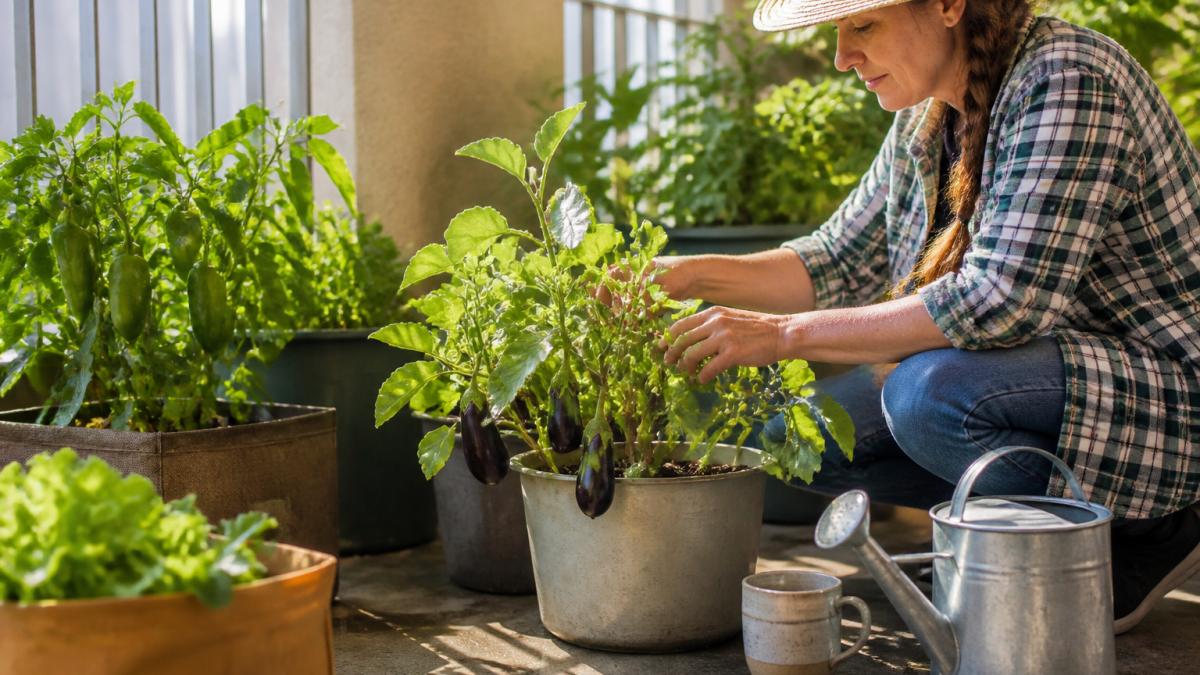
Container gardening in zone 9b isn't just convenient, it's often the smartest way to garden because it lets you manage the intense heat and humidity that create disease problems in traditional beds.
Start with containers that hold at least 5 gallons for most vegetables. Smaller containers dry out too fast in zone 9b heat, forcing you to water multiple times daily. Larger containers moderate temperature swings and retain moisture better. Use quality potting soil, not garden soil, potting mix drains properly while maintaining moisture, and it's disease-free from the start.
The real advantage of containers is mobility. In summer, you can move heat-sensitive plants to afternoon shade. In winter, you can position cold-season crops in the sunniest spot available. This flexibility is worth its weight in gold when you're managing extreme temperature swings.
Drainage is non-negotiable. Every container needs holes in the bottom. Waterlogged roots in zone 9b humidity create perfect conditions for root rot and fungal diseases. Elevate containers on feet or a rack so water drains freely underneath.
For zone 9b, focus on vegetables that perform well in containers: leafy greens (spinach, kale, lettuce), tomatoes (especially determinate varieties), peppers, okra, and herbs. Broccoli raab is surprisingly productive in containers and matures quickly. Root vegetables like carrots and beets work too, though they need deeper containers (at least 12 inches).
| Container Size | Best Vegetables | Watering Frequency |
|---|---|---|
| 5-gallon | Leafy greens, herbs, determinate tomatoes | Daily in summer |
| 10-gallon | Peppers, okra, larger tomatoes | Daily to every other day |
| 3-gallon | Lettuce, spinach, shallow-rooted herbs | Daily in heat |
Zone 9b Planting Calendar: Month-by-Month Guide
Understanding your zone 9b planting calendar is the foundation of year-round vegetable production. Unlike colder climates with one main growing season, you have two distinct seasons plus shoulder months that extend your harvest window.
Southern Gardening All Year Long →
January-February: This is prime cool-season production time. Leafy greens, broccoli, kale, and root vegetables are at peak productivity. Start seeds indoors for warm-season crops (tomatoes, peppers) that you'll transplant in March. Soil is warming up gradually, so direct sowing warm-season seeds is still too risky.
March-April: Transplant warm-season seedlings outdoors. Plant tomatoes, peppers, and okra. This is your last window for spring cool-season crops, spinach and lettuce will bolt quickly as temperatures rise. Direct sow warm-season seeds like beans and squash once soil consistently stays above 60°F.
May-June: Full summer production begins. Heat-loving crops take off. Keep cool-season crops going only if you have afternoon shade. Water deeply and frequently, containers may need daily watering. Start thinking about fall crop timing.
July-August: This is the transition month. Your spring tomatoes are finishing up. Heat stress is at maximum. Start seeds indoors for fall cool-season crops (broccoli, kale, lettuce). Keep watering consistently, heat stress combined with irregular moisture creates disease and poor production.
September-October: Plant fall cool-season crops. Broccoli, kale, spinach, and lettuce go in the ground or containers. This is the beginning of your second major growing season. Days are getting shorter, temperatures are dropping, and cool-season crops thrive.
November-December: Cool-season crops are in full production. Leafy greens are sweet and tender. Harvest continuously. Prepare beds for spring by adding compost. Plan next year's varieties.
Pest and Disease Management in Zone 9b
Zone 9b humidity creates pest and disease pressure that drier climates never see. Your warm winters mean certain pests don't die off, they just slow down. You need a proactive approach, not a reactive one.
The biggest disease threat in zone 9b is powdery mildew, which thrives in warm, humid conditions with poor air circulation. Fungal diseases like early blight on tomatoes and downy mildew on leafy greens are constant concerns. Insect pests like spider mites, whiteflies, and aphids are active year-round because winters rarely get cold enough to kill them.
Your first line of defense is variety selection. Choose disease-resistant varieties whenever possible.
Air circulation is your second defense. Space plants properly so leaves dry quickly after rain or watering. In containers, this is easier, you can position pots to maximize airflow. In beds, thin plants ruthlessly. A plant that looks too sparse when it's young will look perfect once it fills in, and the airflow prevents disease.
Water at soil level, never overhead. Wet foliage in zone 9b humidity is an invitation for fungal disease. Drip irrigation or soaker hoses are worth installing. If you hand-water, do it early morning so any splashing dries quickly.
Mulch containers and beds with 2-3 inches of organic mulch. This keeps soil-borne diseases from splashing onto lower leaves.
Succession Planting and Year-Round Harvests
Succession planting is how zone 9b gardeners get continuous harvests instead of feast-or-famine cycles. Instead of planting everything at once, you plant in waves every 2-3 weeks, staggering maturity dates so you're always harvesting something.
Frequently Asked Questions
What vegetables can I plant right now in zone 9b?
The answer depends on your current month and frost dates in your area. Cool-season crops like broccoli, lettuce, spinach, and kale thrive from October through March. Warm-season vegetables like tomatoes, peppers, and squash grow best from April through September. Check your local frost dates to time plantings correctly. Mississippi State University Extension recommends consulting your specific microclimate since frost dates vary within the zone.
Which tomato varieties perform best in high-heat climates?
Heat-tolerant tomato varieties handle zone 9b's intense summers better than others. Determinate types like Heritage Cottage Orange mature reliably in containers and smaller spaces, reaching just 3-4 feet tall. Cold-tolerant heirlooms like Siberian Red offer early maturity and dependable yields. For southern growing, choose varieties bred for heat tolerance and short days to maturity. Starting seeds indoors 6-8 weeks before your last spring frost helps you get productive plants established before peak heat arrives.
How do I manage vegetable gardening in containers in zone 9b?
Container gardening works beautifully in zone 9b because you can move pots to optimize sun exposure and manage microclimate challenges. Use nutrient-rich soil and ensure containers have drainage holes. Water more frequently than in-ground gardens since containers dry faster, especially during hot months. Leafy greens, broccoli raab, and determinate tomatoes thrive in containers. During summer heat, move containers to afternoon shade. In winter, position them in full sun to maximize the shorter growing season.
What's the difference between zone 9 and 9b?
Zone 9b has average minimum winter temperatures between 25-30°F, while zone 9a ranges from 20-25°F. This 5-degree difference matters for frost dates and which perennials survive winter. Zone 9b has a longer growing season overall, which benefits warm-season vegetables. However, the heat intensity during summer in zone 9b requires heat-tolerant vegetable varieties. Understanding your exact zone helps you time plantings around your first and last frost dates for maximum success.