 listicle
Best Flower Seeds for Attracting Pollinators
Table of Contents
- Why Flower Seeds Matter for Attracting Pollinators to Southern Gardens
- Zinnias: Heat-Tolerant Bloomers for Continuous Color
- Native Wildflowers for Pollinators in the South
- Flowers That Attract Bees to Vegetable Gardens
- When to Plant Wildflower Seeds in the South
- Sowing and Growing Tips for Southern Pollinator Gardens
- Conclusion: Building Your Pollinator Oasis
- Frequently Asked Questions
Last Updated: October 17, 2026
Why Flower Seeds Matter for Attracting Pollinators to Southern Gardens
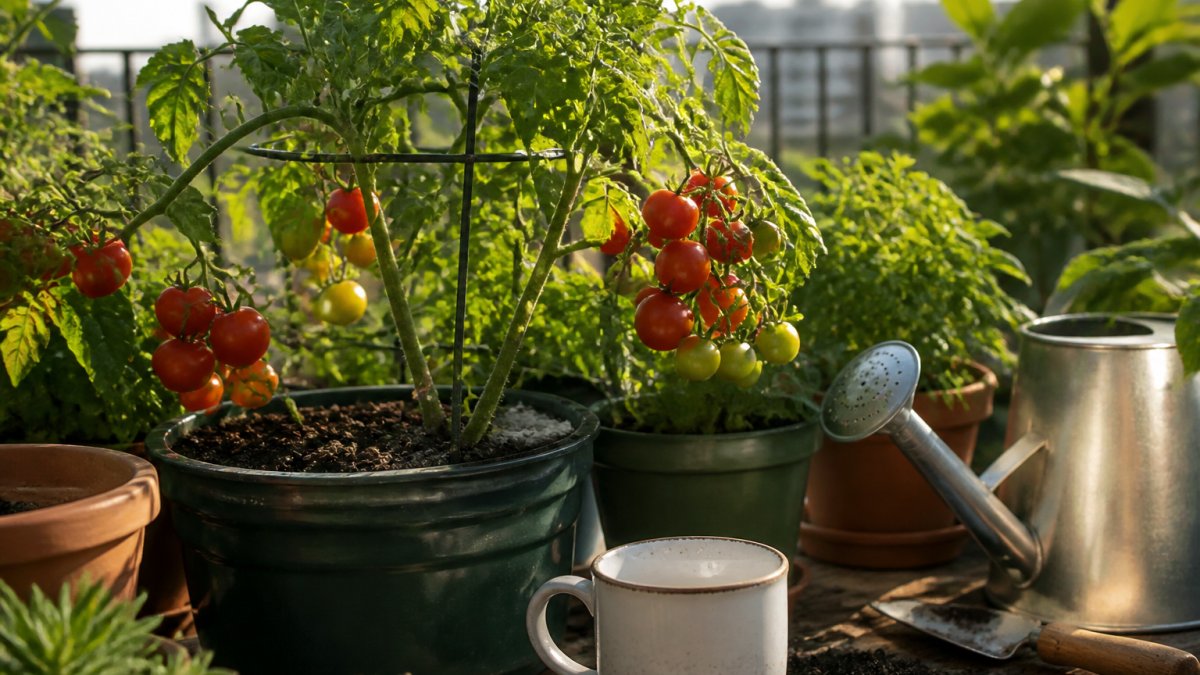
If you're growing vegetables in containers or tending a productive garden, you know pollinators are your best friends. Without them, your tomatoes don't set fruit and your peppers stay small. The thing most gardeners miss is that flower seeds attracting pollinators aren't just pretty additions, they're essential infrastructure for your food garden.
A well-designed pollinator garden doesn't require much space. You can grow flowers for bees and butterflies in containers right alongside your vegetables, and the payoff is immediate: more fruit, better yields, and a garden that buzzes with life.
The challenge is choosing the right flower seeds. Not every bloom works equally well in Southern conditions, heat, humidity, and timing matter. This guide covers varieties that actually thrive in the South.
Zinnias: Heat-Tolerant Bloomers for Continuous Color
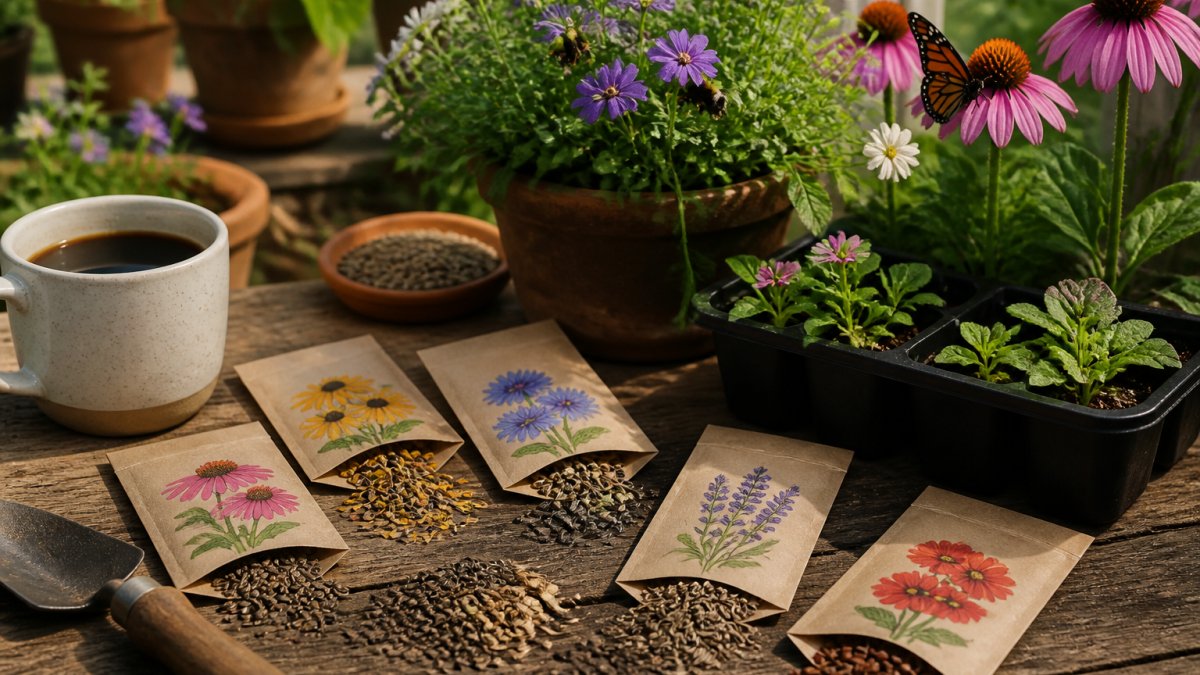
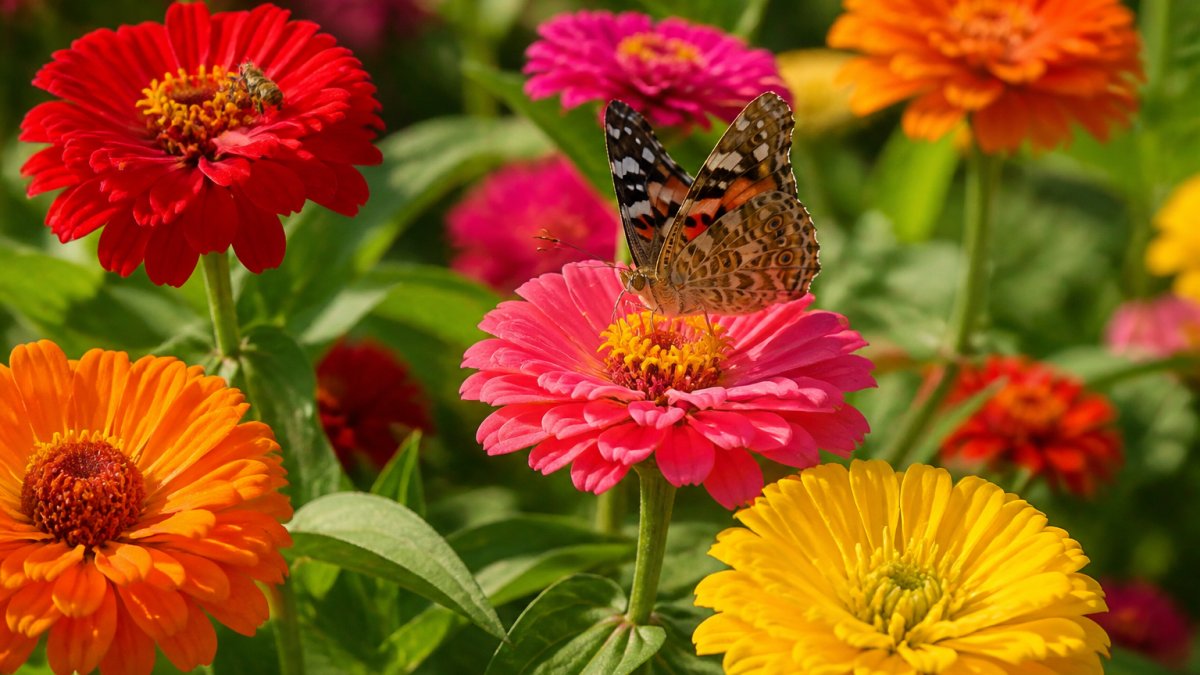
Zinnias are the workhorse of Southern pollinator gardens. They love heat, bloom nonstop from summer through frost, and attract butterflies like nothing else, tough, prolific, and irresistible to pollinators.
Gary's Favorite Mix: Classic Pollinator Performance
Zinnia - Gary's Favorite Mix ($4.00) is our top recommendation for maximum impact without overthinking it. This blend delivers 4- to 5-inch blooms in red, pink, orange, yellow, and purple, the exact colors that draw pollinators hardest, with vigorous branching that yields dozens of flowers per plant all season.

The diversity within the mix matters: single, semi-double, and double flowers attract different pollinator species. Plant seed every 2 to 3 weeks for continuous blooms. Heat-tolerant and easy to grow, these zinnias thrive in full sun and suit cut flower gardens, borders, and containers.
Cactus Flower Mix: Double Blooms for Butterflies
If you want something showier, Zinnia - Cactus Flower Mix ($4.00) produces fully double blooms with long, curled, spiky petals. Plants reach 30 to 40 inches tall with 4- to 6-inch blooms that look florist-worthy yet magnetize butterflies and beneficial pollinators. Colors span red, pink, orange, yellow, purple, and white.

These heat-loving annuals grow quickly and bloom nonstop through summer. Plant seed every 2 to 3 weeks for succession blooms.
Peppermint Candy: Striped Beauty with Heirloom Appeal
For something truly unique, Zinnia - Peppermint Candy ($4.00) features bold red, pink, rose, or carmine streaks on creamy white or yellow petals, no two flowers look alike. Plants grow 24 to 36 inches tall with large 3- to 4-inch double blooms perfect for cut flower gardens and pollinator beds.

This heirloom blooms continuously from summer through fall, attracts butterflies, and delivers reliable germination and long-lasting vase life.
Gary's Small Mix: Compact Zinnias for Container Growing
Not everyone has space for 30-inch zinnias. Zinnia - Gary's Small Mix ($4.00) stays compact at 18 to 24 inches tall, producing single, semi-double, and double flowers in red, pink, orange, yellow, and purple, perfect for containers, raised beds, and small spaces.
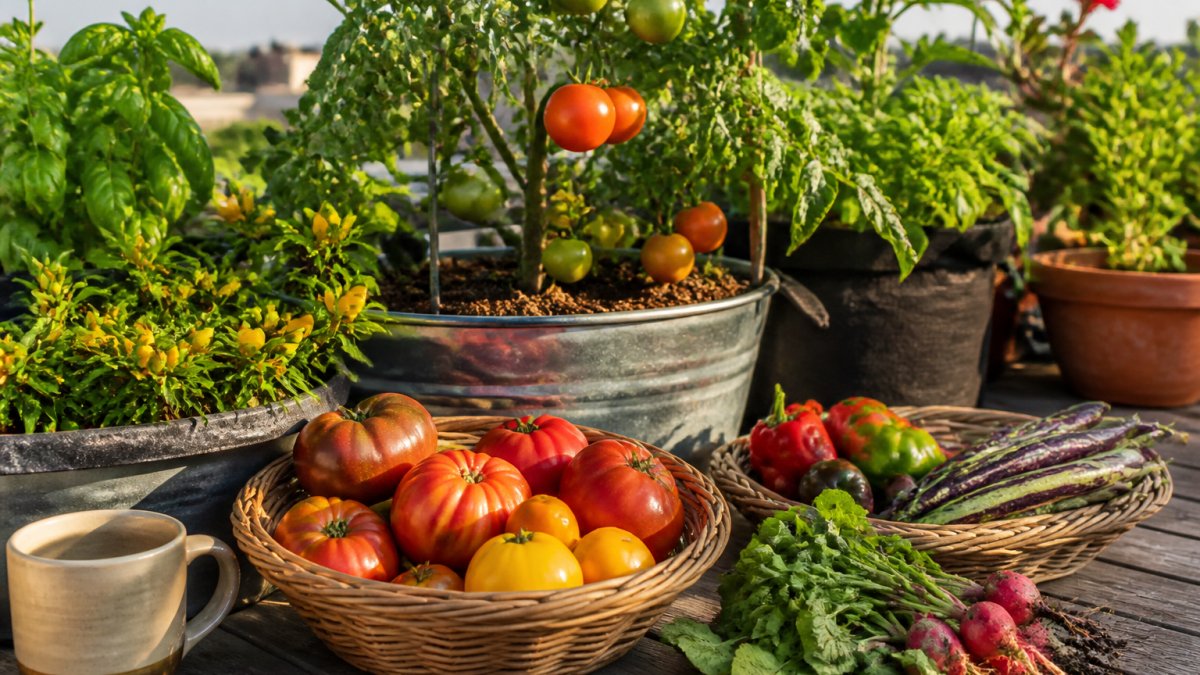
This is your answer if you're growing vegetables in containers and want pollinator flowers in the same footprint. Continuous color all summer draws pollinators directly to your vegetable beds, improving fruit set on tomatoes, peppers, and squash.
Native Wildflowers for Pollinators in the South
Native plants are the backbone of a resilient pollinator garden. They're adapted to local conditions, require less water and care, and provide food sources that native pollinators have evolved to depend on. According to Mississippi State University Extension guidance on native plants, native wildflowers support more diverse pollinator populations than non-native ornamentals.
White Texas Star Hibiscus: Native Perennial Powerhouse
Hibiscus - White Texas Star ($4.00) is a striking native perennial with bold, star-shaped white flowers and contrasting red centers. The large 6- to 8-inch blooms create a dramatic focal point in pollinator and rain gardens. Plants reach 4 to 6 feet tall with an upright, shrubby habit and lush foliage that adds structure even before blooming.
Blooming mid to late summer, this heat- and humidity-tolerant native thrives in full sun and consistently moist soil. Bees, butterflies, and hummingbirds all visit, and it needs no special care once established.
Confederate Rose: Late-Season Blooms for Hummingbirds
Hibiscus - Confederate Rose ($4.00), also known as Cotton Rose, is a heritage shrub with dramatic color-changing blooms. Large, ruffled flowers open creamy white in the morning, blush pink by midday, and deepen to rosy red by evening, a multicolor display on a single plant.
Plants grow 8 to 12 feet tall and wide, making a bold focal point or flowering hedge. Blooming late summer through fall in full sun and well-drained soil, it feeds pollinators when other flowers fade, invaluable late-season support.
Flowers That Attract Bees to Vegetable Gardens
Bees are the most efficient pollinators for vegetables. To get tomato and pepper crops thriving, plant flowers that specifically attract bees: abundant nectar and pollen, simple flower shapes they can navigate, and consistent blooms through the season.
Zinnias work exceptionally well, their open faces make landing and feeding easy, and continuous blooming provides steady food. Native wildflowers like Texas Star Hibiscus also perform well because local bee species evolved alongside them.
Plant flowers for bees in clusters rather than scattered individuals. Bees work more efficiently when they can move between flowers of the same type in one area, reducing travel time and boosting productivity in your vegetable garden.
When to Plant Wildflower Seeds in the South
Timing is everything with flower seeds attracting pollinators. Plant too early and frost kills your seedlings; too late and you miss peak pollinator activity.
Zinnia - Gary's Favorite Mix →
For warm-season annuals like zinnias, the rule is soil temperature, not the calendar.
Native perennials like hibiscus need cold, moist stratification, winter, essentially. Start them indoors 8 to 10 weeks before your last frost, or sow outdoors in fall and let winter do the work.
To keep nectar and pollen coming all season, think in waves rather than one big planting:
- Early spring: cool-season annuals and early perennials start the season; pollinators emerging from winter need these first flowers.
- Late spring to early summer: zinnias and other warm-season annuals kick in; this is when you want your first succession sowing to be blooming.
- Midsummer: heat-tolerant annuals and native hibiscus carry the garden through the hottest stretch.
- Late summer to fall: late-blooming natives like Confederate Rose and a final zinnia succession provide food when many other plants fade.
Sow zinnias every 2 to 3 weeks from your frost date through midsummer to stagger bloom times. For perennials, plant a mix of early, mid, and late bloomers so pollinators have something from spring through frost.
According to Mississippi State University Extension guidance on planting dates and frost, the key is to align your sowing with local frost dates and soil temperatures rather than a single regional average.
Sowing and Growing Tips for Southern Pollinator Gardens
Success with flower seeds attracting pollinators comes down to a few simple practices, flexed for your subregion and the pollinators you're helping.
Match the flower to the pollinator. Not every pollinator works the same way. Plan in groups:
- Native bees and honeybees tend to favor open, simple flowers where they can reach nectar and pollen easily, zinnias and many native wildflowers fit this well.
- Butterflies often prefer flat-topped or clustered flowers they can land on, and they need host plants as well as nectar plants.
- Hummingbirds are drawn to tubular or trumpet-shaped blooms, which is one reason hibiscus earns a spot in the pollinator garden.
Plant in clusters of at least three to five plants of the same variety rather than one here and one there.
Adjust for your subregion. Along the Gulf Coast, heat and humidity are the main challenge, air circulation and well-drained soil matter most.
Prepare your soil and containers. Use well-draining soil rich in organic matter.
Sow at the right depth and spacing. Cover zinnia seed lightly, about 1/4 inch deep, and thin to 9 to 12 inches apart for full-size varieties; compact types can go closer.
Thin and deadhead. Thin seedlings once they develop true leaves, crowded plants compete for light and nutrients, producing fewer flowers.
Go pesticide-free and think beyond flowers. A pollinator garden is only as good as its habitat. Avoid broad-spectrum insecticides, especially while plants bloom, they harm the very pollinators you want.
| Task | Timing | Frequency | Notes |
|---|---|---|---|
| Start seeds indoors | 4-6 weeks before last frost | Once per season | Zinnias only |
| Direct sow after frost | After last spring frost | Once per season | Zinnias and native seeds |
| Plant succession crops | Every 2-3 weeks | Through mid-summer | For continuous zinnias |
| Water seedlings | Daily until established | Until first true leaves | Keep soil consistently moist |
| Thin seedlings | When 2-3 inches tall | Once per planting | Remove weakest plants |
| Deadhead spent flowers | Weekly during bloom | Throughout season | Encourages more blooms |
Conclusion: Building Your Pollinator Oasis
Creating a pollinator garden doesn't require a massive commitment or expert knowledge. Start with proven varieties, zinnias for reliable, continuous color and native hibiscus for long-term perennial structure. These seeds germinate reliably, grow vigorously in Southern conditions, and attract pollinators consistently.
The payoff extends far beyond pretty flowers: better vegetable yields, healthier fruit set, and a garden that feels genuinely alive. Whether you're growing vegetables in containers on a small patio or tending a full-sized bed, adding flower seeds attracting pollinators transforms your entire growing system.
University research on pollinator gardens and crop productivity confirms what gardeners already know: flowers aren't optional extras, they're essential infrastructure. Start this season with one of our zinnia mixes or native hibiscus varieties. You'll see the difference in your harvest by midsummer.
Frequently Asked Questions
What kind of flowers attract pollinators best?
Flowers with open faces, bright colors, and abundant nectar and pollen draw pollinators most reliably. Zinnias, native hibiscus, and other heat-tolerant annuals perform exceptionally well in southern gardens. Mississippi State University Extension recommends selecting varieties that bloom over a long season, from early summer through fall, to keep pollinators fed throughout the growing season.
Can you grow pollinator flowers in containers?
Absolutely. Compact zinnia varieties like Gary's Small Mix grow beautifully in containers and still attract bees and butterflies. Choose containers at least 12 inches deep with drainage holes, fill with quality potting soil, and place in full sun. Container gardens work especially well for apartment dwellers and those with limited yard space who want to support pollinators.
When should you sow pollinator flower seeds in a southern garden?
Timing depends on your local frost dates. Most southern gardeners sow zinnia and annual flower seeds directly in the garden after the last spring frost when soil warms. For perennials like native hibiscus, starting seeds indoors 6-8 weeks before your last frost gives them a head start. Check your specific USDA hardiness zone for exact timing recommendations.
How do I attract bees to a vegetable garden?
Plant pollinator-friendly flowers near your vegetable beds, zinnias, native hibiscus, and other nectar-rich blooms draw bees to the area. Bees then naturally visit your vegetables as they forage. Avoid pesticides, provide consistent moisture, and ensure flowers bloom throughout the season so bees have food sources from early summer through fall.
Which flowers are easiest to grow from seed in the Southeast?
Zinnias are the gold standard for ease and reliability. They germinate quickly, grow fast, tolerate heat and humidity, and bloom prolifically with minimal fuss. Gary's Favorite Mix and Gary's Small Mix both deliver consistent results for beginners. Native hibiscus varieties take longer to establish but reward patient gardeners with years of blooms and strong pollinator activity.