 listicle
Heirloom Vegetable Varieties for Southern Climates
Table of Contents
- Why Heirloom Vegetable Varieties Thrive in Southern Gardens
- Best Heirloom Tomatoes for Hot Climates
- Heat-Tolerant Heirloom Vegetables Beyond Tomatoes
- Heirloom Vegetables for Containers in Southern Heat
- Cool-Season Heirloom Vegetables for Fall Gardens
- Seasonal Planting and Temperature Requirements
- Seed Selection and Growing Tips from Mississippi State Extension
- Frequently Asked Questions
Last Updated: October 10, 2026
Why Heirloom Vegetable Varieties Thrive in Southern Gardens
Growing heirloom vegetable varieties for southern climates is like having a conversation with gardeners who've been doing this for generations.
The real magic of heirlooms is that they've adapted to regional conditions over decades. At Heritage Cottage Seeds, we've spent years sourcing varieties that actually perform in Southern heat and humidity, not varieties that sound good in a catalog.

What makes heirloom varieties different from modern hybrids? Open-pollinated heirlooms let you save seeds year after year, building a living collection that gets better adapted to your specific garden.
The varieties we recommend below have one thing in common: they've proven themselves in real Southern gardens, not just in ideal conditions. Some are heat champions. Others handle the unpredictable cool spells we get in fall and early spring. A few do both.
Best Heirloom Tomatoes for Hot Climates
Tomatoes are the heart of Southern gardening, and choosing the right variety makes all the difference between a bumper crop and a frustrating season.
Heritage Cottage Orange: Compact and Prolific
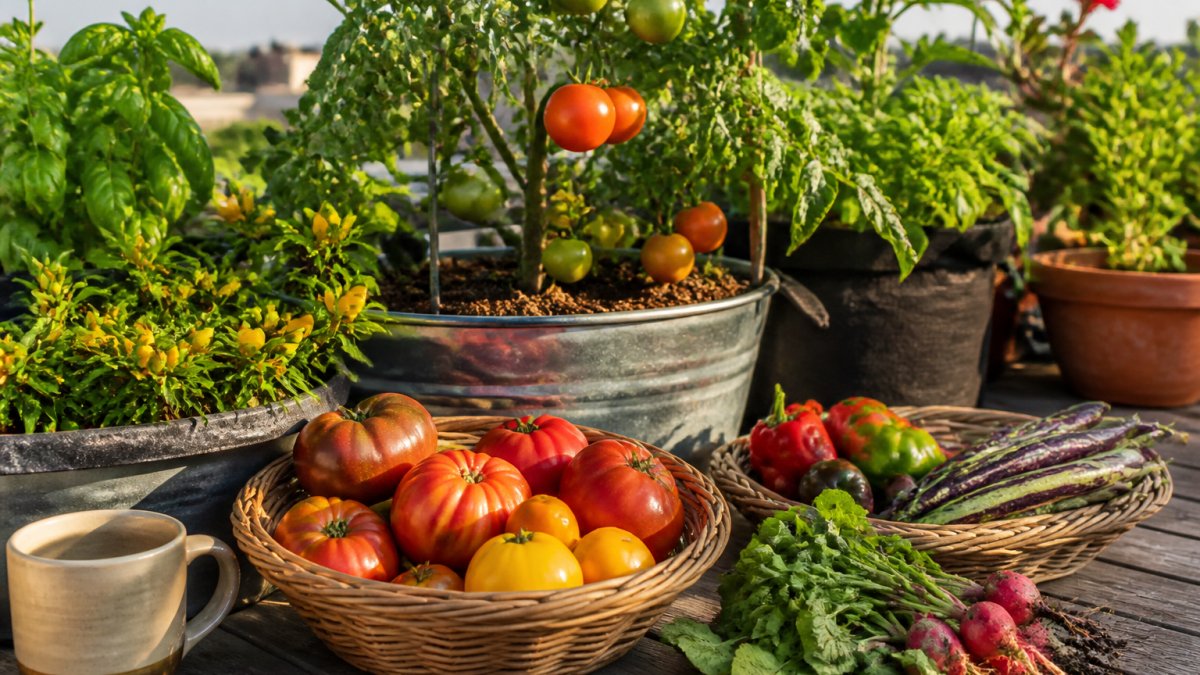
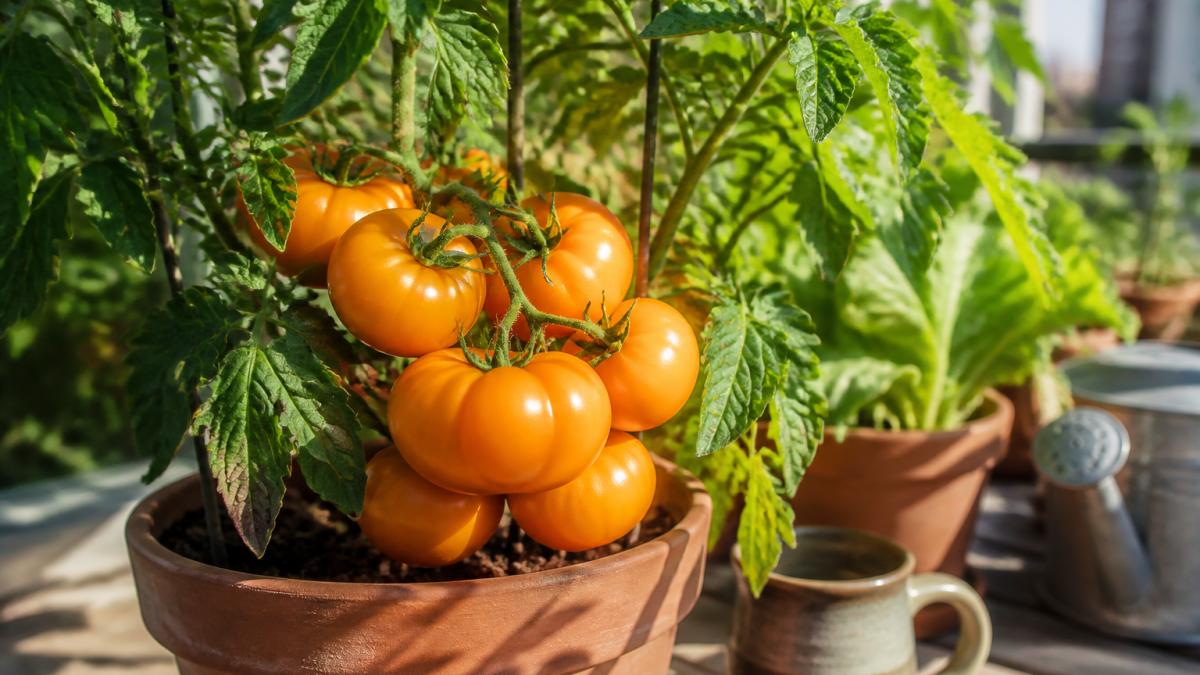
If you're growing in containers or have limited space, Heritage Cottage Orange is exactly what you need. This compact determinate tomato reaches just 3-4 feet tall, making it perfect for raised beds, patios, and urban gardens where sprawling vines aren't an option.
The real story here is the flavor and color. These aren't pale, mealy tomatoes, they're vibrant orange with a sweet-tangy taste that works fresh in salads or roasted in dishes.
We've been growing and saving these seeds since 2005 from a gardener's family collection, which tells you something about their reliability. The plant produces reliably in heat, and the compact habit means it's forgiving for beginners. Mississippi State University Extension vegetable gardening guide recommends determinate varieties for small-space growers because they're easier to manage and harvest.
Everglades: Heat and Disease Resistance Champion
Everglades is the tomato you grow when you're tired of losing plants to heat and humidity. This wild-type indeterminate cherry tomato was bred for extreme heat tolerance and disease resistance, exactly what Southern gardens demand.
The plant produces massive clusters of tiny, bright red cherry tomatoes, each about half an inch across, with an intense sweet-tart flavor that tastes like old-fashioned tomato. We're talking hundreds of fruits per plant over a long season. In containers with sturdy support or naturalized along garden edges, Everglades thrives in conditions that would kill other varieties. The vigorous vine sprawls and produces relentlessly, even during peak summer heat.
Disease resistance is the hidden benefit here. Southern humidity breeds fungal problems that can wipe out a tomato crop by midsummer. Everglades shrugs these off. You'll still get fruit when other gardeners are pulling dead plants out of the ground.
Cherokee Purple: Rich Flavor for Warm Seasons
Cherokee Purple is the tomato serious growers obsess over. This indeterminate variety produces large beefsteak-style fruits weighing 8-16 ounces with dusky purple skin and deep red-purple flesh.
The plant is vigorous and productive, thriving in garden beds, raised beds, and large containers. It needs sturdy support, the fruit gets heavy, but the payoff is worth every bit of effort. Each tomato is a statement.
The challenge with Cherokee Purple in Southern heat is that it needs afternoon shade and consistent water to prevent cracking and sunscald. It's not a set-it-and-forget-it tomato. But if you're willing to give it attention, you'll grow tomatoes that taste better than anything you can buy.
Heat-Tolerant Heirloom Vegetables Beyond Tomatoes
Tomatoes get the glory, but the real Southern garden is built on vegetables that laugh at July heat.
Baby Bubba Okra: Southern Summer Staple
Baby Bubba okra is bred for gardeners who want serious harvests from smaller plants. At 3-4 feet tall, it's perfect for raised beds and containers while still producing the kind of yields that fill your kitchen with fresh okra for frying, grilling, gumbo, and pickling.
The pods are deep green, spineless, and tender when harvested young at 3-5 inches. Heat-tolerant and fast-growing, Baby Bubba delivers reliable harvests all summer long. This variety is a great choice for both beginners and experienced gardeners seeking space-saving performance. You'll get 25-30 seeds per packet, which is plenty for a productive patch.
Datil Pepper: Citrus Heat for Warm Regions
The Datil pepper is a legendary heirloom from St. Augustine, Florida, and it's built for warm climates. This vigorous, productive plant thrives in containers and extended harvest seasons, producing lantern-shaped golden-yellow pods with a flavor that's fruity, tangy, and slightly smoky.
Heat levels range from 100,000-300,000 SHU, offering habanero-like intensity with a more nuanced flavor profile. That complexity makes Datil peppers exceptional for hot sauces, marinades, and salsas. Unlike mass-produced peppers that taste like heat and nothing else, Datil peppers have a story in every bite.
Heirloom Vegetables for Containers in Southern Heat
Container growing gives you control, control over soil, water, drainage, and most importantly, heat exposure. In the South, containers let you move plants to afternoon shade on the hottest days and position them where you can water consistently without relying on Southern thunderstorms.
Heritage Cottage Orange tomatoes are container stars because of their compact determinate habit. Baby Bubba okra thrives in large containers with good drainage. Datil peppers produce prolifically in pots. Broccoli raab (covered below) is a natural fit for containers in cool seasons.
Tomato - Heritage Cottage Orange →

The key to container success in Southern heat is choosing large containers, at least 5-gallon pots for tomatoes and peppers, and using quality potting soil that holds moisture without becoming waterlogged. Containers dry out faster in Southern heat, so check soil moisture daily during peak summer.
Cool-Season Heirloom Vegetables for Fall Gardens
The fall garden is where Southern gardeners shine. Once the brutal summer heat breaks, you get a second growing season with mild temperatures and lower disease pressure.
Broccoli Raab: Quick-Maturing Italian Green
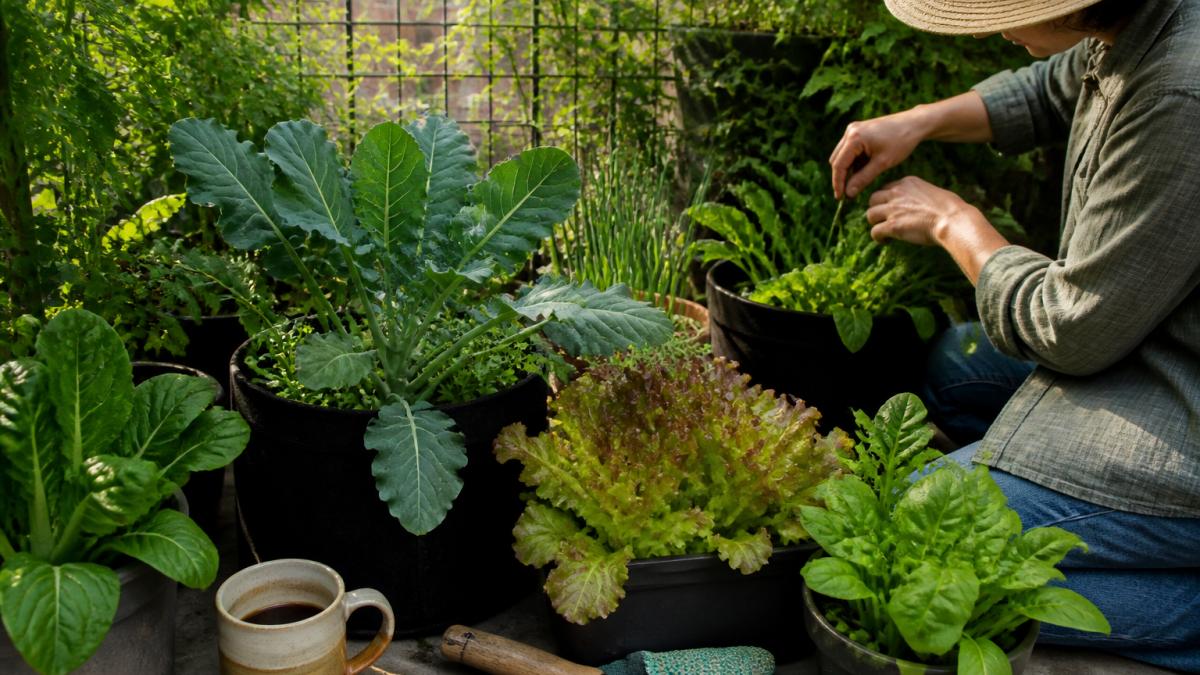
Broccoli raab, also called rapini, is the cool-season heirloom that grows fast and produces prolifically. Plants reach 18-24 inches tall and mature quickly in cool weather, producing deep forest-green leaves and slender stems topped with small broccoli-like florets.
The flavor is bold and slightly nutty with a pleasant bitter edge prized in Italian cuisine. Harvest young for tender leaves and tight buds. Broccoli raab thrives in raised beds, containers, and small urban gardens. It's fast to maturity and highly productive, making it a must-grow specialty green for fall planting.
Plant broccoli raab in late summer for fall harvest, or in early spring for spring harvest. The variety appreciates cool nights and moderate temperatures, conditions you get in September through November in most of the South.
Seasonal Planting and Temperature Requirements
Timing is everything in Southern gardening. The South doesn't have a single growing season; we have two: a brutal summer and a forgiving fall-through-spring window.
Spring Planting (February-April): Start warm-season heirlooms like tomatoes, peppers, and okra indoors 6-8 weeks before your last spring frost. Transplant outdoors after all frost danger has passed and soil has warmed.
Summer (June-August): This is when heat-tolerant varieties like Everglades tomato and Baby Bubba okra show their worth. Many traditional crops struggle. Focus on succession planting cool-season crops in late July and August for fall harvest.

Fall Planting (August-September): Start broccoli raab and other cool-season greens in late summer for fall and early winter harvest. These crops germinate and grow beautifully in cooling temperatures.
Winter (December-February): Most of the South can grow cool-season crops through winter. Broccoli raab tolerates light frosts.
| Season | Best Heirloom Varieties | Planting Window | Temperature Range |
|---|---|---|---|
| Spring | Heritage Cottage Orange, Cherokee Purple, Datil Pepper | Late Feb-April | 60-75°F soil |
| Summer | Everglades Tomato, Baby Bubba Okra | May-June | 70°F+ soil |
| Fall | Broccoli Raab, cool-season greens | Aug-Sept | 50-70°F soil |
| Winter | Cold-tolerant varieties | Sept-Oct | 40-60°F soil |
Seed Selection and Growing Tips from Mississippi State Extension
The difference between a mediocre harvest and an exceptional one often comes down to seed quality and starting conditions. Mississippi State University Extension recommendations for home vegetable gardening emphasize starting with proven varieties suited to your specific region, which is exactly what we focus on at Heritage Cottage Seeds.
Here's what we've learned from years of growing heirlooms in Southern conditions:
Start with quality seed. Seed quality matters more than most gardeners realize. Old seed, improperly stored seed, or seed from unreliable sources germinates poorly and produces weak plants. When you buy from Heritage Cottage Seeds, you're getting seed we've tested and saved ourselves, not seed that's been sitting in a warehouse for years.
Harden off seedlings before transplanting. Southern sun is intense. Seedlings started indoors need gradual exposure to outdoor light and wind, or they'll sunburn and wilt. Start with 1-2 hours in shade, then gradually increase exposure over 7-10 days.
Water deeply but less frequently. Southern heat and humidity create a perfect storm for fungal disease if foliage stays wet. Water at the soil level, early in the morning, and let the plant dry during the day.
Save seeds from your best plants. This is the heirloom advantage. At the end of the season, mark your best-producing, best-tasting plants.
Growing heirloom vegetable varieties for southern climates is about working with your region instead of against it. The varieties we carry at Heritage Cottage Seeds have been chosen because they thrive in Southern heat, humidity, and the unique challenges our gardens face.
Frequently Asked Questions
Which heirloom vegetables grow well in hot, humid climates?
Everglades tomatoes, Baby Bubba okra, and Datil peppers are heirloom varieties bred for heat and humidity. Everglades cherry tomatoes deliver extreme heat tolerance and disease resistance, while okra and peppers thrive when temperatures stay warm. These varieties produce reliably all summer when others wilt. Start seeds indoors 6-8 weeks before your last spring frost for best results.
Can you grow heirloom vegetables in containers?
Yes. Many heirloom vegetable varieties perform beautifully in containers, especially determinate tomatoes and compact growers. Heritage Cottage Orange reaches 3-4 feet and produces medium slicers perfect for pots. Baby Bubba okra stays compact at 3-4 feet. Use containers at least 5 gallons for tomatoes and peppers, and 3-5 gallons for okra. Containers dry faster in Southern heat, so water consistently and mulch the soil surface.
What are the best heirloom vegetables for a fall garden?
Cool-season heirloom varieties like Broccoli Raab thrive in fall. This Italian green matures quickly in cool weather and produces tender leaves and florets. Plant in late summer (8-10 weeks before your first fall frost) for October and November harvests. Fall gardens often have fewer pest pressures and more reliable moisture, making them ideal for trying new heirloom varieties. Mississippi State Extension recommends succession planting every 2-3 weeks for continuous harvests.
How do I know if heirloom seeds will germinate well?
Heirloom seeds from reputable sources like Heritage Cottage Seeds are tested and proven performers. Start seeds indoors under grow lights or on a sunny windowsill. Keep soil consistently moist (not waterlogged) and maintain temperatures between 70-80°F for most varieties. Tomato and pepper seeds germinate in 7-14 days. If germination is poor, the issue is usually watering or temperature, not the seed itself.
Are heirloom tomato varieties suitable for seed saving?
Yes. Open-pollinated heirloom tomatoes like Heritage Cottage Orange, Cherokee Purple, and Everglades are ideal for seed saving. Let fruit fully ripen on the vine, scoop seeds into a jar with a little water, ferment for 2-3 days to remove the gel coating, rinse thoroughly, and dry completely on paper plates. Store dried seeds in a cool, dry place. Seeds remain viable for 4-6 years. This practice keeps heirloom genetics alive in your garden year after year.