 listicle
Tips for Growing Tomatoes in Small Containers
Table of Contents
- Choose the Best Tomatoes for Containers
- Pick the Right Tomato Container Size
- Prepare Quality Potting Mix and Soil
- Master Watering Tomatoes in Containers
- Feed Your Container Tomatoes with Container Tomato Fertilizer
- Provide Full Sun and Proper Placement
- Common Mistakes to Avoid
- Frequently Asked Questions
Last Updated: October 12, 2026
Growing tomatoes in small containers doesn't have to feel like you're fighting against the odds. With the right varieties and a solid plan, you can harvest plenty of flavorful tomatoes from a balcony, patio, or windowsill. This guide from Heritage Cottage Seeds covers everything you need to know about growing tomatoes in small containers, from picking the right plants to troubleshooting common problems along the way.
The good news? Container gardening is actually more forgiving than many people think. You control the soil, the water, and the nutrients, which means fewer surprises than planting in the ground. The trick is choosing compact varieties that thrive in tight spaces and understanding how container size changes the game.
Let's dig into what actually works.
Choose the Best Tomatoes for Containers
Not all tomato plants are created equal when you're working with limited space. The difference between a sprawling indeterminate variety and a compact micro-dwarf comes down to plant genetics, and that difference determines whether you're harvesting tomatoes or wrestling with vines all season.
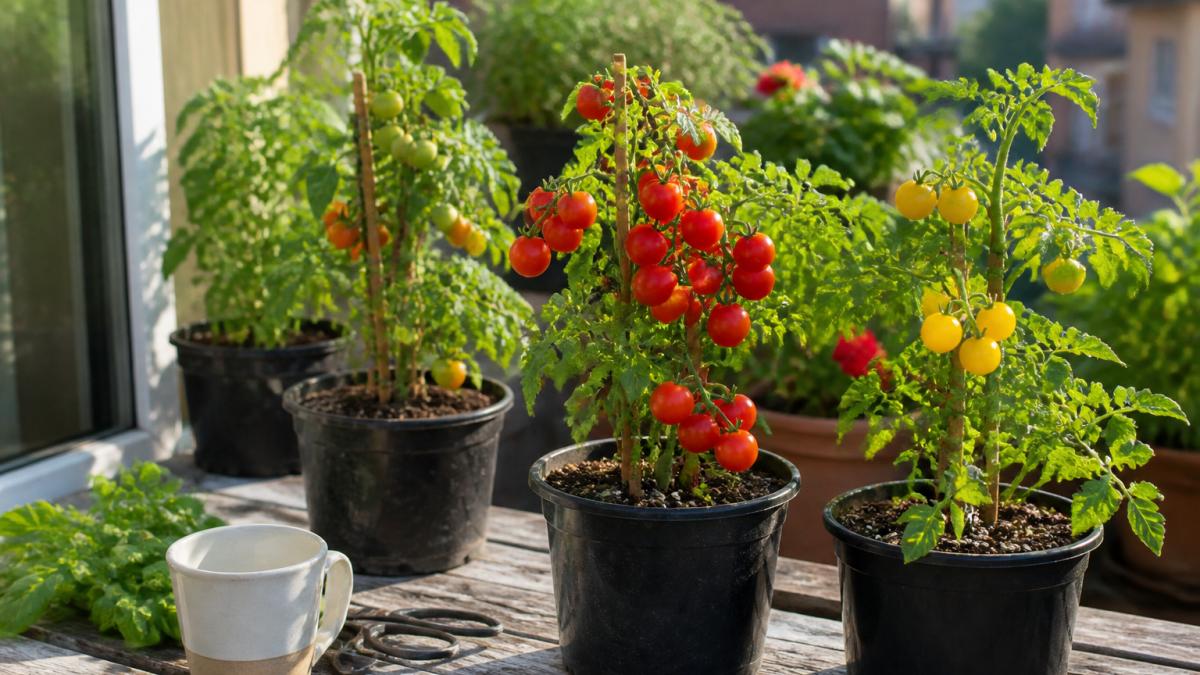
Determinate vs. Indeterminate Varieties
Determinate varieties grow to a fixed size and stop. They're naturally compact, perfect for containers, and they ripen most of their fruit at once. Indeterminate varieties keep growing and producing all season, they can reach 6 feet tall or more, which makes them impractical for small pots unless you're willing to prune aggressively.
For container growing, determinate is your friend. These plants stay manageable, require minimal staking, and deliver predictable harvests. If you've got a 5-gallon pot and limited space, a determinate variety won't overwhelm your setup.
Indeterminate varieties work in containers only if you're committed to pruning and have at least a 10-gallon pot. Most home gardeners working with small containers should stick with determinate or dwarf types.
Micro-Dwarf and Compact Varieties
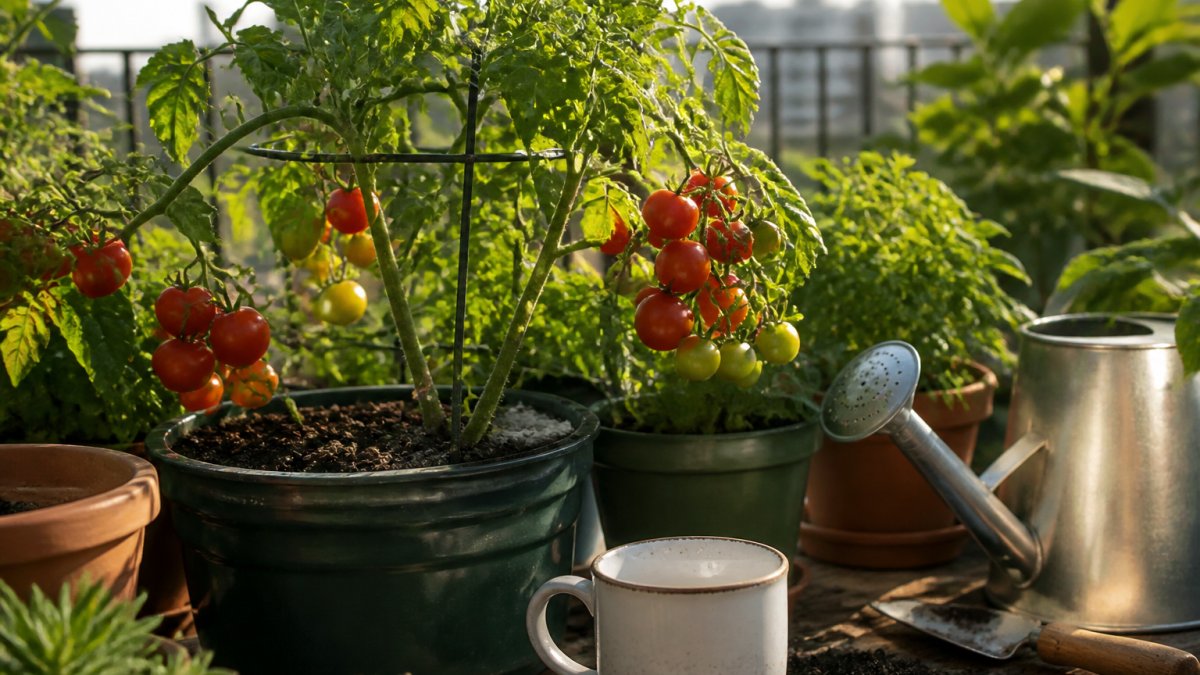
Here's where growing tomatoes in small containers gets exciting. Micro-dwarf tomatoes are bred specifically for ultra-compact growth, we're talking 6 to 14 inches tall.
Heritage Cottage Seeds offers several proven micro-dwarf varieties that excel in small spaces. Mississippi State University Extension gardening guides recommend compact determinate varieties for container gardeners in the Southeast, emphasizing how these plants adapt well to heat and humidity.
Red Robin stays 8-12 inches tall and produces clusters of bright red cherry tomatoes with sweet, well-balanced flavor. It's reliable, productive, and forgiving for beginners.
Hardin's Miniature grows just 6-10 inches tall yet delivers abundant bright red, cherry-sized tomatoes with classic sweet-tart taste. Perfect for windowsills or tiny patios.
Orange Hat reaches 8-12 inches and produces vibrant orange tomatoes with a mild, low-acid flavor. It matures early and requires minimal staking.

Tiny Tim is another classic that hits 8-12 inches tall and produces heavy clusters of bright red cherry tomatoes.
For color variety, Aztec grows 8-12 inches tall and produces golden-yellow cherry tomatoes about 1 inch in diameter, sweet, juicy, and perfect for garnishes.
Pick the Right Tomato Container Size
Container size matters more than most gardeners realize. Too small and your plant runs out of root space, which leads to water stress and poor yields. Too large and you're wasting space and soil. The sweet spot depends on which variety you're growing. Balancing these container dimensions effectively creates the necessary room to arrange small patio spaces for maximum productivity.
Volume and Depth Requirements
A tomato plant needs room for roots to spread and absorb water and nutrients consistently. For micro-dwarf varieties, a 5-gallon pot is the practical minimum, that's roughly 10 inches in diameter and 10-12 inches deep.
For slightly larger compact varieties, a 7-10 gallon pot (12-14 inches diameter) provides comfortable growing conditions and makes watering less finicky.
The depth matters as much as the width. Tomato roots grow downward, so a pot that's deep (10+ inches) works better than a wide, shallow one. EarthBoxes and similar rectangular containers work well because they offer good depth and volume.
Here's the practical rule: if your tomato plant is going to reach 12 inches tall, give it a pot that's at least 10 inches deep. Shallow containers dry out too quickly and don't provide enough root space.
Drainage Holes Are Non-Negotiable
Drainage holes aren't optional, they're essential. Without them, water sits at the bottom of the pot and roots rot, regardless of how carefully you water.
Every container you use should have at least one drainage hole, ideally more. If you love the look of a pot without drainage, use it as a decorative outer pot and plant in a draining pot inside it.
Prepare Quality Potting Mix and Soil
Soil quality makes or breaks container gardening. Garden soil from your yard is too dense for pots, it compacts, restricts drainage, and doesn't hold the right balance of moisture and air. Potting mix is specifically formulated for containers.
A good potting mix contains peat moss or coconut coir, perlite or vermiculite for drainage, and compost for nutrients. It's lighter than garden soil, drains well, and holds moisture without waterlogging.
Fill your pot with quality potting mix, leaving about an inch of space at the top for watering.
Many gardeners add a handful of compost to the potting mix for extra nutrients. This gives seedlings a nutrient boost in their early weeks. As the season progresses, you'll feed with fertilizer anyway.
Master Watering Tomatoes in Containers
Watering is where most container tomato growers stumble. Get it right and your plants thrive. Get it wrong and you're either drowning roots or stressing plants with inconsistent moisture.
Consistent Moisture Without Waterlogging
Tomatoes need consistent moisture, not wet, not dry, but evenly moist. In containers, this means checking soil daily once plants are established and producing fruit.
Stick your finger into the soil about an inch deep. If it feels dry, water. If it feels moist, wait. This simple test beats any watering schedule because weather, pot size, and soil type all affect how fast containers dry.
Water at the base of the plant, not the leaves. Wet foliage encourages fungal diseases and wastes water. Water slowly and thoroughly until it drains from the bottom holes, this ensures the entire root ball gets moisture.
Early morning watering is ideal. It gives plants water for the day and allows foliage to dry quickly if splashed.
Adjusting for Heat and Container Material
Container material affects how fast soil dries. Terra cotta breathes and dries quickly, great for preventing waterlogging, but you'll water more often. Plastic retains moisture longer, which means less frequent watering but higher risk of overwatering. Fabric pots offer a middle ground.
In heat, containers dry faster. If temperatures climb above 85°F, you might water daily. In cooler weather or shade, every other day might be enough.
Wind also matters. A breezy balcony dries pots faster than a sheltered patio. Pay attention to your specific microclimate and adjust watering accordingly.
Feed Your Container Tomatoes with Container Tomato Fertilizer
Container soil doesn't have the nutrient reserves of garden beds. Frequent watering leaches nutrients from the potting mix, so you need to feed regularly.
Start fertilizing about three weeks after transplanting seedlings into containers. Use a balanced fertilizer (like 10-10-10) or a tomato-specific formula that's higher in phosphorus and potassium. These nutrients support flowering and fruit production.
Feed every two weeks during the growing season. Follow the package directions, more fertilizer isn't better and can burn roots or create excessive foliage at the expense of fruit.
Many gardeners switch to a higher-potassium fertilizer once flowering begins. This pushes the plant to focus on fruit rather than leafy growth. Tomato-specific fertilizers are formulated for this shift.
| Fertilizer Type | When to Start | Frequency | Best For |
|---|---|---|---|
| Balanced (10-10-10) | 3 weeks after transplant | Every 2 weeks | General growth and establishment |
| Tomato formula | At first flowers | Every 2 weeks | Fruit production and flavor |
| Liquid concentrate | Anytime during season | Every 2 weeks | Quick nutrient availability |
Provide Full Sun and Proper Placement
Tomatoes are sun worshippers. They need at least 6-8 hours of direct sunlight daily to produce fruit and develop flavor. Less sun means fewer tomatoes and less sweet taste.
Sunlight Requirements for Container-Grown Tomatoes
Full sun (6+ hours daily) is the standard. If you can give 8-10 hours, even better. South-facing patios and balconies typically offer the best sun exposure.
Afternoon shade in extremely hot climates (above 95°F regularly) can actually help. Some shade prevents fruit from sunscalding, a pale, papery patch that appears when fruit gets too hot. But don't sacrifice overall sun hours for afternoon shade unless heat is truly extreme.
If your space gets only 4-5 hours of sun, grow tomatoes anyway but expect smaller yields and less flavorful fruit. Choose the most compact varieties and be patient.
Windowsills, Balconies, and Patios
Windowsills work for micro-dwarf tomatoes if the window faces south or west and gets strong light. A sunny kitchen window can produce ripe tomatoes, though growth is slower than outdoor plants.
Balconies offer excellent sun and airflow, which reduces fungal disease risk. Wind can dry containers faster, so monitor watering closely.
Patios are ideal, usually plenty of sun, good drainage for water overflow, and protection from extreme wind. If your patio is shaded by trees or buildings, move containers to sunnier spots as the season progresses and the sun's angle changes.
Common Mistakes to Avoid
Most container tomato problems stem from a handful of preventable mistakes.
Choosing the wrong variety. Planting a sprawling indeterminate tomato in a 5-gallon pot guarantees frustration.
Containers too small. A 3-gallon pot might work for a few weeks, but tomatoes need space as they grow.
Poor drainage. No drainage holes mean waterlogged roots and root rot. Non-negotiable.
Inconsistent watering. Daily checking prevents most water-related problems. Erratic watering stresses plants and causes blossom-end rot.
Skipping fertilizer. Container soil depletes quickly. Feed regularly or yields drop.
Too much shade. Tomatoes won't produce well without adequate sun.
Overcrowding. Planting multiple tomatoes in one small pot creates competition for water and nutrients.
Ignoring disease. Watch for yellowing leaves or spots. Remove affected leaves promptly to prevent spread. Good airflow helps prevent fungal issues.
Growing tomatoes in small containers is entirely doable when you match the variety to your space, provide consistent water and nutrients, and give plants enough sun. Start with a proven micro-dwarf variety from Heritage Cottage Seeds, varieties like Red Robin, Hardin's Miniature, or Orange Hat are bred for exactly this purpose and deliver reliable harvests from tiny footprints.

The best part?
Frequently Asked Questions
What size container is best for growing tomatoes?
Container size depends on the tomato variety. Micro-dwarf varieties like Hardin's Miniature thrive in 5-gallon pots or even smaller containers, while compact determinate types do well in 10-gallon containers. The key is ensuring adequate root space and drainage holes. A good rule of thumb is the larger the container, the more consistent moisture and nutrients your tomato plants retain throughout the growing season.
Which tomato varieties grow best in containers?
Determinate and micro-dwarf varieties excel in containers because they stay compact and bushy. Heritage Cottage Seeds offers several excellent options: Red Robin, Tiny Tim, and Hardin's Miniature are all bred specifically for small spaces. These reach 6-12 inches tall and produce abundant cherry tomatoes. For color variety, try Orange Hat or Aztec. Each variety is proven to deliver reliable yields even in limited space.
How often should you water tomatoes in containers?
Water container-grown tomatoes when the top inch of soil feels dry to the touch, typically every 1-2 days depending on heat and container material. In hot weather or with clay pots, you may water daily. The goal is consistent moisture without waterlogging. Check soil moisture before watering to avoid overwatering, which causes root rot. Containers dry out faster than in-ground gardens, so monitor them regularly during the growing season.
Do tomatoes in containers need fertilizer?
Yes, container tomatoes need regular feeding because frequent watering leaches nutrients from potting mix. Start with a balanced, slow-release fertilizer mixed into your potting soil at planting time. Once plants begin flowering, switch to a fertilizer higher in phosphorus and potassium to support fruit production. Feed every 2-3 weeks throughout the growing season. Mississippi State University Extension recommends consistent nutrient management for container vegetables to ensure healthy growth and good yields.