 how-to
Easy Flower Seeds for Toddlers to Plant
Table of Contents
- Why Easy Flower Seeds Are Perfect for Toddlers
- Easy Flowers for Kids to Grow From Seed
- Fast-Growing Flowers From Seed for Kids
- How to Plant Seeds With Toddlers
- Flowers to Grow in Pots With Kids
- Keeping Toddlers Engaged While Seeds Grow
- Common Mistakes to Avoid
- Frequently Asked Questions
Last Updated: October 19, 2026
Why Easy Flower Seeds Are Perfect for Toddlers
Growing easy flower seeds for toddlers to plant is one of the best ways to get them excited about gardening. Kids love watching seeds transform into colorful blooms. It's hands-on, it's rewarding, and it doesn't require a lot of space or fancy equipment.
The magic happens fast. Most easy flower seeds sprout within 7-14 days. That means your toddler won't lose interest waiting around. They'll see real progress in just a couple of weeks, which keeps their enthusiasm high and builds confidence.
Growing flowers together creates something special. Toddlers get dirty, learn patience, and end up with something beautiful they grew themselves. It's not just gardening, it's a memory you're building together.
Easy Flowers for Kids to Grow From Seed
When you're picking flower seeds for toddlers, size matters. Large seeds are easier for small hands to handle. Quick germination keeps kids engaged. And foolproof growth means you won't end up with a wilted disappointment that crushes their gardening dreams.
Zinnias: Colorful and Rewarding
Zinnias are the gold standard for toddler gardening. These flowers are nearly impossible to kill. They grow fast, bloom continuously, and come in colors that make kids genuinely excited, hot pink, bright orange, deep purple, sunny yellow.
The seeds are large enough for little fingers to manage. They sprout in about 7-10 days. Plants start blooming in 4-6 weeks, which is perfect timing for a toddler's attention span. Pick zinnias and you're picking reliability.
Our Gary's Favorite Zinnia Mix delivers nonstop color all summer long. The mix includes single, semi-double, and double flowers in a vibrant range of reds, pinks, oranges, yellows, and purples. Each package contains 50-60 seeds, giving you plenty to work with.

If you're working with limited space, our Gary's Small Zinnia Mix stays compact at 18-24 inches tall. Same colors, same reliability, just more suited to containers and small garden spots. Still 50-60 seeds per package, still heat-tolerant, still blooming nonstop.

For something extra special, try our Peppermint Candy Zinnia. These flowers feature bold red, pink, or carmine streaks on creamy white or yellow petals. Each bloom looks unique, like hand-painted candy. Kids are mesmerized by the pattern variation. Plants reach 24-36 inches and produce large 3-4 inch double blooms.

Marigolds and Calendula
Marigolds are another toddler favorite. These flowers are tough, cheerful, and nearly foolproof. Seeds are medium-sized and easy for little hands to plant. They germinate quickly, usually within 5-10 days, and bloom reliably all season.
Calendula (also called pot marigold) is similar but slightly more delicate looking. The flowers are smaller and more refined than true marigolds, but just as easy to grow. Both flowers attract pollinators, which teaches toddlers about how gardens work in the real world.
The best part: both marigolds and calendula self-seed readily. That means if you let some flowers go to seed at the end of summer, you'll get volunteer plants the next year. Your toddler can learn that gardening isn't just about one season, it's a cycle.
Sunflowers and Other Child-Friendly Blooms
Sunflowers capture something magical for kids. These big, bold flowers feel like a genuine accomplishment. Seeds are large and satisfying to handle. They germinate in 7-10 days and grow visibly each week.
Dwarf sunflower varieties stay manageable for container growing. Taller varieties become a summer project, watching them reach toward the sky keeps toddlers engaged week after week.
Other reliable options include:
- Black-eyed Susans: Cheerful yellow flowers with dark centers. Bloom in 6-8 weeks. Moderate seed size.
- Poppies: Delicate-looking but surprisingly hardy. Seeds are tiny, so better for older toddlers with fine motor control.
- Purple coneflowers: Distinctive pink-purple petals with spiky orange centers. Bloom in 8-10 weeks. Medium seed size.
Mississippi State University Extension recommends starting with flowers that tolerate heat and humidity, especially if you're gardening in the Southeast. That's why zinnias and marigolds rank at the top of the list, they thrive in warm conditions that would stress more delicate flowers.
Fast-Growing Flowers From Seed for Kids
Toddler attention spans are real. You need flowers that move fast. Fast-growing flowers from seed for kids means picking varieties that show progress week by week.
Most easy flower seeds for toddlers to plant germinate within 7-14 days. That's the critical window. If seeds take three weeks to sprout, your toddler has moved on to something else.
After germination, look for flowers that bloom quickly. Zinnias, marigolds, and sunflowers all flower within 4-8 weeks of sprouting. That's fast enough to feel like magic but slow enough that kids learn patience.
Some flowers take longer, 8-12 weeks to bloom. Those are better for older kids or for planting early in spring when there's more time to wait. For toddlers, stick with the quick bloomers.
How to Plant Seeds With Toddlers
Getting toddlers involved in planting is the whole point. This isn't about perfect technique, it's about engagement, dirt under fingernails, and learning by doing.
What You'll Need Before You Start
Gather everything before you sit down to plant. Toddlers lose focus fast if you're running around looking for supplies.
You'll need:
- Large flower seeds (zinnias, marigolds, sunflowers)
- Small pots or starter cups (3-4 inches wide)
- Potting soil or seed-starting mix
- Water in a small watering can or spray bottle
- A tray or newspaper to catch spilled soil
- Labels and a marker (optional, but helpful)
- Gloves (optional, most toddlers prefer bare hands)
The pots should be small enough for little hands to manage. Plastic cups work perfectly. Drainage holes are important, poke them in the bottom with a nail if needed.
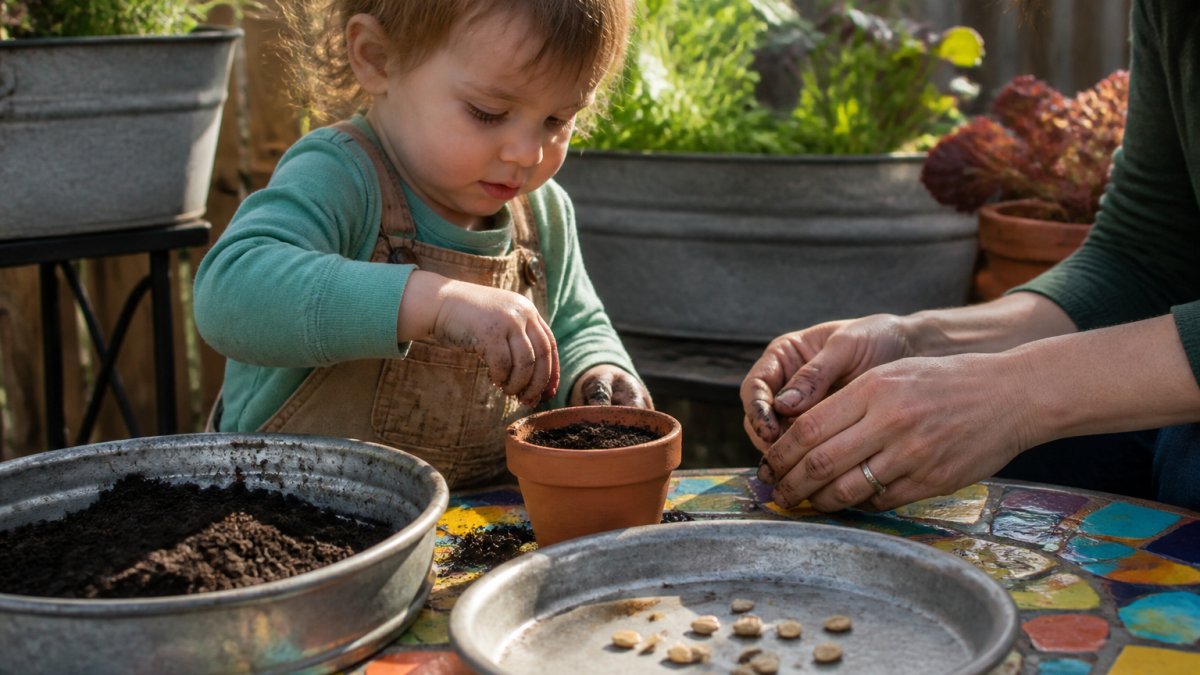
Step-by-Step Planting Process
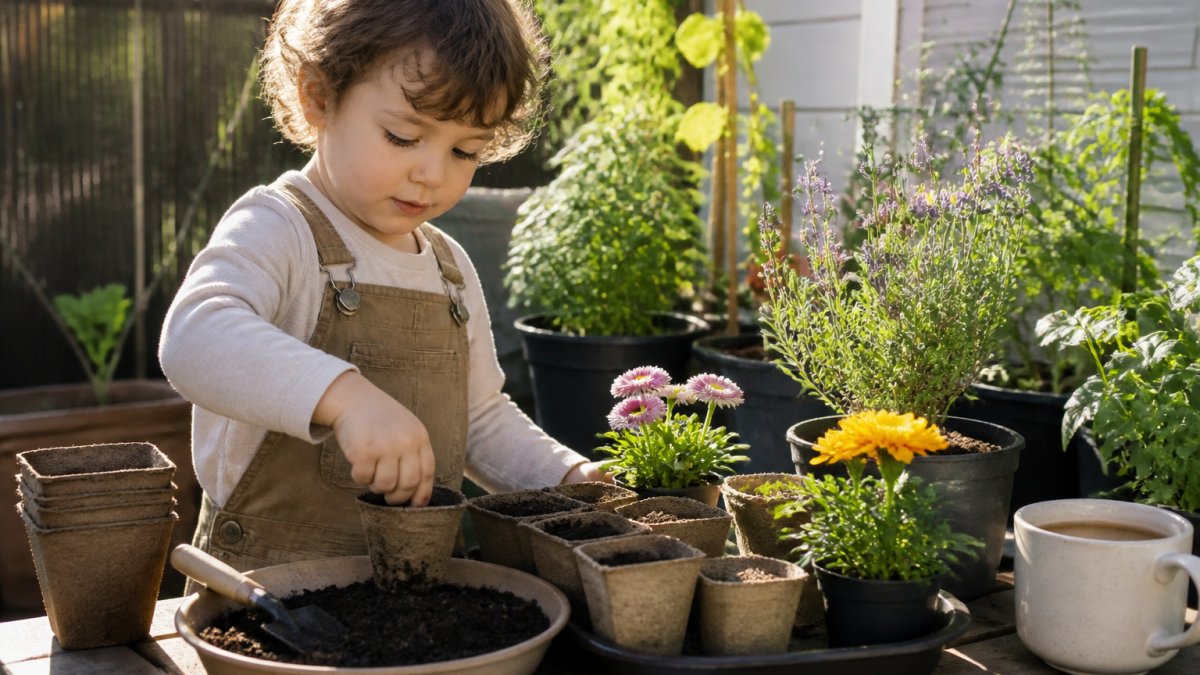
Step 1: Fill the pots with soil Let your toddler scoop potting soil into the pots. This is the messy, fun part. Soil will spill everywhere. That's fine. Fill pots about three-quarters full.
Step 2: Water the soil lightly Dampen the soil before planting. Use a spray bottle or small watering can. The soil should feel like a wrung-out sponge, moist but not soggy.
Step 3: Make a planting hole For large seeds like zinnias or sunflowers, poke a hole about half an inch deep. Your toddler can use a finger or a small stick. The hole doesn't need to be perfect.
Step 4: Drop in the seed Let your toddler place one seed in each hole. This is the moment they're most engaged. They're literally planting something.
Zinnia - Gary's Favorite Mix →
Step 5: Cover the seed gently Pinch soil over the hole. It doesn't need to be buried deep. Just covered enough that the seed makes contact with soil.
Step 6: Water gently Mist the soil again with a spray bottle. Don't soak it. Just enough moisture to settle the soil around the seed.
Step 7: Label and wait Write the flower name and planting date on a label. Stick it in the pot so you remember what you planted. Now comes the hardest part for toddlers: waiting.
Flowers to Grow in Pots With Kids
Container gardening is perfect for toddlers. Pots are portable, manageable, and require less space than in-ground gardens. You can move pots to sunny spots, bring them indoors if weather turns bad, and keep everything within reach.
Small pots work best. A 4-inch pot is ideal. It's big enough for a single flower plant but small enough for a toddler to hold and water without struggling.
Use quality potting soil, not garden soil. Potting soil drains better and stays lighter, which matters when small hands are involved.
Place pots on a sunny windowsill or in a spot that gets at least 6 hours of direct sunlight daily. Zinnias and marigolds need sun to thrive. Without enough light, plants get leggy and weak.
Water when the top of the soil feels dry. Toddlers can help with this daily task. It teaches responsibility and keeps them engaged with the plant's progress.
Container gardening also works well for growing vegetables alongside flowers.
Keeping Toddlers Engaged While Seeds Grow
The waiting period is when toddlers lose interest. You need ways to keep them connected to the project.
Check for sprouts daily. Make it a ritual. Every morning, look at the pots together. "Is anything poking through yet?" When the sprout finally emerges, celebrate it. This is the payoff moment.
Measure plant height weekly. Use a ruler or stick. Mark the height on a piece of paper. Watching growth accumulate over weeks makes progress visible and exciting.
Draw pictures of what you planted. Before planting, have your toddler draw the flower they think will grow. After it blooms, compare the drawing to the real flower. Kids love this.
Water together regularly. Give your toddler a small watering can or spray bottle. Helping care for the plant keeps them invested.
Take photos of progress. Sprout emerging. First leaves. First flower bud. First bloom. Looking back at the sequence shows just how much changed in a few weeks.
Common Mistakes to Avoid
Planting seeds too deep. Most flower seeds should be planted just barely covered, about as deep as the seed is wide. Too deep and they struggle to push through.
Using garden soil instead of potting soil. Garden soil compacts in pots and drains poorly. Potting soil stays light and drains well.
Overwatering. This is the biggest killer of seedlings. Soggy soil causes rot. Water when the top inch of soil feels dry.
Not enough sunlight. Seedlings need strong light to grow stocky and healthy. A windowsill might not be enough.
Planting too early in spring. Frost kills tender seedlings. Wait until after your last frost date to move plants outdoors. USDA Plant Hardiness Zone Map shows frost dates by region.
Picking varieties that are too fussy. Stick with proven easy growers. Zinnias, marigolds, and sunflowers forgive beginner mistakes. Delicate flowers frustrate toddlers when they don't survive.
Giving up after one failure. Not every seed germinates. Not every plant survives. That's normal. Plant extra seeds. Try again next season.
University of Georgia Extension notes that container gardening in the Southeast requires attention to heat and humidity. Morning watering prevents fungal issues. Good air circulation around pots matters.
Growing easy flower seeds with toddlers teaches more than just gardening. Start with Heritage Cottage Seeds varieties like our Gary's Favorite Zinnia Mix or Peppermint Candy Zinnia.
Frequently Asked Questions
What are the easiest flower seeds for toddlers to plant?
Zinnias are among the easiest flower seeds for toddlers. These varieties have large seeds that are simple for small hands to handle, germinate quickly, and grow reliably. Zinnias like Gary's Favorite Mix produce vibrant blooms all summer and thrive in containers.
How long does it take for easy flower seeds to sprout and bloom?
Most easy flower seeds for toddlers germinate within 7-14 days when kept consistently moist and warm. Zinnias typically flower 50-60 days after planting. Starting seeds indoors in spring gives toddlers blooms to enjoy by early summer, making the wait feel rewarding.
Can toddlers grow flowers in containers or pots?
Yes, containers are ideal for toddler gardening. Use pots at least 6 inches deep with drainage holes and fill with potting soil. Compact varieties like Gary's Small Zinnia Mix work perfectly in containers and produce flowers all season. Place pots on a sunny windowsill or outdoor patio where toddlers can water them safely. Container gardening lets toddlers move plants around and brings gardening to their level.
How often should toddlers water newly planted flower seeds?
Keep soil consistently moist but not soggy after planting. Water gently once or twice daily, depending on temperature and humidity. Once seedlings emerge, water when the top of the soil feels dry to the touch. Toddlers can help with watering using a small watering can under supervision. Overwatering causes rot, so let soil dry slightly between waterings as plants grow.