 how-to
How to Harden Off Heirloom Seedlings: A Simple Guide
Table of Contents
- Why Heirloom Seedlings Need Hardening Off
- Your Seedling Hardening Off Schedule, Day by Day
- How Long to Harden Off Seedlings Before Transplanting
- How to Harden Off Tomato Seedlings Without Sunscald
- Hardening Off Seedlings in Containers: Small-Space Tricks
- Troubleshooting Wilting, Bleaching, and Wind Damage
- Frequently Asked Questions
Last Updated: October 18, 2026
Why Heirloom Seedlings Need Hardening Off
Learning how to harden off heirloom seedlings is one of the kindest things you can do for plants you've babied since January. Hardening off is the process of slowly introducing indoor-started seedlings to outdoor sun, wind, and cool nights so they don't collapse on transplant day. We've watched too many gorgeous starts wither within hours of hitting the garden bed, and it's almost always because they skipped this step.
Your seedlings grew up soft. Indoors they had steady warmth, gentle light, and no wind. The cuticle on their leaves is thin, and their stems haven't braced against anything. Move them straight into full sun and the leaves bleach and burn. Move them into wind and stems snap.
Heirloom varieties deserve the extra care. Many are older, open-pollinated types, and you can't just run to the store for a replacement packet of that exact family seed. A little patience now protects genetics you may want to save for years.
The good news: hardening off costs you nothing but a couple of weeks of puttering on the porch with your coffee. Here's exactly how we do it.
Your Seedling Hardening Off Schedule, Day by Day
A seedling hardening off schedule is simply a gradual transition, usually stretched over 7 to 14 days. Start with a short visit to a shaded, sheltered spot and build up time and sunlight each day.
Days 1-3: Shade and Shelter
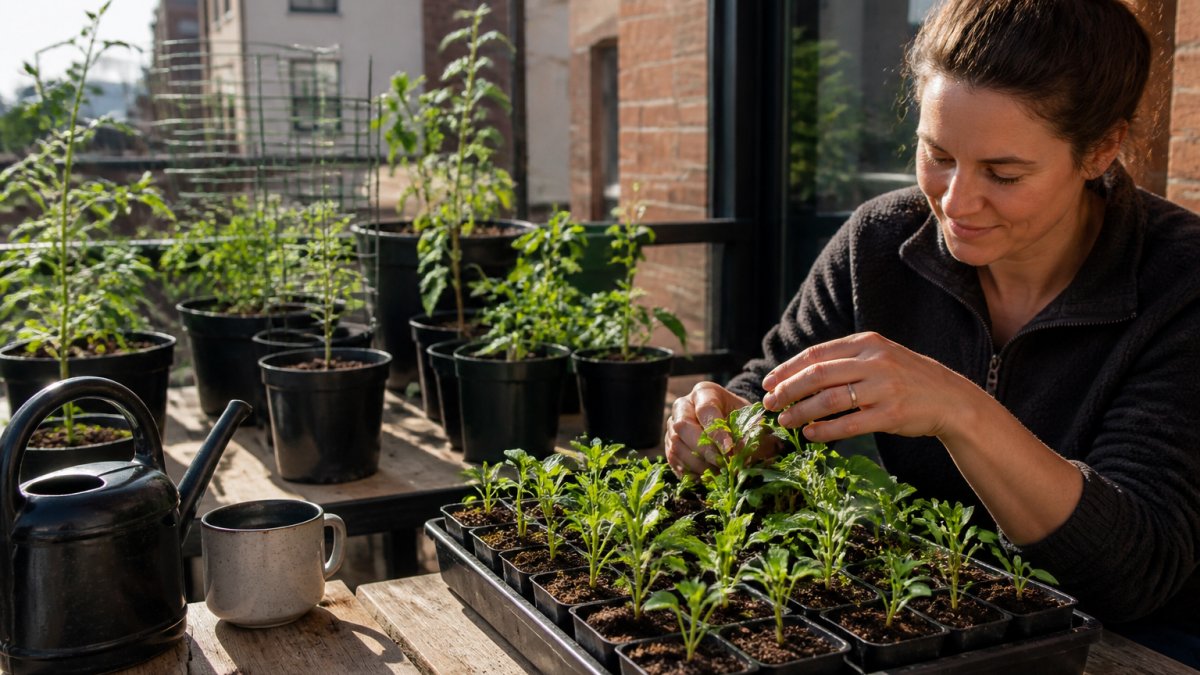
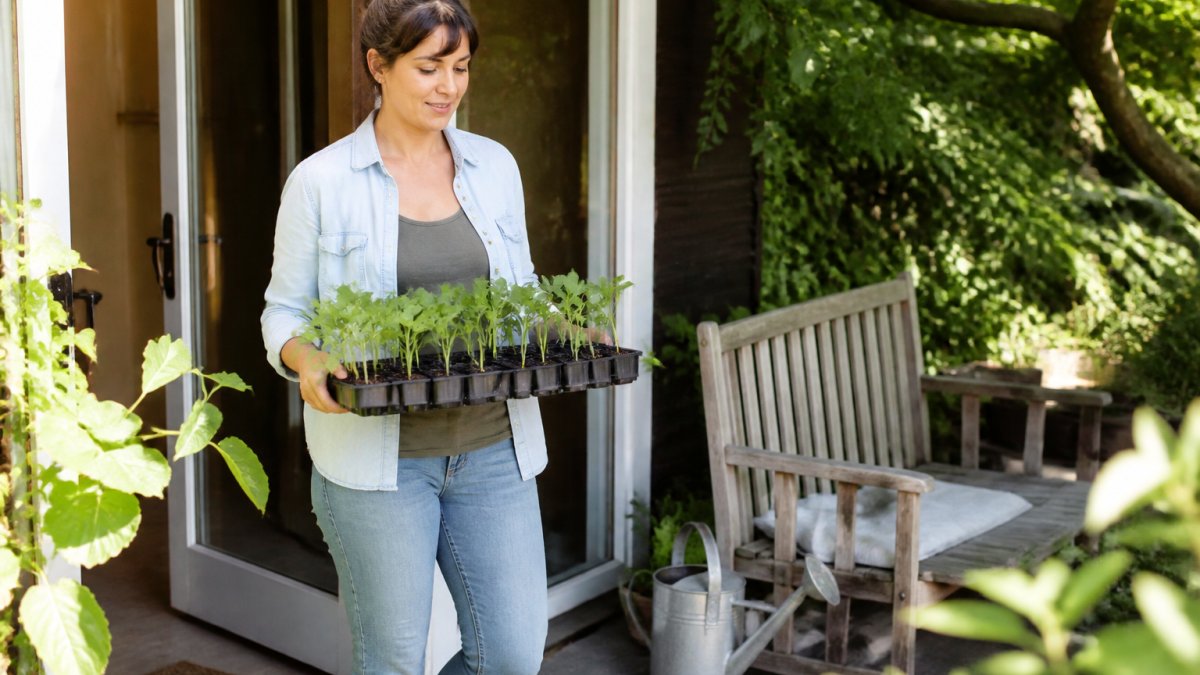
Set your trays outside in a shaded area with filtered light. A covered porch, the north side of a shed, or under a shade tree works beautifully. Leave them out for about an hour the first day, then two, then three.
Keep them out of wind. Even a gentle breeze can rough up seedlings that have never felt one, so tuck them behind a wall or a row of pots. Bring them back indoors each evening.
Days 4-7: Longer Hours and Filtered Light
Now stretch the hours outdoors to four, five, then six. Nudge the trays into brighter filtered light, like dappled sun under a tree canopy. Skip the harsh midday sun for now.
Check the soil daily. Outdoor air dries trays fast, so water when the top of the soil feels dry. Don't soak them. Damp soil plus cool nights invites trouble.
Days 8-14: Full Sun and Overnight Stays
By the second week, your seedlings can handle morning sun and then full sun for part of the day. Increase sun exposure gradually, an hour or so at a time.
Around day 10 to 12, if nights are mild, leave them out overnight. If frost threatens, haul them back in. By the end, they should be spending full days and nights outdoors.
How Long to Harden Off Seedlings Before Transplanting
How long to harden off seedlings depends on the crop and the weather, but plan on 7 to 14 days. Tender seedlings like tomatoes and peppers want the full two weeks. Tough little plants like calendula seedlings can often finish in about a week.
Here's the short version:
- Tomatoes and peppers: 10 to 14 days
- Calendula and hardy flowers: 7 to 10 days
- Cool-season greens: 7 days is usually plenty
Don't rush it to hit a planting date. A late transplant that thrives beats an early one that sulks for weeks.
How to Harden Off Tomato Seedlings Without Sunscald
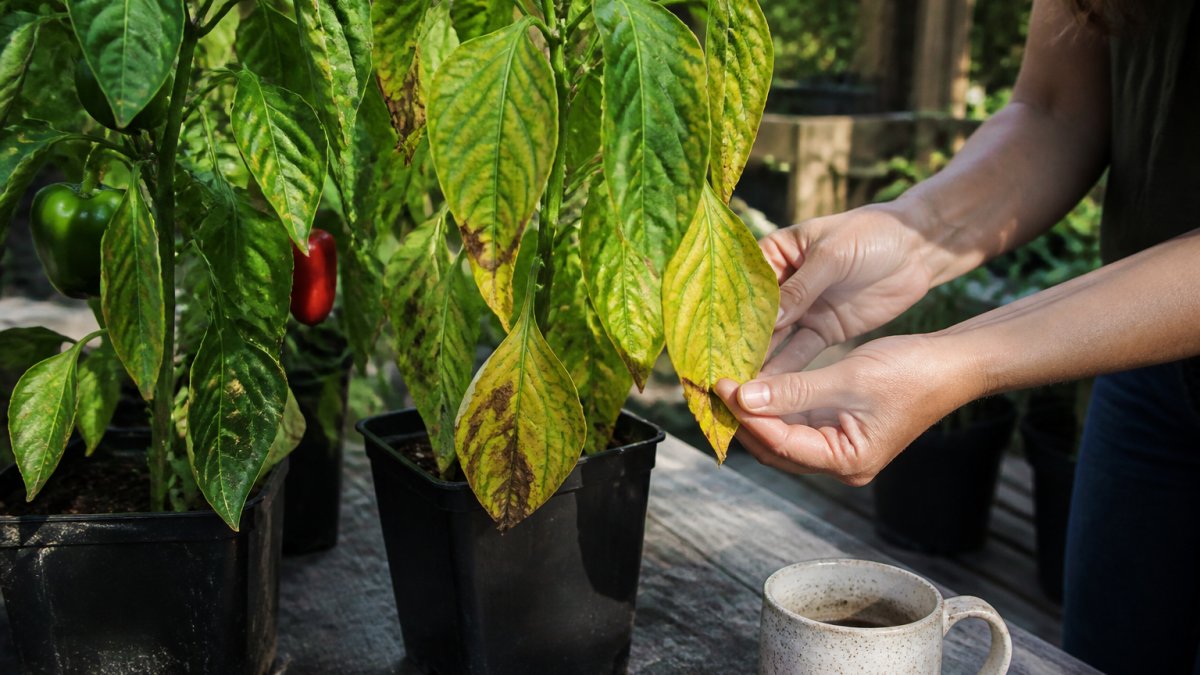
To harden off tomato seedlings without sunscald, keep them out of direct midday sun for the first several days and build sun exposure slowly. Sunscald shows up as bleached, papery patches on leaves and fruit. Once it happens, that tissue won't recover.
Tomatoes are the fussiest plants in the hardening-off lineup. Their leaves are broad and tender, and they sunburn fast. Start them in deep shade, then filtered light, then morning sun only.
We like the Heritage Cottage Orange tomato for containers and small gardens because its compact, determinate habit fits a porch or patio setup. It's also a good candidate for a cold frame, where you can open the lid by day and close it at night.

A cold frame is a bottomless box with a clear lid that traps warmth. It's the gentlest way to transition sensitive seedlings. Open the lid a little wider each day, and close it overnight until nights stay mild.
Tomato - Heritage Cottage Orange →
Watch the Weather, Not Just the Calendar
Your day-by-day schedule is a guide, not a law. Weather decides. On a cold, windy day, keep trays in. On a scorcher, shade them and wait.
Here's what we watch:
- Nighttime temperatures: hold off on overnight stays until nights stay comfortably mild for your crop
- Frost risk: any frost warning means bring everything in, no debate
- Wind: gusty days mean shelter or skip the outdoor visit
- Heat: sudden hot spells can scorch tender leaves, so shade and water well
For official frost timing in your area, check your local National Weather Service forecast office. They issue frost advisories that are far more reliable than a calendar.
Hardening Off Seedlings in Containers: Small-Space Tricks
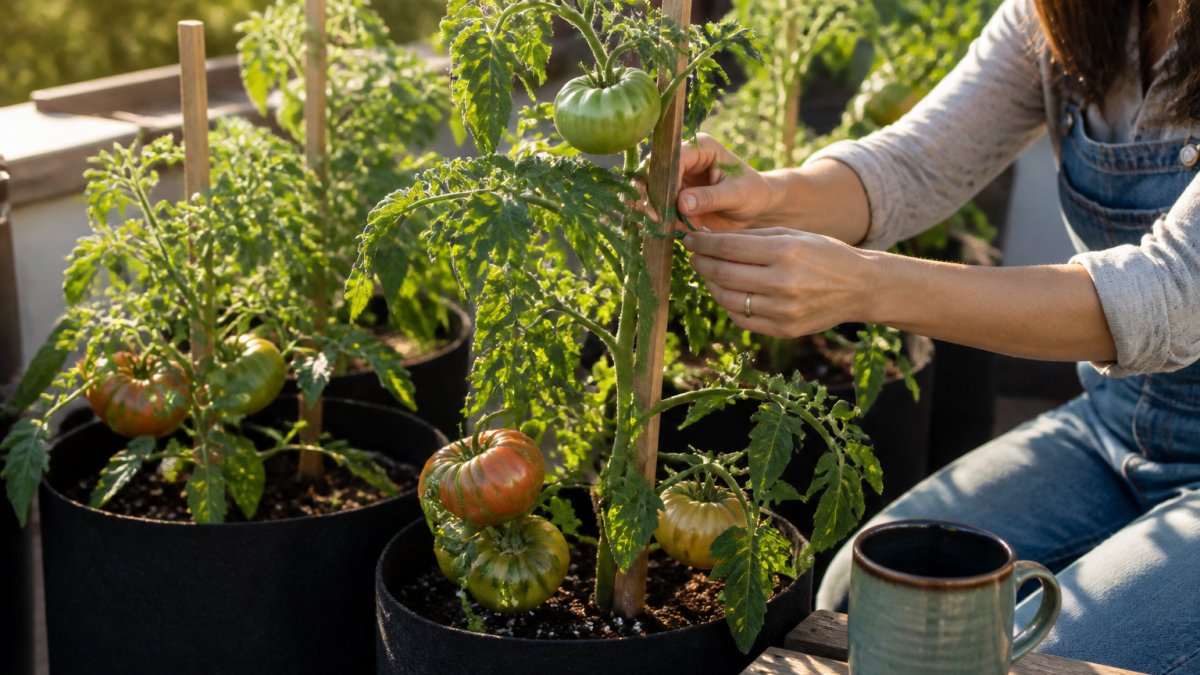
Hardening off seedlings in containers is easier than you'd think, even on a tiny balcony. Your plants are already in pots, which means you can move them, shelter them, and shuffle them indoors without disturbing roots. But containers also change the game in ways that matter: a pot dries faster than a garden bed, the root zone swings more with air temperature, and a small pot heats up and cools down quickly. Here's how we adapt the schedule for container-grown heirlooms.
Why Containers Need a Slightly Different Approach
A container holds a limited volume of soil, so it warms and dries faster than ground soil. That means your seedlings may need more frequent watering during hardening off, but also that you can't leave them sitting in a saucer of water overnight, cool nights plus soggy soil is a recipe for damping-off and root rot. The good news is that containers give you total control over placement: you can wheel them into shade, tuck them behind a wall, or bring them in without digging.
Container-Specific Adjustments
- Use a rolling plant caddy so you can wheel trays in and out instead of carrying them.
- Set up a shaded staging spot against a wall, out of wind.
- Group pots together for mutual shelter and to slow moisture loss.
- Keep a watering can handy because containers dry fast outdoors.
- Check soil moisture twice daily on warm, breezy days, containers can go from damp to bone dry in hours.
- Mulch the surface with a thin layer of straw or shredded leaves to slow evaporation once seedlings are established.
- Avoid dark pots in full sun during the transition, they heat up fast and can cook tender roots. Light-colored or fabric pots are gentler.
Heirloom Varieties That Suit Container Hardening Off
Container growing pairs beautifully with compact heirloom varieties. The Heritage Cottage Paste tomato stays bushy and manageable in a large pot, and its thick-walled fruit is made for sauces and canning. The Siberian Red heirloom is another container-friendly pick, bred for cool conditions and short seasons. For peppers, look for compact heirlooms which handle pot culture well and harden off on the same schedule as their garden-bound cousins.

For container-gardening guidance with a southeast focus, Mississippi State University Extension publishes region-tested advice that fits small-space growing well.
Troubleshooting Wilting, Bleaching, and Wind Damage
Wilting, bleaching, and wind damage are the three classic hardening-off problems, and each one has a clear fix. Catch them early and your seedlings will bounce back.
Wilting usually means they've had too much sun or too little water. Move them to shade, water gently, and they often perk up within hours. If they're still limp the next morning, they may have gotten too cold overnight.
Bleached leaves mean sunscald. Pull them back into filtered light and slow down your sun exposure. The damaged spots won't heal, but new growth will come in fine.
Wind damage shows up as bent stems and shredded leaves. Shelter them from gusts and let them recover in a calm spot. A fan indoors on low before hardening off helps stems toughen up ahead of time.
A few more things to consider:
- Don't fertilize during hardening off. Let them focus on adjusting.
- Reduce watering slightly as stems toughen, but never let pots bone dry.
- Watch for pests. Aphids find outdoor seedlings fast, so check leaf undersides.
- Don't skip the last step. If you've done 10 days, finish the job with a couple of full days and nights outdoors.
For general seedling care and troubleshooting, university extension services publish solid, region-tested guidance. We lean on Mississippi State University Extension for its southeast focus, and its container-gardening advice fits small-space growing well.
Hardening off is the slow, unglamorous step between a windowsill full of green and a garden that feeds you. It takes a couple of weeks of porch-sitting and weather-watching, and it's the difference between seedlings that thrive and seedlings that sulk.
When you're ready to pick your varieties, start with seed you can trust. Heritage Cottage Seeds offers rare, open-pollinated heirloom tomato and pepper seeds grown and saved on our own urban farm. Browse our tomato collection, pick a favorite, and give your starts the gentle transition they deserve. Search Heritage Cottage Seeds and grow something worth saving seed from.
Frequently Asked Questions
How long does it take to harden off heirloom seedlings?
Most heirloom seedlings need about 7 to 14 days of gradual outdoor exposure before transplanting. Start with 1 to 2 hours in a sheltered, shaded spot, then add time and sunlight each day. Cold-tolerant varieties like Siberian Red may finish closer to 7 days, while heat lovers like Cherokee Purple often need the full two weeks. Watch how your plants respond rather than rushing the calendar.
When should I start hardening off my tomato seedlings?
Begin about 10 to 14 days before your planned transplant date, once nighttime temperatures stay reliably above 50°F. Seedlings should have at least two sets of true leaves and be 6 to 8 inches tall. If a cold snap is coming, pause the process and bring plants back indoors. Rushing the schedule is the most common cause of sunscald and transplant shock.
Should I water seedlings before putting them outside?
Yes, water them a few hours before moving them out so the soil is moist but not soggy. Damp soil helps seedlings handle the stress of wind and sun. Check containers daily during hardening off because outdoor air dries them faster than indoor conditions. Reduce watering slightly in the final days to toughen stems, but never let plants wilt completely.
What should I do if seedlings wilt or get sunburned during hardening off?
Move them back to shade immediately and mist the leaves lightly. Bleached or white patches mean sunscald, so cut back direct sun to 30 minutes the next day and build up slowly. Wilting within an hour of being outside usually signals too much sun or wind. Most stressed seedlings recover within a few days if you return to the previous successful exposure level.