 ultimate-guide
Heirloom Vegetable Gardening Tips: 2026 Guide
Table of Contents
- Why Heirloom Vegetable Gardening Matters
- How to Save Heirloom Seeds for Next Season
- Best Heirloom Pepper Varieties for Containers
- Container Gardening Soil Requirements and Setup
- Frequently Asked Questions
Last Updated: August 25, 2026
Why Heirloom Vegetable Gardening Matters
Heirloom vegetable gardening is about growing the varieties your grandparents grew, real flavor and character you won't find at the grocery store. These open-pollinated plants have been passed down through generations, and when you save their seeds, you're preserving living history. Heirloom varieties often outperform modern hybrids in the Southeast because they've adapted to regional growing seasons, humidity, and pest pressures over decades.
How to Save Heirloom Seeds for Next Season
The magic of heirloom vegetable gardening is that you can save seeds from this year's harvest and plant them next year. Open-pollinated varieties breed true, meaning seeds you collect will grow plants identical to their parents.
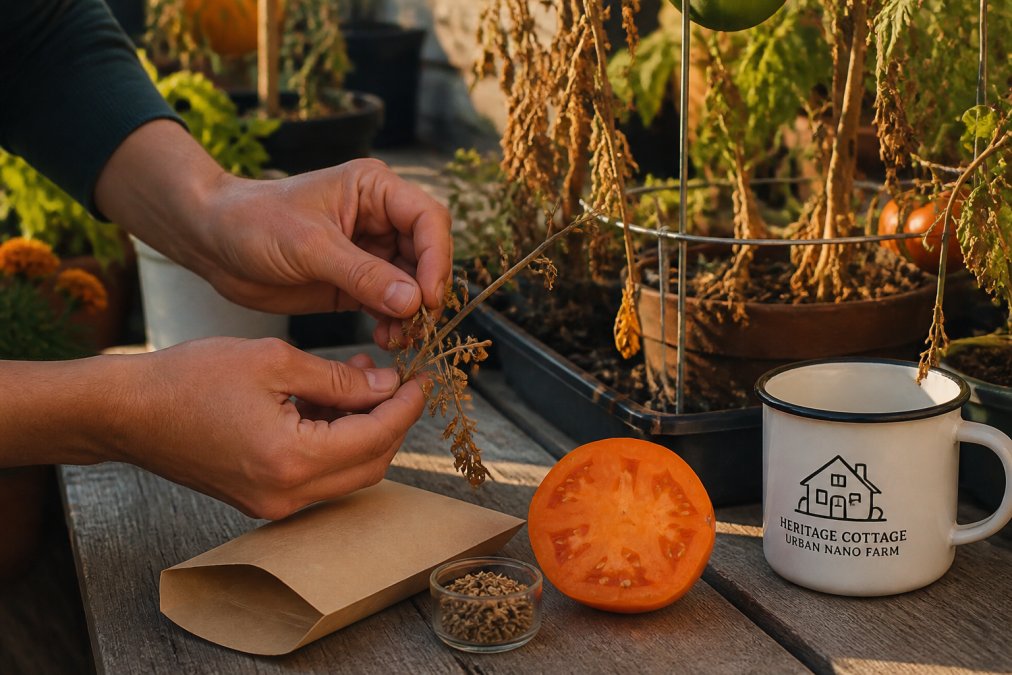
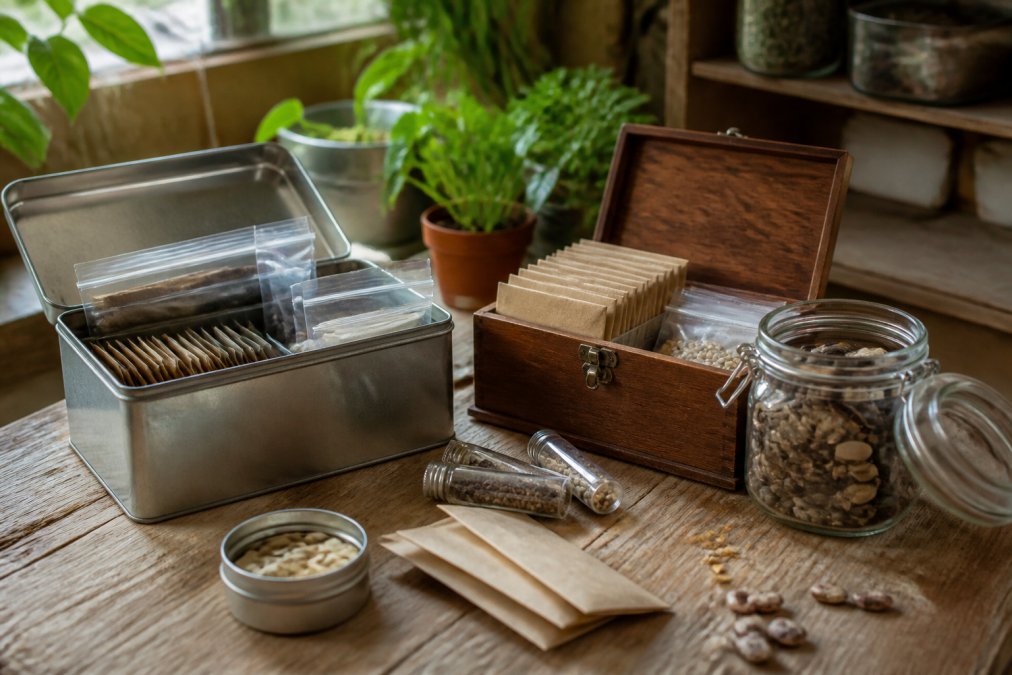
Let your best plants mature fully on the vine. For tomatoes and peppers, wait until fruit is ripe and slightly overripe. Cut open the fruit, scoop out seeds into a container, and ferment them for 2-3 days in water to break down the gel coating. Rinse thoroughly, spread on a paper plate, and dry completely in a warm, dark spot. Once dry, store in a sealed envelope in the refrigerator, labeled with variety name and harvest year.
Best Heirloom Pepper Varieties for Containers
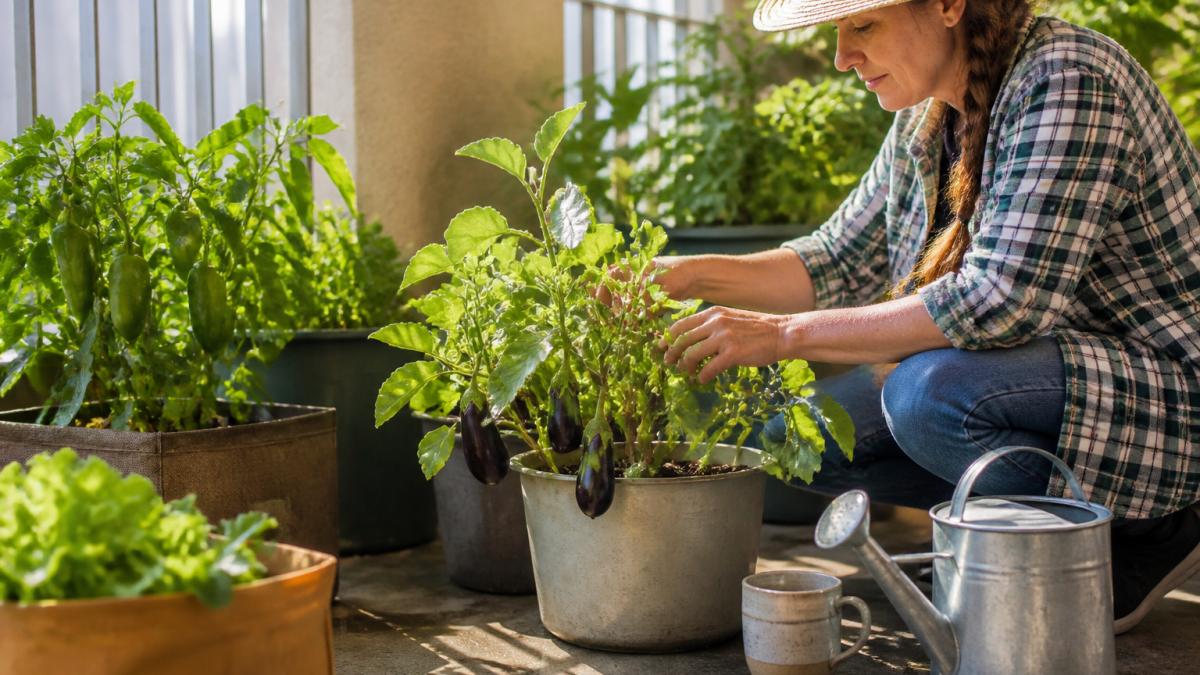
Growing heirloom peppers in containers is ideal for Southeast gardeners. You control soil, drainage, and warmth, all critical factors. Containers also let you move plants to catch the best sunlight or escape late-season humidity.
Look for determinate pepper varieties that stay 24-30 inches tall. Start seeds indoors 8-10 weeks before your last frost date, then transplant into containers once nighttime temperatures stay above 50°F (msstate.edu). Water consistently; peppers hate drought stress, which triggers flower drop. Inspect plants weekly for aphids or spider mites.
Container Gardening Soil Requirements and Setup
The foundation of successful heirloom vegetable gardening in containers is soil. Never use garden soil, it compacts and suffocates roots. Build a mix that drains well while retaining moisture and nutrients.
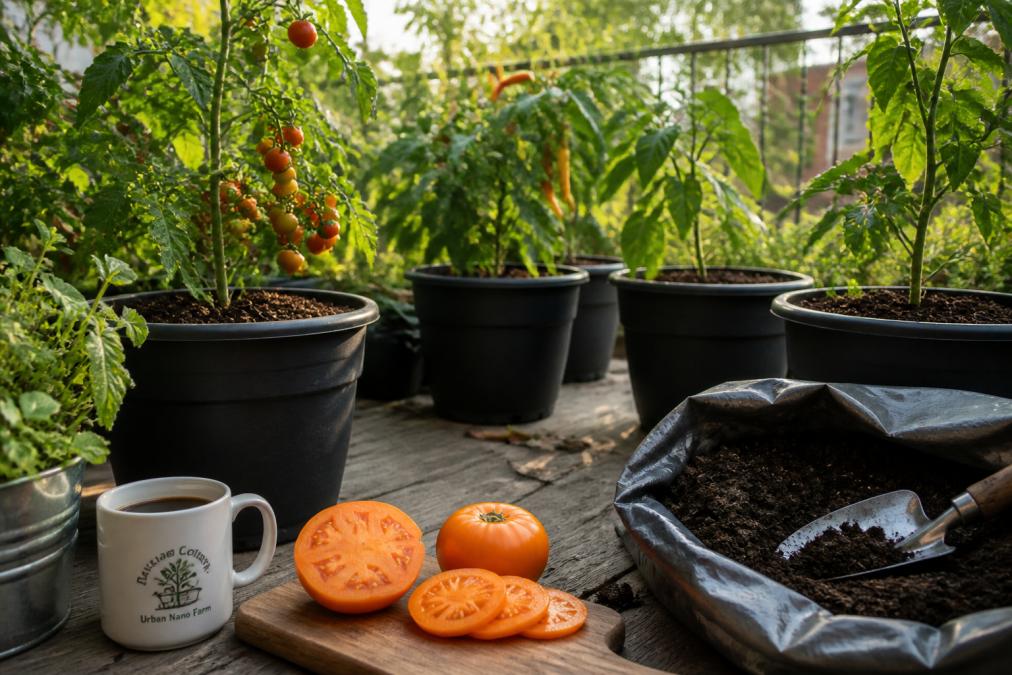
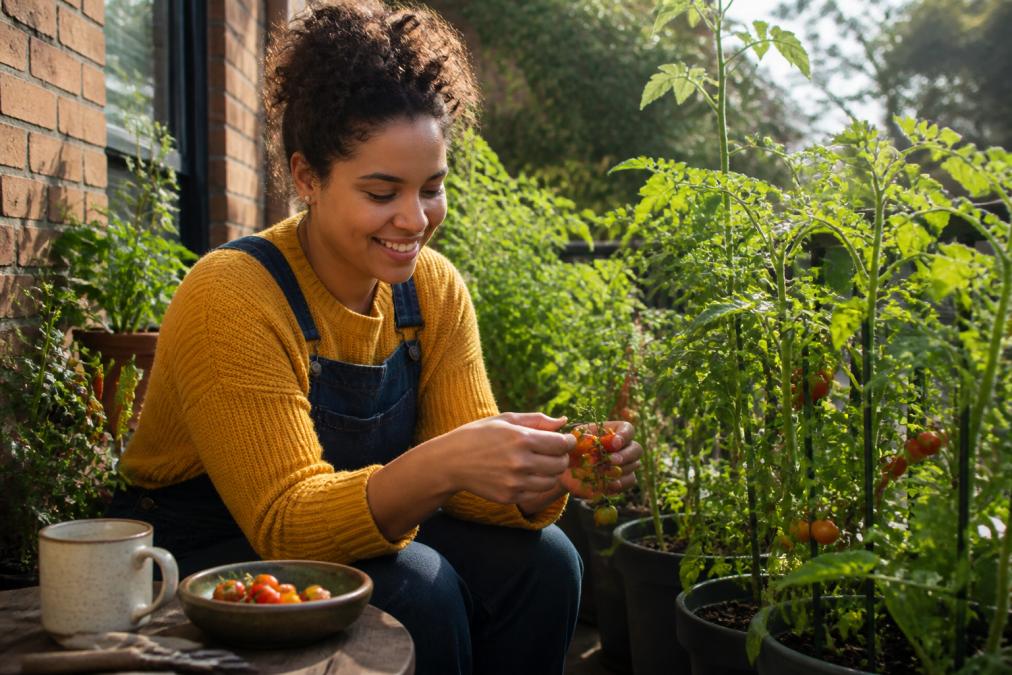
Start with compost-rich potting mix. Add 30-40% compost from well-rotted organic matter, kitchen scraps, or aged leaves. Mix in perlite or coarse sand for drainage. The ideal ratio is roughly 60% potting mix, 30% compost, and 10% perlite. Heirloom tomatoes need at least 5-gallon containers; peppers do fine in 3-5 gallons. Use containers with drainage holes and top-dress with 2 inches of mulch to retain moisture and keep soil temperatures steady.
| Container Size | Best For | Soil Volume | Watering Frequency |
|---|---|---|---|
| 3-gallon | Peppers, herbs | 3 gallons | Daily (hot weather) |
| 5-gallon | Tomatoes, eggplant | 5 gallons | Daily to every 2 days |
| 10+ gallon | Multiple plants, root crops | 10+ gallons | Every 2-3 days |
According to Mississippi State University Extension guidelines on container gardening, soil temperature in containers rises faster than in-ground beds, accelerating growth but increasing water loss. Monitor soil moisture by feeling the top inch; if it's dry, water deeply until it drains from the bottom.
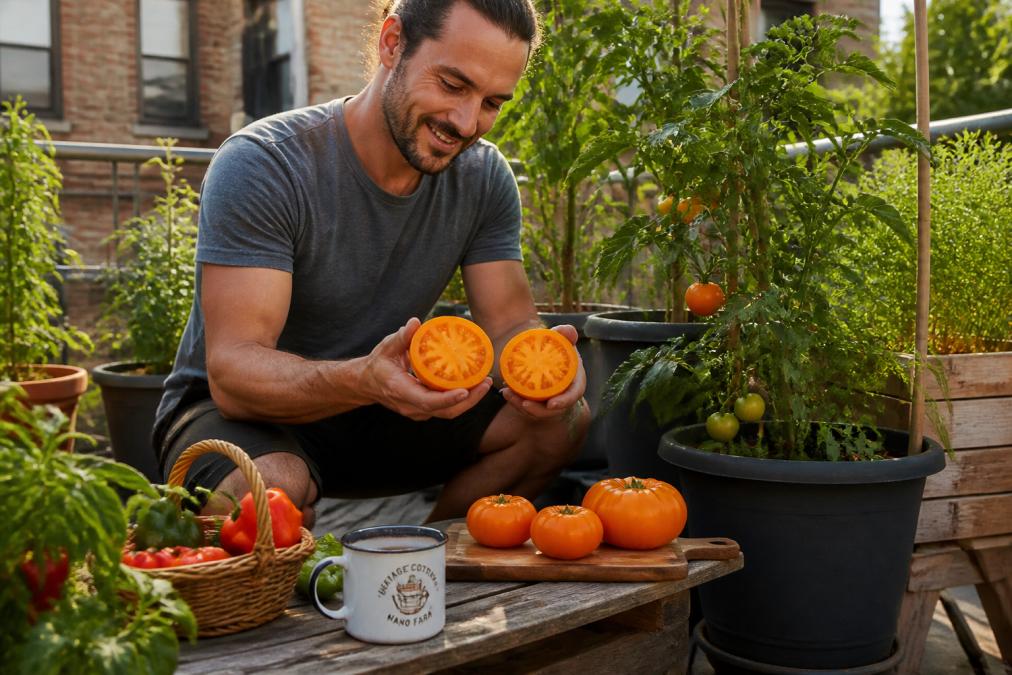
Heritage Cottage Seeds offers proven heirloom varieties that excel in containers, including our Heritage Cottage Orange Tomato and Siberian Red Heirloom Tomato. These varieties have been selected and tested specifically for reliable performance in challenging conditions.


Heirloom vegetable gardening rewards patience and attention to detail, but the payoff is produce with flavor that store-bought can never match. Start with one or two varieties, save seeds, and build from there. The Seed Savers Exchange offers extensive resources on heirloom preservation. With Heritage Cottage Seeds' curated selection of proven heirloom varieties, you'll have reliable seeds that thrive in your regional climate and return year after year.
Frequently Asked Questions
What's the difference between heirloom and hybrid vegetable seeds?
Heirloom seeds are open-pollinated varieties passed down through generations, producing plants that grow true to seed each year. You can save seeds from your harvest and replant them with the same results. Hybrid seeds are bred by crossing two specific parent plants and won't produce identical offspring if you save their seeds. Heirlooms offer biodiversity and the satisfaction of seed saving, while hybrids often provide disease resistance or uniformity. Many gardeners prefer heirlooms for their flavor and the ability to preserve genetics year after year.
How long do heirloom seeds last if stored properly?
Most heirloom seeds remain viable for 3-5 years when stored in cool, dry conditions. Some varieties, like beans and peas, last longer, up to 6-8 years. Store seeds in airtight containers in a cool basement or refrigerator (around 40°F) with low humidity to extend their life. Label everything with the variety and harvest date so you know which seeds are oldest. Mississippi State University Extension recommends checking germination rates each spring if you're storing seeds from the previous year, so you know how many extra seeds to plant to account for lower germination rates.
Can beginners successfully grow heirloom vegetables in containers?
Absolutely. Container gardening is forgiving and perfect for beginners. Heirloom tomatoes and peppers thrive in containers as long as you use quality soil, provide direct sunlight (6-8 hours daily), and water consistently. Containers offer better drainage control and let you move plants to ideal light. Start with determinate heirloom varieties like Heritage Cottage Orange Tomato or Siberian Red, which are compact and productive. The Heritage Cottage Black tomato also performs beautifully in containers in warmer climates. Water daily in hot weather, and you'll have success.