 how-to
Amend Soil for Southern Vegetables: A Step-by-Step Guide
Table of Contents
- Why Soil Testing Matters Before You Amend Anything
- Understanding Soil pH and Nutrient Levels for Vegetables
- Best Soil Amendments for Vegetable Gardens
- How to Improve Garden Soil Drainage
- Container Vegetable Garden Soil Mix: Getting It Right
- Step-by-Step Amendment Plan Based on Your Soil Test
- Timing Your Amendments and Building Soil Year-Round
- Frequently Asked Questions
Last Updated: October 8, 2026
Why Soil Testing Matters Before You Amend Anything
Before you dump compost or fertilizer into your garden beds, take a step back. The smartest move is to test your soil first. This tells you exactly what your soil needs and what it already has plenty of.
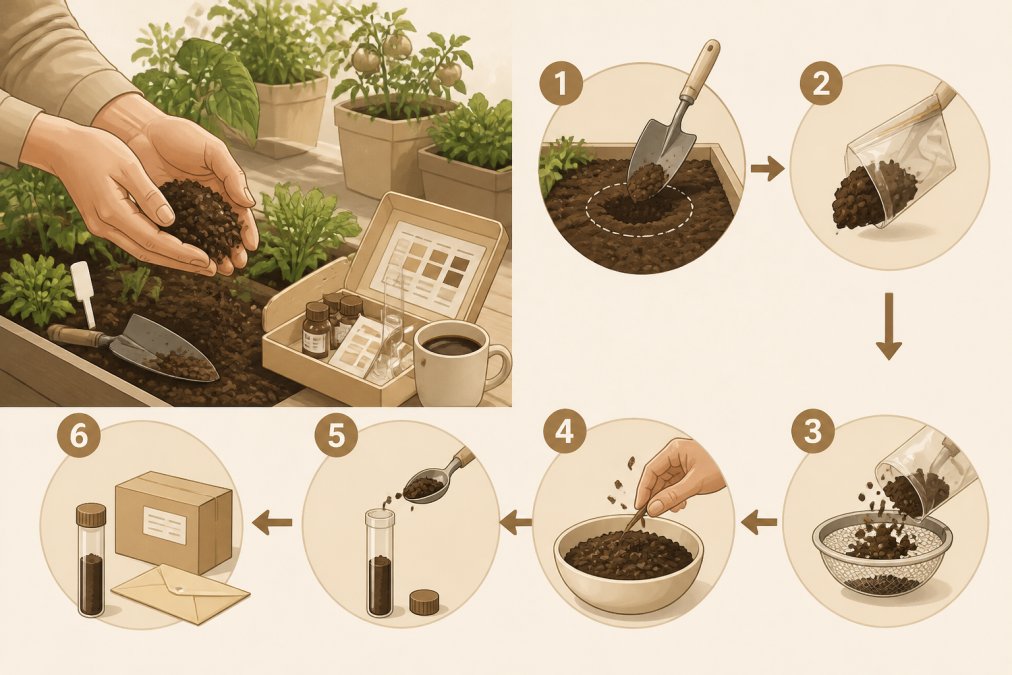
A soil test is simple. You collect samples from different spots in your garden, send them to your local extension office, and get back a detailed report. The report shows your soil pH, nutrient levels, and organic matter content. This takes the guesswork out of amending soil for southern vegetables.
Why does this matter? Because amending without testing is like throwing darts blindfolded. You might add nitrogen when your soil already has plenty. You might miss a critical deficiency. A soil test costs just a few dollars and saves you money, time, and frustration down the road.
Mississippi State University Extension soil testing guide recommends testing every 2-3 years for established gardens. New gardens should test before the first planting season. This is the foundation for everything that comes next.
Understanding Soil pH and Nutrient Levels for Vegetables
Most vegetables prefer slightly acidic soil, between 6.0 and 7.0 on the pH scale. Southern soils often run more acidic naturally, which is actually good news for most crops.
Your soil test report will show your current pH. If it's too low (too acidic), you'll add lime to raise it. If it's too high (too alkaline), you'll add sulfur to lower it. Small adjustments matter. A pH that's off by just one point can lock up nutrients your plants need.
The report also shows your N-P-K levels: nitrogen, phosphorus, and potassium. These three nutrients do different jobs.
- Nitrogen makes leaves and stems grow green and strong
- Phosphorus builds strong roots and flowers
- Potassium helps plants handle stress and disease
Your test results tell you which nutrients are low, adequate, or high. This is your roadmap for choosing the right amendments.
Best Soil Amendments for Vegetable Gardens
Compost and Organic Matter
Compost is the workhorse of soil amendment. It improves drainage in clay soils and water retention in sandy soils. It feeds your soil biology and slowly releases nutrients as it breaks down.
You can make your own compost from kitchen scraps and yard waste, or buy it bagged. Either way, work 2-4 inches into the top 8-10 inches of soil before planting. This builds soil structure and tilth, which is the crumbly texture that roots love.
Well-made compost has a dark color and earthy smell. It should crumble in your hand, not clump or smell sour. If you're growing vegetables in containers, compost is essential. Mix it into your container soil at a ratio of 30-50 percent compost to other soil components.
Nitrogen-Fixing Cover Crops and Legumes
Legumes are plants that partner with soil bacteria to pull nitrogen from the air and store it in the soil. Plant clover, vetch, or alfalfa in fall after harvest. Let them grow through winter, then turn them into the soil in spring before planting vegetables.
This is free nitrogen that you don't have to buy. It also adds organic matter when you incorporate the plants. For southern gardens, winter legumes work best because they grow while your main vegetable beds rest.

Mineral Amendments: Greensand, Granite Dust, and Wood Ash
Greensand is a slow-release source of potassium. It also contains trace minerals that vegetables need. Granite dust does the same thing and breaks down over time.
Wood ash from your fireplace adds potassium and raises pH. Use it sparingly. Too much wood ash can lock up nutrients and make soil too alkaline. Spread no more than 20-30 pounds per 1,000 square feet per year.
All three of these work slowly, so apply them in fall for spring planting. They're not quick fixes, but they build long-term soil health.
How to Improve Garden Soil Drainage
Southern clay soils hold water like a sponge. Too much water suffocates roots and causes rot. If your soil stays soggy after rain, drainage is your problem.
The best fix is organic matter. Compost, aged manure, and leaf mold all open up clay and help water move through. Work 3-4 inches into the top 12 inches of soil.
If your drainage is really bad, raised beds are your answer. Build them 12-18 inches tall and fill with a mix of topsoil, compost, and coarse sand. This gives you complete control over your growing environment. It's especially smart for growing vegetables in containers or small spaces where native soil won't cooperate.
University of Georgia Extension drainage recommendations suggests adding sand carefully. Pure sand mixed into clay can actually make things worse by creating concrete-like soil. Instead, add lots of compost and organic matter, which naturally improves drainage without the risk.
Container Vegetable Garden Soil Mix: Getting It Right
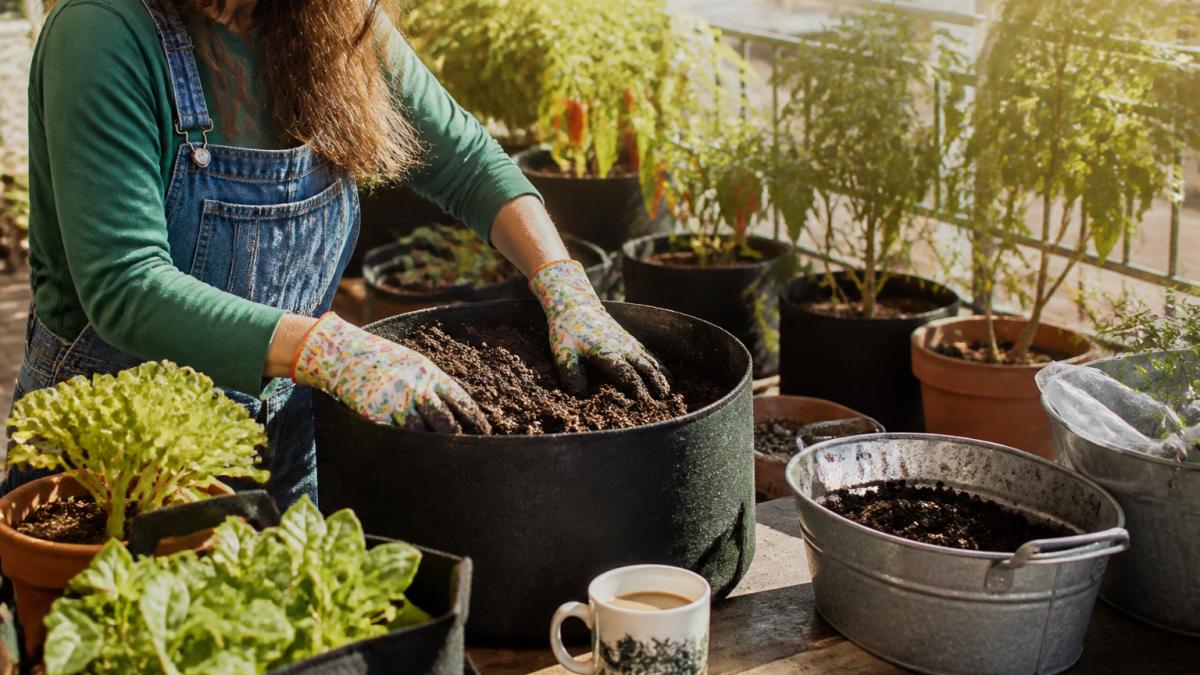
Growing vegetables in containers means you're not fighting native soil. You build your own mix from scratch.
A good container mix for vegetables is:
- 40 percent compost
- 30 percent peat moss or coco coir
- 20 percent perlite or coarse sand
- 10 percent aged manure or worm castings
This mix drains well but holds enough moisture. It's light enough for roots to push through easily. It has enough organic matter to feed plants as they grow.
Southern Gardening All Year Long →
Don't use garden soil in containers. It compacts and drains poorly in pots. Use a potting mix or make your own from the recipe above.
For long-season crops like tomatoes and peppers, refresh the top 2-3 inches of soil each year. Or mix in a slow-release organic fertilizer at planting time. Containers need more feeding than in-ground gardens because water drains through and carries nutrients away.

Step-by-Step Amendment Plan Based on Your Soil Test
Let's turn that soil test report into a simple plan you can follow. No guesswork, no wasted money. Just clear actions based on what your soil actually needs.
Step 1: Read Your pH First Your report will show pH and a buffer pH or lime requirement. If your pH is below 6.0, you'll need lime. The report usually gives a lime rate in pounds per 1,000 square feet.
If your pH is above 7.0, you may need elemental sulfur. The report will give a rate, often 5 to 10 pounds per 1,000 square feet to lower pH by half a point. Sulfur also works slowly, so fall is the best time.
Step 2: Match Nutrients to the Report Your report shows phosphorus (P), potassium (K), calcium, magnesium, and sometimes nitrogen (N). Here's how to read it:
- Low phosphorus: Add bone meal at 5 to 10 pounds per 100 square feet, or rock phosphate at 10 to 20 pounds per 100 square feet. Work it into the top 6 inches.
- Low potassium: Use greensand at 10 to 20 pounds per 100 square feet, or wood ash at 10 to 20 pounds per 1,000 square feet. Wood ash also raises pH, so don't use it if your pH is already above 6.5.
- Low nitrogen: Compost or aged manure is your best bet. Spread 2 to 4 inches and work it in. For a quicker boost, use a blood meal at 2 to 3 pounds per 100 square feet.
- High phosphorus or potassium: Don't add more. Excess nutrients can build up and harm plants. Stick with compost and cover crops instead.
Step 3: Build Organic Matter Every Time No matter what your test says, compost helps. Spread 2 to 4 inches across the bed and work it into the top 8 to 10 inches. This improves drainage in clay and water retention in sand. For containers, mix compost at 30 to 50 percent of your total mix.
Step 4: Plant a Cover Crop in Fall If you're amending in fall, plant a winter legume like crimson clover or hairy vetch. It adds nitrogen and organic matter. Turn it under in spring two to three weeks before planting.
Step 5: Retest in Two to Three Years Soil changes slowly. Retest every two to three years, or every year if you're making big changes. Keep your reports so you can see trends.
Timing Your Amendments and Building Soil Year-Round
Timing matters as much as what you add. In the South, our long warm season and heavy rains change the rules. Here's a friendly month-by-month guide for in-ground beds and containers.
Late Winter (January-February): Test and Plan This is the perfect time to send soil samples to your local extension office. Results come back before spring planting. For containers, this is when you refresh your mix.
Early Spring (March-April): Amend Before Planting If you didn't amend in fall, do it now. For warm-season crops like tomatoes, peppers, and okra, you want beds ready by late April.

Late Spring (May-June): Plant and Mulch As your vegetables go in, side-dress with compost or a balanced organic fertilizer. Mulch heavily with straw or pine bark to keep soil cool and moist.
Summer (July-August): Maintain and Protect This is stress time for plants and soil. Keep mulching. Water deeply and less often to encourage deep roots.
Early Fall (September-October): Prime Amendment Time Fall is the best time to amend in the South. The soil is still warm, so microbes stay active, but the intense heat is gone.
Late Fall (November-December): Plant Cool-Season Crops and Protect Soil Plant greens, carrots, and radishes. Keep beds mulched.
A Note on Containers Container soil behaves differently. It drains fast, so nutrients leach out quickly. Refresh your mix every year or two. Replace at least the top third with fresh compost and potting mix.
Mississippi State University Extension soil testing guide recommends testing every two to three years for established gardens. New gardens should test before the first planting season. This is the foundation for everything that comes next.
Frequently Asked Questions
What is the best soil amendment for vegetables?
The best soil amendment depends on your soil test results, but compost and well-aged organic matter work for most gardens. If your soil testing shows low nitrogen, add legumes or a balanced fertilizer. For poor drainage, incorporate compost and consider greensand or granite dust. Mississippi State University Extension recommends amending based on specific nutrient deficiencies rather than guessing, so always start with a soil test.
How should I amend soil for vegetables grown in containers?
Container vegetable garden soil mix should be light, well-draining, and rich in organic matter. Mix equal parts compost, peat moss or coconut coir, and perlite or coarse sand. Container vegetables need more frequent watering and nutrient replenishment than in-ground gardens, so refresh the top 2 inches with fresh compost each season. This blend prevents compaction and ensures good water retention without waterlogging.
What time of year should I amend soil?
Fall is ideal for amending soil in most cases, amendments have months to break down and integrate before spring planting. If you're preparing in spring, amend 2-4 weeks before planting to allow organic matter to settle. For container gardens, refresh soil annually in early spring. In the South, you can also amend in late winter before the growing season begins.
Are coffee grounds a good soil amendment?
Coffee grounds can be a soil amendment, but use them sparingly. They're slightly acidic and add small amounts of nitrogen, making them useful for acid-loving plants or to lower soil pH slightly. However, they shouldn't replace compost or other primary amendments, think of them as a supplement. Mix them into compost first rather than applying directly to soil, as they can compact if applied heavily.
Amending soil for southern vegetables is straightforward once you have a plan. Start with a soil test, follow the recommendations, and build organic matter every year. Your soil will get better with time, and your vegetables will show it. The effort you put in now pays dividends for years to come.