 ultimate-guide
How to Choose Seeds for Beginners: A Simple Guide
Table of Contents
- How to Read Seed Packets and Pick Your Best Vegetable Seeds for Beginners
- Container Gardening Vegetable Varieties and Your Seed Starting Timeline for Beginners
- Conclusion
- Frequently Asked Questions
Last Updated: September 14, 2026
How to Read Seed Packets and Pick Your Best Vegetable Seeds for Beginners
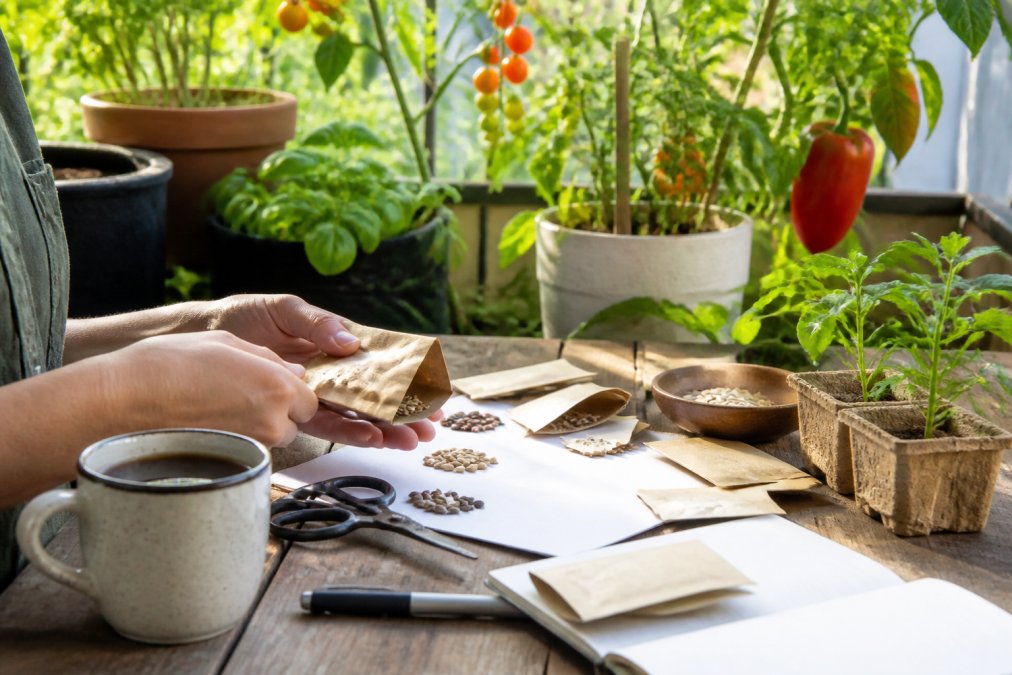
Learning how to choose seeds for beginners starts with reading the back of the packet.
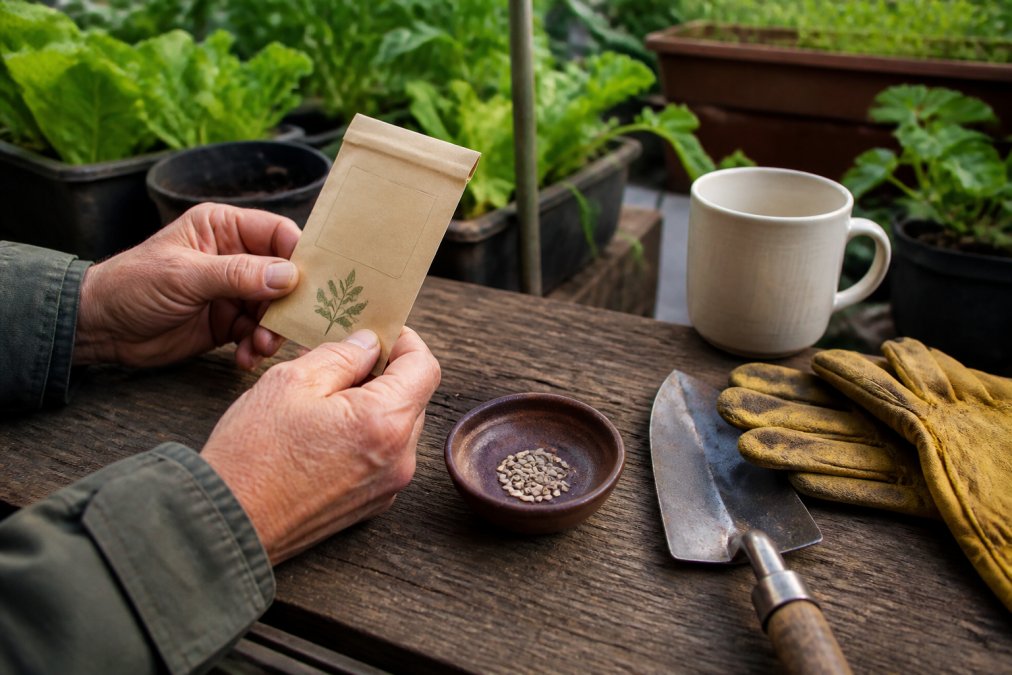
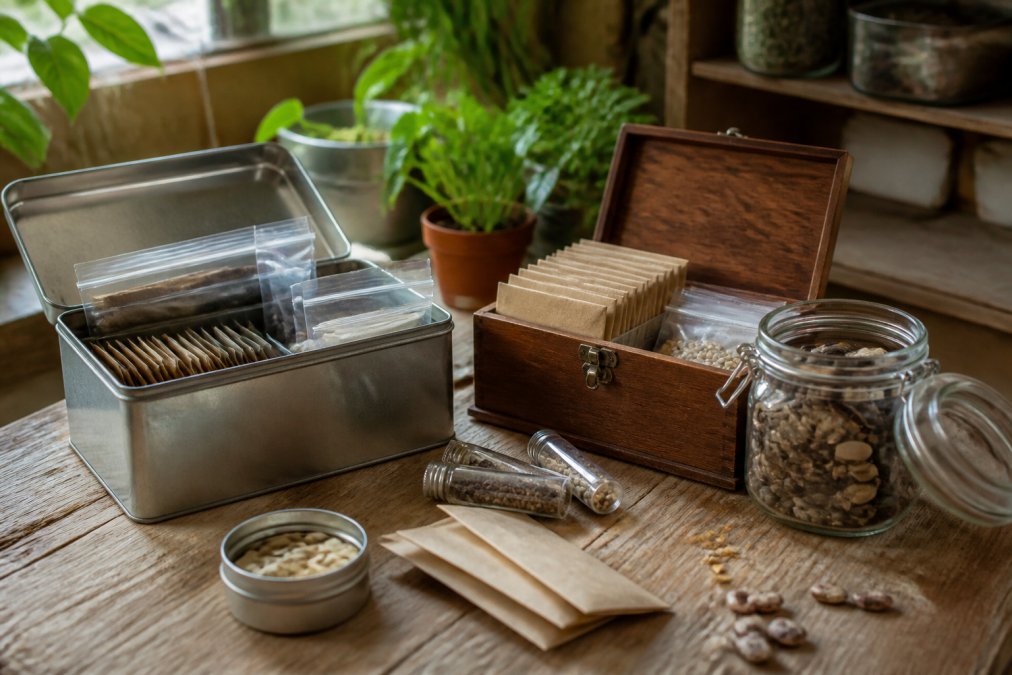
Every packet is a little instruction manual, and most beginners miss the lines that decide whether you succeed. Days to maturity tells you how long from planting to harvest, and in the Southeast that number plus your first frost date decides everything. Light requirements and seed depth keep you from burying tiny seeds too deep or baking shade-lovers in full sun. Growing zone tells you what will survive your winters, check the USDA Plant Hardiness Zone Map for your exact zone before buying. Then there's F1 hybrid versus open-pollinated: F1 seeds won't grow true next year, so choose open-pollinated if seed saving is your goal.
Mississippi State University Extension recommends varieties proven in your region, since Southern heat and humidity punish plenty of popular northern types (Variety Recommendations for Mississippi Vegetable Gardens).
| Packet Detail | What It Tells You | Why It Matters |
|---|---|---|
| Days to maturity | Time from planting to harvest | Must fit before your first frost |
| Light requirements | Sun the plant needs | Prevents leggy or scorched seedlings |
| Seed depth | How deep to plant | Too deep means no germination |
| Hardiness zone | Cold tolerance range | Filters out varieties that won't survive |
| F1 vs. open-pollinated | Seed-saving viability | Open-pollinated saves true to type |
Container Gardening Vegetable Varieties and Your Seed Starting Timeline for Beginners
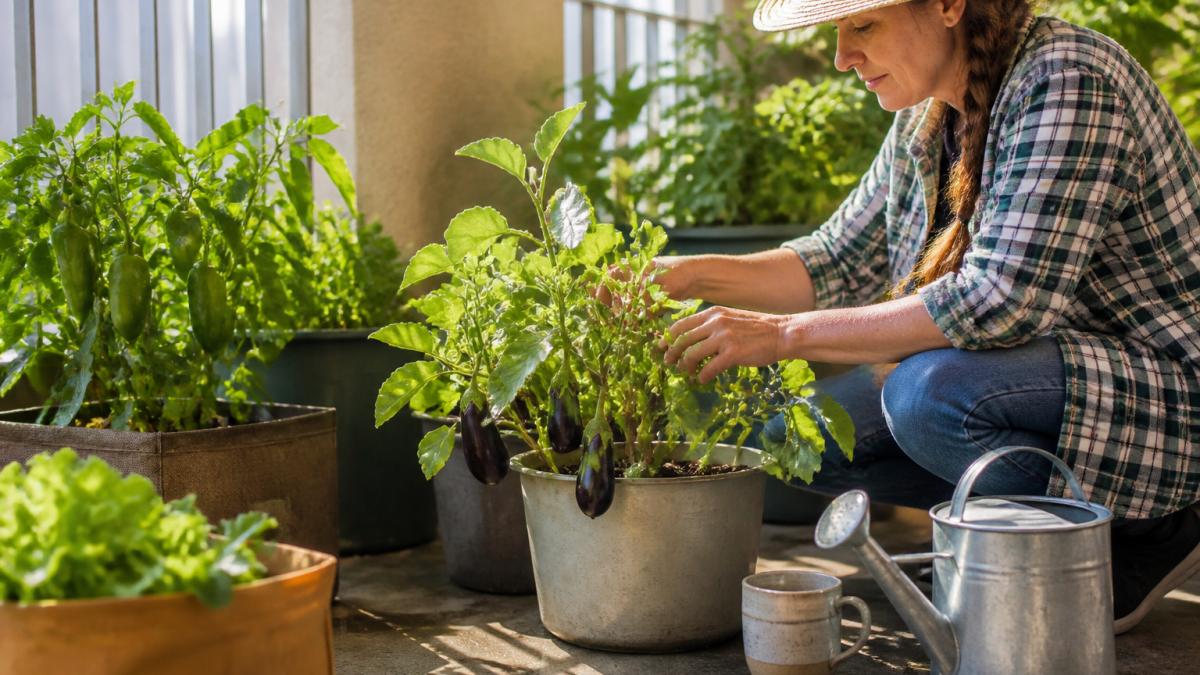
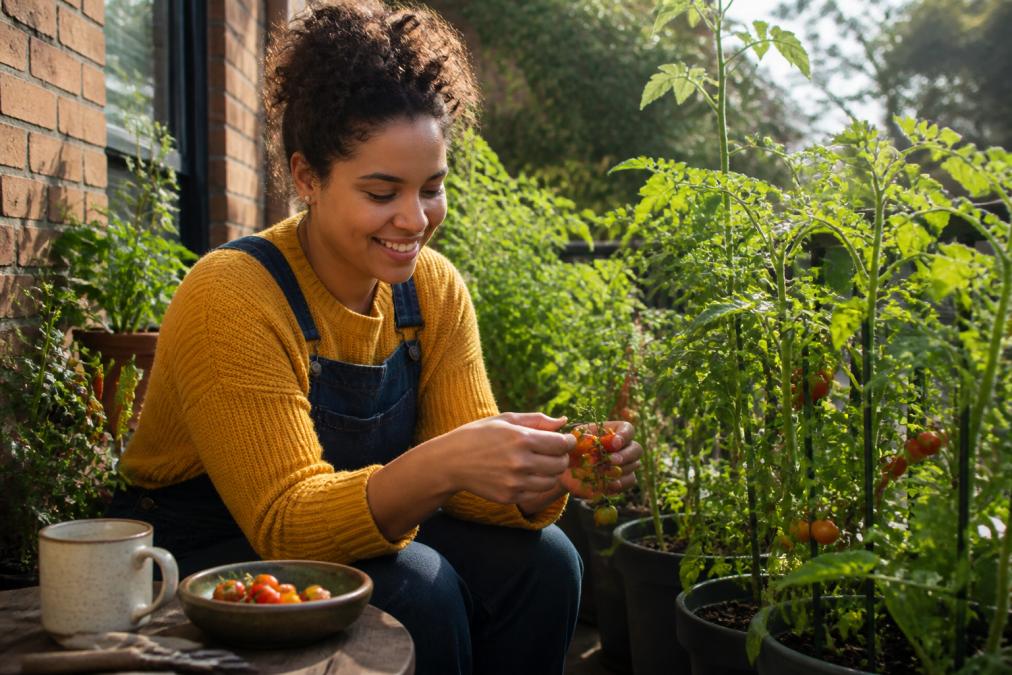
Container gardening vegetable varieties solve limited space and patience. A five-gallon pot on a sunny patio grows real food, compact types like Tom Thumb lettuce, basil, and determinate Siberian Red tomatoes work best (Container gardens offer ease, accessibility, variety).

Containers dry out fast, so moisture levels need daily attention, and potting soil beats garden dirt. Your seed starting timeline for beginners starts with your last frost date: count back the packet's "start indoors" weeks for tomatoes and peppers, direct sow lettuce and radishes near that date, harden off before transplanting, and keep notes. Selecting the right vessels for your seedlings ensures they have room to thrive, and you can explore various aesthetic plant pots to complement your indoor garden setup.
Conclusion
Choosing seeds for beginners comes down to reading the packet, matching varieties to your zone and containers, and timing everything around your last frost date.
If you want varieties that aren't on every big-box shelf, Heritage Cottage Seeds offers rare and unusual vegetable seeds, with tomato and pepper varieties tested for real performance in Southern heat and humidity.
Search Heritage Cottage Seeds and grow something worth talking about over the fence.
Frequently Asked Questions
What are the best seeds to start with for beginners?
Start with easy, forgiving varieties like lettuce, basil, and cherry tomatoes. Tom Thumb lettuce matures in 45 to 55 days and stays small enough for a windowsill pot. Mrs. Burns Lemon Basil grows fast in warm weather. These choices handle beginner mistakes better than fussy plants. Check your growing zone on the seed packet and pick varieties that match your frost dates.
How do I know if a seed variety is right for my climate?
Look at the hardiness zone and days to maturity on the seed packet. If your growing season is short, pick varieties that finish fast. In the Southeast, humid summers mean you want heat-tolerant types. The Siberian Red Heirloom tomato handles cool weather and short seasons well. Mississippi State University Extension recommends matching variety selection to your local frost date and soil temperature for the best results.
What is the difference between heirloom and hybrid seeds?
Heirloom seeds are open-pollinated, meaning you can save seeds year after year and get the same plant. F1 hybrids are a cross between two parent plants and won't produce true-to-type seeds if you save them. Heirlooms like Heritage Cottage Orange tomato have been grown and saved for generations. If you want to preserve genetics, choose open-pollinated varieties. If you want uniform results, hybrids work fine.