 blog
Best Gardening Books for Year-Round Southern Vegetable Growing
Last Updated: October 29, 2026
Quick Summary
The best gardening books for year-round southern vegetable growing explain the region's long, hot, humid season honestly, give practical month-by-month guidance, and tell you what to plant when. Look for books that state their hardiness zones plainly and treat heat and humidity as the main characters, not footnotes.
- A useful book gives you dates, not vague seasons, so you can act on it tomorrow morning.
- Warm-climate books should cover heat-set tomatoes and peppers that keep setting fruit when nights stay above the mid-70s.
- Fall is the South's second spring: transplant broccoli, cabbage, and kale and direct-sow carrots and beets.
- Beginners build confidence fastest by starting with a few containers rather than a full in-ground bed.
- Three good books, one regional, one practical vegetable guide, and one container reference, will carry you further than a shelf of beautiful ones.
Table of Contents
- What to Look for in a Southern Vegetable Gardening Book
- Vegetable Gardening Books for Warm Climbs
- Container Vegetable Gardening Books for Small Spaces
- Beginner Vegetable Gardening Books That Build Confidence
- Comparing the Books Side by Side
- Matching a Book to Your Southern Subregion and Season
- Start Your Southern Garden Library
- Frequently Asked Questions
What to Look for in a Southern Vegetable Gardening Book
The best gardening books for year-round southern vegetable growing do three things well: they explain the region's long, hot, humid growing season honestly, they give practical month-by-month guidance rather than pretty pictures alone, and they tell you what to plant when. At Heritage Cottage Seeds, we think of a good garden book the way we think of a good neighbor: someone who has actually dug in the dirt and will tell you the truth about what failed.
Southern vegetable growing is its own discipline. Our summers punish tender crops, our winters rarely freeze the ground solid, and our springs and falls are short, busy windows. A book written for a northern garden will lead you straight into trouble.
Climate Coverage and Hardiness Zones
A book worth your money names the hardiness zones it serves and admits where its advice stops applying. Extension guidance from Mississippi State University Extension is a good benchmark here: look for a book that treats heat and humidity as the main characters, not footnotes.
Check for these before you buy:
- Zone coverage stated plainly. A book for zones 8 and 9 should say so on the cover or in the first chapter.
- Heat and humidity addressed head-on. Look for chapters on summer crop failure, bolting, and disease pressure.
- Frost dates and planting windows. A real growing guide gives you dates, not vague seasons.
Practical Advice vs. Pretty Pictures
Plenty of gardening books are beautiful objects that teach you almost nothing. The test is simple: open to a random page and ask whether you could act on what you read tomorrow morning.
What most guides miss is the middle ground between inspiration and instruction. A useful book tells you how deep to sow, how far apart to thin, and what to do when the leaves yellow.
Vegetable Gardening Books for Warm Climbs
Books written specifically for warm climates are the backbone of a Southern shelf, but "warm climate" is a wide net. What you want is a book that treats heat, humidity, and mild winters as the main plot, not a side note, and that gives you a calendar you can actually follow. That is where most warm-climate titles either earn their spot or fall flat.
A good warm-climate vegetable book should walk you through:
- Heat-set tomatoes and peppers that keep setting fruit when nights stay above the mid-70s, plus the varieties that quit and the ones that hang on
- Succession planting windows so a bed never sits idle between spring greens and fall brassicas
- Summer cover crops, sorghum-sudan, cowpea, buckwheat, to rest beds during the worst heat and choke out weeds
A Month-by-Month Frame for Southern Growing
One of the most useful things a warm-climate book can give you is a planting calendar tied to your frost dates rather than vague seasons. Here is the kind of rhythm to look for, and to cross-check against Mississippi State University Extension guidance for your area:
- Late winter (February-March): start cool-season crops, peas, lettuce, spinach, radishes, and set onion transplants
- Spring (March-May): transplant tomatoes and peppers once soil warms; direct-sow beans, squash, and cucumbers
- Early summer (June): succession-sow heat-lovers and start fall brassicas in a shaded nursery bed
A book that assumes a cool, short season will have you planting cool-weather crops in the wrong month and wondering why the lettuce bolted before you picked a leaf. The right warm-climate book hands you the calendar and explains the why behind each window.
Matching the Book to Your Corner of the South
Southern gardens are not one climate, and the best warm-climate books acknowledge that. Coastal humidity, inland heat, and the cooler edges of the region all shift what works and when. As you browse, sort titles by the subregion they serve:
- Gulf Coast and coastal plain: prioritize disease, airflow, and salt-humidity chapters
- Inland with brutal summers: prioritize heat-set varieties and shade strategies
- Upper South and cooler edges: a book covering a wider zone range serves you better
If your zone sits on the warmer end, our zone 9b planting guide pairs well with any regional book you choose. And if you garden in containers, look for a warm-climate book that includes a container chapter, potting mix, drainage, and summer watering routines matter just as much in July as they do in April.
Container Vegetable Gardening Books for Small Spaces
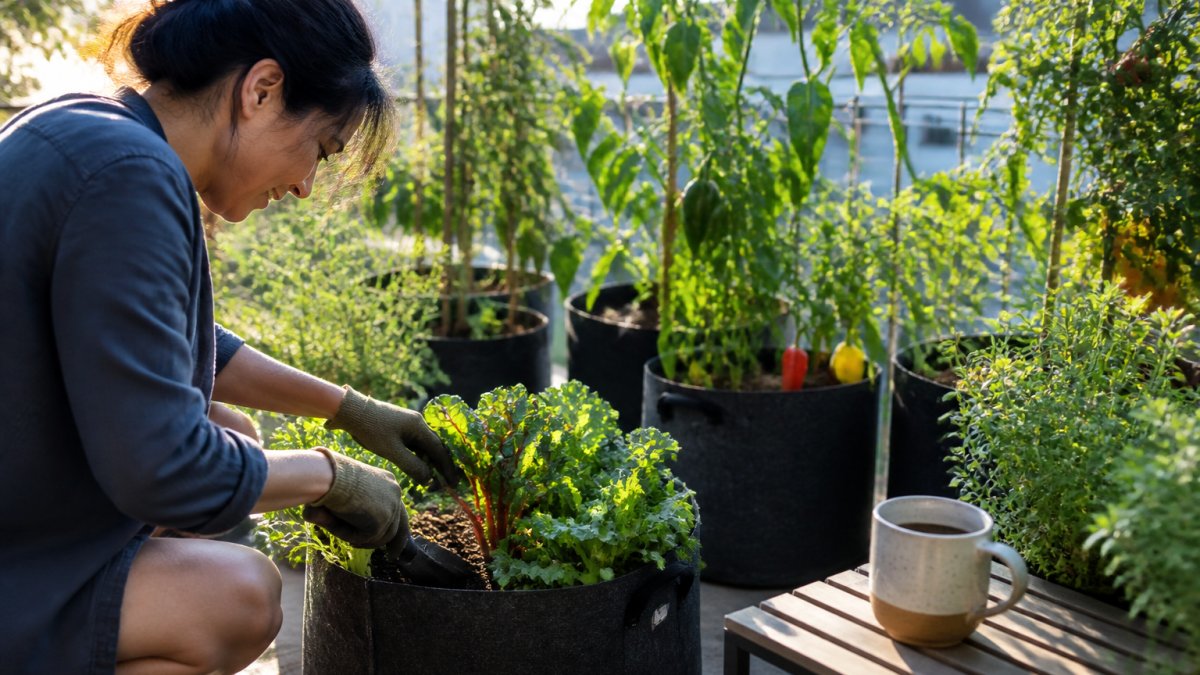
Container vegetable gardening books earn their place on any shelf, apartment dwellers most of all. Integrating these small-scale methods with broader eco-friendly gardening practices ensures that even the most compact balcony harvest remains sustainable and productive throughout the seasons.
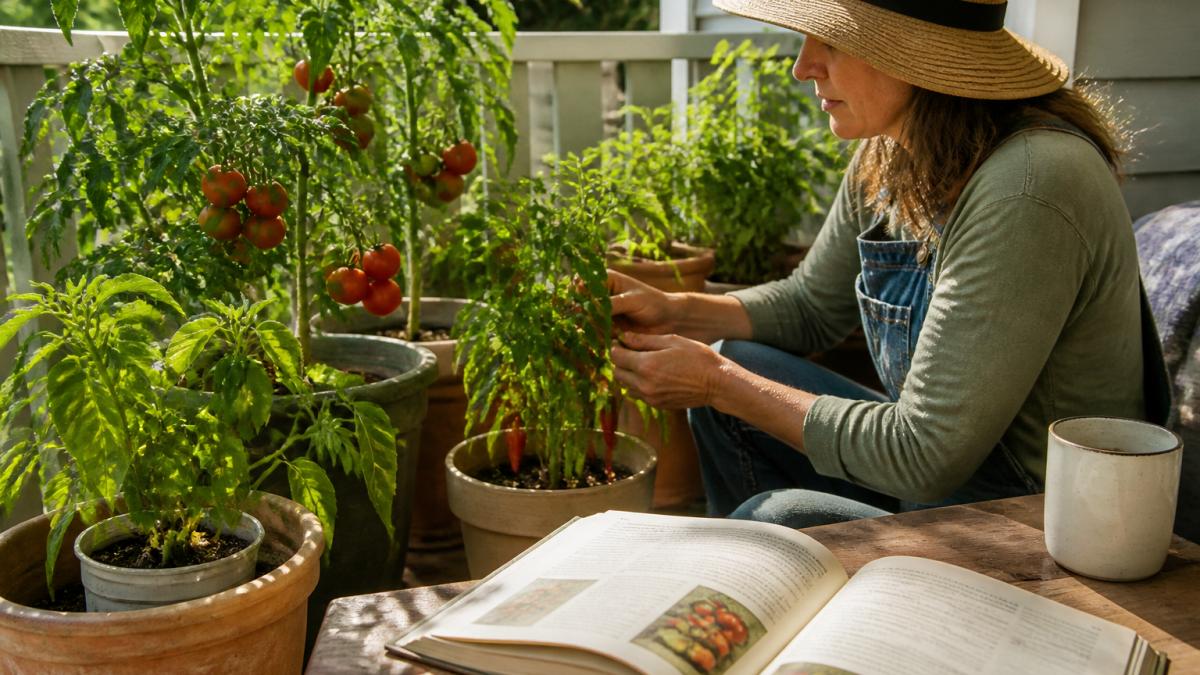
Pay attention to whether a book addresses:
- Pot size and depth for tomatoes, peppers, and greens
- Watering routines for containers that dry out fast in July
- Feeding schedules, since container soil runs out of nutrients
We lean on container-friendly heirloom varieties in our own seed selection for exactly this reason. A good book plus the right variety beats a great book plus the wrong one.
Southern Gardening All Year Long →
Beginner Vegetable Gardening Books That Build Confidence
Beginner vegetable gardening books should feel like a hand on your shoulder, not a lecture. The strongest ones assume you know nothing, explain why a step matters, and build in small wins so you keep going after the first squash bug. But here is the gap most beginner books leave open: they teach gardening in general, not gardening in the South, and they rarely show you how to start small in containers.
What separates a confidence-building book from a discouraging one:
- Plain language. Jargon gets defined, not dropped.
- Forgiving crops first. Beans, greens, and peppers before fussy brassicas.
- Troubleshooting chapters. Yellow leaves, blossom drop, and wilting all get explained.
- Realistic expectations. A book that promises perfection is selling something.
Start in Containers, Not a Whole Plot
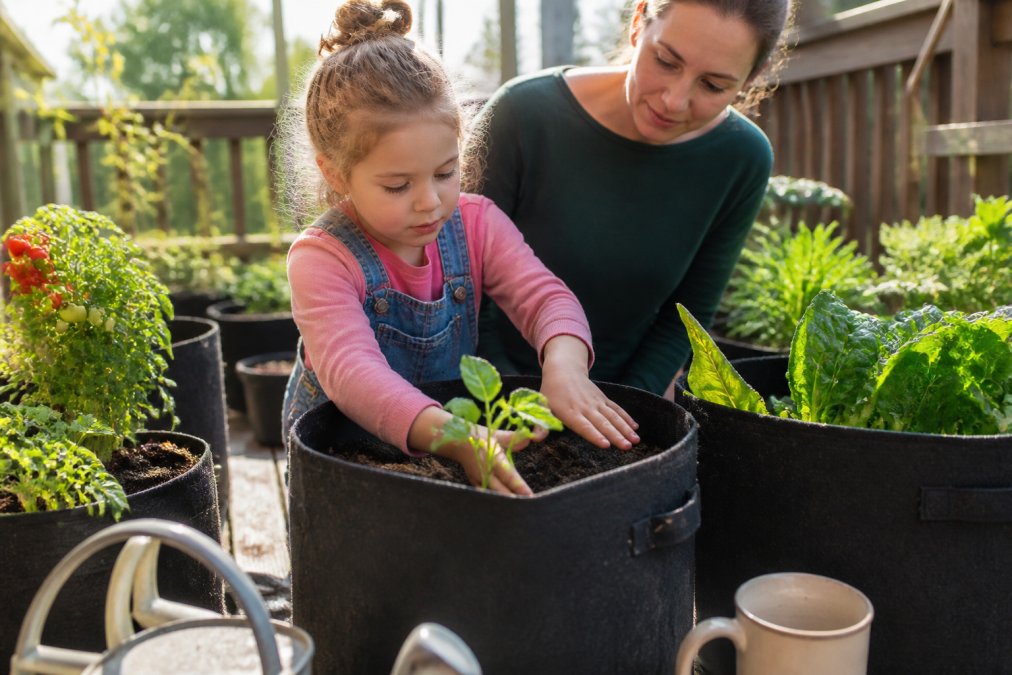
If you are brand new, the fastest way to build confidence is to start with a few containers rather than a full in-ground bed. A good beginner book will tell you which crops genuinely tolerate a pot, cherry tomatoes, peppers, bush beans, lettuce, and herbs, and how big a pot each one needs. Look for guidance on:
- Pot size and depth for tomatoes, peppers, and greens
- Potting mix versus garden soil, and why drainage holes matter
- Watering routines for containers that dry out fast in July
- Feeding schedules, since container soil runs out of nutrients
We lean on container-friendly heirloom varieties in our own seed selection for exactly this reason. A good book plus the right variety beats a great book plus the wrong one.
A Beginner's First-Season Path
A confidence-building book should give you a sequence, not a pile of facts. Here is the kind of path to look for, and to cross-check against Mississippi State University Extension recommendations for your area:
- Pick three forgiving crops, cherry tomatoes, peppers, and lettuce are a reliable trio in containers.
- Match the crop to the season. Start lettuce and greens in fall or early spring; tomatoes and peppers in spring once soil warms.
- Set up containers with drainage, a quality potting mix, and a spot that gets six to eight hours of sun.
- Water and feed on a routine, and learn to read the leaves before reaching for a remedy.
- Plan the next season before the current one ends, succession planting keeps the momentum going.
If you are starting from scratch, pair the book with hands-on practice. For a hands-on seed-starting guide to put the book knowledge into practice, see Starting Heirloom Vegetable Seeds: A Beginner's Guide. And remember: three good books, one regional, one practical vegetable guide, one container reference, will carry you further than a shelf of beautiful ones you never open.
Comparing the Books Side by Side
Not every book does the same job, so it helps to sort them by what you actually need. Here is how the main categories stack up.
| Book Type | Best For | Strength | Watch Out For |
|---|---|---|---|
| Regional Southern guide | Year-round growers | Month-by-month local timing | Less depth on specialty crops |
| Warm-climate vegetable guide | Hot, humid summers | Heat and humidity strategies | May skip cool-season detail |
| Container gardening book | Small spaces, patios | Pot sizing and watering | Limited in-ground coverage |
| Beginner vegetable book | First-year gardeners | Confidence and basics | Less useful as you advance |
| General reference handbook | Experienced growers | Broad crop coverage | Regional advice can be thin |
Matching a Book to Your Southern Subregion and Season
Southern gardens are not one climate. Coastal humidity, inland heat, and the cooler edges of the region all change what works. Match the book to where you actually garden, then match it to the season you are planning for.
A quick way to choose:
- Coastal and humid: prioritize disease and airflow chapters
- Inland with brutal summers: prioritize heat-set varieties and shade strategies
- Cooler edges of the region: a book covering a wider zone range serves you better
- Year-round growers: insist on a month-by-month calendar
If your zone sits on the warmer end, our zone 9b planting guide pairs well with any regional book you choose.
Start Your Southern Garden Library
Start with one regional book, one practical vegetable guide, and one container reference if space is tight. Three good books will carry you further than a shelf of beautiful ones you never open. Southern Gardening All Year Long by Gary R.

Mississippi State University Extension publications remain a free, reliable backstop for anything a book leaves unclear, and the National Gardening Association offers zone tools worth bookmarking.
Year-round southern vegetable growing rewards the gardener who plans in seasons rather than weeks, and the right book makes that planning far less guesswork.
Frequently Asked Questions
What are the best books for growing vegetables in the South?
Look for books written by Southern authors or university extension specialists who understand heat, humidity, and long growing seasons. Southern Gardening All Year Long by Gary R. Bachman is a strong starting point because it walks through the calendar month by month for Deep South conditions. Pair it with a warm-climate vegetable guide that covers crop selection and succession planting so you have both inspiration and practical technique covered.
Which gardening books include a year-round vegetable gardening calendar?
A good year-round vegetable gardening calendar breaks planting into months rather than vague seasons. Southern Gardening All Year Long organizes advice month by month, which helps you plan succession planting and season extension across the long Southern growing season. When browsing other titles, flip to the table of contents and check whether it lists months or seasons. If it only covers spring and summer, it will leave gaps for fall and winter vegetables.
Are there gardening books focused on growing vegetables in containers?
Yes, and they are worth seeking out if you garden on a balcony, patio, or small urban lot. Container vegetable gardening books cover potting mixes, drainage, watering frequency in heat, and which vegetable crops stay compact enough for pots. Look for titles that address heat tolerance and humidity, since containers dry out faster in Southern summers. Pair a container-focused book with a regional guide so you get both the how and the when.
How do I choose a vegetable gardening book for my climate?
Start with your hardiness zone and your local frost dates, then check whether the book addresses them directly. A book written for cool, short-season gardens will give advice that fails in hot, humid summers. Read reviews for mentions of your region, and prefer authors tied to Mississippi State University Extension. If you grow in containers, confirm the book covers that too, since watering and soil advice differs from in-ground beds.