 how-to
Organic Pest Control for Heirloom Vegetables
Table of Contents
- Why Heirloom Vegetables Need Different Pest Protection
- Identifying Common Tomato Pests and How to Control Them
- Organic Insecticides for Vegetables: Your Natural Arsenal
- Companion Planting and Pest-Repelling Plants
- Container Vegetable Garden Pest Control
- Integrated Pest Management for Home Gardens
- Protecting Pollinators While Controlling Pests
- Frequently Asked Questions
Last Updated: October 12, 2026
Why Heirloom Vegetables Need Different Pest Protection
Heirloom tomatoes and peppers are prized for flavor, but many older varieties lack the built-in pest resistance of modern hybrids.
Breeders spent decades selecting modern hybrids for pest resistance, often sacrificing flavor.
Organic pest control for heirloom vegetables works beautifully when you match your approach to what you're growing, observation, timing, and the right tools, no harsh chemicals needed.
Identifying Common Tomato Pests and How to Control Them
The same open-pollinated genetics that give heirloom tomatoes their rich flavor often come with thinner leaf cuticles and longer fruiting windows than modern hybrids, making them a longer-running buffet for pests. A Cherokee Purple or Brandywine may still be setting fruit in late summer when hornworm and stink bug populations peak. Match your scouting and treatment to the specific variety and pest.

Aphids and Leafhoppers
Aphids cluster on new growth and leaf undersides, sucking sap and excreting honeydew that invites sooty mold. Leafhoppers are smaller, wedge-shaped, and hop sideways when disturbed.
Start with a strong stream of water to knock aphids off new growth. For persistent colonies, insecticidal soap is the workhorse.
Neem oil also suppresses leafhoppers somewhat, though they're harder to control with sprays because they move so quickly. Yellow sticky traps at canopy height help monitor activity and catch adults before they lay the next generation.
Hornworms and Cabbageworms
Tomato and tobacco hornworms are the big green caterpillars with a horn on the tail. They can strip a plant in days and are masters of camouflage.
Bacillus thuringiensis (Bt), kurstaki strain, is the organic standard for leaf-eating caterpillars. It's a soil bacterium that only affects caterpillars eating treated foliage. Spray in late afternoon or early evening so caterpillars ingest it overnight, and reapply after rain.
Cabbageworms on tomatoes are less common but show up if brassicas are nearby; the same Bt approach works.
Spider Mites and Whiteflies
Spider mites thrive in hot, dry Southeast summers, creating fine webbing on leaf undersides and stippled, yellowing leaves. Whiteflies cluster on leaf undersides and fly up in a cloud when you brush the plant.
Spray with insecticidal soap or neem oil, hitting leaf undersides thoroughly. Repeat every 5 to 7 days because mite eggs hatch quickly in heat.
For whiteflies, yellow sticky traps both monitor and control: hang them near affected plants to catch adults and reduce breeding over time.
Stink Bugs and Leaf-Footed Bugs
Stink bugs and leaf-footed bugs ruin fruit rather than foliage, piercing developing tomatoes and leaving cloudy, discolored spots. Heirloom varieties with long fruiting seasons are especially vulnerable because there's more fruit on the plant for more weeks.
Hand-pick them early in the morning when they're sluggish, dropping them into soapy water. Row covers help on young plants but must come off once flowering starts so pollinators can reach blooms. Kaolin clay sprays deter them by coating fruit with a white film, though you'll need to reapply after rain.
A Quick Crop-by-Crop Note
Tomatoes get the most attention, but the same logic applies across the garden. Peppers face aphids, thrips, and pepper maggots; squash draws squash bugs and vine borers; beans attract Mexican bean beetles and aphids; brassicas get cabbageworms and harlequin bugs. The tools overlap, Bt for caterpillars, insecticidal soap for soft-bodied insects, row covers for exclusion, but timing and target life stage differ by crop.
Organic Insecticides for Vegetables: Your Natural Arsenal
Once you've identified what's attacking your plants, you need the right tool. Organic doesn't mean weak, but these products work differently than synthetic pesticides.
Neem Oil and Plant-Based Sprays
Neem oil comes from the neem tree and disrupts insect feeding and reproduction. It works on many soft-bodied pests: aphids, whiteflies, spider mites, and some caterpillars.
Mix neem oil according to directions and spray thoroughly, coating both sides of leaves. Apply in early morning or late evening, never in direct sun, which can burn leaves. Reapply every 7-10 days or after rain.
Insecticidal soap targets soft-bodied insects specifically and breaks down quickly in sunlight, making it safer for beneficial insects than neem oil.
Bacillus Thuringiensis and Spinosad
Bacillus thuringiensis (BT) is a soil bacterium that produces toxins lethal to caterpillars but harmless to everything else. It's the gold standard for hornworms, cabbageworms, and other leaf-eating caterpillars.
Spinosad comes from soil microbes and kills a broader range of pests: caterpillars, beetles, leafhoppers, and some flies. It breaks down quickly in sunlight and soil, so it's gentler on the environment than synthetics.
Both BT and spinosad work best on young pests. Once insects are large, they're harder to kill. Timing and early detection make the difference.
Companion Planting and Pest-Repelling Plants
Some plants naturally repel pests or attract beneficial insects that eat pests. Mixing these into your garden creates a more balanced ecosystem.
Herbs That Deter Garden Pests
Basil planted near tomatoes may deter some pests and improves flavor when harvested fresh. Marigolds attract beneficial insects and some gardeners report they deter certain pests. Plant them throughout the garden.
Nasturtiums act as trap crops: pests prefer them to your vegetables, so they concentrate on the nasturtiums instead. Plant them at garden edges to draw pests away from main crops.
Catnip, lavender, and hyssop attract beneficial insects like parasitic wasps and hover flies, which lay eggs on or near pests so their larvae eat pest eggs and young insects.
Flowers That Attract Beneficial Insects
Chrysanthemums attract parasitic wasps. Alliums (onions, garlic, chives) repel some pests and attract beneficial insects. Plant them throughout the garden for double benefit.
Lavender and hyssop bloom over a long season, feeding beneficial insects all summer. The more flowering plants you have, the more beneficials will stay in your garden.
Tomato - Heritage Cottage Orange →
The strategy is simple: create habitat for the insects that eat pests. You're not eliminating pests, just tipping the balance so beneficials keep populations manageable.
Container Vegetable Garden Pest Control
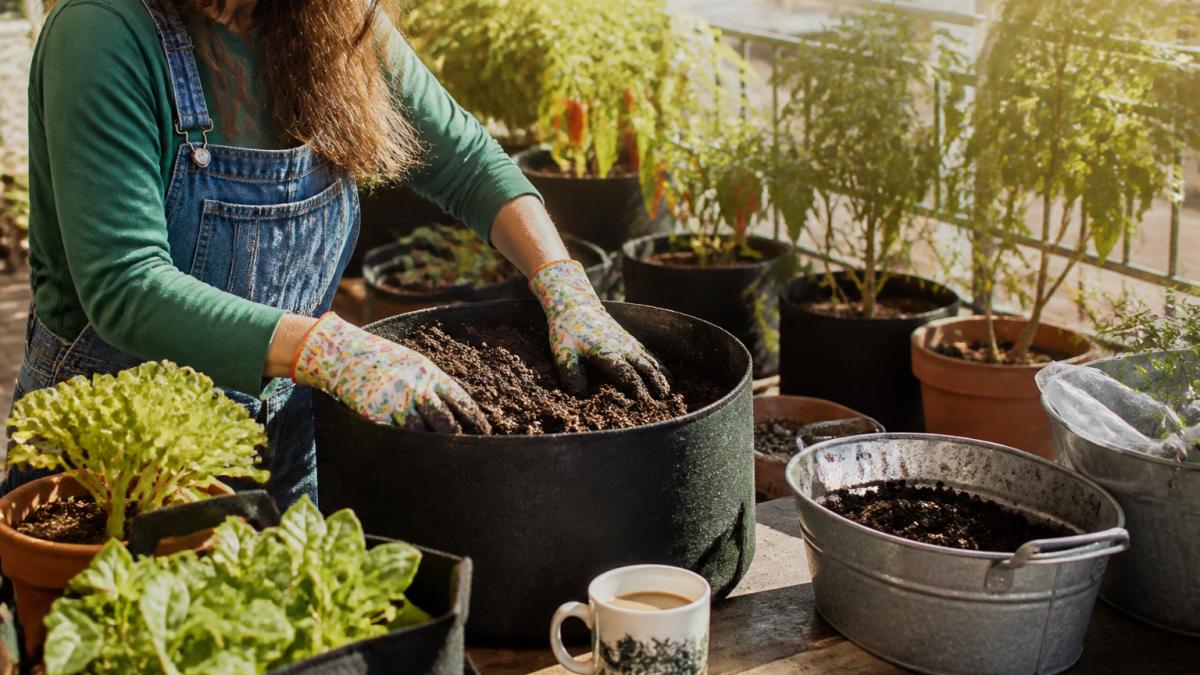
Growing heirloom vegetables in containers presents unique challenges and advantages.
Start with clean containers and fresh potting soil each year. This eliminates overwintering pests.
Water at soil level, not overhead, since wet leaves invite disease and hide pests.
Inspect plants frequently. Container plants are easier to check thoroughly than ground gardens, so catch problems early and remove damaged leaves promptly.
For container gardens, isolation is your advantage.
Heritage Cottage Seeds varieties like our Heritage Cottage Orange tomato thrive in containers and respond well to organic pest management.

Integrated Pest Management for Home Gardens
Integrated pest management, or IPM, is a decision-making framework: prevent what you can, monitor what you can't, and treat only when pest populations cross a threshold that justifies intervention. For heirloom growers, that last part matters because heirlooms often tolerate more cosmetic damage than hybrids, and you don't want to spray just because you saw a bug.
Prevention and Monitoring
Start with strong plants: quality seed, full sun, deep consistent watering, and compost-built soil. Healthy plants tolerate pest pressure better than stressed ones.
Sanitation is the cheapest pest control there is.
Crop rotation helps in-ground gardens, though it's less practical in containers.
Scout at least once a week, twice during fruiting. Walk the garden in the morning and check leaf undersides, new growth, and fruit shoulders.
Treatment Timing and Application Safety
Timing is everything. Spray in early morning or late evening when beneficial insects are less active and temperatures are cooler. Avoid spraying flowers where bees forage.
Always follow the label. More product doesn't work faster, and overdosing wastes money and risks plant damage.
Pay attention to pre-harvest intervals. Most organic products have short waiting periods, often just a day or a few days, but check the label because it varies by product and crop.
For containers, watch runoff. Don't spray so heavily that product pours out drainage holes onto decks, patios, or nearby plants.
Southeast-Specific Timing Notes
In the Southeast, pest pressure starts earlier and lasts longer than in cooler regions. Aphids show up in spring on new growth, spider mites peak in the hot, dry stretch of midsummer, and stink bugs and hornworms build through late summer into fall. Front-load your scouting in spring and stay active through fall, not just midsummer.
Mississippi State University Extension publishes regional pest calendars and vegetable guides worth checking for your crop and county. Their recommendations emphasize scouting, sanitation, and targeted treatment, which lines up well with an organic approach.
A Simple Weekly Workflow
Here's a routine that works for most home gardeners. Once a week, walk the garden with a notebook and record pests, beneficial insects, damage, and anything unusual. Twice a week during fruiting, do a focused check on fruit and new growth.
That loop, observe, decide, act, recheck, is the whole of IPM. It's not complicated, but it does require showing up. The payoff is a garden that stays productive without harsh chemicals, and heirloom varieties that show off the flavor you planted them for.
Protecting Pollinators While Controlling Pests
Bees and other pollinators are essential for vegetable production. Your pest management approach must protect them.
Avoid spraying flowers. If your tomato plant is blooming, spray only leaves and stems, not the flowers, to protect bees visiting for pollen and nectar.
Spray in early evening after bees have returned to hives, so spray dries before morning foraging begins.
Choose products carefully. BT and spinosad are relatively safe for beneficial insects.
Plant flowers specifically for pollinators. Lavender, hyssop, and nasturtiums feed bees while supporting your pest management strategy.
Growing heirloom vegetables means accepting that you'll manage more pests than gardeners growing modern hybrids. Heritage Cottage Seeds offers proven heirloom varieties like our Siberian Red and Cherokee Purple tomatoes that perform beautifully with attentive organic management.

Frequently Asked Questions
What is the most effective organic insecticide for vegetables?
Neem oil and Bacillus thuringiensis (BT) are among the most effective organic options. Neem oil works well on soft-bodied insects like aphids and whiteflies, while BT targets caterpillars and hornworms. Spinosad handles a broader range of pests. The best choice depends on your specific pest problem and timing. Always follow label directions and apply in early morning or evening to protect beneficial insects.
How can I identify common pests on heirloom tomatoes and peppers?
Look for yellowing leaves (often aphids or leafhoppers), fine webbing on stems (spider mites), or visible worms on fruit and foliage (hornworms). Check leaf undersides regularly, as many pests hide there. Whiteflies appear as tiny white insects that fly when disturbed. Early identification makes organic pest control far more effective, so scout your plants two to three times weekly during the growing season.
Can I grow heirloom vegetables in containers and still control pests organically?
Yes, container gardening actually makes organic pest control easier. Containers allow you to isolate plants, use row covers before pests arrive, and manage water and airflow to reduce fungal issues. Companion planting in nearby containers works well too. The key is checking plants frequently since container soil dries faster and pests can concentrate quickly in smaller spaces.
How do I protect pollinators while treating pests organically?
Apply organic treatments in early morning or late evening when bees are less active. Avoid spraying flowers directly. Use targeted methods like hand-picking or row covers before resorting to sprays. Neem oil and spinosad break down quickly in sunlight, reducing pollinator risk. Plant flowers that attract beneficial insects nearby, and never spray when plants are in bloom. This approach maintains garden balance while protecting your harvest.