 how-to
Starting Heirloom Seeds in Hot Southern Climates
Last Updated: October 22, 2026
Quick Summary
Starting heirloom seeds in hot southern climates means sowing warm-season varieties indoors six to eight weeks before your last spring frost and starting fall crops in late summer. Germinate seeds at the crop's ideal soil temperature, then move seedlings to bright light immediately and protect them with shade cloth and bottom watering.
- Build your seed-starting calendar around your own last spring frost date and first fall frost date.
- Tomato seeds germinate best at 75-85°F, while peppers prefer 80-85°F and okra 80-95°F.
- Sow seeds at a depth of two to three times the seed's width.
- Use 30-50% shade cloth during afternoon hours to prevent sunscald on young seedlings.
- Bottom water pots for 30 minutes, then empty the tray so roots don't sit in water.
Table of Contents
- Why Starting Heirloom Seeds in Hot Southern Climates Takes a Different Approach
- When to Start Vegetable Seeds in the South
- Seed Germination Temperature Chart for Common Heirloom Crops
- Starting Seeds in Containers: A Step-by-Step Workflow
- Protecting Seedlings from Heat, Humidity, and Intense Sun
- Choosing Heat-Tolerant Heirloom Varieties That Thrive in the South
- Conclusion
- Frequently Asked Questions
Why Starting Heirloom Seeds in Hot Southern Climates Takes a Different Approach
Starting heirloom seeds in hot southern climates is a different job than starting them up north.
Here's the good news: heirloom seeds are tough. These open-pollinated varieties have been saved and replanted for generations in the same hot, humid places you're gardening now.
Below, we'll walk through timing, germination temperatures, a container workflow, and how to keep seedlings alive when the sun turns up the heat.
When to Start Vegetable Seeds in the South
Start warm-season seeds indoors six to eight weeks before your last spring frost, and direct-sow fall crops in late summer. Cool-season crops go in during fall or late winter so they mature before heat sets in. Build your calendar around your own frost dates.
The Mississippi State University Extension publishes planting guides by crop and region, and those are the most reliable dates to build your calendar around. Your own last frost date matters more than any chart, though.
A Month-by-Month Seed-Starting Calendar for the South
Think of the South as three loose bands: the Gulf Coast (mildest winters, earliest last frost), the inland South (a few weeks later), and the upper South (later still, with more frost risk). The table below gives typical indoor start windows for container-grown transplants. Treat these as starting points, your own microclimate can shift things by a week or two.
| Month | Gulf Coast | Inland South | Upper South | Crops to Start Indoors (Containers) |
|---|---|---|---|---|
| January | Peppers, eggplant (late month) | , | , | Peppers, eggplant (use bottom heat) |
| February | Tomatoes, peppers, eggplant | Peppers, eggplant (late month) | , | Tomatoes, peppers, eggplant |
| March | Squash, cucumbers (late month for transplant) | Tomatoes, peppers, eggplant | Peppers, eggplant (late month) | Warm-season transplants |
| April | , | Squash, cucumbers (late month) | Tomatoes, peppers, eggplant | Warm-season transplants |
| May | , | , | Squash, cucumbers (late month) | Warm-season transplants |
| June | Fall tomatoes, peppers (late month) | Fall tomatoes (late month) | , | Fall-crop warm-season starts |
| July | Fall tomatoes, peppers, eggplant | Fall tomatoes, peppers, eggplant | Fall tomatoes (late month) | Fall-crop warm-season starts |
| August | Fall squash, cucumbers | Fall squash, cucumbers | Fall tomatoes, peppers, eggplant | Fall-crop warm-season starts |
| September | Cool-season greens (late month) | Cool-season greens (late month) | Fall squash, cucumbers | Lettuce, spinach, kale for fall |
| October | Lettuce, spinach, kale | Lettuce, spinach, kale | Cool-season greens (late month) | Cool-season greens |
| November | , | , | Lettuce, spinach, kale | Cool-season greens |
| December | , | , | , | , |
A few notes on reading this calendar. The Gulf Coast can often start warm-season seeds a full month earlier than the upper South, and fall crops go in later because the heat lingers.
For container gardeners, this calendar is especially handy: start seeds indoors under lights or on a warm porch, then move pots in and out as weather allows, you're not tied to garden soil temperature the way direct-sowers are.
Reading Your Last Spring Frost and Fall Planting Window
Two dates do most of the work.
- Last spring frost: your green light for transplanting tender crops outdoors.
- First fall frost: your deadline for fall crops to mature.
In much of the Southeast, the fall window is actually the kinder one for many crops. Seedlings started in late summer mature as days cool, which means less heat stress and fewer pests. The catch is germinating in the hottest part of the year, so start fall seeds in trays under shade cloth or on a covered porch, then move them to their final pots once the worst heat passes.
Warm-Season Versus Cool-Season Crops
Warm-season crops love heat and sulk in cold soil. Think tomatoes, peppers, beans, okra, and squash. Cool-season crops, like lettuce, spinach, kale, and radishes, bolt and turn bitter once summer arrives.
| Crop Type | Start Indoors | Direct Sow | Best Southern Window |
|---|---|---|---|
| Tomatoes, peppers | 6-8 weeks before last frost | Not recommended | Spring, or midsummer for fall |
| Beans, okra, squash | Not needed | After soil warms | Late spring through midsummer |
| Lettuce, spinach, kale | 4-6 weeks before last frost | Late summer for fall | Fall and mild winter |
For container growing, warm-season crops are the stars, they transplant well and thrive in pots that warm up fast. Cool-season greens are trickier in summer containers but perfect for fall and mild winter pots.
Seed Germination Temperature Chart for Common Heirloom Crops
Germination speed depends on soil temperature, not air temperature. A tomato seed in cool soil sits and sulks. The same seed in warm soil pops up in days. This is the single most useful number in southern seed starting, and most guides skip it.
| Crop | Ideal Soil Temp | Days to Germinate | Notes |
|---|---|---|---|
| Tomato | 75-85°F | 5-10 | Bottom heat helps in cool springs |
| Pepper | 80-85°F | 10-21 | Slow and fussy in cool soil |
| Okra | 80-95°F | 7-14 | Loves heat, hates cold soil |
| Bean | 70-85°F | 5-10 | Direct sow, dislikes transplanting |
| Lettuce | 60-70°F | 7-14 | Goes dormant above 80°F |
| Squash | 70-90°F | 5-10 | Fast and reliable |
Southern summers push soil past the top of these ranges. That's why fall planting is often easier than spring: you're working with warmth instead of fighting it.
Starting Seeds in Containers: A Step-by-Step Workflow
Container seed starting gives you control over soil, moisture, and temperature, exactly what a hot climate demands. Follow these steps for sturdy transplants instead of spindly ones.
Southern Gardening All Year Long →
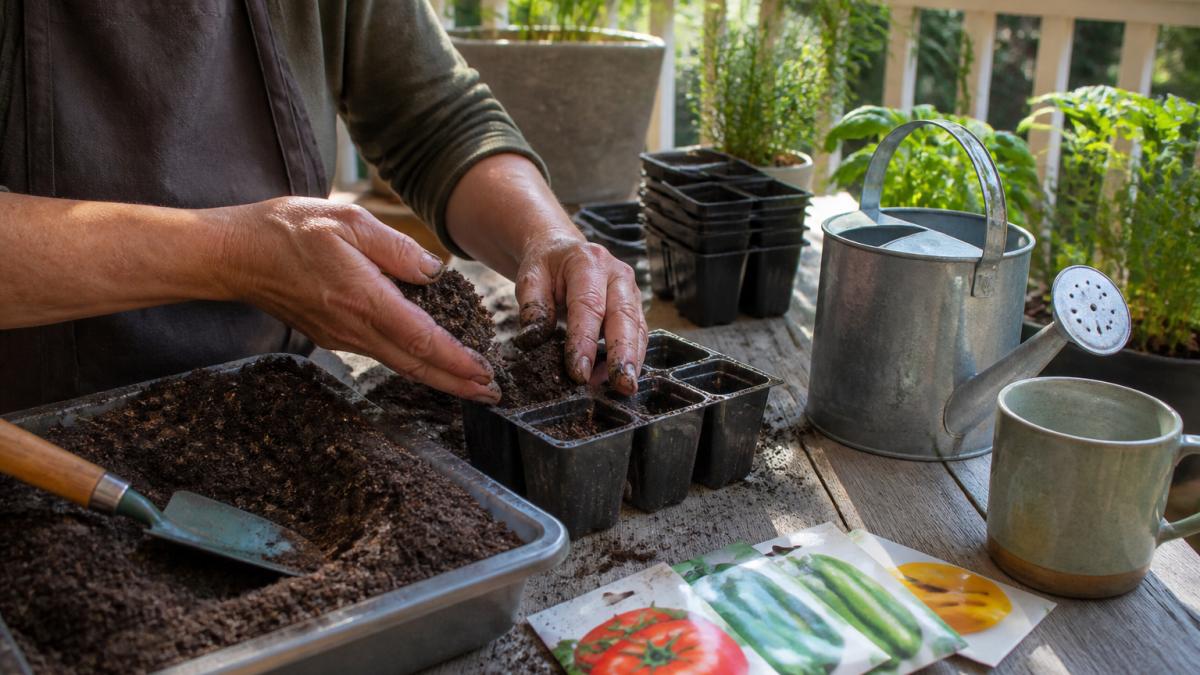
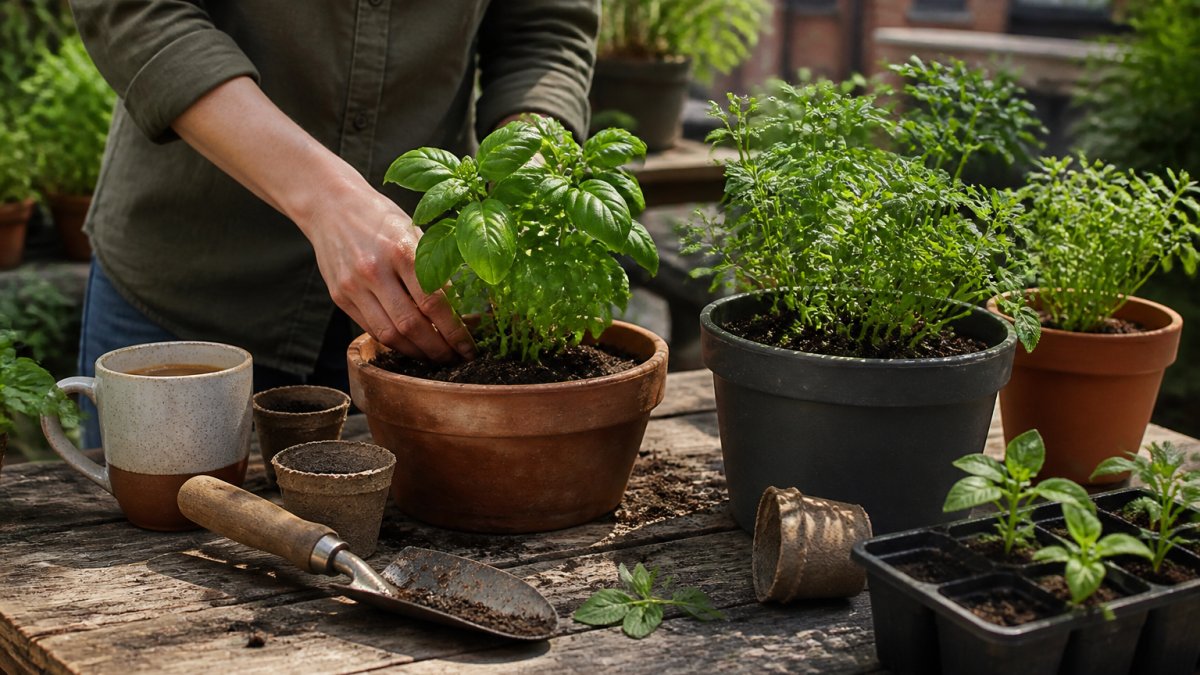
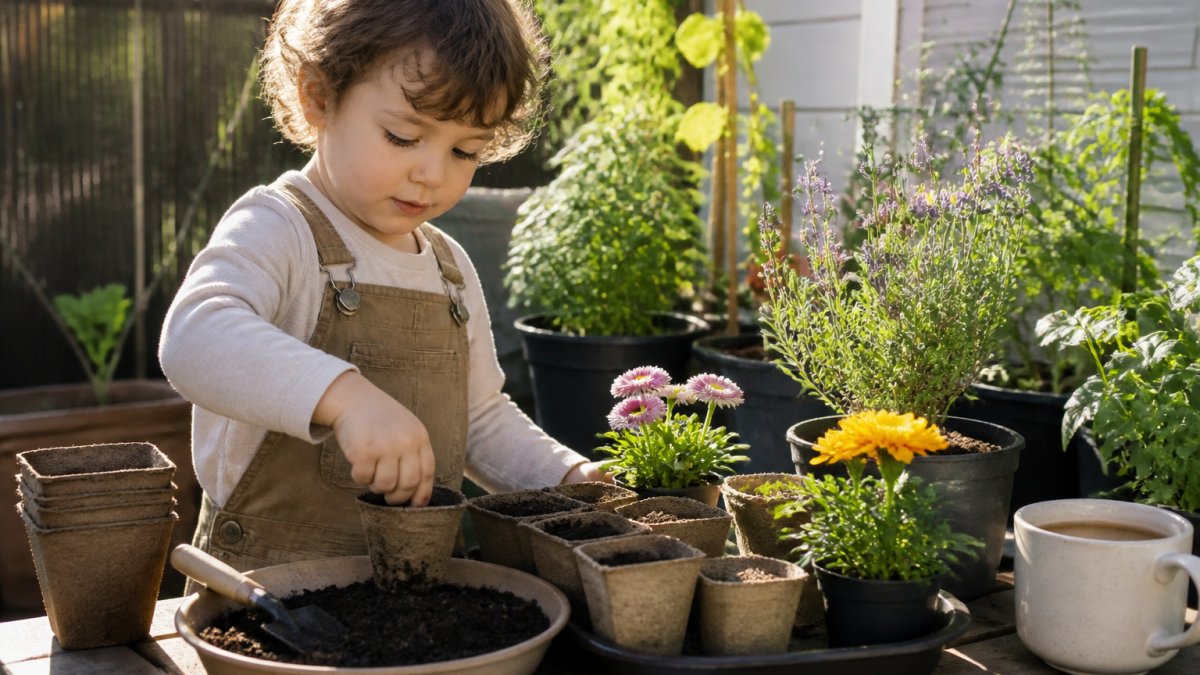
- Pick your containers. Cell trays, peat pots, or clean yogurt cups with drainage holes all work. Drainage is non-negotiable.
- Use a seed-starting mix. It's light and drains well. Garden soil compacts in pots and stays too wet.
- Moisten the mix first. Water it before sowing so you don't wash seeds out afterward.
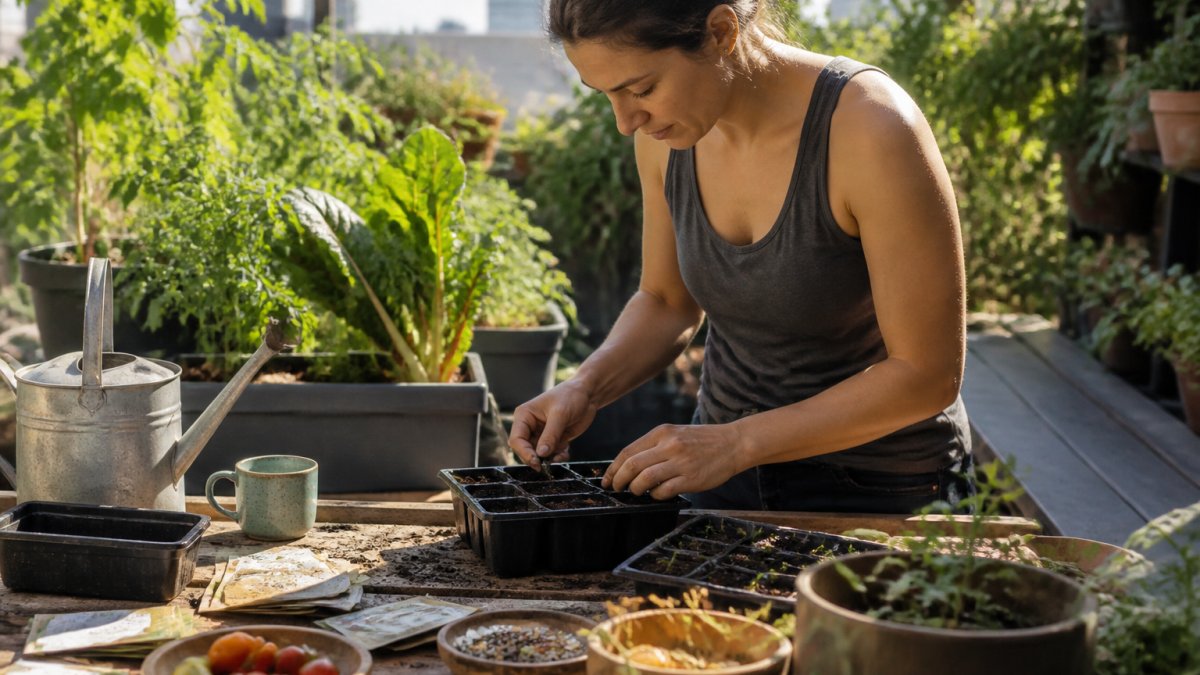
- Sow at the right depth. A good rule is two to three times the seed's width.
- Label everything. Heirloom varieties are easy to mix up once they sprout.
- Keep soil warm and evenly moist until germination.
- Move seedlings to bright light the moment they break the surface.
- Harden off before transplanting. A week of gradual outdoor exposure prevents shock.
Choosing the Right Mix and Containers
Skip heavy potting soil for germination. A light, sterile mix holds moisture without staying soggy, which matters in humid weather. For containers, bigger is better than you'd think, tomatoes and peppers resent being rootbound, and a slightly larger pot buys a week of flexibility when rain delays transplanting.
Sowing Depth, Moisture, and Light
Sow too deep and seeds rot; too shallow and they dry out before sprouting. Aim for two to three times the seed's width, then cover lightly and mist.
Once seedlings emerge, light becomes the priority. Southern sun is strong, but indoor light is weak. A sunny window often isn't enough. That's why leggy seedlings are so common.
Protecting Seedlings from Heat, Humidity, and Intense Sun
Heat stress shows up fast in young plants: leaves curl, edges brown, and growth stalls. The fix is shade, airflow, and consistent moisture. In the South, where humidity can sit at 90% for days and afternoon sun feels like a broiler, you need more than general advice. Below is a troubleshooting guide for common container problems, plus low-cost setups that keep seedlings happy.
Troubleshooting Heat-Stressed Seedlings: A Diagnostic Guide
When seedlings struggle, the cause is usually one of five things. Match the symptom to the fix.
| Symptom | Likely Cause | Corrective Action |
|---|---|---|
| Seeds fail to germinate | Soil too cool or too hot; inconsistent moisture | Check soil temperature with a probe; aim for the crop's ideal range (see chart above). Keep mix evenly moist but not soggy. |
| Seedlings collapse at soil line (damping off) | Fungal disease from overly wet mix and poor airflow | Improve airflow with a small fan; water from below; remove affected seedlings; use a sterile seed-starting mix. |
| Leggy, stretched stems | Insufficient light | Move seedlings closer to grow lights (2-4 inches above tops); provide 14-16 hours of light daily; brush stems gently with a fan to strengthen them. |
| Wilting despite wet soil | Root rot from overwatering or heat stress | Let soil dry slightly between waterings; ensure drainage holes; move to morning sun only. |
| Bleached or scorched leaves | Sunscald from sudden exposure to intense sun | Harden off gradually; use shade cloth (30-50% shade) during afternoon hours; move containers to filtered light. |
A common pattern with heirloom tomatoes and peppers in containers: they germinate fine, then stretch and weaken because indoor light is too weak. Once seedlings break the surface, get them under bright light right away, a sunny south-facing window supplemented with a shop light, or a grow light kept just a few inches above the plants.
Low-Cost Cooling and Watering Setups for Containers
You don't need fancy equipment to keep seedlings comfortable in the heat. These simple setups work well for container gardeners:
- Shade cloth: A piece of 30-50% shade cloth draped over a frame or hooped over pots cuts afternoon heat without blocking too much light, especially useful for fall-started seedlings in late summer.
- Bottom watering: Set pots in a shallow tray of water and let them wick up moisture. This keeps foliage dry, reduces damping off, and encourages deeper roots. Empty the tray after 30 minutes so roots don't sit in water.
- Mulch: A thin layer of fine mulch on top of container soil slows evaporation and keeps the root zone cooler. Wait until seedlings are a few inches tall before mulching.
For a deeper dive on southern growing conditions month by month, Southern Gardening All Year Long is our own practical guide to the region's rhythms.

Choosing Heat-Tolerant Heirloom Varieties That Thrive in the South
Variety selection is where southern gardeners win or lose. Some heirlooms were bred for cool summers and will struggle. Others were born for heat, and those are the ones worth your space.
The USDA Agricultural Research Service maintains plant collections that document how varieties perform across regions, and it's a useful reference when you're comparing options.
Our own picks lean toward varieties with real southern grit:
- Everglades tomato: a wild-type cherry tomato with legendary heat tolerance and nonstop production.
- Heritage Cottage Orange tomato: a compact determinate that thrives in containers and raised beds.
- Baby Bubba okra: a space-saving heirloom that delivers full-size pods from small plants.
For container gardeners, these three earn their spot, forgiving for beginners and productive for old hands.

Conclusion
The southern climate asks more of a seed starter, but it gives more back. Get your frost dates right, watch soil temperature, and protect young plants from the worst of the afternoon sun.
If you want varieties chosen for exactly these conditions, search Heritage Cottage Seeds. Our open-pollinated tomatoes, peppers, and okra are selected for heat, flavor, and real southern performance.

Frequently Asked Questions
How warm should it be for heirloom seeds to germinate?
Most heirloom vegetable seeds germinate best when the soil stays between 65 and 85 degrees Fahrenheit. Tomatoes and peppers lean toward the warmer end, while cool-season crops like lettuce and spinach prefer the cooler end. In hot southern climates, soil in containers can climb past 90 degrees fast, so check the mix with a thermometer and move trays into filtered shade during the hottest part of the day. Keeping heirloom seeds within their preferred range gives you a stronger germination rate and sturdier seedlings.
Can I start heirloom seeds in containers outdoors?
Yes, and in hot southern climates it often works better than indoor starting. Containers let you control the soil mix, move trays out of intense sun, and avoid the leggy seedlings that come from chasing weak window light. Use containers with drainage holes, a light seed-starting mix, and place them where they get morning sun and afternoon shade. Check moisture daily because small containers dry out quickly in heat. Once seedlings show true leaves, thin or transplant them so roots have room to grow.
How do I keep seed-starting mix from overheating in summer?
Dark containers absorb heat, so switch to light-colored pots or shade the trays with a cloth during the afternoon. Water in the morning so plants have moisture going into the hottest hours. A layer of light mulch or a sheet of newspaper over the surface slows evaporation. Move containers to a spot with filtered afternoon shade rather than full sun. If you are starting seeds in containers on a patio, raise them off hot concrete with a bench or bricks so air moves underneath.
How often should I water seedlings during hot weather?
In hot southern weather, small containers may need water once or even twice a day. Check the surface each morning and water when the top quarter inch feels dry. Water deeply until it drains out the bottom rather than giving a light sprinkle, which encourages shallow roots. Morning watering is best because foliage dries before evening, cutting down on disease in humid conditions. Seedlings in larger containers hold moisture longer, so adjust based on container size and how much sun the tray receives.