 ultimate-guide
Vegetable Gardening in the Heat: A Summer Guide
Table of Contents
- Heat Tolerant Vegetable Varieties Worth Growing This Summer
- Using Shade Cloth for Vegetable Gardens During Peak Heat
- Building a Watering Schedule for Hot Weather That Actually Works
- Mulching Techniques for Summer Gardens to Lock In Moisture
- Frequently Asked Questions
Last Updated: August 20, 2026
Vegetable gardening in the heat separates gardeners who thrive all summer from those who give up by July. Here at Heritage Cottage Seeds, we hear the same question every season: "How do I keep anything alive when it feels like I'm gardening on the surface of the sun?" The good news is that with the right varieties, smart infrastructure, and consistent habits, your summer garden can absolutely produce through the hottest months.
Below, we'll walk through exactly how to do it, from choosing heat-tolerant crops to building a watering schedule that makes sense for hot weather. The strategies here draw from recommendations by Mississippi State University Extension, which has been guiding Southern gardeners through brutal summers for decades.

Heat Tolerant Vegetable Varieties Worth Growing This Summer
The biggest mistake most gardeners make is treating summer like a scaled-down version of spring. Vegetable gardening in the heat requires a completely different plant list.
Warm-season crops are your best friends from June through August. These plants evolved in hot climates and genuinely perform better when the temperature climbs:
- Southern peas (cowpeas): Absolutely heat-proof. They fix nitrogen in the soil and produce reliably when other crops have given up.
- Okra: Thrives in high heat and humidity.
- Sweet potatoes: Handle heat and drought stress far better than Irish potatoes.
- Peppers: Both sweet and hot varieties love heat and bounce back quickly once evenings cool.
- Heirloom tomatoes: Choose heat-tolerant varieties carefully, as many drop blossoms above 95°F.
- Armenian cucumber and lemon cucumber: Both handle heat far better than standard slicing cucumbers, which turn bitter under stress.
- Malabar spinach: A leafy green that thrives in summer heat when real spinach has bolted.
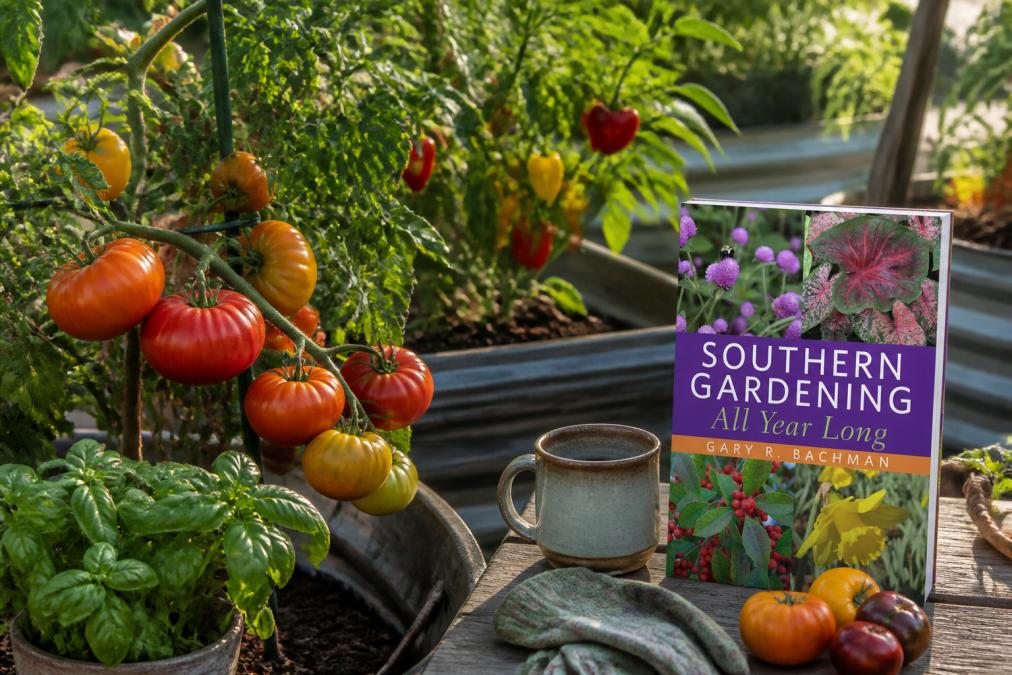
According to Mississippi State University Extension's vegetable gardening guides, soil temperatures above 95°F can inhibit germination for many crops, so timing your mid-summer planting to catch a cooler spell matters.
Using Shade Cloth for Vegetable Gardens During Peak Heat
During peak summer heat, foliage protection from a shade cloth can be the difference between a thriving garden and a scorched one.
Shade cloth is a woven fabric rated by the percentage of sunlight it blocks. A 30% shade cloth lets through 70% of available light while cutting the radiant heat load on your plants. For vegetable gardens, the most useful range is 30-40% shade.
Here's how to set it up effectively:
- Install sturdy hoops or a simple frame over your beds before the hottest weeks arrive.
- Drape the shade cloth over the frame, leaving at least 12 inches of air gap above the plants for airflow.
- Secure the edges so wind doesn't pull the cloth down onto the foliage.
- Orient your rows north to south so plants aren't shading each other unnecessarily.
Shade cloth creates a microclimate under the canopy, soil temperature can run several degrees cooler than exposed beds nearby, which adds up over a long, hot summer. Peppers and young transplants benefit most from this protection.
Building a Watering Schedule for Hot Weather That Actually Works
Most gardens in summer don't fail from heat alone. They fail from inconsistent watering combined with heat. Vegetable gardening in the heat demands a disciplined irrigation schedule.
Water deeply and less frequently rather than shallowly every day. Deep watering encourages roots to chase moisture down into cooler soil layers, dramatically improving drought resistance.
Here's a practical schedule framework based on Mississippi State University Extension's irrigation guidance for home gardens:
| Crop Type | Watering Frequency (Peak Summer) | Preferred Method | Best Time of Day |
|---|---|---|---|
| Tomatoes & peppers | Every 2-3 days | Drip irrigation at root zone | Early morning |
| Okra & Southern peas | Every 3-4 days | Soaker hose or drip | Early morning |
| Sweet potatoes | Every 4-5 days | Drip or furrow | Early morning |
| Leafy greens (heat varieties) | Every 1-2 days | Drip or gentle overhead | Early morning only |
Drip irrigation is the single best upgrade you can make to a summer vegetable garden. It delivers water directly to the root zone, reduces evapotranspiration losses, and cuts down on fungal disease.
During the hottest stretches, a foliar spray of diluted liquid calcium in the early morning can help prevent blossom end rot in tomatoes and tip burn in lettuce.
Mulching Techniques for Summer Gardens to Lock In Moisture
Mulching is the most underused tool in summer vegetable gardening. A good layer of mulch retains soil moisture, moderates soil temperature, and suppresses weeds that compete for water.
The best mulching materials for summer vegetable gardens:
- Straw: Apply 3-4 inches around plants, keeping it a couple of inches away from stems.
- Shredded leaves: Excellent if you have them; they decompose into a nice soil amendment by fall.
- Grass clippings: Work well in thin layers (no more than 2 inches at a time).
- Pine straw: A Southern staple that's slightly acidic as it breaks down, suiting tomatoes and peppers well.
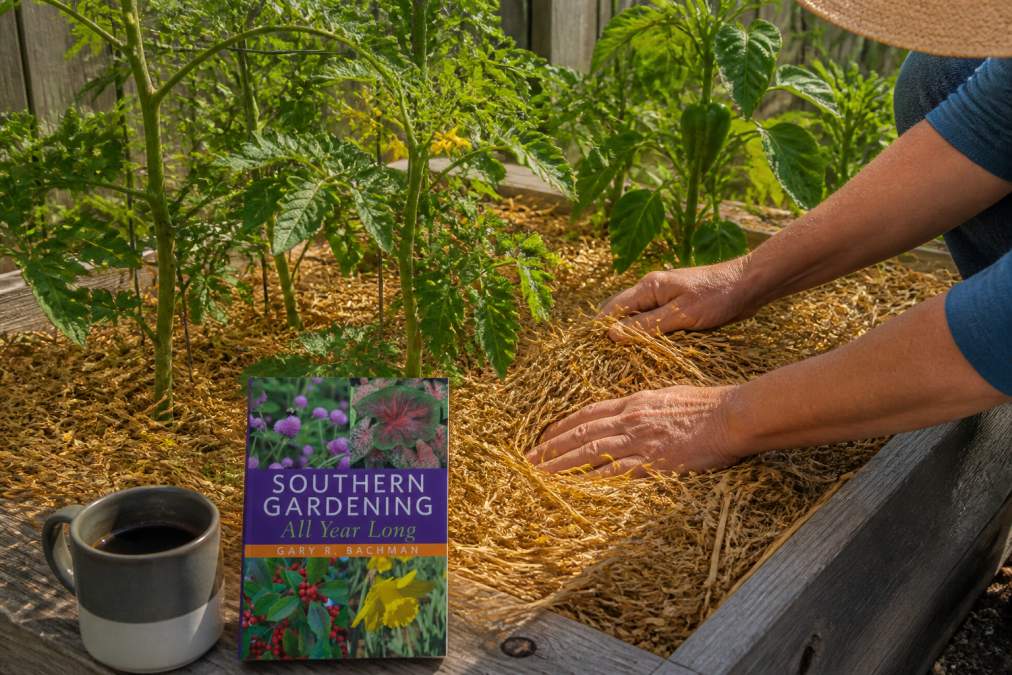
A 3-4 inch mulch layer keeps soil temperature in the root zone dramatically cooler, protecting beneficial soil microbes.
For container gardening, double-pot your containers (one pot inside a larger one with air space between), use light-colored pots that reflect rather than absorb heat, and mulch the top just like you would a bed.
Summer heat doesn't have to shut down your garden. The gardeners who keep producing through July and August have matched their plant selection to the climate, built a consistent watering habit, and put mulch down before the heat arrives. If you're ready to grow varieties actually selected for tough Southern summers, Heritage Cottage Seeds offers a curated collection of rare and proven seeds you won't find at the big box stores. Search our catalog and find something worth growing this season.
Frequently Asked Questions
What vegetables grow best in extreme heat?
Okra, sweet potatoes, Southern peas (cowpeas), hot peppers, and heat-tolerant tomato varieties are your best bets when temperatures climb. Mississippi State University Extension recommends warm-season crops that are bred for high humidity and prolonged heat. Heirloom varieties selected specifically for Southern performance, like those adapted to hardiness zones 7 through 9, tend to handle vegetable gardening in the heat far better than generic grocery-store transplants.
How do you protect vegetable plants from heat stress?
Start with shade cloth over sensitive crops during the hottest part of the day, typically between 11 a.m. and 4 p.m. Deep watering early in the morning reduces wilting and supports strong root zones. Thick mulch keeps soil temperature lower and slows evapotranspiration. Companion planting taller crops next to shorter ones also creates natural foliage protection. Catching heat stress early, look for curling leaves and sunscald on fruit, gives you the best chance to recover plants before lasting damage sets in.
How often should you water a garden during a heatwave?
Most vegetable gardens need deep watering every one to two days during a heatwave, rather than a light sprinkle every day. The goal is to soak the root zone 6 to 8 inches deep so roots chase moisture downward. Drip irrigation on a timer is the most water-wise approach, running early morning before heat peaks. Mississippi State University Extension notes that consistent soil moisture, not just frequent watering, is what keeps summer crops productive and reduces heat stress.
Should I fertilize my garden during a heatwave?
Hold off on heavy nitrogen fertilizing when temperatures are extreme. Pushing leafy growth during a heatwave stresses plants that are already working hard to manage transpiration. A light application of balanced organic matter or a diluted liquid feed early in the morning is gentler. Focus instead on keeping soil moisture steady and mulch thick. Once temperatures drop back to a manageable range, resume your regular feeding schedule to support the harvest window ahead.