 ultimate-guide
Why Heirloom Tomato Seeds Cost More: A 2026 Guide
Table of Contents
- Why Heirloom Tomato Seeds Cost More Than Hybrids
- Heirloom vs Hybrid Seeds Explained
- Best Heirloom Tomato Varieties for Containers
- How to Save Heirloom Tomato Seeds
- Making Heirloom Seeds Worth the Investment
- Frequently Asked Questions
Last Updated: September 13, 2026
Why Heirloom Tomato Seeds Cost More Than Hybrids
Heirloom tomato seeds cost more than hybrids because heirloom production is hands-on and small-batch, while hybrid seed is large-scale. Heirloom seeds are open-pollinated varieties passed down for generations and grow true-to-type from saved seed; hybrids come from a cross between two parent lines and must be re-created every season (extension.msstate.edu).
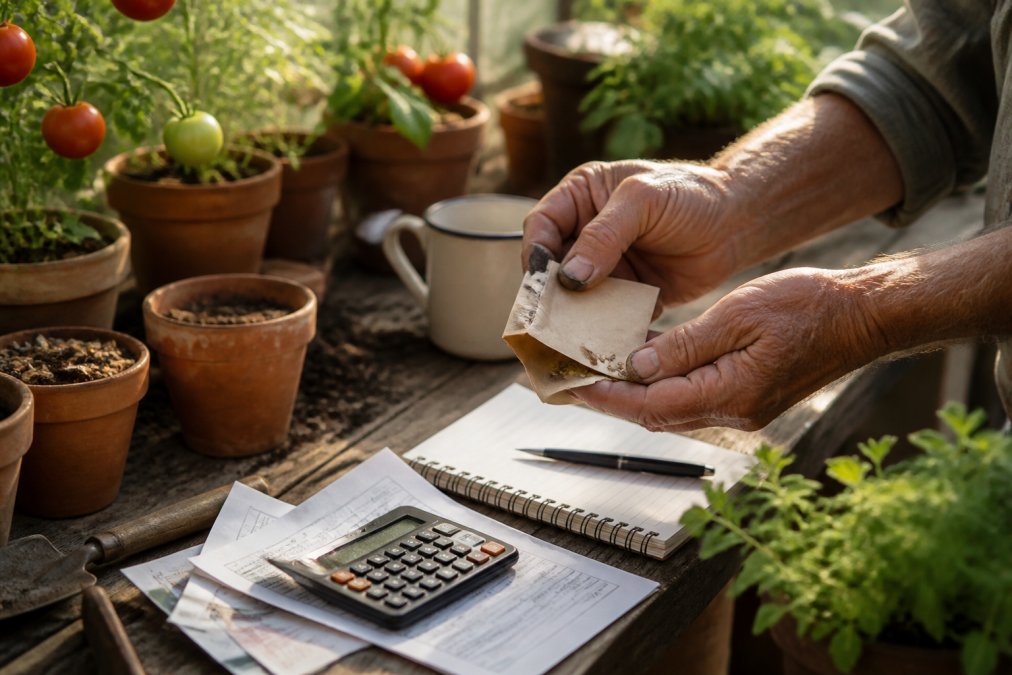
Hybrid seed production is a supply chain; heirloom seed production is a craft. Heirloom seed is hand-picked, fermented, cleaned, dried, and hand-packaged, and that labor is what you're paying for. A hybrid company might produce millions of seeds of one variety, while an artisanal grower might produce a few thousand.
What Actually Drives the Price Up
- Labor-intensive harvesting. Heirloom tomatoes ripen unevenly and bruise easily, so they're picked by hand.
- Small-batch processing. Seed cleaning is often done by hand.
- Genetic isolation. Growers must separate varieties to keep them true-to-type.
- Lower yield per acre. Rare cultivars produce less seed per plant.
- Variety maintenance. Someone must grow each variety every year.
Heirloom vs Hybrid Seeds Explained
Heirloom seeds are open-pollinated varieties with a documented history, and their offspring grow true-to-type. Hybrid seeds are the first-generation result of a controlled cross, and their offspring won't reliably match the parent.
| Factor | Heirloom | Hybrid |
|---|---|---|
| Seed saving | Yes, true-to-type | No, unstable offspring |
| Genetic diversity | High, wide gene pool | Narrow, uniform |
| Disease resistance | Variable by cultivar | Often bred-in |
| Flavor profile | Complex, varied | Consistent, standard |
| Packet price | Higher per seed | Lower per seed |
| Cost to replant yearly | Lower with saving | Full price each year |
Hybrid breeders invest heavily in traits like uniform ripening and disease resistance, and because you can't save hybrid seed and get the same plant back, you buy it again every year (extension.msstate.edu). Heirloom seed flips that equation: you pay more upfront, but save seed from your best plants and you've got a self-renewing supply. Heirloom varieties also carry a broad range of genetic traits shaped by decades of growing in specific conditions.
Disease resistance is where hybrids often hold a genuine edge, so choosing the right heirloom cultivar for your conditions matters more.
Best Heirloom Tomato Varieties for Containers
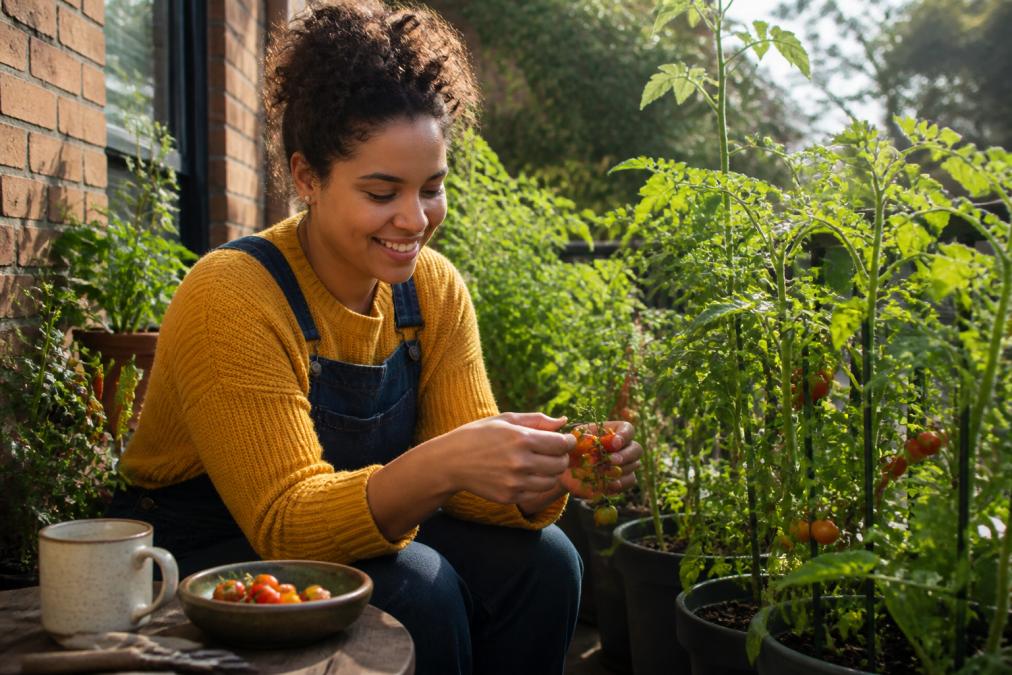
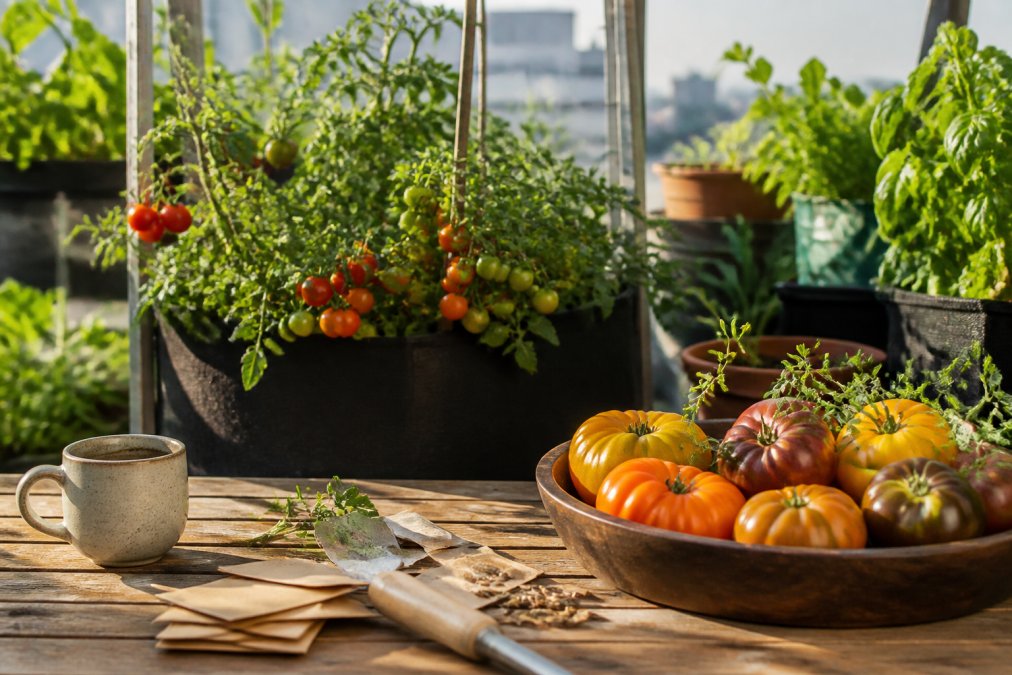
Growing heirloom tomatoes in containers is entirely doable and a great way to get value from a higher-priced packet. Choose determinate or compact varieties, which grow to a set size, set fruit all at once, and stop, far easier in a pot than sprawling indeterminate vines.
- Heritage Cottage Orange: A determinate orange tomato, saved since 2005, that stays manageable in a large pot.
- Siberian Red Heirloom: A cold-tolerant, early-maturing red with juicy, meaty medium fruits, great for short seasons and cooler springs.
- Heritage Cottage Black: A larger-fruited determinate with striking dark color and rich flavor that thrives in the deep South.
- Black Sea Man: A compact, bush-type determinate with deep mahogany-brown skin and sweet, smoky flesh; 6 to 10 ounce fruits ideal for slicing.
For containers, use a pot of at least 5 gallons, keep soil consistently moist, and give full sun. Determinate varieties need only a simple stake or cage, and starting with one or two is the smartest way to learn.

How to Save Heirloom Tomato Seeds
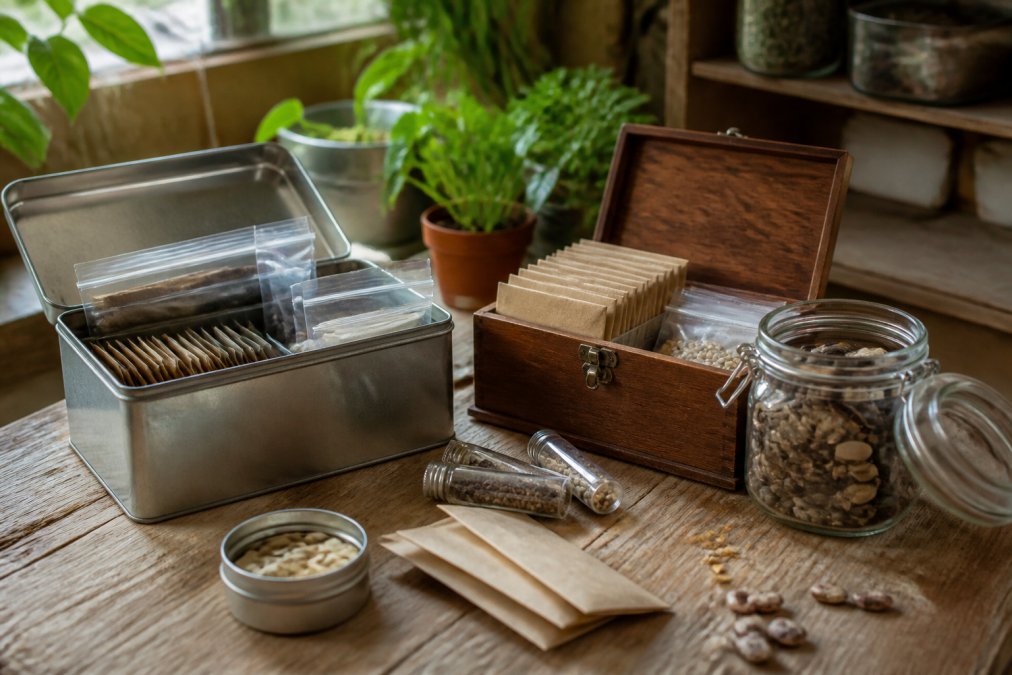
Saving seed is where heirloom gardening tips decisively in your favor: harvest seed from your best fruit and replant year after year, turning a one-time purchase into a permanent supply.
- Pick your best fruit. Choose a fully ripe tomato from your healthiest plant.
- Scoop the seeds and gel. Cut it open and scoop seeds and gel into a small jar.
- Ferment for a few days. Add water and let it sit two to four days until mold forms; fermentation breaks down the gel that inhibits germination.
- Rinse and separate. Add water, stir, and pour off the mold and floating seeds; viable seeds sink.
- Dry thoroughly. Spread good seeds on a paper plate or coffee filter, out of direct sun, for a week or more.
- Store cool and dry. Keep dried seeds in a labeled envelope or jar in a cool, dark, dry place.
Stored properly, tomato seed stays viable for several years, so one good harvest can supply multiple seasons. Label everything with the variety name and year. One caveat: if you grow more than one variety and want them true-to-type, prevent cross-pollination by separating them by distance or a physical barrier.
Making Heirloom Seeds Worth the Investment
The price of heirloom seed reflects real costs: hand labor, small batches, genetic isolation, and keeping rare varieties alive. Make that investment pay off by growing your seeds well and saving them. Start with varieties suited to your climate and containers, choose determinate types if space is tight, and save seed from your best plants.
If you're looking for carefully selected, proven varieties, we'd love to help. Heritage Cottage Seeds offers a curated collection of rare and unusual vegetable seeds, with a focus on unique tomato and pepper varieties, plus ground pepper selections and urban farm gear. Every variety we carry is one we've grown and tested ourselves.
Frequently Asked Questions
What makes heirloom seeds different from hybrid seeds?
Heirloom seeds are open-pollinated varieties passed down for generations, so they grow true-to-type and you can save seeds year after year. Hybrids come from controlled crosses of two parent plants and their offspring won't match the parent. That difference in reproducibility is a big reason heirloom tomato seeds cost more: each packet represents a stable, preserved genetic line rather than a one-time purchase.
Are heirloom seeds worth the extra cost for home gardeners?
For flavor and seed saving, yes. Heirloom varieties offer rich, complex flavor profiles you won't find in mass-produced hybrids, and because they're open-pollinated you can save seeds and cut future costs. If you grow in containers, choose proven varieties like Heritage Cottage Orange or Siberian Red.
How does the seed production process affect the final price?
Heirloom seed production is labor-intensive. Growers hand-select plants, isolate varieties to prevent cross-pollination, hand-harvest fruit, ferment and clean seeds, then test germination rate before packing. Mass-produced hybrid seed is grown on a larger, more mechanized scale. That hands-on work, plus smaller batches and lower yield per plant, is why packet prices run higher for heirloom tomato seeds.