 How-to
Are Yellow Pear Tomatoes Good for Containers?
Last Updated: November 21, 2026
Quick Summary
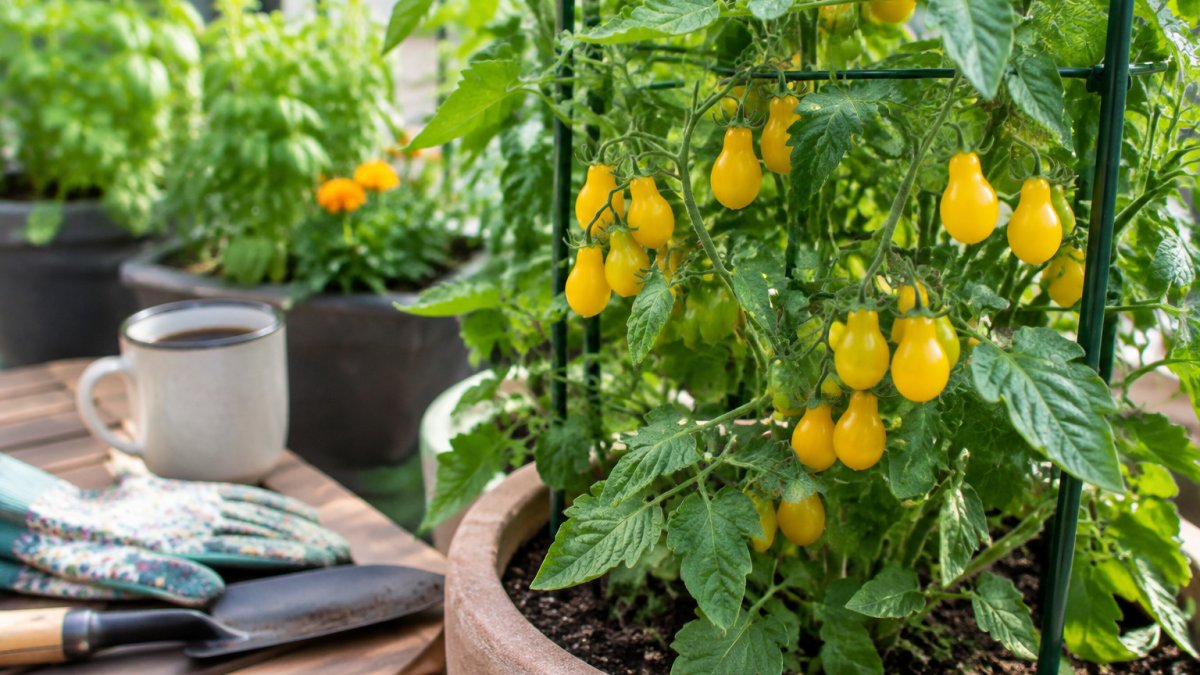
Yes, yellow pear tomatoes do well in containers. Their small fruit, about an inch across, is more forgiving than large beefsteak types, but the indeterminate vine gets long and needs a pot of at least 5 gallons, a sturdy support, and six to eight hours of direct sun.
- Use a pot holding at least 5 gallons for one plant.
- Install a stake, cage, or trellis at planting time, not after the vine runs.
- Give plants six to eight hours of direct sun daily.
- Check containers daily in hot weather, since they dry out fast.
- Pick fruit regularly when it turns deep, bright yellow and feels slightly soft.
Table of Contents
- Yellow Pear Tomatoes in Containers: The Short Answer
- Are Yellow Pear Tomatoes Determinate or Indeterminate?
- Choosing the Right Container Size and Material
- Soil, Drainage, and Sunlight Needs
- Yellow Pear Tomato Growing Tips for Pots
- When to Pick Yellow Pear Tomatoes
- Planning Your First Container Tomato Patch
- Frequently Asked Questions
Yellow Pear Tomatoes in Containers: The Short Answer
Yes, yellow pear tomatoes do well in containers. Their fruit is small, about an inch across, and that makes them more forgiving than big beefsteak types. The catch is the vine. Yellow pear plants get long and rangy, so they need room and support even if the fruit is tiny.
Here's what matters most:
- Pot size: Go big. A pot holding at least 5 gallons is the working minimum for one plant.
- Support: Plan on a sturdy stake, cage, or trellis from the day you plant.
- Sun: Give them at least six to eight hours of direct sun.
- Water: Containers dry out fast, so check them daily in hot weather.
A container large enough to hold the root system and enough soil to hold moisture through the hottest part of summer is what makes a 5-gallon-or-larger pot worth using.
Are Yellow Pear Tomatoes Determinate or Indeterminate?
Yellow pear tomatoes are indeterminate. That means the vine keeps growing and setting fruit until frost stops it, rather than stopping at a set height the way determinate types do.
For a container gardener, this changes the plan. An indeterminate plant can reach six feet or more in a good season, and it keeps flowering while you harvest. You'll be pinching suckers, tying up the main stem, and feeding regularly to keep the plant producing.
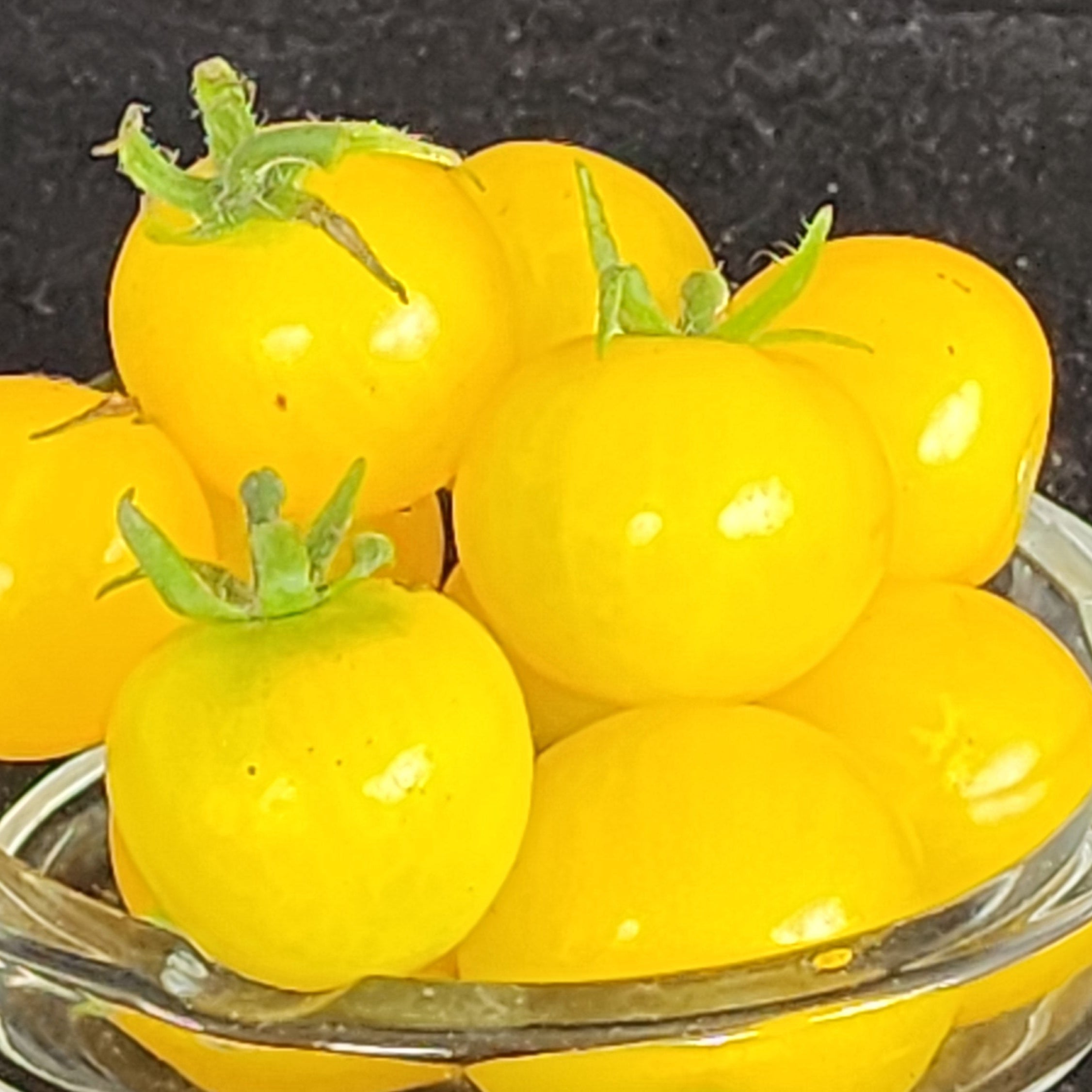
If you want something more compact for a small pot, a dwarf variety may suit you better. Our Micro Tomato - Hahm's Gelbe is a short, sturdy plant with small yellow fruit that stays manageable on a patio or balcony, and it's an easy way to test container tomatoes.
Choosing the Right Container Size and Material
The pot you pick makes a big difference. A few points to weigh:
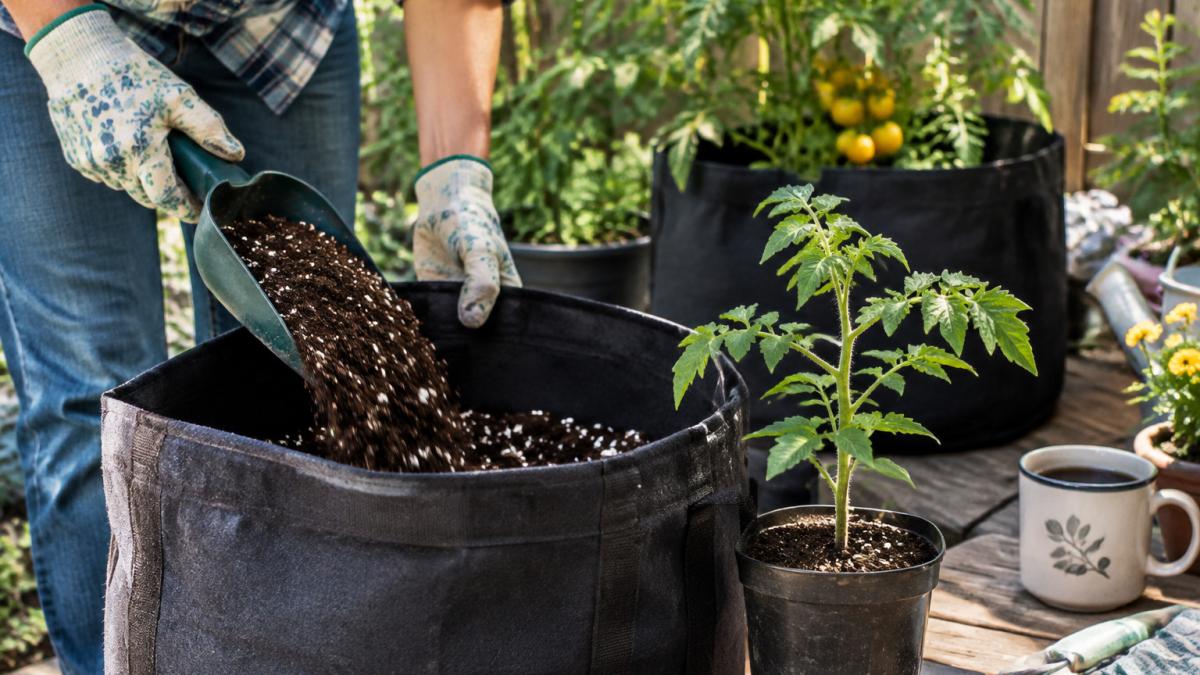
- Fabric grow bags warm up quickly and drain well, which suits tomatoes.
- Plastic or resin pots hold moisture longer, so you water less often, but they can overheat in full afternoon sun.
- Terra cotta breathes well but dries out fast, so it needs closer watching.
Whatever you choose, make sure it has drainage holes. Our heirloom tomatoes that suit containers can help you match a variety to the pot you pick. Soggy roots are one of the quickest ways to lose a container tomato.
Minimum Pot Dimensions and Volume
For one yellow pear plant, aim for a container at least 18 inches across and 16 to 18 inches deep, which holds roughly 5 to 10 gallons of soil. A bigger pot is always better. Larger volumes hold moisture longer, buffer temperature swings, and give the roots room to spread.
If you're growing two plants, give each one its own pot rather than crowding them into one. A common mistake is planting tomatoes too close together in a single large tub, which cuts airflow and invites disease. Giving each tomato room to breathe is a useful principle when planting vegetables in pots, including garlic, which can also grow in its own container.
Soil, Drainage, and Sunlight Needs
Use a good quality potting mix, not garden soil. Garden soil compacts in a pot, drains poorly, and can carry pests and disease (Container gardens offer ease, accessibility, variety). A mix labeled for vegetables or containers is the right starting point.
Container soil needs to drain freely while still holding water, so look for a mix with some organic matter and perlite or similar material. Our soil amendments guide explains which additions really make a difference. Avoid pure peat, which can dry out and become hard to re-wet.
For sunlight, place the pot where it gets full sun, at least six to eight hours a day. In hot southern summers, a spot that gets strong morning sun and some light afternoon shade can help the fruit set without scorching the leaves.
Yellow Pear Tomato Growing Tips for Pots
Here's a simple way to get started, with a little more detail on the parts that trip people up:
- Start seeds indoors about six to eight weeks before your last frost date. In the Southeast, that often means starting in late February or early March for a spring crop. Use a seed-starting mix and keep it evenly moist but not soggy.
- Harden off seedlings for a week before moving them outside. Set them out for a couple of hours the first day, then add an hour or two each day, bringing them in at night at first.
- Plant deep (Tips for Growing Tomatoes). Bury the stem up to the first set of true leaves so more roots form along the buried stem. That extra root system helps the plant take up water in a pot.
- Stake or cage immediately so you don't damage roots later. Put the support in at planting time, not after the vine starts to run. Our staking guide for heirloom plants walks through the right way to set it up.
- Water deeply and keep the soil evenly moist, not soggy. In a container, that usually means watering until it runs out the drainage holes, then waiting until the top inch feels dry before watering again.
- Feed regularly once flowers appear, using a fertilizer formulated for tomatoes. More on the timing and amounts in the watering and feeding section below.
- Pinch suckers on a regular basis to keep the plant manageable. Suckers are the shoots that grow in the crotch between the main stem and a leaf branch. Pinch them off when they're small, before they get woody.
Watch out: container tomatoes that dry out and then get drenched can develop blossom-end rot, a dark, sunken spot on the bottom of the fruit (Tomato Troubles: Common Problems with Tomatoes). Keeping watering steady can help prevent it.
A Simple Container-Growing Schedule
One of the handiest things you can do is write the season down so you're not guessing. Here's a rough timeline that works for most of the Southeast:
- Six to eight weeks before last frost: start seeds indoors.
- One week before transplant: begin hardening off seedlings.
- Transplant week: set one plant per pot, bury the stem deep, and install the stake or cage right away.
- First two weeks after transplant: water when the top inch of soil is dry; hold off on heavy feeding while roots settle.
- When the first flowers open: start feeding every two weeks with a tomato fertilizer, following the label.
- Through the season: pinch suckers every week or two, tie the main stem loosely as it grows, and check soil moisture daily in hot weather.
- At first color break: begin harvesting as fruit turns deep yellow, and keep picking to encourage more fruit.
A written schedule like this can help prevent two common container mistakes: letting the plant dry out during a busy week, and forgetting to feed once the plant starts setting fruit.
When to Pick Yellow Pear Tomatoes
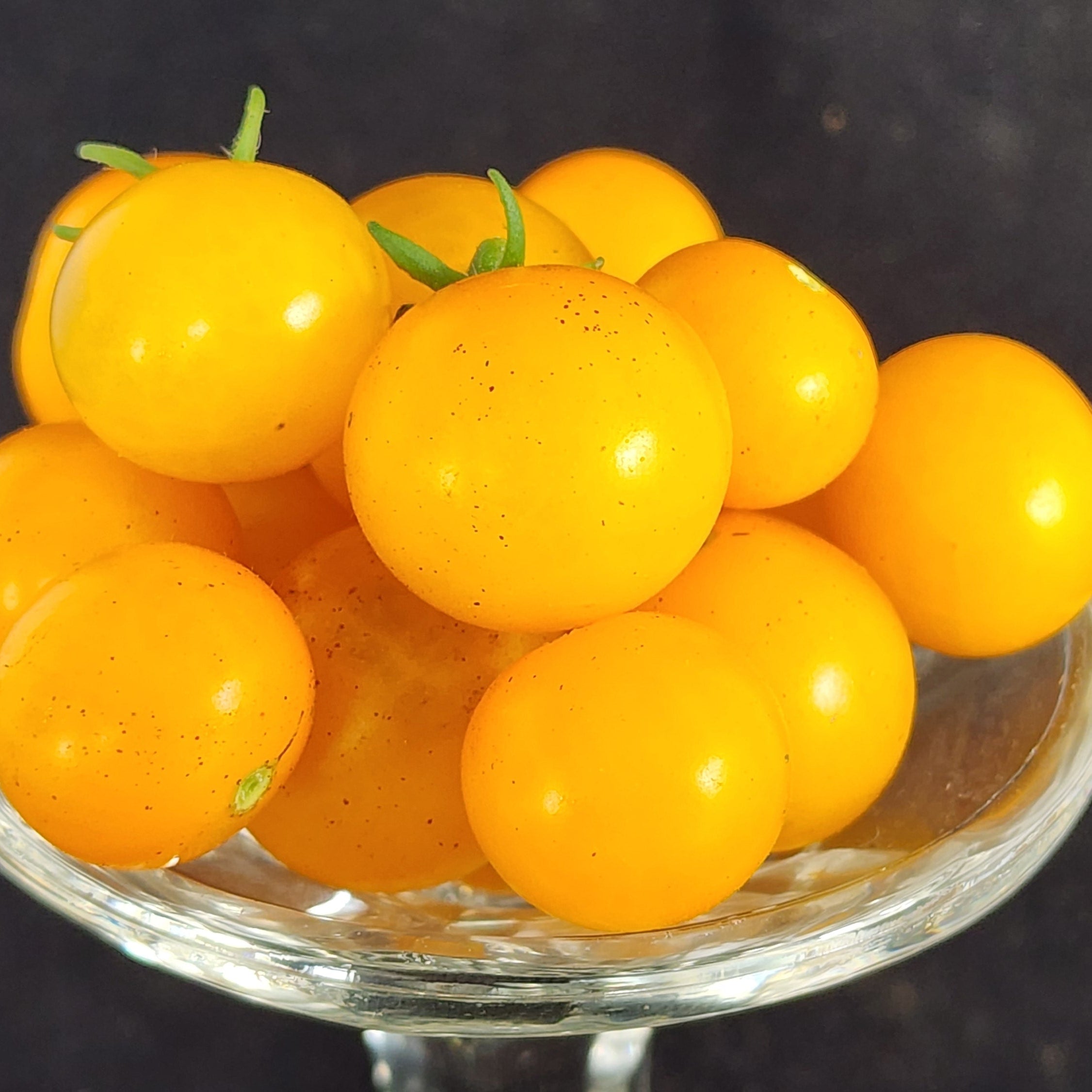
Yellow pear tomatoes are ready when they turn a deep, bright yellow and feel slightly soft to a gentle squeeze. They usually ripen about 65 to 80 days after transplanting, but check your seed packet for the exact timing.
Pick the fruit regularly. Ripe tomatoes left on the vine can split, attract pests, and signal the plant to slow down production. Expect a steady harvest through much of the season rather than one big flush.
Here's a quick look at the key harvest facts from this section.
| Item | Value | Note |
|---|---|---|
| Ripe color | Deep, bright yellow | Fruit is ready when fully colored |
| Feel when ripe | Slightly soft | Gentle squeeze test |
| Days to ripen | About 65 to 80 | Counted from transplanting |
| Harvest pattern | Steady through season | Not one big flush |
| Overripe risk | Splitting and pests | Pick regularly |
Planning Your First Container Tomato Patch
If this is your first year, start with one plant in a large pot, get the support and watering right, and learn how your plant responds. Once you're comfortable, add a second pot or try a compact variety alongside your yellow pears.
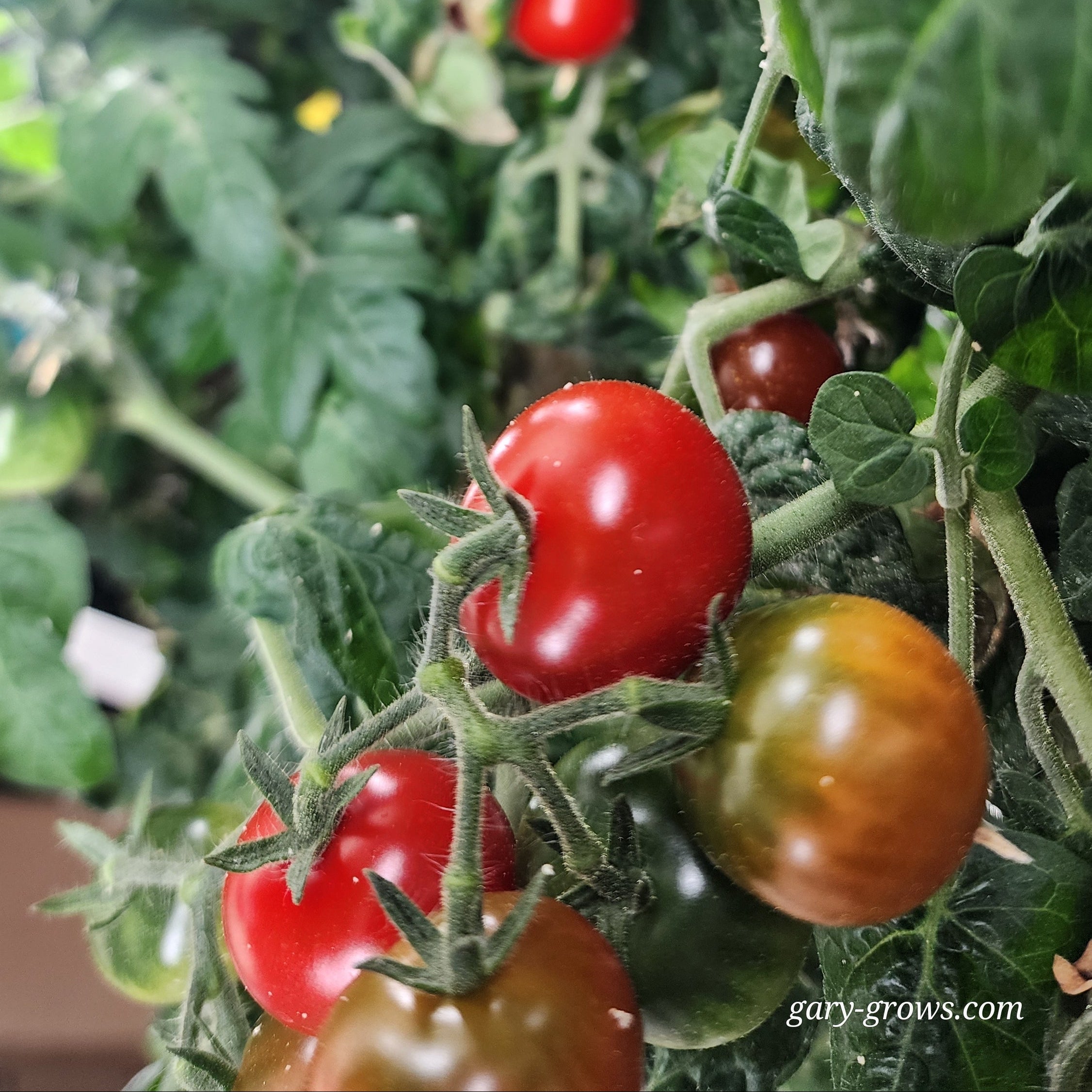
Our Micro Tomato - Tiny Tim and Micro Tomato - Orange Hat are both compact, container-friendly choices, a good pick if you want a low-effort companion for your larger plants.
For more on planning a small container garden, check your local extension office for Southeast-specific advice on vegetables grown in pots.
Have a question about growing yellow pear tomatoes in your own pots? Browse our tomato seed collection, pick a variety, and get growing. Search our catalog today.
Frequently Asked Questions
How tall does a Yellow Pear Tomato get?
Yellow pear tomatoes are vigorous, vining plants that can reach 6 feet or more when grown in good conditions, so they need more room than their small fruit suggests. In a container, growth is more limited, but plants still spread and climb, and they benefit from a sturdy stake, cage, or trellis. Give them a large pot and plan support from the day you plant.
What is the best tomato to grow in a container?
Compact and determinate varieties are usually the easiest choice for containers because they stay smaller and need less pruning. If you want a dwarf option, the Micro Tomato - Tiny Tim from Heritage Cottage Seeds is bred for small-space pots and produces heavy clusters of cherry-size fruit. Yellow pear tomatoes can also work well in containers if you give them a large pot and support, though their long vines take more care.
Do yellow pear tomatoes need a trellis?
Yes, yellow pear tomatoes need support. Their indeterminate, vining habit means the stems keep growing and get heavy with fruit, so a stake, cage, or trellis helps keep the plant upright and off the soil. Install support when you plant, while the roots are still small, so you don't damage the root zone later.
Can yellow pear tomatoes grow indoors in containers?
They can be grown indoors in a very sunny spot, but it is challenging. Yellow pear plants need full sun and a large container, and indoor light is often too weak for good fruit set. If you try it, use a south-facing window or a grow light and be prepared for a plant that takes up significant floor space.