 listicle
5 Essential Books for Growing Vegetables in the Southeast
Last Updated: October 25, 2026
Quick Summary
Growing vegetables southeast requires regional books that address our heat, humidity, and two distinct growing seasons. Southeast-focused guides like Southern Gardening All Year Long by Gary Bachman teach you which vegetables thrive in our climate, when to plant for success, and how to handle region-specific pests and diseases that national guides simply don't cover.
- Southern Gardening All Year Long breaks the year into month-by-month sections so you know exactly what to plant and harvest for Southeast timing.
- The Timber Press Guide to Vegetable Gardening in the Southeast by Ira Wallace offers regional varieties and planting schedules ideal for vegetable beginners.
- The Vegetable Gardener's Container Bible by Edward C. Smith provides container-specific guidance on soil, watering, and sizing that works well paired with Mississippi State University Extension frost dates.
- Southeast gardeners benefit from books that emphasize heat-tolerant varieties and address container challenges like faster drying and afternoon heat stress.
- A good regional book teaches you to observe your garden's sun exposure and drainage rather than following rigid national rules that don't fit our climate.
Table of Contents
- Why Regional Books Matter for Growing Vegetables in the Southeast
- Southern Gardening All Year Long: A Month-by-Month Guide
- Best Vegetable Gardening Books for Beginners
- Vegetable Gardening in Containers for Limited Spaces
- Using a Southeast Vegetable Planting Calendar
- What to Look for When Choosing Your Gardening Book
- Start Your Gardening Journey With the Right Resources
- Frequently Asked Questions
Why Regional Books Matter for Growing Vegetables in the Southeast
Growing vegetables southeast is wonderfully different from gardening anywhere else. Our heat, humidity, and unpredictable weather patterns demand knowledge that national guides simply don't cover. A book written for California or Vermont won't help you navigate the Deep South's growing season, frost dates, or the vegetables that actually thrive in our climate.
That's where regional books come in. They're written by gardeners and horticulturists who understand what works here, not in theory, but from years of hands-on experience. According to Mississippi State University Extension, understanding your local growing conditions is the foundation of successful gardening. A good Southeast-focused book teaches you which vegetables love our heat, when to plant for fall harvests, and how to handle the specific pests and diseases that plague our gardens.
The right book doesn't just tell you what to grow, it shows you how to grow it here, in your climate, with your soil and your timeline. That's the difference between a garden that struggles and one that produces abundantly.
Southern Gardening All Year Long: A Month-by-Month Guide
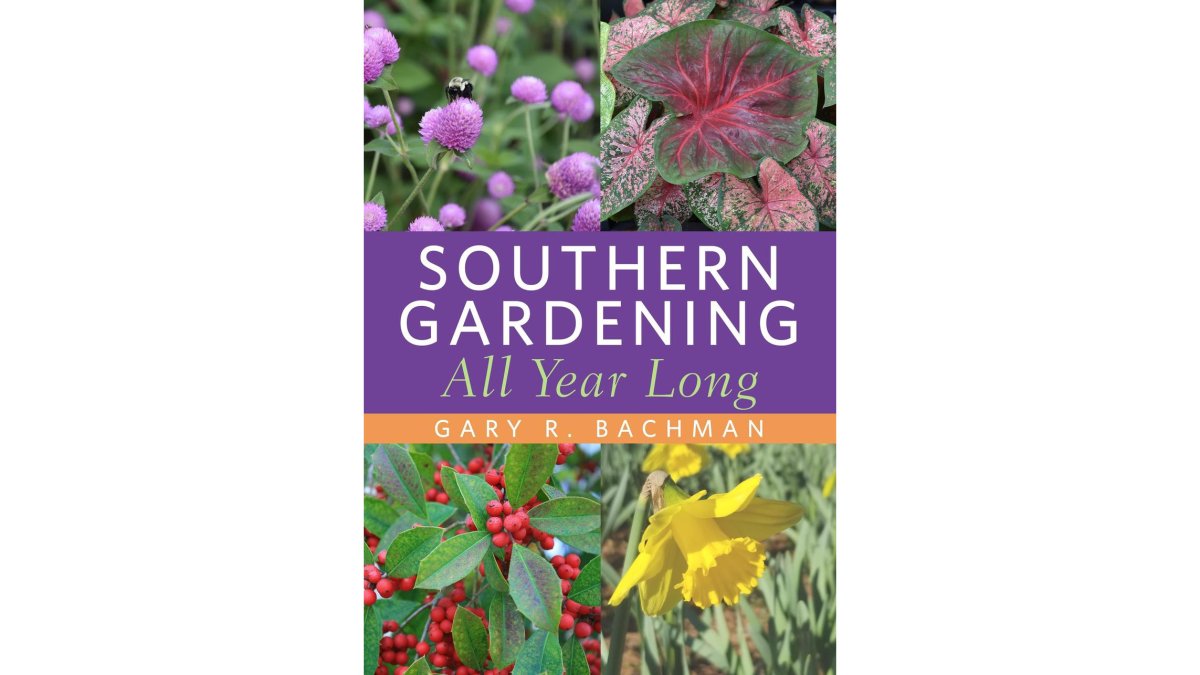
If you're looking for a book that feels like advice from a knowledgeable neighbor, Southern Gardening All Year Long is exactly that. Written by Gary Bachman, a horticulture professor at Mississippi State University, this guide breaks down the entire year month by month, exactly what you need in a region where timing is everything.

What makes this book stand out is its practical, conversational style. Bachman shares stories from his own gardens, talks about plants that have thrived and failed, and offers real-world advice rather than textbook theory. He covers native trees and shrubs, heat-loving perennials, annuals, and vegetables suited to the extreme conditions of the Deep South.
The book's strength is its focus on the Southeast specifically. You'll find guidance on plants that handle our humidity, heat, and occasional cold snaps. It's not a generic national guide adapted for our region, it's written for us. Brie Arthur, author of The Foodscape Revolution, calls it "a must-have for southern gardeners" that provides practical insights for successful gardening year-round.
Best Vegetable Gardening Books for Beginners
If you're just starting out, the right book can feel like a patient friend walking you through your first season. The best beginner books don't just list vegetables, they build your confidence, explain the why behind each step, and help you avoid the mistakes that discourage so many new gardeners.
When you're choosing a beginner book for the Southeast, look for a few key qualities. First, it should be written by someone who actually gardens here, not in a cooler, drier climate. Second, it should start with the fundamentals: understanding your soil, how to water without drowning or drought-stressing plants, and how to read a seed packet. Third, it should help you choose varieties that forgive mistakes, heat-tolerant lettuce, disease-resistant tomatoes, and compact peppers that don't need staking.
A few books stand out for beginners in our region. Southern Gardening All Year Long by Gary Bachman is a wonderful starting point because it breaks the year into months, so you're never overwhelmed by trying to learn everything at once.
Many beginners make the mistake of trying too many vegetables at once when growing vegetables southeast, or picking varieties that don't suit our climate.
For container gardening specifically, How to Choose Seeds for Beginners: A Simple Guide offers practical steps for selecting varieties that match your skill level and space.
Here are the top Southeast vegetable gardening books recommended for gardeners just starting out.
| Book Title | Author | Best For | Key Strength |
|---|---|---|---|
| Southern Gardening All Year Long | Gary Bachman | All beginners | Month-by-month guidance, conversational style |
| The Timber Press Guide to Vegetable Gardening in the Southeast | Ira Wallace | Vegetable focus | Regional varieties and planting schedules |
| The Vegetable Gardener's Container Bible | Edward C. Smith | Container growing | Thorough foundation for small-space gardening |
| How to Choose Seeds for Beginners | Not specified | Container starters | Practical seed selection for skill level |
| Heirloom Vegetable Varieties for Southern Climates | Not specified | Traditional varieties | Vegetables proven to thrive in the South |
Vegetable Gardening in Containers for Limited Spaces
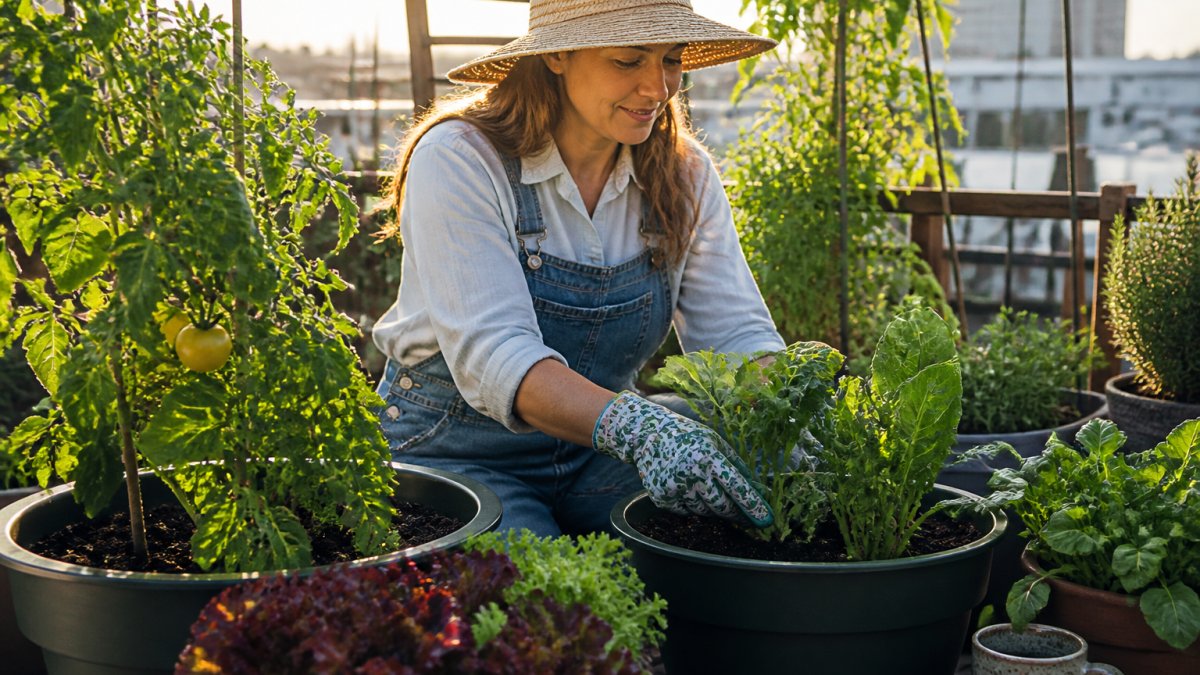
If you live in an apartment, have a small balcony, or simply prefer growing in containers, you're not limited to ornamental plants.
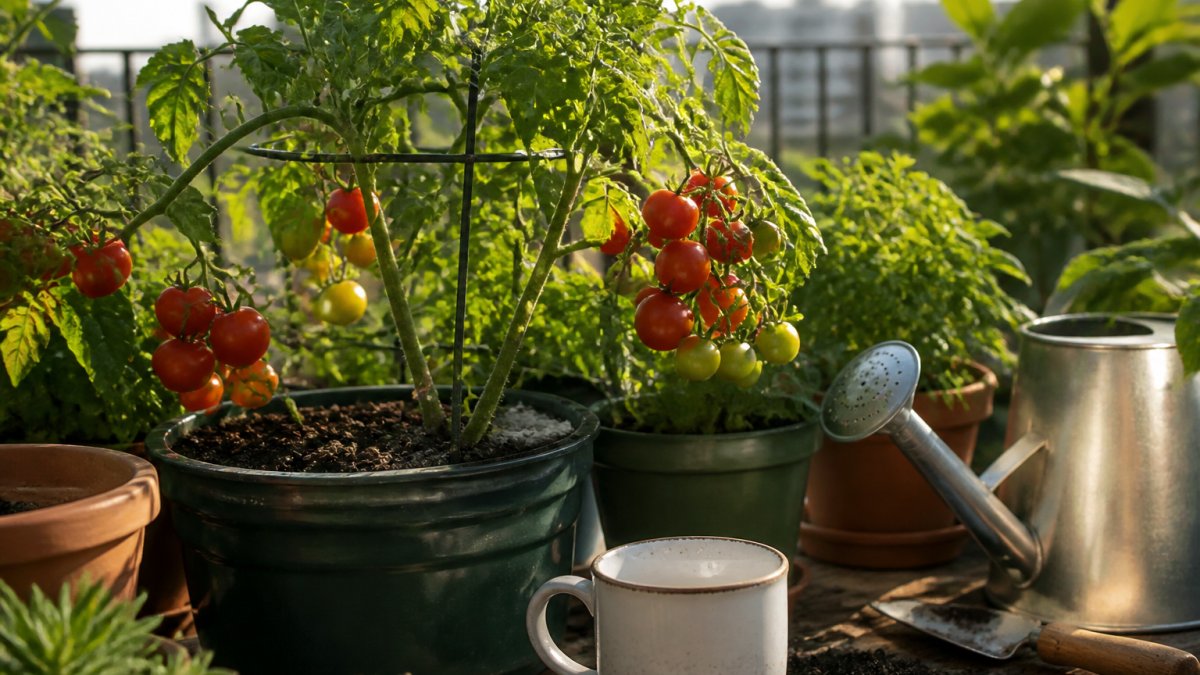
The key is choosing the right varieties and containers for your space. Determinate tomatoes and compact pepper varieties are naturals for pots. Herbs like basil and oregano are practically made for container growing.
Containers dry out faster than in-ground beds, so understanding moisture management is critical. In the Southeast, pots in direct sun heat up quickly, which can stress plants and cause blossom drop in tomatoes and peppers.
Tips for Growing Tomatoes in Small Containers provides specific techniques for one of the most popular container vegetables. Many gardeners discover that container gardening is actually easier than managing a large bed, especially when you're starting out.
Start with three containers: one for a cherry tomato, one for a pepper, and one for herbs. Master those, then expand. A good container gardening book will help you avoid overwatering, choose the right potting mix, and recognize when a plant is heat-stressed versus thirsty. ::: Equipping yourself with the proper home gardening tools ensures that these delicate container plants receive the precise care they require throughout the humid growing season.
Using a Southeast Vegetable Planting Calendar
One of the most valuable tools in any gardener's arsenal is a planting calendar specific to your region. The Southeast has two main growing seasons, spring and fall, and understanding the timing for each is crucial.
Southern Gardening All Year Long →
A regional planting calendar shows you frost dates, the last frost date in spring when it's safe to plant tender vegetables, and the first frost date in fall when you need to harvest before cold arrives.
The calendar approach also teaches you about succession planting, sowing new seeds every two weeks to ensure continuous harvests rather than one big glut followed by nothing. For fall gardening especially, a calendar helps you backtrack from your first frost date to figure out exactly when to plant for autumn harvests.
According to Mississippi State University Extension vegetable gardening guides, understanding your specific frost dates and growing season length is essential for planning. A good Southeast book includes detailed calendars for different parts of the region, since frost dates vary significantly between northern Tennessee and southern Florida.
What to Look for When Choosing Your Gardening Book
Not all gardening books are created equal, and not all are suited to Southeast growing. Here's what to evaluate when you're choosing:
Author credentials and location. Is the author a horticulturist, extension agent, or experienced gardener in the Southeast? Do they have university or extension affiliation? A book written by someone who gardens in the region carries more weight than one adapted from a national guide.
Regional specificity. Does the book address your climate, frost dates, and growing seasons? Does it focus on vegetables and plants that thrive in heat and humidity? Generic national books miss the nuances that matter here.
Practical focus. Is the book full of real-world advice and troubleshooting, or is it mostly theory? Look for books that explain common mistakes and how to fix them.
Container gardening content. If you're growing in pots, does the book address container-specific challenges like watering frequency, soil requirements, and heat management? Not all books cover this adequately.
Visual aids and organization. Are there clear photos, diagrams, or charts? Is the information organized in a way that's easy to navigate? A book organized by month or by vegetable type is easier to use than one with scattered information.
Companion resources. Does the book reference university extension services or other reliable resources? Mississippi State University Extension publishes excellent free guides that complement paid books.
Look for books that emphasize growing vegetables suited to Southern conditions rather than forcing northern varieties. Heirloom Vegetable Varieties for Southern Climates explores which traditional varieties thrive in our region, varieties that have been grown here for generations because they actually work.
Start Your Gardening Journey With the Right Resources
The difference between a frustrating first season and a successful one often comes down to having the right guidance. A Southeast-focused book teaches you to work with your climate instead of against it. It shows you which vegetables love your heat, when to plant for success, and how to handle the specific challenges of gardening here.
The best approach is to start with one solid regional book, something like Southern Gardening All Year Long that covers the fundamentals and the full year. Pair it with Amend Soil for Southern Vegetables: A Step-by-Step Guide to build foundational knowledge about soil preparation specific to our region. Then, as your confidence grows, add specialty books on topics like container gardening or heirloom varieties.
Heritage Cottage Seeds recommends starting with books that emphasize regional growing and practical experience. Our curated seed selection includes varieties chosen specifically for Southeast success. When you combine the right book with seeds selected for your climate, you're set up to grow exceptional produce from day one.
Frequently Asked Questions
What should a beginner look for in a vegetable gardening book?
Look for books that include a Southeast vegetable planting calendar, step-by-step instructions for beginners, and photos or illustrations showing what healthy plants look like. The best vegetable gardening books for beginners explain soil preparation, watering schedules, and common mistakes in plain language. Choose one written by someone with hands-on experience in your region, that practical knowledge makes a real difference when you're starting out.
Can you grow vegetables in containers in the Southeast?
Absolutely. Vegetable gardening in containers works well in the Southeast and is perfect if you have limited space like an apartment balcony or small patio. Containers give you control over soil quality and drainage, which matters in humid Southern climates. Tomatoes, peppers, herbs, and leafy greens all thrive in pots. Look for books that specifically cover container gardening techniques and which vegetables produce best in pots for your climate.
How can a gardening book help me plan a seasonal vegetable garden?
A good gardening book includes a Southeast vegetable planting calendar showing frost dates, planting windows, and harvest times for your specific region. This calendar tells you exactly when to plant spring crops, summer vegetables, and fall harvests. Books also explain how weather patterns in your area affect growing seasons, so you can plan ahead instead of guessing. This planning prevents wasted seeds and gives you a realistic timeline for success.
Are heirloom vegetable varieties suitable for beginners, or do they need experienced gardeners?
Many heirloom varieties are forgiving for beginners when you choose the right ones. The key is selecting varieties that thrive in your specific climate and reading clear growing instructions. Look for books that recommend beginner-friendly heirloom vegetables suited to the Southeast. Starting with proven varieties from trusted sources like Mississippi State University Extension recommendations gives you confidence that your seeds will actually grow well, even if you're new to gardening.
The right book transforms gardening from guesswork into a genuinely enjoyable practice. You'll understand your frost dates, know which vegetables thrive in your heat, and have a month-by-month plan for year-round gardening. Start with a regional guide, observe what works in your specific garden, and adjust from there. That's how Southeast gardeners build thriving vegetable gardens.