 Listicle
Easy Tomatoes for Beginner Gardeners to Grow
Last Updated: November 12, 2026
Quick Summary
Easy tomatoes for beginner gardeners are compact, early, determinate varieties that stay small, set fruit early, and don't demand daily attention. Micro-dwarfs like Orange Hat and Tiny Tim stay under a foot tall and suit a sunny windowsill or single patio pot. Pick a forgiving variety, give it a decent pot and steady water, and let the plant do the rest.
- Determinate tomatoes grow to a set height, set one big crop, then wind down, needing little staking.
- Micro-dwarf plants stay between 6 and 12 inches tall and produce small fruit.
- Plan on a pot at least 10 to 12 inches across for one micro-dwarf plant.
- Bury the stem deeper than it was in its nursery pot so roots form along it.
- Water deeply when the top inch of soil feels dry rather than a light daily sprinkle.
Table of Contents
- Start with Varieties That Forgive Mistakes
- The Easiest Tomatoes to Grow in Pots
- How to Plant Tomatoes for Beginners
- Tomato Plant Care for Beginners
- The Easiest Large Tomatoes to Grow
- Variety Comparison at a Glance
- Seedling-to-Harvest Timeline and Common Beginner Mistakes
- Pick Your Seeds and Start Planting
- Frequently Asked Questions
Start with Varieties That Forgive Mistakes
If you have never grown a tomato before, the variety you pick matters more than anything else you do. Choose a compact, early, determinate type and you can make plenty of small errors and still eat tomatoes off the vine.
At Heritage Cottage Seeds, we steer new growers toward the forgiving end of the catalog first. Easy tomatoes for beginner gardeners are the ones that stay small, set fruit early, and don't demand daily attention.
Determinate versus Indeterminate Growth Habits
Determinate tomatoes grow to a set height, flower, set one big crop, and then wind down.
Indeterminate tomatoes keep growing and setting fruit until frost (Tips for Growing Tomatoes). They need tall cages and steady pruning, but give you slicing tomatoes all season.
Most of the micro-dwarf varieties we carry are determinate, which is exactly why they suit a first garden.
The Easiest Tomatoes to Grow in Pots
Container growing is where beginners win, because you control the soil, water, and sun angle. A pot on a sunny balcony can outperform a neglected garden bed. Pick a variety bred for tight quarters rather than a field variety squeezed into a bucket.
Our micro-dwarf tomatoes stay between 6 and 12 inches tall and produce small fruit. The real trick is matching the variety to your situation before you sow a single seed.
A Simple Chooser for First-Time Growers
Ask yourself three questions in this order:
- How much room do I have? A windowsill or single patio pot points to a micro-dwarf. A balcony with room for three or four pots opens up small determinate types. A raised bed or large container lets you try a compact slicer.
- What is my climate like? Long, hot, humid summers favor heat-tolerant types. Short seasons and cool nights favor early, cold-tolerant types. Mild coastal conditions suit almost anything.
- What do I want on my plate? Snacking and salads call for cherries. Sandwiches call for a compact slicer. Sauce and canning call for a paste type.
Answer those three and the list below narrows itself.
Micro-Dwarfs for Tight Spaces
These stay under a foot tall and suit a sunny windowsill or a single patio pot.
- Orange Hat: bright orange fruit with a sweet, mild, low-acid flavor on plants just 8 to 12 inches tall. Best for a first windowsill crop.
- Tiny Tim: clusters of sweet, balanced red cherries on an ultra-compact plant. Best for snacking.
- Red Robin: dependable red cherries on a plant that stays 8 to 12 inches tall. Best for indoor growing under bright light.
- Monetka: smooth yellow cherries, early and fast, with minimal staking. Best when you want fruit fast.
- Florida Petite: heat tolerant, with classic sweet-tangy red fruit. Best for hot summers.
- Hahm's Gelbe: mild, sweet, fruity yellow tomatoes on a short, sturdy plant. Best for patio containers where flavor matters more than yield.
Compact Slicers for Bigger Pots and Beds
If you have room for a 5-gallon container or a raised bed, a compact determinate slicer is still beginner-friendly. Heritage Cottage Orange stays around 3 to 4 feet and ripens in one concentrated harvest. Siberian Red is cold tolerant and early, which suits short seasons and cool nights. For sauce, a compact paste type fits a home garden without a towering cage.
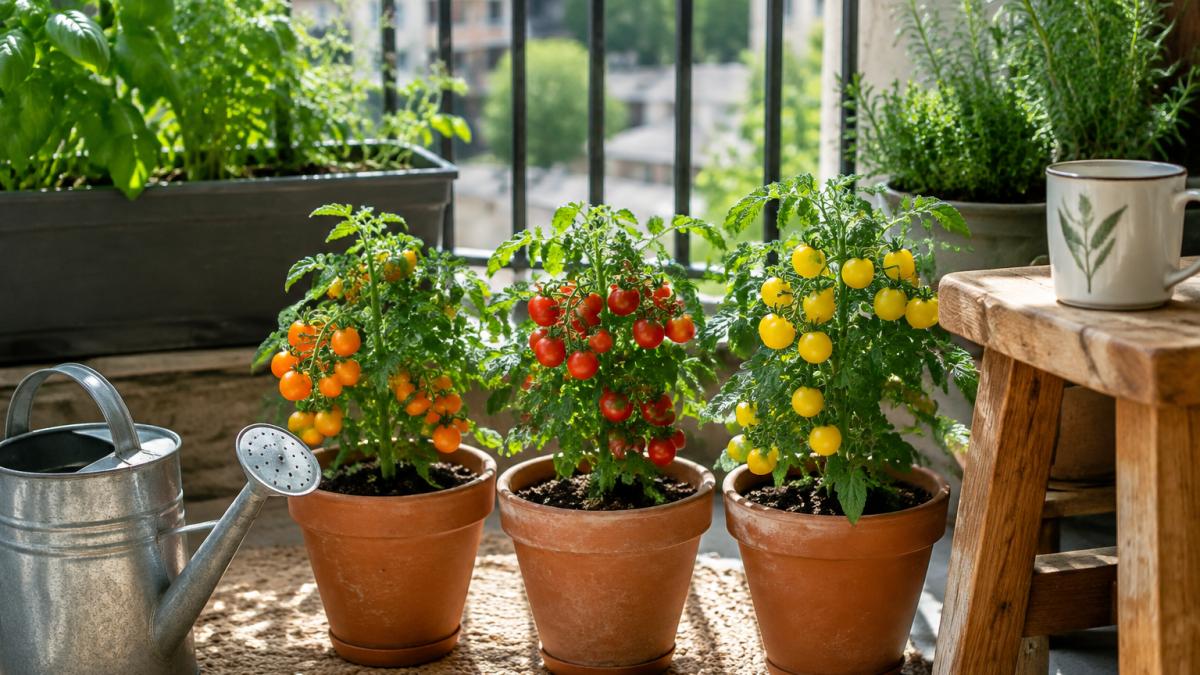
Realistic Container Requirements
A micro-dwarf still needs real soil volume. Plan on a pot at least 10 to 12 inches across for one plant, and go bigger if you can.
Use potting mix rather than garden soil, and make sure the container has drainage holes. Add perlite if your mix feels heavy.
Watch out: a pot without drainage holes will hold water at the bottom and rot the roots, and no variety survives that.
How to Plant Tomatoes for Beginners
Planting a tomato is straightforward once you know the one trick that matters: bury the stem deeper than it was in its nursery pot. Tomatoes grow roots along the buried stem, which gives you a sturdier plant and better moisture uptake.
Here is the sequence we walk new growers through:
- Fill your container with moist potting mix, leaving an inch of space at the top.
- Set the seedling in the hole so the lowest leaves sit just above the soil line.
- Firm the mix around the stem and water until it runs out the bottom.
- Add a light stake or small cage at planting time, not later, so you don't damage roots.
- Keep the pot in full sun and check moisture daily for the first week.
If you are moving seedlings up from a smaller flat, our guide on how to transplant seedlings into larger pots walks through the timing and handling step by step.
Tomato Plant Care for Beginners
Tomato care comes down to three habits: steady water, enough sun, and a little food. Plants that get consistent moisture and full sun rarely give beginners trouble. When something does go wrong, the fix is usually simpler than the panic suggests.
Watering Without Overdoing It
Water deeply when the top inch of soil feels dry, rather than a light sprinkle every day. Consistent moisture prevents blossom-end rot and cracked fruit.
Watering at the base of the plant and keeping foliage dry where possible is a good habit in humid weather. A watering can with a narrow spout lets you aim at the soil instead of the leaves.
Feeding and Mulching
Feed with a balanced fertilizer every couple of weeks once flowers appear, and follow the label rate rather than guessing. Too much nitrogen gives you a leafy plant with few tomatoes. Mulch the top of the pot with an inch of straw or shredded leaves to hold moisture, steady soil temperature, and stop soil splashing onto lower leaves.
Troubleshooting the Four Most Common Beginner Problems
Overwatering. Leaves yellow from the bottom up and soil stays wet for days. Let the top inch dry out between waterings and confirm the pot drains freely.
Too little sun. Plants grow tall and thin with few flowers.
Poor pollination. Flowers drop without setting fruit, often in still air or extreme heat.
Blossom-end rot. A sunken dark patch appears on the bottom of the fruit. It is a calcium delivery problem, usually caused by uneven watering rather than a lack of calcium in the soil (Common Tomato Troubles).
Watch out: yellowing leaves with brown spots and fuzzy growth usually mean a fungal issue rather than a watering problem.
The Easiest Large Tomatoes to Grow
Big slicing tomatoes are not off the table for a first garden, they just need the right variety.
Heritage Cottage Orange is our pick here. It's a determinate plant that typically reaches 3 to 4 feet tall, fitting a large container or raised bed.
Siberian Red Heirloom is cold tolerant and early maturing, a smart choice for short growing seasons and cool nights.
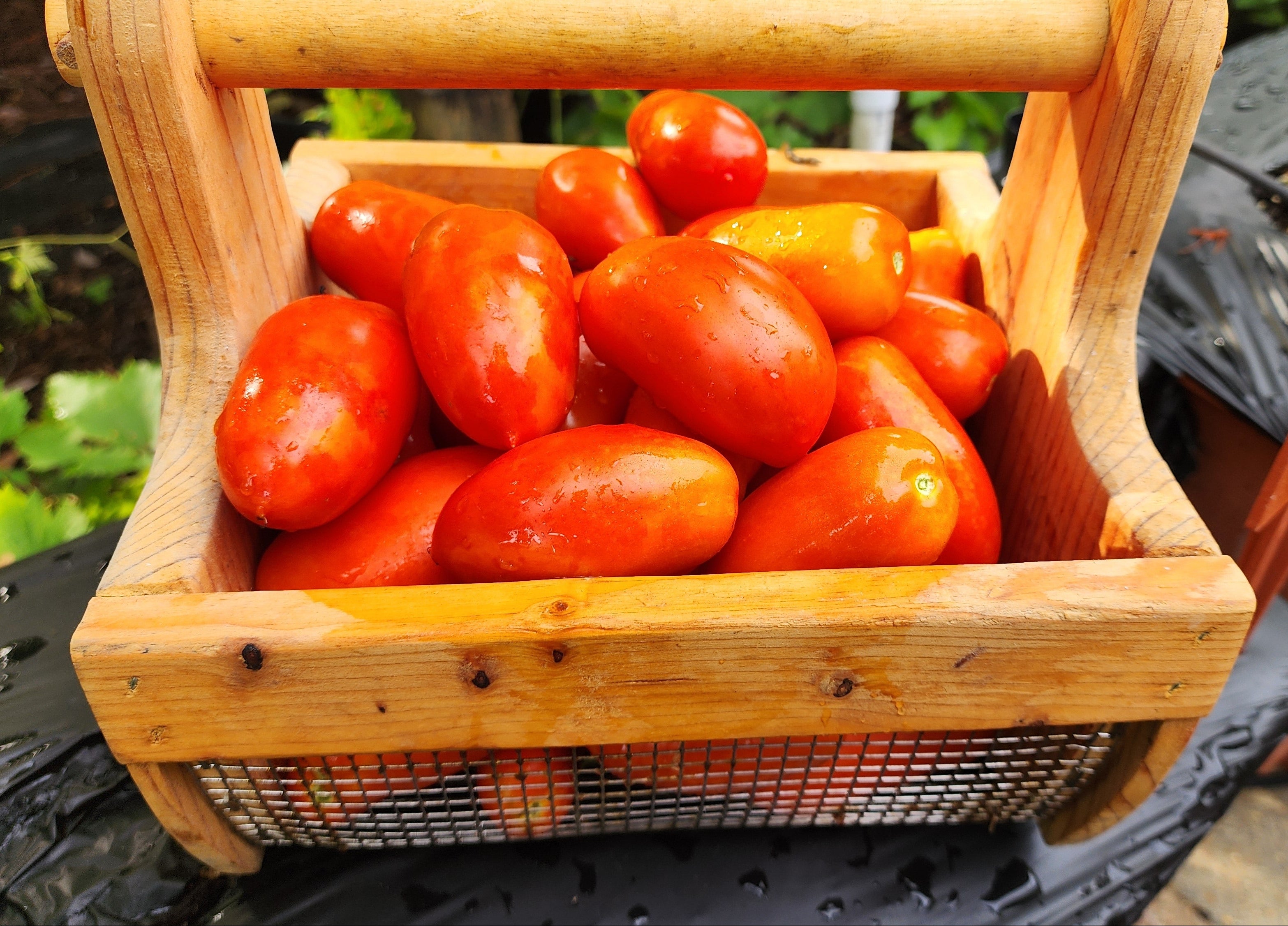
If you want a paste tomato for sauce and canning, our compact Heritage Cottage Paste tomato is a determinate type with dense, meaty red fruit on a plant that fits a home garden.
Variety Comparison at a Glance
Here is how our beginner-friendly varieties stack up side by side.
| Variety | Best For | Watch Out For |
|---|---|---|
| Orange Hat | Windowsills, patios | Small fruit only |
| Tiny Tim | Snacking, salads | Needs daily water checks |
| Red Robin | Indoor growing | Modest yield per plant |
| Monetka | Fast early harvest | Thin skin on ripe fruit |
| Florida Petite | Hot climates | Wants steady feeding |
| Hahm's Gelbe | Patio containers | Mild flavor divides people |
| Hardin's Miniature | Balconies, indoors | Tiny pot dries fast |
| Aztec | Colorful garnishes | Needs full sun to sweeten |
| Heritage Cottage Orange | Raised beds, big pots | Needs a sturdy stake |
| Siberian Red | Cool, short seasons | Less heat tolerance |
Seedling-to-Harvest Timeline and Common Beginner Mistakes
Timing is where new gardeners get surprised. Micro-dwarf tomatoes mature early, but they still need a head start indoors in most climates.
A realistic timeline looks like this:
- 6 to 8 weeks before last frost: start seeds indoors under bright light.
- 2 weeks before last frost: begin hardening seedlings off outdoors, a little longer each day.
- Last frost date: move plants to their final pots in full sun.
- 6 to 8 weeks after transplant: first ripe fruit on early micro-dwarf varieties.
- Through the season: harvest as fruit colors up, and pick promptly to keep plants producing.
If you want the full indoor starting process, our guide on how to start seeds indoors covers timing, soil, lighting, and hardening off in detail.
The mistakes we hear about most often are all fixable. Overwatering is the big one, followed by starting too late, skipping the hardening-off step, and planting into a pot that's too small.
Pick Your Seeds and Start Planting
Choosing seed is the smallest decision with the biggest payoff. Match the variety to your space first, your climate second, and your kitchen third. A windowsill grower needs a micro-dwarf.
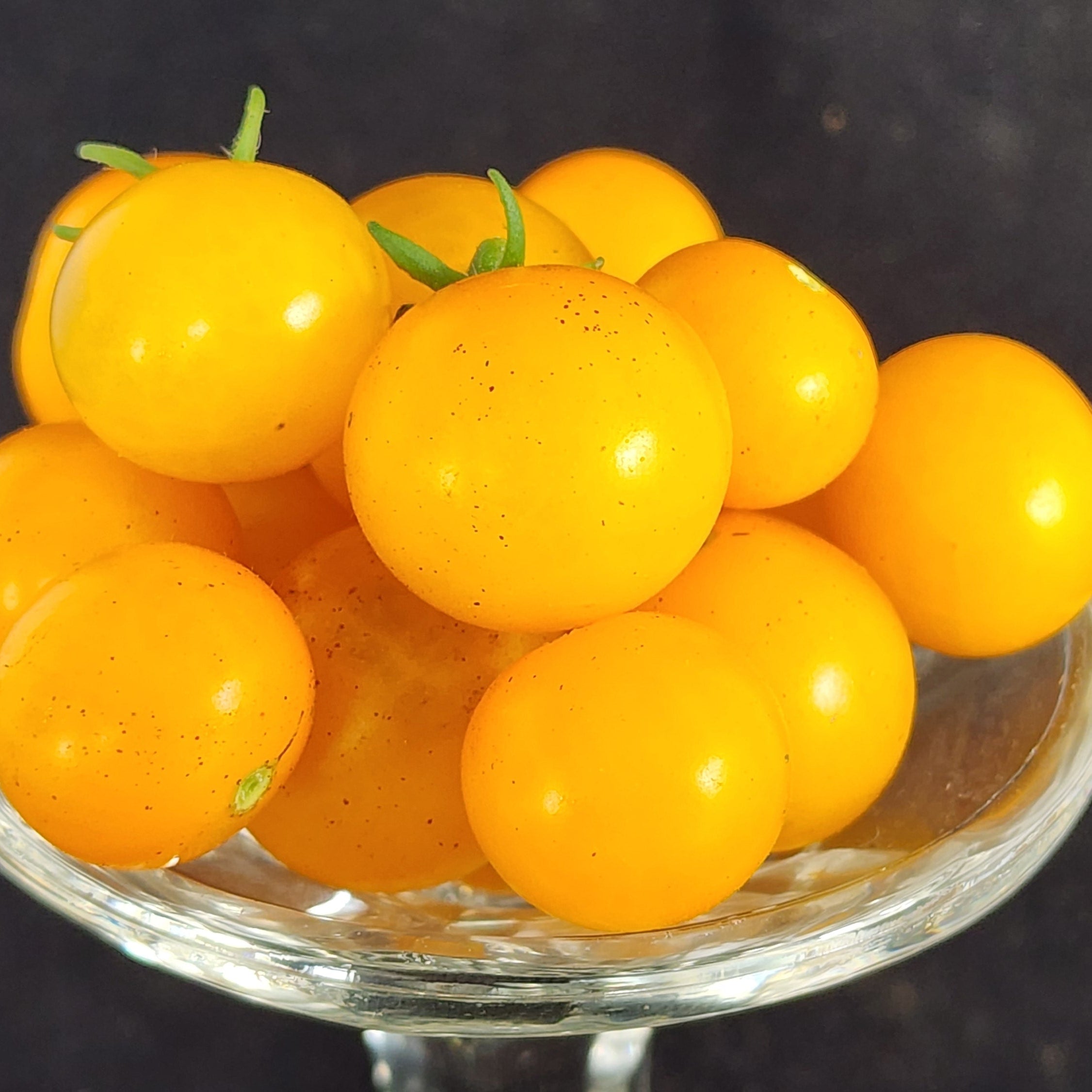
If you are still narrowing it down, our guide on how to choose seeds for beginners breaks the decision into a few simple questions. And if you want the smallest possible plant with the fastest payoff, the Orange Hat micro tomato is the one we hand to first-timers most often.
That's really the whole secret. Pick a forgiving variety, give it a decent pot and steady water, and let the plant do the rest.
Ready to grow your first tomato without the guesswork?
Frequently Asked Questions
Which type of tomato is the easiest to grow for beginners?
Cherry tomatoes and micro-dwarf types are the most forgiving. Micro-dwarf varieties like Orange Hat, Tiny Tim, and Red Robin stay 8 to 12 inches tall, need minimal staking, and grow well in a single pot on a sunny windowsill or patio. They mature early, so you get feedback fast and learn the watering rhythm before a bigger plant has a chance to struggle. Determinate bush types are the next step up if you have a raised bed.
Which tomatoes are easiest to grow in pots?
Look for compact determinate or micro-dwarf varieties. Among the easiest tomatoes to grow in pots are Orange Hat, Tiny Tim, Red Robin, Monetka, Florida Petite, Hahm's Gelbe, Hardin's Miniature, and Aztec, all of which stay under about a foot tall. Use a pot at least 10 to 12 inches across with drainage holes, fill it with potting mix rather than garden soil, and keep it in full sun. Smaller pots dry out fast, so check moisture daily in summer.
Are cherry tomatoes easier to grow than large tomatoes?
Generally yes. Cherry and micro-dwarf tomatoes set fruit faster, ripen over a shorter window, and tolerate a few missed waterings better than big slicers. Large tomatoes like Heritage Cottage Orange and Siberian Red need more room, more consistent moisture, and sturdier support, but they are still manageable for a first garden if you give them a 5-gallon pot or a bed with full sun and a cage or stake.
What month is too late to plant tomatoes?
Tomatoes need roughly 60 to 80 days from transplant to harvest depending on variety, so count backward from your first expected fall frost. In the Southeast, planting after mid-July often means fruit won't ripen before cool weather arrives, though heat-tolerant micro-dwarfs started earlier can extend the season. Your local extension office can give you the exact last-planting date for your county.
What should never be planted near tomatoes?
Keep tomatoes away from potatoes, since both share early blight and late blight and can pass disease through the soil. Fennel and dill can stunt nearby plants, and tall corn or sunflowers may shade tomatoes that need full sun. Rotate tomatoes so they don't follow tomatoes, peppers, or eggplants in the same bed for at least three years, which reduces soil-borne disease pressure.