 listicle
Best Vegetables for Container Gardening in the Southeast
Quick Summary
The best vegetables for container gardening in the Southeast are compact, heat-tolerant varieties like Tiny Tim tomatoes, Baby Bubba okra, and Tom Thumb lettuce. Container gardening suits the region because pots warm up fast, can be moved out of harsh afternoon sun, and let you control drainage and soil. Start with a 5-gallon container for most crops.
- Use a 5-gallon container for many vegetables, which gives roots room to grow.
- Pick Tiny Tim or Red Robin tomatoes for small pots and patios.
- Use quality potting mix, not garden soil, which compacts and drains poorly.
- Check soil daily in summer and water when the top inch feels dry.
- Plant tomatoes and peppers only once nights stay consistently warm.
Table of Contents
- Why Container Gardening Works in the Southeast
- Choosing the Right Container Size and Soil
- Best Vegetables to Grow in 5-Gallon Buckets
- Tomatoes and Peppers That Handle Southern Heat
- Fast-Growing Vegetables in Pots
- Growing Vegetables in Pots for Beginners
- Planting Your Southeast Container Garden This Season
- Frequently Asked Questions
Best Vegetables for Container Gardening in the Southeast
Last Updated: November 7, 2026
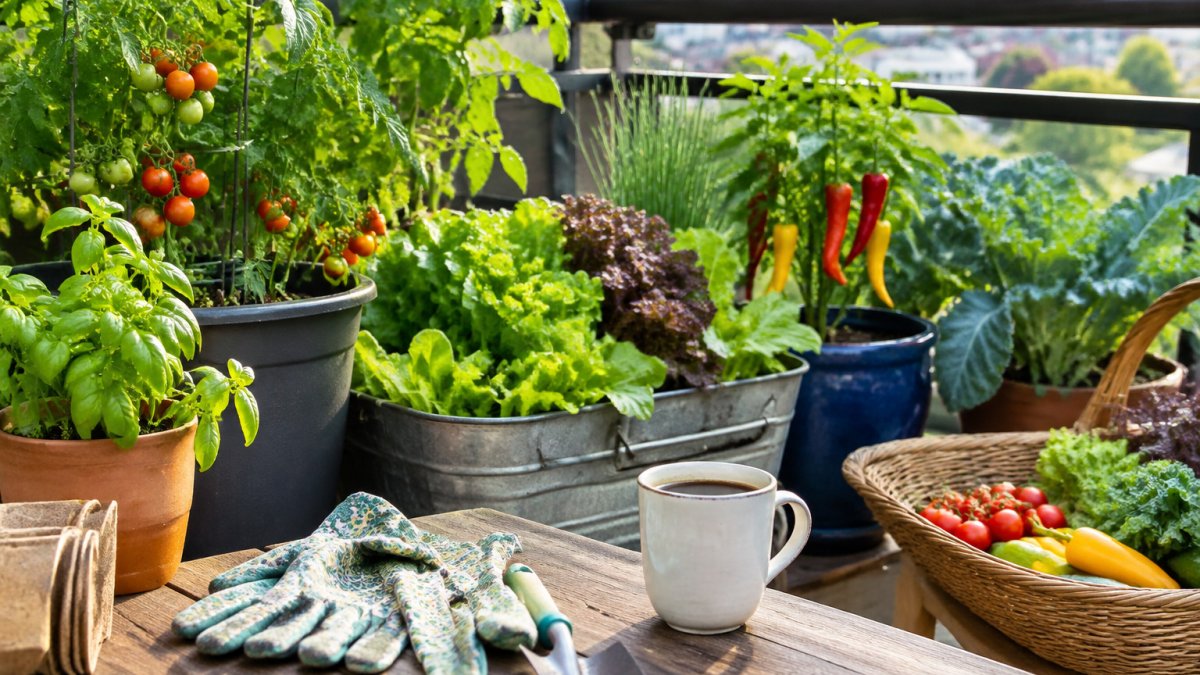
Growing vegetables in containers is one of the best ways to get fresh food from a small space, and the Southeast gives you a long growing season to work with. Compact, heirloom varieties that do well in pots, patios and balconies are a great place to start. Here is what tends to work best in the Southeast, and why.
Container gardening suits the Southeast for a few practical reasons. Pots warm up quickly in spring, you can move them to chase shade during the worst afternoons of July, and you control the soil instead of fighting heavy clay. Mississippi State University Extension recommends container growing for home gardeners in the region, especially where space or ground conditions are limiting, and their guidance is a good starting point for anyone new to it (Container gardens offer ease, accessibility, variety).
Why Container Gardening Works in the Southeast
Container gardening works here because it lets you adjust the things that usually cause trouble: drainage, soil quality and sun exposure. Heavy red clay and poorly drained yards are common across the region, and a pot sidesteps both problems. But the Southeast throws a few curveballs that general container guides tend to skip, and those are the ones worth planning for.
Heat and humidity. Dark pots can cook roots on a summer afternoon, so lighter-colored containers or pots set on a stand help a lot. Morning sun with some afternoon shade is often the sweet spot for leafy crops, while fruiting plants like tomatoes and peppers want the full day of sun they can get. Humidity is the quieter problem.
Heavy rain. A Southern thunderstorm can dump an inch in an hour, and a saturated pot is a drowning risk. Make sure every container has drainage holes that are actually open, not just drilled but clear of compacted mix, and raise pots an inch or two off the ground with bricks or pot feet so water can escape. Fabric grow bags are forgiving here because they shed excess water through the sides.
The long season cuts both ways. A growing season that stretches from March into November means you can harvest more, but it also means pests and diseases have more time to build up. Container crops avoid a lot of soil-borne trouble because you start with fresh mix each season, but that advantage only holds if you refresh the potting medium rather than reusing last year's. Mississippi State University Extension recommends starting with clean, well-drained media for container vegetables.
Watering needs more attention in containers than in the ground. Pots dry out faster in Southern heat, and a long dry spell can stress a plant quickly. Check the soil with your finger every day during summer, and water deeply when the top inch feels dry. In humid stretches, that top inch may stay damp longer than you think, so check before you water rather than watering on a schedule.
Watch out: a pot that stays soggy for days after rain is usually a drainage problem, not a watering problem, check the holes and the pot's height off the ground before you change anything else.
Choosing the Right Container Size and Soil
Container size matters more than most beginners expect. A small pot limits root growth, which limits how much fruit or leafy growth a plant can support. Generally, a container of about 5 gallons gives roots room to work for many vegetables. For tips on growing tomatoes specifically in small containers, see tips for growing tomatoes in small containers.
Use a quality potting mix, not garden soil (Commercial mixes bring container garden success). Garden soil compacts in pots and drains poorly. A good container mix with compost blended in holds moisture while still draining freely. Mississippi State University Extension publications on vegetable gardening note that containers need a well-drained medium.
If you are working with a limited budget, reuse is fine. For a step-by-step guide to amending soil for southern vegetables, see amend soil for southern vegetables. Food-safe buckets with drainage holes drilled in the bottom work well, and so do fabric grow bags, which breathe and help prevent overwatering.
Best Vegetables to Grow in 5-Gallon Buckets
A 5-gallon bucket is one of the most affordable containers you can use, and several crops fit inside one comfortably. Our favorites for buckets include:
- Micro Tomato - Tiny Tim: An ultra-compact plant that grows 8 to 12 inches tall and produces heavy clusters of cherry-size red tomatoes. It is a strong choice for a bucket on a patio. Tiny Tim seeds are available here ($4.00).
- Okra - Baby Bubba: A compact okra that reaches 3 to 4 feet and stays productive all summer. Harvest pods young, at 3 to 5 inches, for the best texture. Baby Bubba okra seeds are available here ($4.00).
- Lettuce - Tom Thumb: A small butterhead that forms heads about the size of a tennis ball and matures in 45 to 55 days. It prefers cooler weather, so plan for spring and fall. Tom Thumb lettuce seeds are available here ($4.00).
Most buckets hold one tomato plant or a couple of smaller crops, so match the plant to the container rather than cramming several into one.


Tomatoes and Peppers That Handle Southern Heat
Tomatoes and peppers are the crops most Southeast container gardeners want, and they are also the ones that struggle most in July. Choosing varieties bred for heat and compact growth makes a real difference.
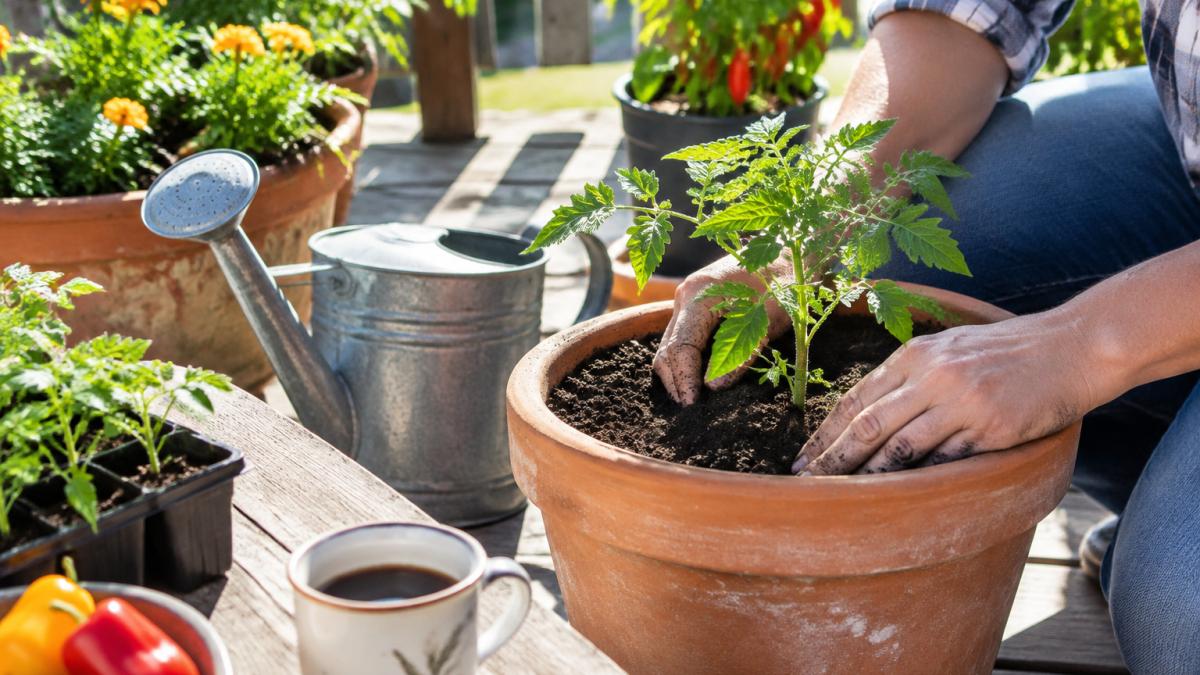
Tiny Tim and Red Robin for Small Pots
Tiny Tim, mentioned above, is one choice. Red Robin is another micro-dwarf tomato that stays 8 to 12 inches tall and yields clusters of sweet red cherry tomatoes. Red Robin seeds are available here ($4.00). Both do well on windowsills, patios and small pots, and both suit beginners because they need little staking.
Everglades and Heritage Cottage Orange for Bigger Containers
If you have room for a larger pot, try Everglades. This indeterminate cherry tomato is known for heat tolerance and steady production, though it needs support and a container large enough to hold a vigorous vine. Everglades seeds are available here ($4.00).
Heritage Cottage Orange is a determinate tomato with medium-sized slicers averaging 6 to 8 ounces. It is compact enough for a large container and gives a concentrated harvest. Heritage Cottage Orange seeds are available here ($4.00).
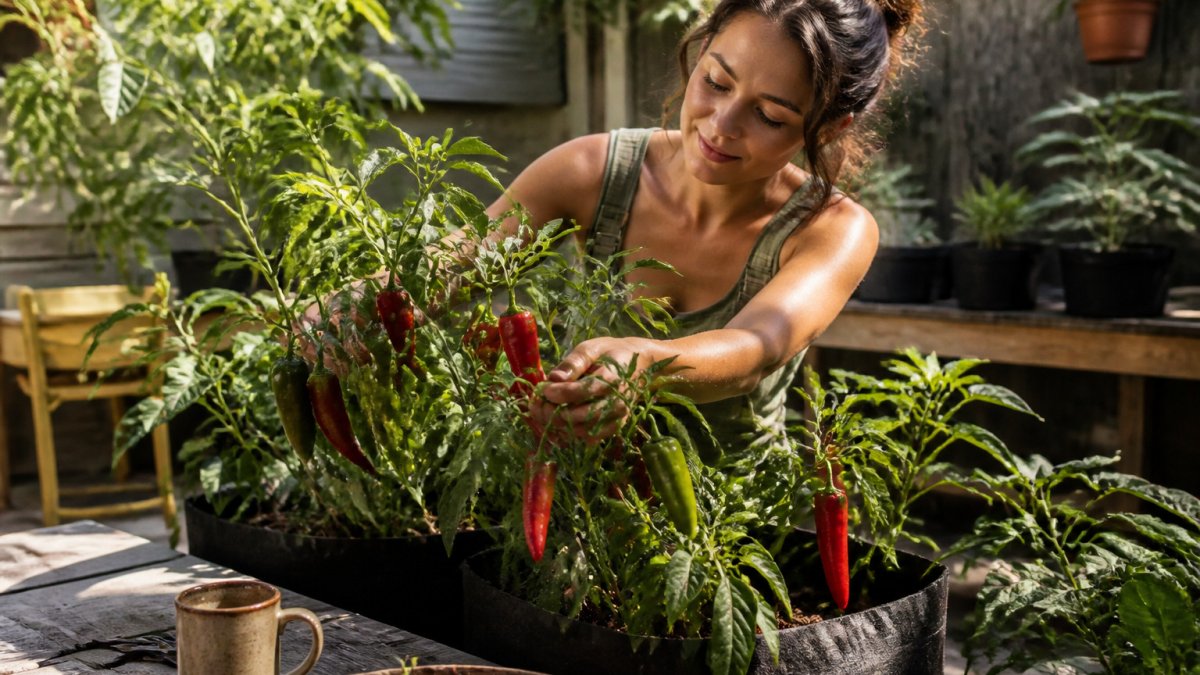
For peppers, Shishito is a mild Japanese pepper that suits containers and is popular for blistering in a hot pan. Shishito pepper seeds are available here ($4.00).
Fast-Growing Vegetables in Pots
Some crops mature quickly, which is useful in a Southeast season where you can squeeze two plantings into one year. Broccoli raab, also called rapini, matures fast in cool weather, and it suits raised beds and containers. Harvest the young leaves and tight buds for a bold, slightly nutty flavor. Broccoli raab seeds are available here ($4.00).
Lettuce, mentioned earlier, is the other quick grower. Sow it every two to three weeks in spring and fall for a steady supply rather than one big harvest.
Growing Vegetables in Pots for Beginners
If this is your first container garden, start small. Pick one or two crops, one good-sized container for each, and a reliable potting mix. Tiny Tim or Tom Thumb lettuce are forgiving choices for learning the rhythm of watering and feeding.
Watch for the most common mistakes: overwatering, using garden soil, and skipping fertilizer. Container plants use up their nutrients faster than in-ground plants, so feed them regularly with a balanced fertilizer during the growing season.
| Crop | Container Size | Days to Harvest | Best For |
|---|---|---|---|
| Tiny Tim tomato | 5 gallons | Early season | Patios, small spaces |
| Baby Bubba okra | 5 gallons | Summer | Heat, steady pod harvest |
| Tom Thumb lettuce | 1 to 2 gallons | 45 to 55 days | Cool-season salads |
| Shishito pepper | 5 gallons | Summer | Mild, cooking peppers |
Container Size
Planting Your Southeast Container Garden This Season
Timing is where a Southeast container garden can really pull ahead, because the region's long season lets you plant in waves rather than all at once.
Late winter to early spring (roughly February into March). This is lettuce and broccoli raab weather. Start Tom Thumb lettuce and broccoli raab in pots while nights are still cool, and sow lettuce every two to three weeks to keep a steady supply rather than one big cut.
Spring after the last frost (roughly April). Once nights stay reliably warm, set out tomatoes, peppers and okra. Tiny Tim and Red Robin suit 5-gallon pots; Everglades and Heritage Cottage Orange do better in a larger container with support. Shishito peppers and Baby Bubba okra go in now too.
Early summer (roughly June). As the first lettuce bolts, pull it and replant the pot with something heat-tolerant. Okra and peppers carry the summer. This is also a good time to start a second round of fast crops in partial shade if you have a spot that gets afternoon relief.
Late summer to early fall (roughly August into September). Start the fall garden while it is still hot. Sow broccoli raab and lettuce again for a fall harvest, and keep them shaded and well watered until the weather breaks.
Mild winter (roughly November into January). In much of the region, lettuce and other cool-season greens can keep going in containers through mild stretches, especially if you move pots to a sheltered spot during cold snaps.
Succession planting is the habit that makes this calendar work. Rather than planting one tomato and one lettuce and calling it done, replant each pot as soon as it frees up. A 5-gallon pot that held spring lettuce can hold a pepper by May and greens again by September.
Start with a sunny spot, fill your containers with a good potting mix, and plant seeds or seedlings at the depth listed on the packet. Water well after planting, then keep the soil evenly moist through the first few weeks.
Watch out: planting tomatoes and peppers too early in a warm spell is a common mistake. If a cold night follows, the plants can stall, so wait until nights are consistently warm rather than trusting one mild week.
Frequently Asked Questions
What are the easiest vegetables to grow in a container garden?
Leaf lettuce, bush beans, radishes, and compact tomatoes are among the easiest container vegetables for Southeast gardeners. Lettuce and radishes mature quickly and tolerate partial shade, while bush beans need little staking. Heirloom micro-dwarf tomatoes such as Tiny Tim and Red Robin stay under a foot tall and suit patio pots. Starting with two or three of these crops lets beginners learn watering and soil habits before expanding into more demanding plants.
What is the best soil for growing vegetables in containers?
Use a peat- or coir-based potting mix labeled for containers rather than garden soil, which compacts in pots and drains poorly. Blend in compost for nutrients and add perlite or pine bark fines to improve drainage, since Southeast rains can saturate a pot quickly. Choose containers with drainage holes and at least 5 gallons of volume for fruiting crops like tomatoes and peppers. Refresh the top few inches of mix each season to keep nutrient levels up.
Which vegetables grow quickly in pots?
Lettuce, radishes, bush beans, and baby greens are fast growers that often reach harvest within 30 to 60 days. Tom Thumb lettuce, for example, matures in roughly 45 to 55 days and forms small heads ideal for pots. Broccoli raab is another quick option for spring and fall planting. Fast crops also free up the container for succession planting, which keeps a small patio productive through the season.
Can tomatoes and peppers grow well in containers in the Southeast?
Yes, when you choose heat-tolerant, compact varieties and provide consistent water. Micro-dwarf tomatoes such as Orange Hat and Hahm's Gelbe stay compact and suit pots. Heat-tolerant Everglades tomatoes also perform in containers with support. Shishito peppers are a mild, productive choice for containers. Check pots daily in midsummer, since hot, humid weather dries soil fast and heavy rain can waterlog containers without drainage.